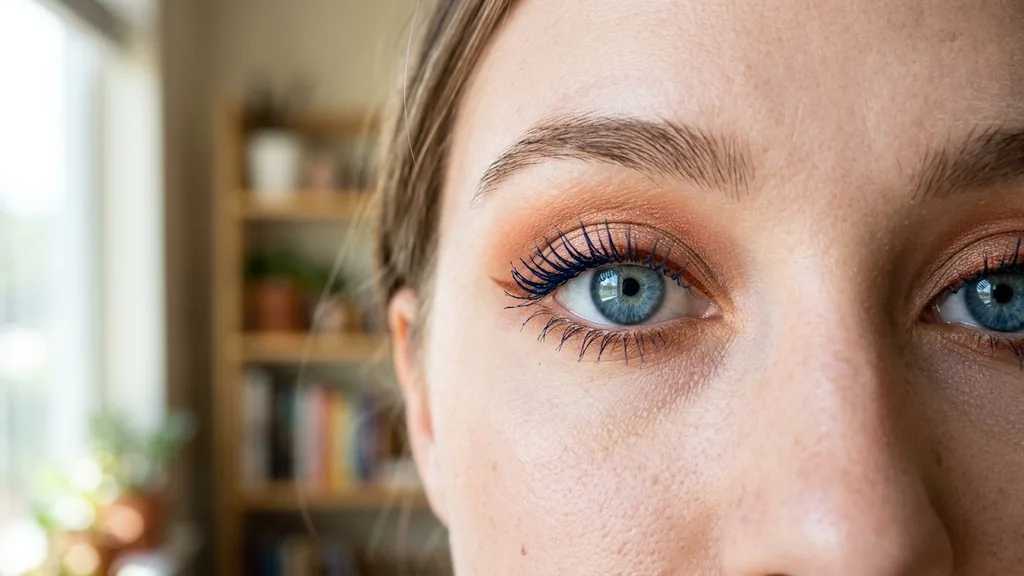
Choosing the right makeup shades is a transformative process, especially when your goal is to highlight the natural brilliance of your iris. If you have been wondering what color mascara for blue eyes will provide the most striking effect, you are likely looking for ways to move beyond the standard black or brown options.
While neutral tones are staples in every makeup bag, the color wheel offers a scientific approach to making your specific eye color stand out. By selecting pigments that sit opposite or complementary to blue on the spectrum, you can create a high-contrast look that draws immediate attention to your gaze.
The Science of Color Theory for Eye Makeup
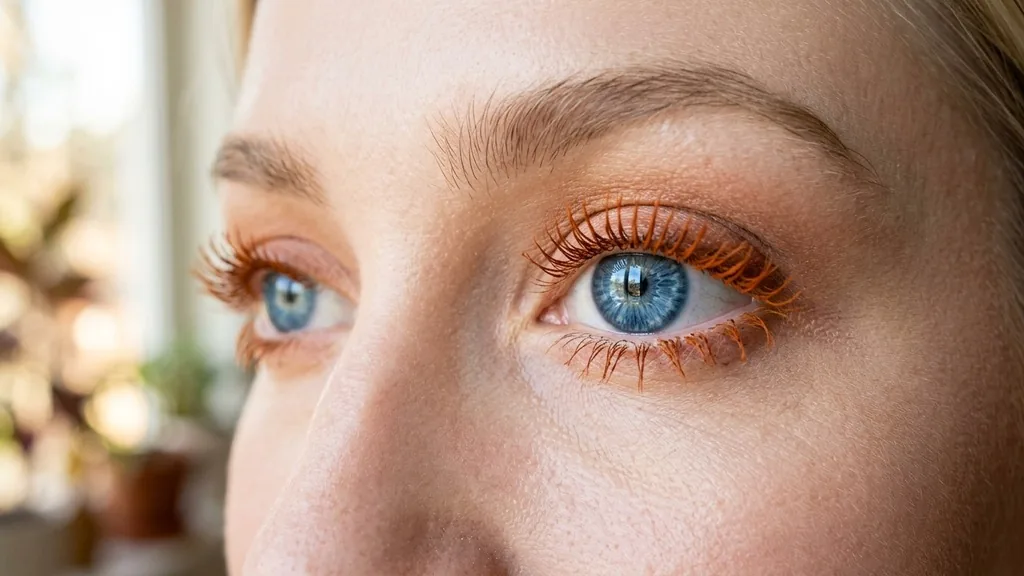
At its core, color theory dictates how different hues interact when placed in proximity to one another. For those with blue eyes, the objective is to choose shades that provide enough contrast to make the blue appear more vibrant, rather than washing it out. When you apply a colored mascara, you are effectively framing your eyes with a pigment that influences how the light reflects off your iris.
Primary and secondary colors work in a specific balance. Since blue is a cool-toned shade, warm-toned pigments often provide the most effective contrast. This is why many makeup artists suggest moving toward copper, bronze, or reddish-purple tones.
These shades contain enough warmth to fight against the coolness of the blue, making the eyes appear brighter and clearer. Understanding this balance is the first step in moving away from generic black mascara and into a more curated beauty routine.
Why Burgundy Mascara is a Top Choice
If you have ever asked yourself if mascara burgundy is a suitable option, the answer is a resounding yes. Burgundy and deep wine shades are perhaps the most effective colors for blue eyes because they sit on the warmer, reddish side of the spectrum. This warmth acts as a direct counterpoint to the cool blue tones of your eyes, creating a subtle yet undeniable pop.
The beauty of a burgundy or plum shade lies in its versatility. Unlike bright neon colors that might look out of place in a professional setting, a deep, wine-colored lash tint is sophisticated and understated.
It provides the depth of a traditional brown or black product but adds a hint of warmth that prevents the eyes from looking tired. When light hits your lashes, the red undertones become visible, instantly brightening the whites of your eyes and intensifying the blue pigment of the iris.
Integrating Brown Mascara for Everyday Wear
While experimental colors are fun, there is a strong argument for keeping a reliable brown product in your rotation. For those with fair skin and lighter blue eyes, black can sometimes feel too harsh or overwhelming. A dark chocolate brown offers a softer, more natural appearance that complements the delicate nature of blue irises without competing for attention.
Brown mascara is particularly effective for daytime wear or “no-makeup” makeup looks. It defines the lashes and adds volume, but it does so in a way that feels lighter and more approachable than jet black. If you want to experiment with colors but aren’t ready to commit to a bold hue, start by mixing a brown base with a colored tip, or simply use brown as your base and apply a colored coat only to the outer corners of your lashes.
Navigating the World of Colored Mascara
The market for colored mascara has exploded in recent years, moving far beyond the novelty items of the past. You can now find high-quality formulas that offer length, volume, and curl while providing rich, saturated pigment. When shopping for these products, look for brands that prioritize color payoff and a high washable formula if you prefer easy removal at the end of the day.
To help you decide which direction to take, consider the following breakdown of how different shades affect the appearance of blue eyes:
| Mascara Shade | Effect on Blue Eyes | Best Occasion |
|---|---|---|
| Burgundy/Plum | Enhances warmth and brightness | Everyday or evening |
| Navy Blue | Monochromatic harmony | Office or formal |
| Dark Brown | Soft, natural definition | Daily wear |
| Copper/Bronze | High-contrast, vibrant | Special events |
Tips for Applying Mascara for Maximum Impact
Applying colored pigment requires a slightly different technique than standard black. Because you want the color to be visible, you must ensure that your lashes are evenly coated from root to tip. Start by using an eyelash curler to open up the eye area, which provides a better canvas for the color to be seen.
When working with a product like lash sensational or sensational sky high formulas, focus on the base of the lashes first. Wiggle the wand back and forth to deposit the bulk of the pigment at the roots, then pull the wand through to the ends.
If the color is subtle, you can apply a second coat to boost the intensity. Many people find that applying a thin layer of primer first helps the colored pigment appear more vibrant and prevents it from fading throughout the day.
Addressing Common Concerns and Mistakes
One of the most frequent questions involves whether one should avoid certain colors. Generally, avoid shades that are too close to your eye color, as they can make the eyes look flat.
For instance, a very bright, light blue mascara might compete with your natural eye color rather than enhancing it. Instead, lean into deep navy if you want a blue-toned look, as the darker intensity creates a sophisticated contrast.
Another common mistake is forgetting to consider hair color. If you are blonde with blue eyes, a very dark black mascara can look severe.
In this case, switching to a deep brown or a soft plum is often the secret to a more harmonious look. You can find more detailed information on color theory and facial aesthetics through resources like the American Academy of Dermatology, which provides insights into skin and eye health related to beauty products.
The Best Formulas and Textures to Look For
When searching for the best colored options, it is not just about the pigment; it is about the brush and the formula. You want a product that separates the lashes to ensure the color is visible on every single hair. Formulas that offer a sky high effect are excellent for this because the lengthening properties allow more of the colored pigment to be seen against the skin of your eyelid.
Look for ingredients that nourish the lashes while providing color. Many modern brands now include conditioning agents like jojoba oil or panthenol in their colored formulas.
This ensures that even though you are using a cosmetic product, your lashes remain healthy and strong. If you have sensitive eyes, always check for ophthalmologist-tested labels, especially when trying out new pigment-heavy shades like burgundy or forest green.
Building Your Personal Makeup Routine
Integrating these shades into your routine doesn’t mean you have to abandon your favorite black mascara. You can use a layered approach to get the benefits of both.
Use a standard black mascara at the roots for definition and depth, then apply a coat of your chosen colored mascara just to the tips. This creates a “halo” effect where the color catches the light as you blink, drawing attention to your blue eyes without being too loud.
- Start with a clean, dry lash base to prevent clumping.
- Use an eyelash curler before applying any pigment to lift the lashes.
- Layer your colors: black at the roots, color at the tips.
- Don’t be afraid to mix shades for a custom tint.
- Always remove your mascara thoroughly at night to keep lashes healthy.
- Test the color in natural light to see how it interacts with your iris.
Experimenting with your makeup is a personal journey. What works for one person might not work for another, even if you both have blue eyes.
Factors like your skin tone, your hair color, and even the lighting in your home will change how these colors appear. By starting with versatile shades like deep plum or soft brown, you can gradually build your confidence in using more experimental pigments, ultimately finding the perfect combination that makes your eyes shine.
Frequently Asked Questions
Should blue eyes wear black or brown mascara?
Both are excellent choices, but they serve different purposes. Black provides maximum contrast and definition, making it ideal for evening looks. Brown is softer and more natural, which is often preferred by those with fair hair or anyone aiming for a subtle, everyday appearance that doesn’t overwhelm the eyes.
What colors make blue eyes pop?
Warm-toned shades are the most effective for making blue eyes stand out. Burgundy, plum, bronze, and copper are the top contenders because their reddish undertones provide a direct contrast to the cool blue of the iris. Deep navy is also a great choice for a monochromatic, intense look.
What colors to avoid with blue eyes?
Generally, avoid shades that are too
Generally, avoid shades that are too similar to your natural eye color, as they can cause your eyes to look washed out or dull. Extremely bright, light blue mascaras can compete with your natural iris color. Instead, opt for darker, richer versions of these colors to ensure the eyes remain the focal point.
Is plum or burgundy mascara better for blue eyes?
Both are highly effective. Burgundy tends to have a bit more warmth and red, while plum often has a slight violet undertone. Both work beautifully to brighten the whites of the eyes and intensify the blue, so the choice often comes down to which undertone you personally prefer for your skin tone.