

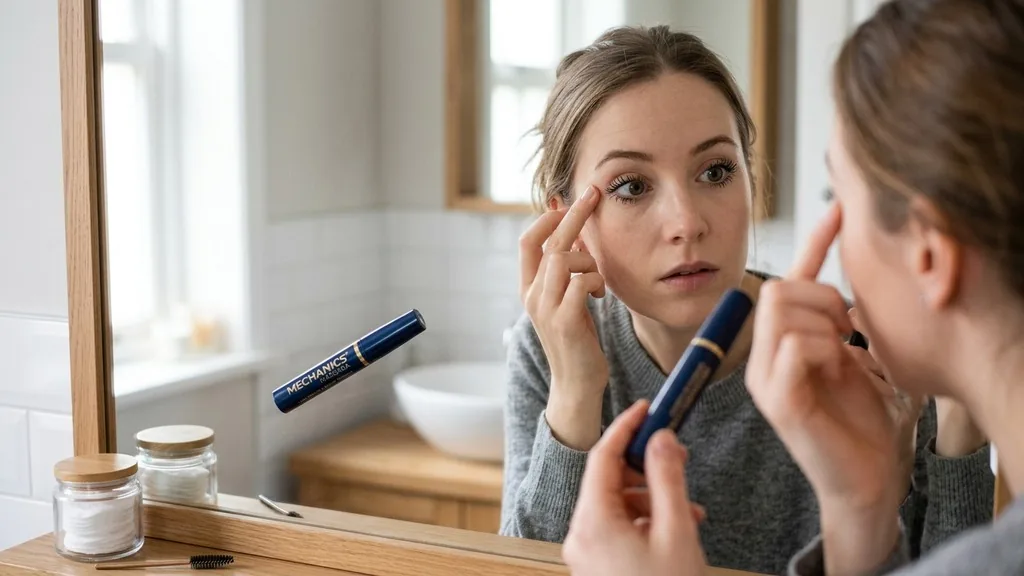
Mascara is a staple in millions of makeup bags, yet many users frequently ask: is mascara bad for your eyelashes? The short answer is that while mascara itself is generally safe, the way it is applied, worn, and removed can significantly impact the health of your delicate lash follicles. Understanding the relationship between daily cosmetic application and your natural lash health is essential for preventing breakage, thinning, and irritation.
The Mechanics of Mascara and Lash Health
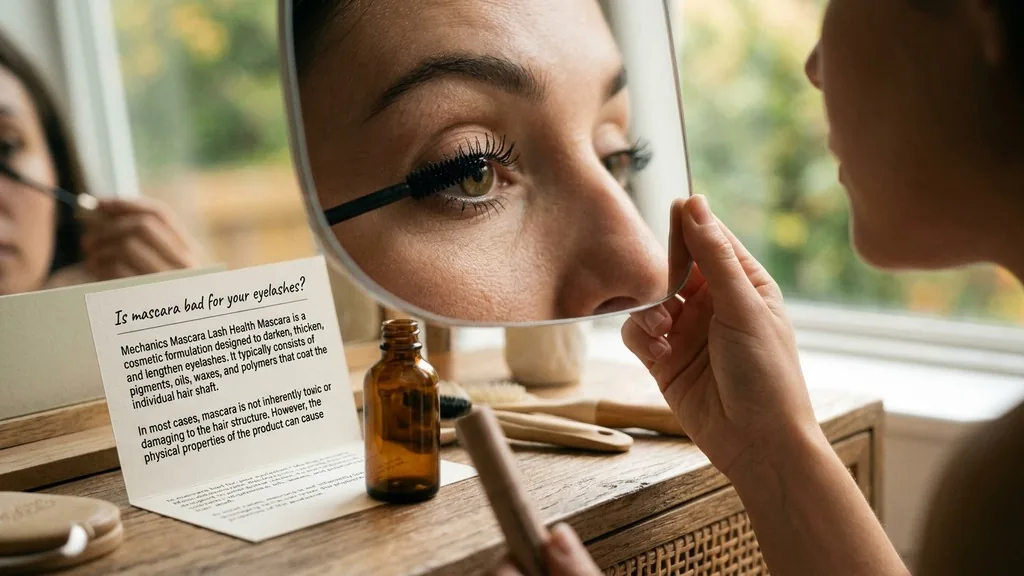
Mascara is a cosmetic formulation designed to darken, thicken, and lengthen eyelashes. It typically consists of pigments, oils, waxes, and polymers that coat the individual hair shaft. In most cases, mascara is not inherently toxic or damaging to the hair structure.
However, the physical properties of the product can cause issues if not managed correctly. When you apply mascara, you are essentially creating a rigid shell around the lash. This added weight and stiffness can make the lashes more brittle over time, especially if the formula dries out or is applied in excessive layers.
The primary risk associated with daily use is mechanical damage. Eyelashes are fine, delicate hairs with a relatively short growth cycle compared to the hair on your scalp. When you coat them in heavy, drying formulas, they become less flexible.
If you then rub your eyes or sleep with the product still on, the hardened mascara acts like a friction agent, increasing the likelihood that the lashes will snap or fall out prematurely. Understanding that your lashes have a natural shedding cycle is important; seeing a few lashes on your cotton pad during makeup removal is normal, but excessive loss suggests that your routine may be too harsh.
The Risks of Improper Removal Techniques
Removal is the single most critical step in maintaining lash health. Many people view makeup removal as a secondary, hurried task, but aggressive scrubbing is the leading cause of lash damage.
When you use a harsh cleanser or a rough cotton pad to remove waterproof formulas, you are physically tugging on the follicles. This constant tension can lead to traction alopecia, a condition where the hair is pulled out at the root, potentially damaging the follicle’s ability to produce new growth.
To protect your lashes, it is best to use an oil-based cleanser or a dedicated bi-phase makeup remover. These products work by breaking down the waxes and polymers in the mascara without requiring intense friction. You should saturate a pad, hold it against your closed eyelid for several seconds to allow the product to dissolve the mascara, and then gently wipe downward.
Never pull or tug horizontally across the lash line. Proper eye hygiene and makeup safety guidelines suggest that being gentle during this process is just as important as the quality of the product you choose.
Ingredients to Avoid in Your Mascara
Not all mascaras are created equal, and some formulations may be more taxing on your lashes than others. When evaluating if mascara is bad for your eyelashes, look closely at the ingredient list. Some traditional formulas contain high concentrations of alcohol or synthetic fragrances, which can be drying.
Over time, these ingredients strip the natural moisture from the lash hair, leading to brittleness. If your lashes feel stiff or crunchy by the end of the day, your current product might be causing dehydration.
Waterproof mascara is a common culprit for lash damage. While these formulas are excellent for longevity and smudge resistance, they are notoriously difficult to remove. They often require stronger solvents or intense scrubbing, which is where the real damage occurs.
If you notice your lashes thinning, consider switching to a water-resistant or tubing mascara. Tubing mascaras form tiny, polymer tubes around each lash that slide off easily with warm water and gentle pressure, eliminating the need for harsh rubbing.
- Avoid mascaras with high alcohol content to prevent dryness.
- Prioritize formulas enriched with panthenol or vitamin E for conditioning.
- Choose tubing mascaras for easier, damage-free removal.
- Replace your mascara every three months to prevent bacterial buildup.
- Never share eye makeup to avoid cross-contamination and infections.
The Impact of Lash Extensions and False Lashes
Many people turn to extensions or false lashes to avoid the daily hassle of mascara. However, these alternatives come with their own set of risks. Eyelash extensions involve gluing synthetic fibers to your natural lashes.
If the application is poor, the weight of the extension can be too much for the natural hair, leading to premature shedding. Similarly, the glue used for strip lashes can cause irritation or allergic reactions on the sensitive skin of the eyelid, which indirectly affects the health of the hair follicles.
If you choose to use extensions, ensure they are applied by a licensed professional who understands the importance of lash isolation. If two natural lashes are glued together, they will pull at each other during their natural growth cycles, causing pain and significant damage.
While these methods can look stunning, they are not necessarily “healthier” than mascara. If you are experiencing thinning, taking a break from both mascara and extensions is often the best way to allow your natural lashes to recover and go through a full growth cycle.
Does Daily Mascara Use Lead to Permanent Thinning?
A common concern is whether long-term, daily use of mascara will permanently thin the lashes. Generally, the answer is no, provided the damage is not severe. Eyelashes grow in a cycle, and if a lash is pulled out or breaks, it will eventually be replaced by a new one.
However, if you consistently damage the follicle through aggressive removal or allergic reactions to ingredients, you can cause long-term inflammation. Chronic inflammation can hinder the health of the follicle, leading to weaker, thinner lashes over time.
It is important to distinguish between temporary breakage and permanent loss. If your lashes look sparse, it is often a sign of breakage rather than hair loss at the follicle level.
By improving your removal routine and giving your lashes a “makeup-free” day once or twice a week, you can often see a significant improvement in the thickness and length of your natural lashes within a few months. If you suspect your lashes are not growing back, it is wise to consult a dermatologist to rule out underlying conditions like blepharitis or alopecia.
Comparing Different Types of Mascara Formulations
The type of mascara you choose plays a significant role in how it interacts with your lash health. Understanding the differences between standard, waterproof, and tubing formulas helps you make an informed choice that balances your aesthetic goals with the need for eye care.
| Mascara Type | Pros | Cons | Impact on Lashes |
|---|---|---|---|
| Standard | Easy to remove, widely available | Can smudge in humidity | Generally low risk if removed gently |
| Waterproof | Smudge-proof, holds a curl | Requires harsh removal | High risk of breakage during cleaning |
| Tubing | Easy removal, no smudging | Fewer options for volume | Lowest risk of mechanical damage |
| Conditioning | Adds moisture, prevents brittleness | Often less pigment | Protective and nourishing |
Addressing Common Topical Gaps
There is a significant gap in public knowledge regarding the difference between “lash health” and “eye health.” Many articles focus solely on the lashes, ignoring the delicate skin of the eyelid.
The skin around the eye is the thinnest on the body, and it is highly susceptible to contact dermatitis. If you notice redness, swelling, or itching at the base of your lashes, this is often a reaction to the preservatives or pigments in your mascara, not the mascara itself.
Another overlooked factor is the expiration date. Mascara is a breeding ground for bacteria because it is a moist, dark environment. Using an expired product can lead to eye infections, which can result in swelling and temporary hair loss.
If you find yourself asking “is mascara bad for your eyelashes,” consider whether your product is simply too old. Bacteria can irritate the follicle, causing the hair to fall out prematurely. Always follow the three-month rule, and if the mascara starts to smell or change texture, toss it immediately.
Developing a Healthy Lash Care Routine
To ensure your lashes remain strong while still enjoying the benefits of makeup, you should adopt a comprehensive care routine. Start by nourishing your lashes.
Just as you use conditioner for your hair, you can use lash serums or natural oils like castor oil to keep your lashes hydrated. Apply a small amount to the tips of your lashes at night to keep them flexible and less prone to snapping.
Next, prioritize your removal process. Never skip washing your face, no matter how tired you are. Leaving mascara on overnight is a recipe for disaster; the product hardens, and your pillowcase causes friction, which acts like a saw against your stiffened lashes.
By removing your makeup thoroughly, you allow the follicles to breathe and recover. Finally, take regular “makeup holidays.” Giving your eyes a break from products for 24 to 48 hours allows the skin and follicles to reset, ensuring that your long-term look remains vibrant and healthy.
FAQ: Common Questions About Lash Safety
- Are eyelashes healthier without mascara? Yes, going without mascara allows your lashes to remain flexible and free from the stress of daily removal. While mascara isn’t inherently harmful, eliminating it removes the risk of mechanical damage and potential allergic reactions associated with daily application.
- What mascara is healthiest for your eyelashes? The healthiest mascaras are often those labeled as “conditioning” or “nourishing,” which contain ingredients like vitamin E, panthenol, or jojoba oil. Tubing mascaras are also considered safer because they require only warm water for removal, minimizing the need for harsh rubbing.
- Is it harmful to wear mascara every day? It is not necessarily harmful if you are using a high-quality product, applying it carefully, and removing it with extreme gentleness. However, daily use increases the cumulative risk of breakage if your removal routine involves scrubbing or pulling on the lash line.
- What can I wear instead of mascara? If you want to avoid mascara, you can use a clear lash serum to add a glossy, defined look. Alternatively, a lash lift and tint can provide the appearance of darker, curled lashes for several weeks without the need for daily makeup application.


