

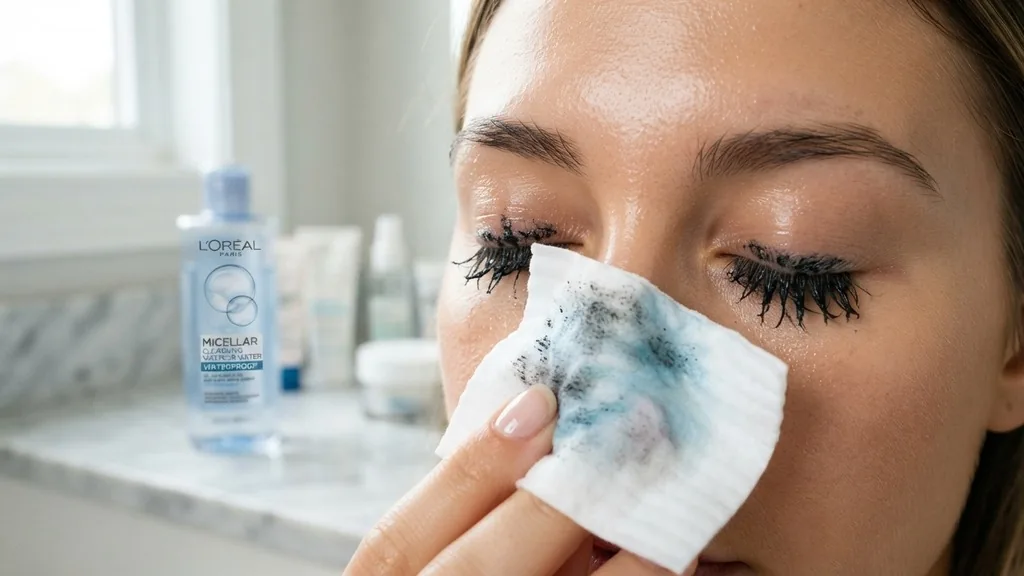
Removing stubborn eye products requires a delicate balance between breaking down heavy-duty polymers and protecting the sensitive skin around your eyes. If you have ever wondered what removes waterproof mascara without causing irritation, you are not alone. Waterproof formulas are engineered to resist water, sweat, and tears, which means traditional soap and water will often fail, leaving you scrubbing at your lashes and potentially causing breakage or skin damage.
The key to successful removal lies in understanding the chemistry of your makeup. Waterproof products typically rely on waxes and volatile silicones that do not dissolve in water.
To take them off, you need a solvent—most commonly an oil-based substance—that can emulsify these ingredients. Whether you prefer store-bought solutions or household staples, the technique you use is just as important as the product itself.
The Science of Waterproof Makeup Removal
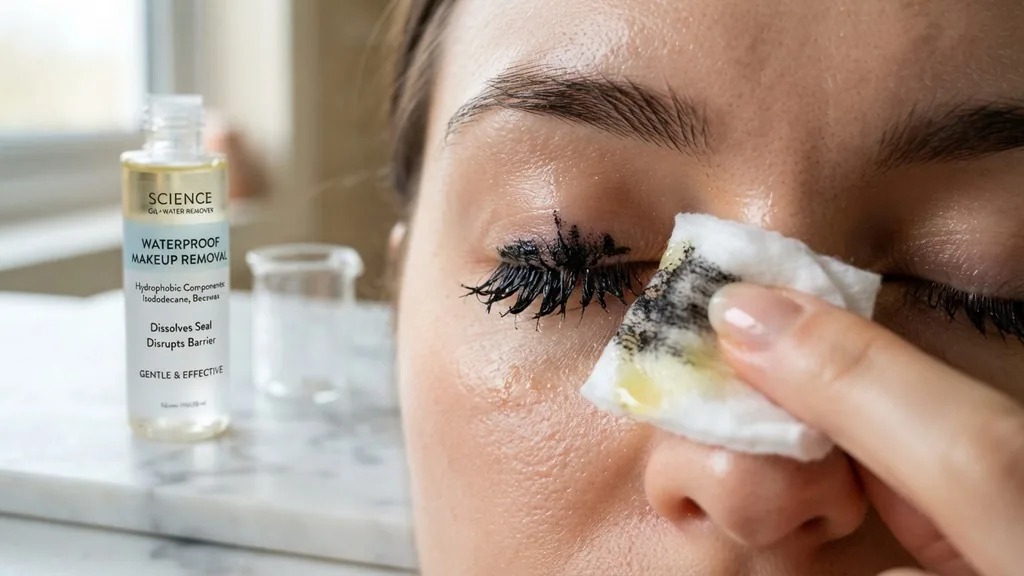
Waterproof mascara stays put because it contains hydrophobic ingredients like isododecane or beeswax. These components create a seal over your lashes that prevents moisture from breaking down the product.
When you ask what removes waterproof mascara, the answer is always a substance that can disrupt this hydrophobic barrier. This is why standard water-based cleansers often leave behind a “panda eye” effect.
To effectively remove these formulas, you must use a lipophilic (oil-loving) agent. Oils work by dissolving the waxes and silicones, turning the hardened mascara into a liquid state that can be easily wiped away.
This process is far gentler on your skin than physical exfoliation or scrubbing. When you apply an oil-based product, you are essentially performing a chemical reaction that lifts the pigment away from the hair shaft, ensuring your lashes remain healthy and intact.
Biphasic Makeup Removers and Their Benefits
A biphasic makeup remover is a specialized product designed specifically for long-wear cosmetics. You will recognize these by the two distinct layers visible in the bottle: an oil phase and a water phase.
Before you use one, you must shake the container to combine these layers. This creates a temporary emulsion that provides the best of both worlds: the oil dissolves the stubborn mascara, while the water phase helps remove any oily residue, leaving your skin feeling clean rather than greasy.
These products are often ophthalmologist-tested, making them ideal for individuals with sensitive eyes or contact lens wearers. Because they are formulated to be effective yet gentle, they reduce the need to tug at your eyelids. If you want to maintain the health of your lashes while using high-performance makeup, a biphasic remover is often the most reliable choice.
Using Micellar Water for Stubborn Products
Micellar water has become a staple in many beauty routines because of its ease of use. While standard micellar water is excellent for daily cleansing, you might find that some formulas struggle against heavy-duty waterproof mascara.
To make it work, you need to use the “press and hold” technique. Saturate a cotton pad with the solution and press it firmly against your closed eyelid for at least thirty seconds.
This wait time is critical. It allows the micelles—tiny oil molecules suspended in soft water—to attach to the dirt, oil, and mascara pigments.
Once the product has had time to break down the waterproof barrier, a single, gentle downward swipe should remove the majority of the makeup. If you are interested in the specific dermatological benefits of different cleansing methods, you can read more about proper face washing techniques as recommended by the American Academy of Dermatology.
Natural Oils as an Alternative Solution
Many people look for household items to remove their makeup, and natural oils are a popular choice. Coconut oil, jojoba oil, and sweet almond oil are all effective at breaking down the waxes in waterproof mascara. These oils are generally safe for the skin and can even provide a conditioning treatment for your lashes, helping to keep them hydrated and flexible.
To use these, place a small amount of oil onto your fingertips and gently massage it onto your lashes. Move your fingers in a circular motion to ensure every lash is coated. Once the mascara has loosened, wipe the area with a warm, damp cloth or a soft cotton pad.
Be mindful, however, that using heavy oils can sometimes cause temporary blurred vision if they get into your eyes. Always follow up with a gentle facial cleanser to remove any remaining oil, especially if you are prone to breakouts or have oily skin.
Comparing Common Removal Methods
Choosing the right method depends on your skin type, the specific mascara formula, and your personal preference for convenience. The following table highlights the differences between popular removal techniques to help you decide which one suits your routine best.
| Method | Mechanism | Best For | Key Pro |
|---|---|---|---|
| Biphasic Remover | Oil-in-water emulsion | Heavy-duty waterproof makeup | No greasy residue |
| Oil Cleansing Balm | Solid oil melting to liquid | Full-face makeup removal | Gentle on skin barrier |
| Natural Plant Oils | Pure lipophilic solvent | Sensitive or dry skin | Conditions lashes |
| Micellar Water | Micelle-based capture | Quick, light makeup removal | No rinsing required |
Common Mistakes to Avoid During Removal
Even with the right product, your technique can make or break the health of your lashes. One of the most frequent mistakes is scrubbing the eyes horizontally.
This friction is the primary cause of lash breakage and can lead to thinning lashes over time. Always move in a downward motion, following the natural growth direction of your lashes.
Another common error is using harsh, abrasive materials. Avoid using rough tissues or dry cotton balls, which can scratch the delicate skin of the eyelids. Instead, opt for soft, reusable bamboo pads or high-quality cotton rounds.
Additionally, never skip the cleansing step. Leaving mascara on overnight can lead to eye irritation, styes, and brittle lashes that are more prone to snapping. Even if you are exhausted, taking a minute to remove your eye makeup is a vital part of long-term eye health.
Addressing Topical Gaps: Why Some Removers Fail
You might find that even after following instructions, some mascara remains. This usually happens because of the specific chemical composition of the mascara itself.
Some modern “tubing” mascaras, for instance, are not technically waterproof in the traditional sense; they are water-resistant and require warm water and gentle pressure to slide off in “tubes.” If you use an oil-based remover on a tubing mascara, it might just smear rather than dissolve.
Conversely, if you are using a high-wax waterproof formula, a light micellar water might not contain enough oil to break that wax down. If you find yourself struggling, try the “double cleansing” method.
Start with an oil-based cleanser to break down the stubborn mascara, then follow up with your regular water-based cleanser to remove the remaining oil and impurities. This two-step process ensures that every trace of pigment is gone without the need for excessive rubbing or pulling.
The Importance of Gentle Technique
Your eye area features the thinnest skin on your entire body. Because it lacks the oil glands found elsewhere, it is particularly susceptible to fine lines and irritation.
When you are removing waterproof mascara, think of your eye area as fragile fabric. The goal is to let the product do the heavy lifting so your hands don’t have to.
If you are using a cotton pad, make sure it is fully saturated. A dry or half-dry pad creates more friction. Once you have held the pad against your lash line, use a light touch to sweep the product away.
If you notice any redness, stinging, or blurred vision, rinse your eyes with cool water and consider switching to a more gentle, fragrance-free formula. Being patient during the removal process is the best way to ensure your lashes remain full and your skin stays smooth.
Maintaining Long-Term Lash Health
Beyond just removing the product, you should consider the overall health of your lashes. Waterproof mascara can be drying, so using a lash serum or a drop of castor oil on your lashes before bed can help restore moisture. If you notice that your lashes are becoming sparse, it might be time to take a break from waterproof formulas for a few days to let them recover.
Regularly cleaning your makeup brushes and tools is also essential. If you use a lash curler, ensure the rubber pad is clean so it doesn’t pull on your lashes or harbor bacteria.
By combining effective removal techniques with a focus on hygiene and hydration, you can enjoy the benefits of long-wear makeup without sacrificing the condition of your natural lashes. Consistency is the secret to maintaining a beautiful look while keeping your eyes healthy and irritation-free.
Frequently Asked Questions
- Can I remove waterproof mascara with just water? No, water alone is ineffective against the hydrophobic waxes in waterproof mascara. You must use an oil-based cleanser, biphasic remover, or natural oil to dissolve the makeup before wiping it away to prevent damaging your lashes.
- Is it safe to use Vaseline on my eyes? While petroleum jelly is effective at dissolving waterproof mascara, it is very thick and can trap debris or cause temporary blurred vision. If you use it, apply a very small amount and ensure you cleanse it off thoroughly afterward.
- What is the best way to prevent lash breakage? The best method is to avoid scrubbing. Always press a saturated cotton pad against your lashes and hold it for thirty seconds. This allows the product to break down the mascara so it wipes away with minimal physical force.
- Should I wash my face after using a makeup remover? Yes, it is highly recommended. Even if the remover claims to be a “no-rinse” formula, washing your face with a gentle cleanser ensures that all dissolved makeup, oil, and potential irritants are completely removed from your skin and pores.


