

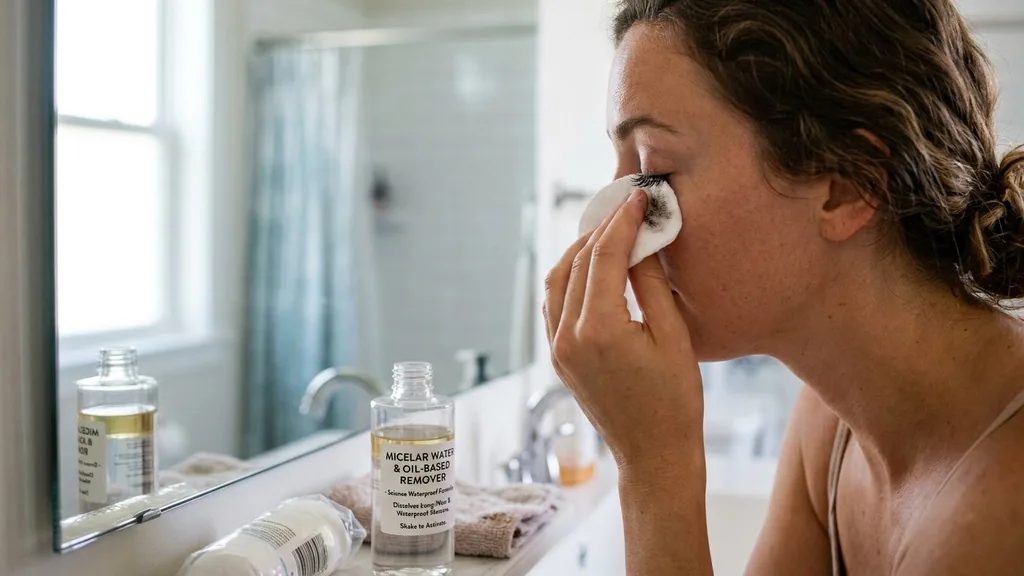
Removing stubborn, long-wear eye cosmetics can feel like a nightly chore, especially when you are trying to figure out how to take waterproof mascara off without pulling out your natural lashes. Because this type of makeup is designed to resist water, sweat, and humidity, it relies on specific polymers and waxes that do not dissolve with a standard splash of water or basic facial soap.
If you scrub too hard, you risk mechanical damage to the delicate skin around your eyes and breakage of the hair follicles themselves. Understanding the chemistry behind these products—and the right tools to break them down—is the secret to maintaining healthy, full-looking eyes while ensuring your nightly routine remains efficient and irritation-free.
The Science of Waterproof Formulas
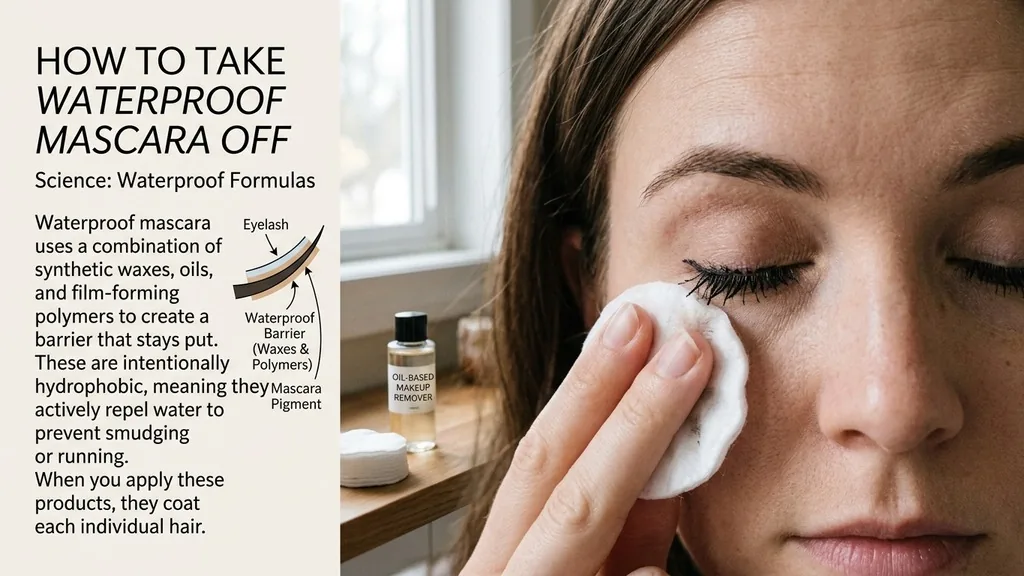
Waterproof mascara uses a combination of synthetic waxes, oils, and film-forming polymers to create a barrier that stays put. These ingredients are intentionally hydrophobic, meaning they actively repel water to prevent smudging or running. When you apply these products, they coat each individual hair with a flexible, plastic-like shield.
Because water is the primary solvent in most basic cleansers, it simply beads off the surface of the mascara, leaving the product intact. To effectively remove it, you must use a substance that can dissolve these specific waxes and oils. This is why standard soap often fails; it lacks the lipid-based solvent power required to break the molecular bonds of the waterproof film.
When you attempt to remove these formulas, you are essentially trying to reverse a chemical bond. If you use a harsh scrubbing motion, you are not just removing the pigment; you are physically scraping the coating off the hair shaft, which can weaken the lash structure. The most effective approach involves a “soak and dissolve” method.
By applying a solvent—usually an oil-based cleanser—and letting it sit for thirty to sixty seconds, you allow the cleanser to soften the polymers. Once the film has been compromised, the product will slide off gently with minimal friction. This process preserves the integrity of your lashes and protects the thin, sensitive skin around the orbital bone from premature stretching or irritation.
Choosing the Right Makeup Remover
Selecting the correct product is the first step in learning how to take waterproof mascara off properly. Not all removers are created equal, and the market is flooded with options ranging from heavy-duty liquids to sophisticated solid balms. For those who wear heavy eye makeup, an oil-based product is almost always superior to a water-based one.
Oil acts as a solvent for the synthetic waxes found in waterproof formulas, effectively lifting the pigment without requiring excessive rubbing. You should look for ingredients like mineral oil, jojoba oil, or squalane, which are generally gentle on the eye area while being highly effective at breaking down stubborn polymers.
If you have sensitive eyes or wear contact lenses, you should prioritize oil-based liquids that are specifically ophthalmologist-tested. Some people prefer dual-phase removers, which contain a layer of water and a layer of oil that must be shaken before use. This combination offers the best of both worlds: the water helps dissolve dirt and surface debris, while the oil tackles the persistent mascara.
Regardless of the product you choose, always check the label for potential irritants like heavy fragrances or alcohol, which can cause stinging or redness when applied near the lash line. Choosing a formula that matches your skin type ensures that you aren’t trading clean lashes for clogged pores or contact dermatitis.
The Efficacy of Cleansing Balms
Cleansing balms have become a staple in modern skincare routines because they provide a concentrated, mess-free way to remove waterproof makeup. Unlike liquid removers that might drip or require multiple cotton pads, a balm starts as a solid wax or butter that melts into a silky oil upon contact with your warm skin.
This texture is ideal for massaging directly into the lashes, allowing you to coat every side of the hair without the product running into your eyes. The mechanical action of your fingers, combined with the dissolving power of the balm, makes this one of the most efficient ways to remove long-wear products.
Using a balm also reduces the amount of waste generated from disposable cotton rounds. You simply scoop a small amount with your clean fingers, rub it over your closed eyelids, and watch as the mascara dissolves into a dark smear. After massaging, you add a small amount of warm water to emulsify the oil into a milky consistency, which rinses away clean without leaving a greasy residue behind.
This method is particularly beneficial for those with dry skin, as the emollients in the balm provide a layer of hydration during the cleansing process. It is a highly effective, sustainable, and gentle technique that prioritizes the health of your lash follicles.
Utilizing Micellar Water Correctly
Micellar water is a popular choice for those who prefer a lightweight, non-greasy feel, but it requires a specific technique to work on waterproof formulas. Micellar cleansing water contains tiny suspended oil molecules called micelles that act like magnets to lift away dirt and makeup.
However, standard micellar waters may not be strong enough for the most intense waterproof mascaras. If you use this method, you must look for a “waterproof” specific version of the product, which usually contains an extra boost of oil to handle the stubborn polymers.
To get the best results, you must avoid the urge to wipe immediately. Saturate a soft cotton pad with the solution and press it firmly against your closed eyelid for at least thirty seconds. This “soaking” period is critical.
It allows the micelles and the added oils to penetrate the layers of mascara, breaking the hold on your lashes. After the time is up, gently swipe downward toward the tips of your lashes—never back and forth, as this can cause tangles and breakage.
Repeat this as many times as necessary until the cotton pad comes away clean. If you find yourself scrubbing, you likely haven’t allowed the product enough time to do the heavy lifting.
Natural Alternatives and Their Limitations
Many people look for household solutions when they run out of specialized products, but you must exercise caution regarding what you apply to your eyes. Oils like coconut, olive, or almond oil are frequently cited as natural methods to remove waterproof mascara. While it is true that these lipids can dissolve waxes effectively, you must consider the comedogenic rating of the oil you choose.
Coconut oil, for instance, is highly comedogenic and can easily clog the small pores along your lash line, potentially leading to styes or milia. Furthermore, if the oil is not completely removed, it can leave a cloudy film over your vision that is difficult to rinse away.
If you choose to use a natural oil, ensure it is high-quality, food-grade, or cosmetic-grade, and always follow up with a gentle facial cleanser to remove the residue. A safer, more controlled alternative for most people is to stick to products formulated specifically for the eye area.
The American Academy of Ophthalmology provides safety guidelines on eye makeup, emphasizing that the skin around the eyes is the thinnest on the body and highly susceptible to irritation from non-formulated substances. While simple oils can work in a pinch, they lack the emulsifiers found in professional cleansers that allow the product to rinse away cleanly without leaving a film.
Common Mistakes That Cause Lash Damage
Even with the right product, your technique can significantly influence the health of your lashes. The most common error is aggressive rubbing. When you pull your lashes or drag your skin, you create micro-tears in the skin and place unnecessary tension on the hair root.
This can lead to premature lash shedding and thinned-out lash lines over time. Another mistake is using the wrong tool; some people use rough paper towels or abrasive washcloths, which can scratch the delicate surface of the cornea or cause inflammation of the eyelid margin, known as blepharitis.
Table 1: Comparison of Common Waterproof Removal Methods
| Method | Effectiveness | Best For | Residue Level |
|---|---|---|---|
| Cleansing Balm | High | Dry/Sensitive Skin | Low |
| Dual-Phase Liquid | High | Heavy Waterproof Makeup | Moderate |
| Micellar Water | Medium | Light Makeup/Oily Skin | Minimal |
| Natural Oils | Moderate | Emergency Situations | High |
Another oversight is failing to cleanse the roots. Many people remove the mascara from the mid-lengths and tips but leave a buildup of wax at the base of the lash line. This accumulation can block the oil glands in your eyelids, leading to discomfort or infections.
Always ensure you are gently massaging the very base of your lashes to clear away all remnants of the product. If you wear waterproof mascara daily, consider taking a break once or twice a week to allow your lashes to recover, as the constant application of heavy-duty polymers can leave them brittle.
Step-by-Step Routine for Safe Removal
To streamline your process, follow a consistent routine that prioritizes protection. Start by tying your hair back to keep it away from your face. If you have a full face of makeup, remove your foundation and blush first, leaving the eyes for last.
This prevents you from smearing dark mascara pigment across your entire face. Use a designated eye makeup remover or a gentle balm, applying it with clean, warm fingers. Close your eyes tightly to prevent the product from entering the tear duct.
- Apply a pea-sized amount of cleansing balm or a saturated cotton pad to the closed eyelid.
- Massage the product in circular motions for 30 seconds to dissolve the polymers.
- Let the product sit for an additional 30 seconds to break down the wax.
- Gently wipe the product off in a downward motion, moving from the lash base to the tips.
- Use a clean cotton swab dipped in remover to clean any remaining pigment between the lashes.
- Rinse the entire face with lukewarm water to remove all traces of oil and makeup.
- Follow up with a mild foaming cleanser to ensure the skin is completely clear.
This systematic approach ensures that you aren’t rushing the process. By breaking it down into distinct steps, you minimize the need for force and ensure every trace of the cosmetic is addressed.
If you notice any redness or irritation, switch to a more hypoallergenic formula immediately. Your eye health should always take priority over the longevity of your makeup.
Addressing Topical Gaps and Common Concerns
A frequent question involves why some mascara seems to resist even the best removers. This usually happens when the mascara has been layered too heavily or when it has had an entire day to set and harden against the hair shaft. If you find your mascara is particularly stubborn, try applying a warm, damp washcloth over your eyes for a minute before starting your routine.
The heat helps to soften the waxes, making them much easier to dissolve with your chosen cleanser. This is a simple trick that bridges the gap between “difficult to remove” and “effortless.”
Another concern is the presence of glitter or fibers within waterproof formulas. These additives can be abrasive and difficult to remove. If you use a mascara that contains fibers, avoid rubbing altogether.
Instead, use a soak-heavy method with an oil-based cleanser, as the oil will help lift the fibers away from the lash without them dragging across your skin. If you experience persistent dryness after removal, consider using a lash serum or a light eye cream after your routine. Replenishing the moisture in the skin and the lashes themselves will keep them flexible and less prone to breakage in the long run.
Frequently Asked Questions
- Does Vaseline effectively remove waterproof mascara? While petroleum jelly can dissolve the waxes in waterproof mascara, it is very thick and difficult to remove from the eye area. It can clog pores and lead to milia. It is generally better to use a dedicated makeup remover designed for the eyes.
- Why does my mascara still feel like it’s there after washing? You may be missing the roots of your lashes or not using an oil-based product. If you use water-based cleansers, the waterproof polymers will remain. Try a cleansing balm or a dual-phase remover to ensure the oils successfully break down the remaining mascara film.
- Is it bad to sleep in waterproof mascara? Yes, sleeping in any mascara is harmful. It can cause your lashes to become brittle and break throughout the night as you move. It also increases the risk of eye infections and irritation. Always remove your makeup completely before heading to bed to allow your skin to breathe.


