

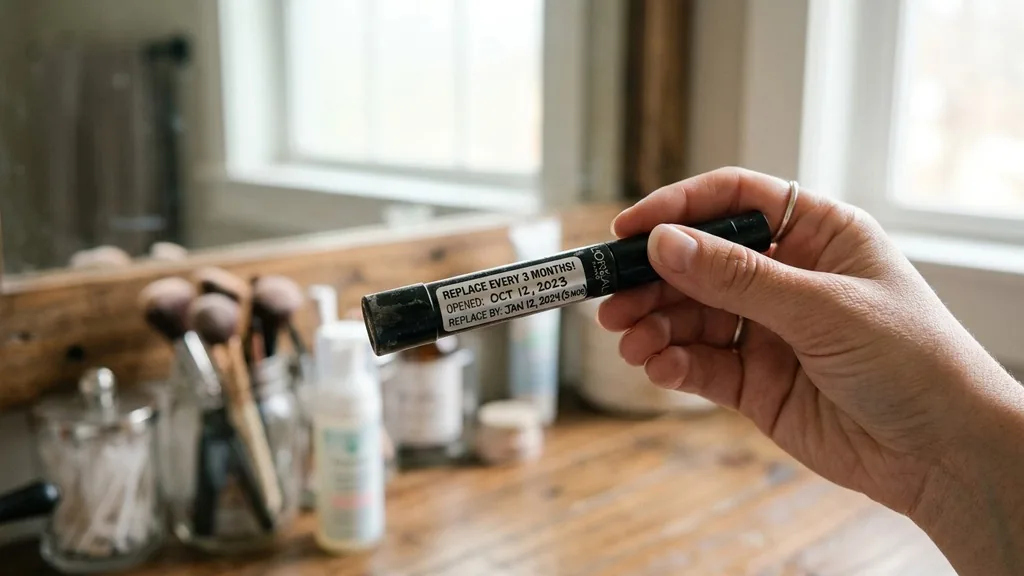
You probably have a tube of mascara rolling around in your makeup bag that you’ve been using for months, maybe even longer. While it might still seem to perform just fine, the reality of eye health is far more complex than how well the product coats your lashes. Understanding how often replace mascara is not just a matter of product performance; it is a critical practice for maintaining ocular hygiene and preventing potential health complications.
The Three-Month Rule for Mascara Safety
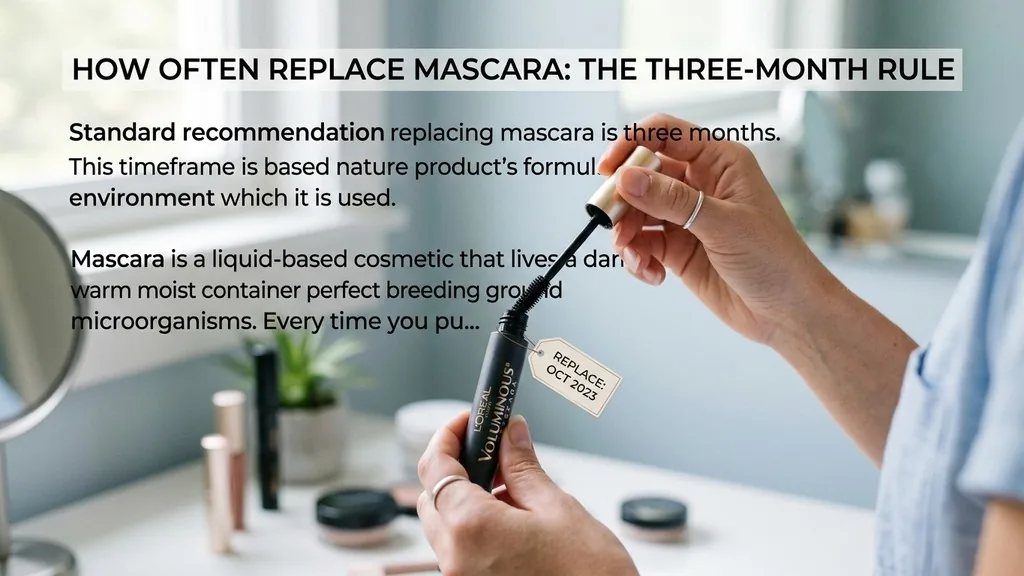
The standard recommendation for replacing mascara is three months. This timeframe is based on the nature of the product’s formula and the environment in which it is used.
Mascara is a liquid-based cosmetic that lives in a dark, warm, and moist container—the perfect breeding ground for microorganisms. Every time you pull the wand out and push it back in, you are introducing air and potential contaminants into the tube.
Once you break the seal on a brand-new tube, the clock starts ticking. Preservatives within the formula are designed to keep the product stable for a specific duration, but they are not infinite. After about 90 days, the effectiveness of these preservatives wanes significantly.
Continuing to use the product beyond this window increases the concentration of bacteria that accumulate inside the container. If you notice your mascara starting to smell slightly different, becoming clumpy, or drying out prematurely, these are red flags that the formula has likely been compromised by microbial growth.
Why Bacteria Love Your Mascara Tube
Your eyes are incredibly sensitive, and they have their own natural ecosystem. When you introduce foreign substances like old makeup, you risk disrupting that balance.
The primary issue with keeping mascara too long is the accumulation of bacteria and fungi that thrive in the nutrient-rich, damp environment of the wand and the liquid inside. Even if you don’t see anything visible, these microscopic organisms can colonize the product over time.
These organisms are often transferred from your skin or the air onto the wand, and then pushed deep into the tube with every application. Once inside, they multiply. Using this contaminated product creates a direct pathway for these pathogens to enter the delicate mucosal lining of your eyes.
This is why experts consistently emphasize that regular replacement is the most effective way to minimize the risk of irritation, inflammation, or more severe eye infections. It is a simple habit that serves as your first line of defense against preventable ocular health issues.
Signs Your Mascara Needs to Be Discarded Early
While the three-month guideline is the gold standard, there are instances where you must toss your mascara much sooner. If you have recently experienced a stye, pink eye, or any other type of eye irritation, you should immediately stop using your current makeup. Any product that came into contact with an infected eye is considered contaminated and should be thrown away instantly, even if you just opened it yesterday.
Beyond infections, look for changes in the physical properties of the product. If the texture changes—becoming stringy, overly thick, or developing a strange odor—this indicates that the chemical stabilizers have failed.
If you find yourself adding water or oil to “revive” a dried-out tube, you are effectively diluting the preservatives, which makes it even easier for pathogens to flourish. Always prioritize your vision over saving a few dollars; a new tube of mascara is significantly cheaper than a visit to an optometrist for a prescription-strength treatment for a bacterial infection.
Comparing Replacement Schedules for Eye Makeup
It is important to understand that not all makeup products have the same lifespan. While mascara has one of the shortest life cycles due to its liquid composition and direct contact with the eye, other products can last longer. However, consistency is key when managing your entire beauty routine to ensure you aren’t harboring old, expired products that could cause cross-contamination.
| Product Type | Recommended Replacement Interval |
|---|---|
| Liquid Eyeliner | 3 Months |
| Mascara | 3 Months |
| Cream Eyeshadow | 6 Months |
| Powder Eyeshadow | 1 to 2 Years |
| Makeup Brushes | When bristles fray or shed |
As shown in the table above, liquid-based eye products generally share the same three-month window. This is because they all face the same challenges regarding moisture and contamination.
Powders, on the other hand, are much less hospitable to bacterial growth because they lack the water content that pathogens need to survive. Keeping track of when you opened each product can be difficult, so many people find it helpful to write the date on the bottom of the tube with a permanent marker.
Best Practices for Daily Application
How you handle your makeup tools on a daily basis matters just as much as how often you replace the product. Many people unknowingly shorten the lifespan of their mascara by engaging in habits that invite contamination.
For example, “pumping” the wand in and out of the tube is a common mistake. This action forces air into the tube, which accelerates the oxidation of the formula and encourages the growth of unwanted microbes.
Instead of pumping, gently swirl the wand inside the tube to pick up the product. Furthermore, never share your mascara with friends or family. Even if you trust their hygiene, everyone carries different bacteria on their skin and eyelashes.
Sharing makeup is the fastest way to transmit an infection from one person to another. By keeping your routine strictly personal and avoiding bad habits like pumping the wand, you can ensure that your mascara remains as safe as possible for the full duration of its intended life.
The Role of Preservatives in Cosmetic Formulas
The formula of your mascara is a complex blend of pigments, waxes, polymers, and preservatives. Manufacturers invest heavily in research to ensure these products remain shelf-stable before purchase.
However, once the seal is broken, the product is exposed to the environment, and the preservatives begin their work of fighting off the inevitable influx of contaminants. It is a losing battle over time, which is why the three-month limit exists.
Some natural or organic makeup brands may have shorter shelf lives because they use fewer or gentler synthetic preservatives. If you prefer “clean” beauty products, check the packaging for a small symbol that looks like an open jar with a number inside—this is the “Period After Opening” (PAO) symbol.
It tells you exactly how many months the manufacturer guarantees the product will remain stable. If you ignore these guidelines, you are essentially gambling with the health of your eyes, as the protective barrier of the formula will have long since failed.
Addressing Common Misconceptions and Gaps
There is a persistent myth that if mascara doesn’t smell bad or look clumpy, it is still safe to use. This is dangerously inaccurate.
Many types of harmful bacteria do not produce a visible or olfactory change in the product until they have reached an advanced stage of colonization. You might be applying a contaminated product to your lashes every single day without realizing it, as the changes are often microscopic.
Another gap in common knowledge is the idea that “waterproof” mascara lasts longer. While waterproof formulas may resist smudging better, they do not have a longer shelf life than standard formulas. The same rules for hygiene and replacement apply.
Furthermore, people often ask if they should replace mascara if they rarely use it. The answer is still yes.
The clock starts the moment you open the tube, not based on how many times it touches your lashes. If you only wear makeup once a month, you should still discard the tube after three months because the environment inside has been compromised by the initial opening.
Professional Insights on Ocular Health
According to the American Academy of Ophthalmology, maintaining strict hygiene with your beauty products is essential for preventing ocular complications. When you consider that your eyes are one of the most sensitive parts of your body, the effort required to track your makeup expiration dates seems quite minor. Doctors frequently see patients suffering from chronic blepharitis or severe conjunctivitis that can be traced back to poor makeup habits.
It is not just about the mascara itself, but the entire environment around your eyes. If you are diligent about replacing your mascara every three months, you are significantly reducing the likelihood of these issues. Think of your mascara as a perishable food item rather than a permanent piece of jewelry.
When you start viewing your beauty products with this level of caution, it becomes much easier to justify the cost of replacing them regularly. Your vision is irreplaceable, and taking these small, consistent steps is the best way to protect it for the long term.
Frequently Asked Questions
- Does mascara on lower lashes age you? Applying heavy mascara to lower lashes can draw attention to fine lines or dark circles under the eyes. While it doesn’t physically age you, the visual effect can make the area look more tired or emphasize signs of aging. Use a light touch for a more youthful appearance.
- When should you throw out your mascara? You should replace your mascara every three months after opening. If you notice a change in smell, texture, or if you develop an eye infection, you must discard the tube immediately, regardless of how long you have been using it. Never keep it for a full year.
- How long does the average mascara last with daily use? Even with daily use, a standard tube of mascara typically lasts about three months before the formula degrades and the risk of bacterial contamination becomes too high. If it dries out before the three-month mark, do not add water; simply replace the product to ensure safety.
- Can I use an old mascara if it still looks fine? No, you should not use mascara beyond its recommended lifespan even if it appears normal. Bacteria are microscopic and can contaminate the product without changing its appearance or smell. Using expired makeup significantly increases your risk of developing painful and potentially damaging eye infections.


