

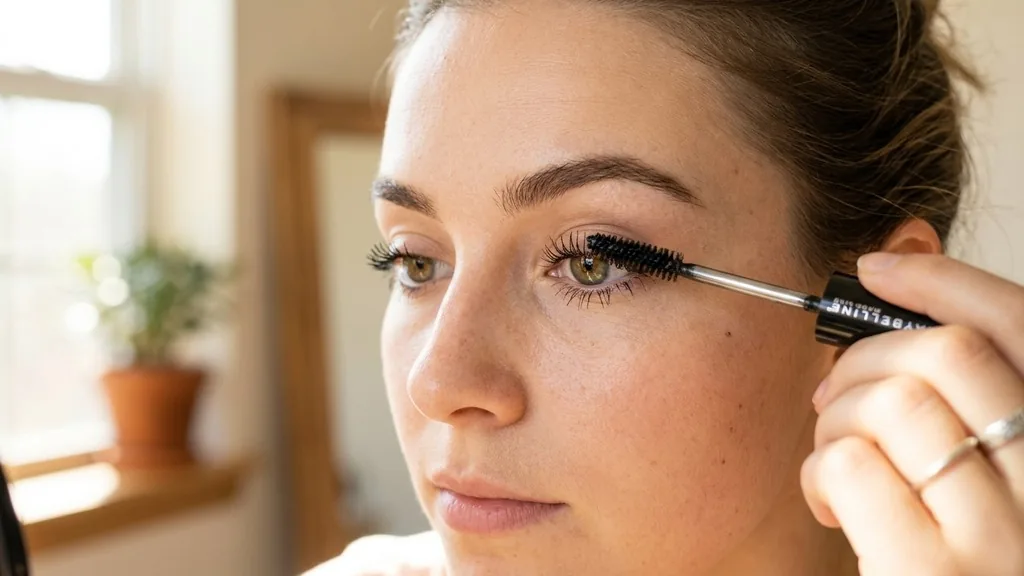
When deciding whether is tubing mascara better for your daily routine, it is essential to move beyond the marketing hype and examine the actual chemistry of how these products interact with your lashes. While traditional makeup often relies on waxes and oils to create pigment and volume, tubing mascaras utilize unique polymer technology that physically wraps each individual hair in a water-resistant sleeve.
This fundamental difference in construction changes everything from how the product sits on your face during the day to the specific techniques required for safe removal. For many people struggling with smudging, raccoon eyes, or the persistent irritation caused by oil-based makeup removers, this shift to tube-based technology represents a significant upgrade in both performance and lash health.
The Chemical Difference: How Tubing Mascara Works
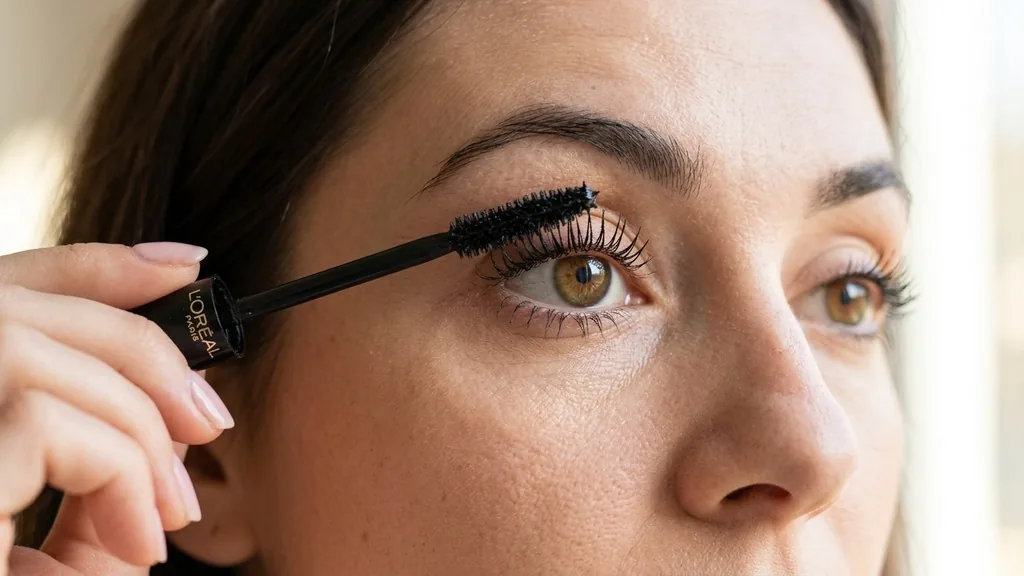
To understand why so many enthusiasts claim tubing mascara is superior to regular mascara, one must first look at the structural composition of the product. Standard formulas are essentially a mixture of pigments, waxes, and oils. These ingredients are designed to coat the hair, but they do not set into a rigid structure.
Because they remain somewhat pliable and oil-soluble, they often migrate throughout the day when exposed to the natural oils secreted by your skin or the moisture in the air. This migration is the primary cause of the dreaded “smudging” effect that occurs under the lower lash line.
In contrast, tubing mascaras use advanced, long-chain polymers that harden into actual physical structures—or “tubes“—around each lash. When you apply the product, these polymers settle and shrink-wrap the hair. Because they are not wax-based, they are inherently resistant to oils and sebum.
This is a critical distinction; whereas traditional formulas break down when they come into contact with the natural oils around your eyes, tubing formulas stay completely inert. They do not smear, transfer, or flake, regardless of how long you wear them. This durability makes them a favorite for individuals with oily eyelids or those who live in humid climates where standard cosmetics tend to fail.
Furthermore, the mechanical process of application is different. Because the formula forms a sheath, you are essentially building an extension rather than just staining the hair with pigment.
This often results in a cleaner, more defined look that separates each lash effectively. If you are someone who values a natural, “fanned out” aesthetic over the heavy, clumpy volume associated with thick wax-based formulas, the structural integrity of a tubing product is likely to align more closely with your personal beauty goals.
Assessing the Removal Process: Why Warm Water Wins
One of the most frequently cited benefits of using tubing technology is the ease of removal. While mascara regular formulas often require aggressive rubbing, cotton pads, and harsh oil-based makeup removers to dissolve wax, tubing formulas are designed to slide off cleanly with nothing more than warm water and gentle pressure. This is not just a convenience factor; it is a major health advantage for the delicate skin around the eye area.
The physical act of scrubbing the eyelid to remove waterproof or high-pigment waxes is a leading cause of premature wrinkles and lash breakage. By choosing a formula that releases with water, you remove the need for friction.
When you wash your face, the water temperature combined with the gentle tension of your fingertips causes the polymer tubes to lose their grip and slide off the lash intact. You will often see what look like tiny black fibers in your sink; these are the “tubes” themselves.
Because you are not using solvents or oils to break down the makeup, you are far less likely to leave residue behind in the lash follicles. Clogged follicles can lead to styes, inflammation, and even stunted growth over time.
By ensuring a clean, residue-free lash line every single night, you are effectively prioritizing the long-term health of your lashes over the temporary aesthetic gain of a heavier, more difficult-to-remove product. For a deeper look at the importance of eye hygiene, you can visit the American Academy of Ophthalmology to learn more about keeping your eyelids clean and free from debris.
Comparing Performance: Tubing vs. Traditional Formulas
When evaluating if is tubing mascara better in a practical, real-world context, it helps to break down the performance metrics side-by-side. While tubing technology excels in longevity and removal, it does have specific limitations that users should be aware of. The following table provides a direct comparison of the two categories to help you determine which fits your lifestyle.
| Feature | Tubing Mascara | Regular Mascara |
|---|---|---|
| Longevity | High (Resists oils and sweat) | Moderate (Prone to smudging) |
| Removal | Easy (Warm water only) | Difficult (Requires oil cleanser) |
| Volume | Natural, defined, length-focused | Dramatic, thick, volume-focused |
| Sensitivity | Generally low irritation | High (Due to fragrance/wax) |
| Flaking | Minimal | Common as formula dries |
As demonstrated in the table, the choice depends heavily on your desired result. If you are chasing the “false lash” effect with massive, heavy volume, you might find that tubing formulas feel too thin or “wispy.”
Because the formula must be thin enough to form a cohesive tube, it cannot pack on the same amount of physical mass as a thick, wax-based formula. However, if your primary concern is preventing the “panda eye” effect or minimizing irritation, the trade-off is almost always worth it.
Addressing Topical Gaps: Why Some People Still Struggle
A common complaint among those who have tried tubing products is that they do not seem to work as advertised. This usually stems from a misunderstanding of how the application process differs from standard products.
Because tubing mascaras rely on polymer adhesion, they perform best when applied to clean, oil-free lashes. If you have residual eye cream or facial oil on your lashes, the tubes may struggle to grip the hair, leading to clumping or premature flaking.
Another common gap in knowledge is the “wait time.” Because these formulas are liquid-heavy, they need a few seconds to set.
If you blink aggressively or apply a second coat too quickly, you might disrupt the tube formation process. The best technique involves applying a thin layer, waiting thirty seconds, and then applying a second coat only if necessary.
Furthermore, some users report that tubing formulas appear to “run” if they cry. While these formulas are water-resistant against humidity and sweat, they are specifically designed to dissolve in warm, flowing water. If you are attending an event where you expect to be crying heavily, or if you are swimming in a pool, the mechanism that makes the product easy to remove—dissolving in water—can work against you.
It is important to distinguish between “waterproof” (which is oil-based and hard to remove) and “water-resistant” (which is what tubing formulas are). They are not intended to be “cry-proof” in the same way that heavy, solvent-based waterproof mascaras are.
Lash Health and Sensitive Eyes
For individuals with sensitive eyes or those who wear contact lenses, the question of is tubing mascara better is often answered by the reduced risk of irritation. Traditional formulas contain a high concentration of waxes, pigments, and preservatives that can flake into the eye throughout the day. These microscopic particles can cause significant discomfort, redness, and even corneal abrasions for contact lens wearers.
Because tubing formulas are effectively “locked” onto the lash, they do not flake. This is a massive improvement for anyone who experiences gritty, irritated eyes by the end of the day. Additionally, because they are removed with water, you avoid the need for chemical-heavy makeup removers that contain fragrances, alcohols, or surfactants, all of which are common culprits for contact dermatitis and eyelid inflammation.
When you use tubing mascaras, you are essentially creating a protective barrier between your lash hair and the environment. This can be particularly beneficial for those with brittle or damaged lashes, as the polymer coating acts as a mild shield against environmental pollutants and friction. While they are not a “treatment” for lash growth, they are undoubtedly one of the safest options for daily wear, especially for those who need to prioritize eye comfort above all else.
Environmental and Lifestyle Considerations
When we consider the long-term impact of our beauty choices, tubing mascaras often present a more sustainable path. Because you do not need to purchase separate, chemical-laden makeup removers or disposable cotton rounds to get the product off, you are reducing your overall waste. The simplicity of using only warm water means your skincare routine becomes more streamlined and less reliant on single-use products that contribute to landfill waste.
From a lifestyle perspective, this makes them the perfect choice for busy professionals, travelers, or anyone who values efficiency. Being able to remove your makeup in the shower with a simple splash of water saves time and energy. It eliminates the frustration of waking up with “yesterday’s” makeup still lingering in your lash line.
Moreover, the versatility of these products is often underestimated. Because they are so lightweight, they are perfect for layering.
You can start with a natural look for the office and build it up for an evening out, all without the risk of the product becoming heavy, crunchy, or prone to flaking. When you weigh all these factors—the ease of removal, the health of the eye, the lack of smudging, and the efficiency of the routine—it becomes clear why so many beauty experts consider the transition to tubing formulas to be a significant upgrade for the average consumer.
Frequently Asked Questions
Is tubing mascara actually waterproof?
No, tubing mascara is water-resistant, not waterproof. It is designed to withstand sweat, humidity, and tears, but it will dissolve when exposed to warm water and gentle friction. This makes it a great everyday choice, but it may not hold up during heavy swimming or intense crying.
Is tubing mascara healthier for my eyelashes?
Yes, it is generally considered healthier because it eliminates the need for harsh makeup removers and aggressive scrubbing. By avoiding friction during the removal process, you significantly reduce the risk of lash breakage and irritation, keeping your lash follicles clean and free from heavy, pore-clogging waxes.
Does tubing mascara smudge on oily skin?
One of the primary advantages of tubing mascara is its resistance to oil. Unlike traditional wax-based formulas, which break down when they come into contact with natural skin sebum, the polymer tubes remain intact. This makes them an excellent solution for people with oily eyelids who struggle with smudging.
Can I layer tubing mascara with other products?
It is generally not recommended to layer tubing mascara over traditional mascara, as the polymers need to grip the clean surface of the lash to form their tubes. If you apply it over a thick, waxy formula, the tubes will not set correctly, leading to clumping, flaking, and poor performance.


