

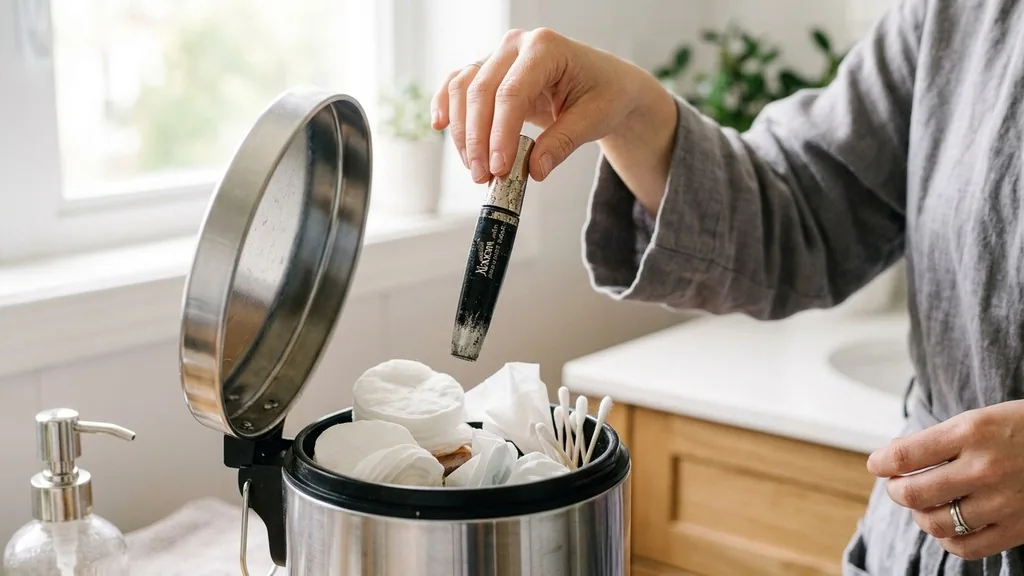
Maintaining eye health is often overlooked in the pursuit of beauty, yet the tools we use daily require strict adherence to hygiene standards. Many beauty enthusiasts find themselves wondering exactly how long to keep mascara before it becomes a liability rather than an asset. The short answer is that most dermatologists and makeup professionals recommend replacing your mascara every three months.
Beyond this window, the integrity of the formula begins to degrade, and the risk of contamination increases significantly. Because the eye is an incredibly sensitive organ, any introduction of foreign pathogens can lead to irritation, infection, or more serious ocular health issues.
When you open a brand new tube of mascara, you introduce air, moisture, and potential contaminants into the container. Every time you pull the wand out to apply the product and push it back in, you are essentially pumping oxygen and microscopic debris into a dark, damp environment. This environment acts as a perfect incubator for bacteria.
While modern cosmetics are formulated with preservatives to prevent microbial growth, these chemical agents have a finite lifespan. Once that protection wears off, your makeup bag can quickly become a breeding ground for microorganisms that you certainly do not want near your delicate lash line.
The Three-Month Rule and Why It Matters
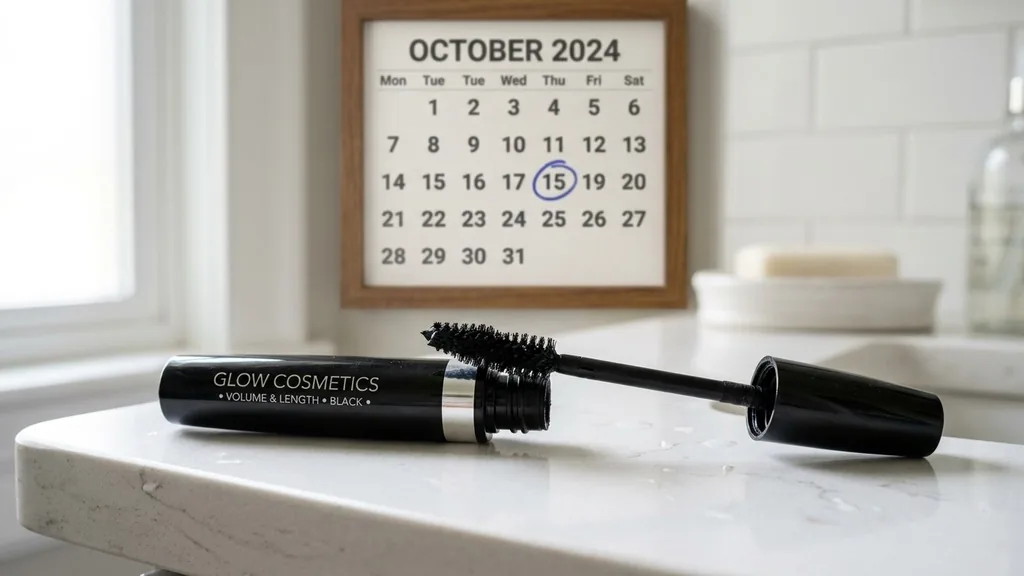
The industry standard for replacing mascara is widely accepted as three months. While it might feel wasteful to toss a tube that still seems to have plenty of liquid inside, the physical safety of your vision must take precedence over cost-effectiveness.
The primary concern is not necessarily the quality of the pigment, but the stability of the preservative system within the formula. Preservatives are designed to keep the product sterile for a specific duration, typically calculated from the moment the seal is first broken.
Once you open the packaging, you break the sterile environment established at the factory. Over the course of twelve weeks, the repeated action of the wand moving in and out of the tube introduces skin cells, dust, and environmental bacteria into the mix.
These contaminants feed on the ingredients in the mascara, potentially leading to bacterial buildup that is invisible to the naked eye. Even if the mascara still applies smoothly, the chemical composition may have shifted, making it less effective at resisting microbial colonization.
Furthermore, the consistency of the liquid changes over time. As you expose it to air, the solvents evaporate, leading to a thicker, clumpy texture. Many users attempt to revive this old product by adding water or eye drops, but this is a dangerous practice.
Adding external liquids creates an even more hospitable environment for germs, effectively diluting the preservatives and accelerating the rate at which the product spoils. If you notice your mascara flaking, clumping, or emitting a strange odor, it is time to discard it immediately, regardless of how many months have passed since your purchase.
Signs Your Mascara Has Expired
Identifying whether a product is past its prime can sometimes be difficult if you do not track your purchases. While the three-month rule is a reliable guideline, some products may turn sooner due to improper storage or environmental factors. It is essential to develop a sensory awareness of your beauty products to spot when they are no longer safe for use.
One of the most obvious indicators is a change in scent. Fresh mascara usually has a mild, chemical, or neutral smell. If you notice an off-putting, sharp, or vinegary odor, this is a clear red flag that the product has degraded.
This smell is often a byproduct of bacterial metabolism or the breakdown of the chemical stabilizers. Additionally, observe the texture on your lashes. If the mascara starts to apply unevenly, creates spider-like clumps, or leaves significant flakes under your eyes throughout the day, the formula has likely dried out or lost its structural integrity.
Another subtle sign is a change in the product’s performance. If you find that your mascara is causing more irritation than usual—such as redness, itching, or a gritty feeling—it could be a sign that the ingredients have oxidized or that microbial levels have risen to a point where they are irritating the sensitive skin of your eyelid. According to the U.S.
Food and Drug Administration, consumers should be vigilant about the shelf life of their beauty items to prevent adverse reactions. If you experience any persistent discomfort, stop using the product immediately and consider replacing your entire eye makeup routine to avoid cross-contamination.
The Dangers of Microbial Contamination
The human eye is remarkably adept at protecting itself, but it is not invincible. When we apply makeup, we are applying substances directly onto the eyelashes, which are in constant proximity to the conjunctiva and the cornea. If a mascara tube is contaminated with pathogens like Staphylococcus aureus or Pseudomonas aeruginosa, the risks range from mild discomfort to vision-threatening conditions.
Bacterial infections are the most common consequence of using old eye makeup. Symptoms often include swelling, redness, discharge, and a feeling of having a foreign object stuck in the eye.
While these infections can often be treated with antibiotic drops, they are entirely preventable. By adhering to a strict replacement schedule, you eliminate the risk of introducing these harmful agents into your ocular environment.
It is also worth noting that sharing makeup is one of the fastest ways to transmit bacteria. Even if your mascara is relatively new, if you share it with a friend, you are introducing a completely new microbiome into your tube.
Everyone has different bacterial flora on their skin, and what is harmless on one person’s lashes might cause an infection in another. To maintain the highest level of hygiene, always keep your mascara for your personal use only and never allow it to be tested or borrowed by others.
Proper Storage to Extend Product Life
While you cannot indefinitely extend the life of your mascara, proper storage can prevent premature degradation. Many people keep their makeup in the bathroom, which is arguably the worst environment for cosmetics.
Bathrooms are typically high-humidity areas with fluctuating temperatures. This moisture can seep into the tube and encourage the growth of mold and bacteria.
Instead, store your mascara in a cool, dry place away from direct sunlight. A vanity drawer or a bedroom makeup organizer is much better than a bathroom cabinet. Excessive heat can break down the chemical bonds in the formula, causing the mascara to separate or become gummy.
Furthermore, always ensure the cap is screwed on tightly after every application. Leaving the tube even slightly open allows air to enter, which dries out the product and invites contaminants.
If you are a frequent traveler, consider keeping a travel-sized mascara in your bag. These smaller tubes are often used up faster, which aligns perfectly with the three-month replacement cycle.
Because they hold less product, you are less likely to be holding onto an old, half-used tube for six months or more. Below is a summary of best practices for maintaining the safety of your eye makeup:
- Always replace your mascara every 3 months, even if it is not empty.
- Never share your mascara with friends or family members.
- Avoid pumping the wand in and out of the tube, as this pushes air and bacteria inside.
- Store your makeup in a cool, dry place, avoiding the humid environment of a bathroom.
- Remove all eye makeup thoroughly every night before going to sleep.
- If you develop an eye infection, discard all eye makeup used recently to prevent reinfection.
Comparing Shelf Life Across Makeup Categories
It is a common misconception that all makeup products have the same expiration timeline. While mascara is one of the most short-lived products due to its liquid, water-based nature, other items can last significantly longer. Understanding these differences helps you organize your vanity and know exactly when to purge old items.
The following table outlines the general recommended lifespan for common eye and face makeup products. Notice how liquid-based formulas generally require more frequent replacement than powder-based ones.
| Makeup Category | Recommended Replacement Time |
|---|---|
| Mascara | 3 Months |
| Liquid Eyeliner | 3–6 Months |
| Cream Eyeshadow | 6 Months |
| Powder Eyeshadow | 1–2 Years |
| Foundation (Liquid) | 6–12 Months |
| Lipstick | 1–2 Years |
As shown in the table, the low moisture content in powder eyeshadows makes them much more resistant to bacterial growth, allowing them to last for up to two years. Conversely, the water-based nature of mascara makes it the most vulnerable item in your makeup collection. Recognizing these differences is key to maintaining a safe beauty routine.
If you are unsure when you purchased a specific item, a good rule of thumb is to label your products with a small piece of tape or a permanent marker indicating the date you first opened them. This takes the guesswork out of the process and ensures you are never using an expired product.
Addressing Topical Gaps: Myths and Reality
There is a significant amount of misinformation circulating on social media regarding how to “save” or “refresh” old makeup. One common myth is that adding saline solution or contact lens cleaner to a dry mascara tube makes it safe to use for longer. This is categorically false.
While it may temporarily improve the texture, it does nothing to address the bacterial load that has already accumulated in the tube. In fact, adding these solutions can further dilute the preservative system, making the product even more susceptible to contamination.
Another common question involves whether it is acceptable to use mascara beyond the three-month mark if it still looks and smells fine. While it is true that some people may not experience an immediate reaction after four or five months, you are playing a game of chance. The accumulation of bacteria is progressive; it does not reach a “danger threshold” at exactly 90 days.
However, the three-month window is the point at which the risk-to-benefit ratio shifts significantly. The potential for a painful eye infection or a disruption to your vision far outweighs the minor cost of replacing a tube of mascara.
Finally, there is the question of whether “natural” or “organic” mascaras last longer or shorter than traditional ones. Often, these products use fewer synthetic preservatives, which means they may actually have a shorter shelf life than their conventional counterparts. If you opt for clean beauty products, be even more diligent about tracking your usage.
These formulas are often more prone to microbial growth because they lack the robust chemical stabilizers found in mainstream brands. Always check the packaging for a “period after opening” (PAO) symbol, which looks like a small open jar with a number inside (e.g., 3M, 6M), as this is the manufacturer’s specific guidance for that particular product.
Frequently Asked Questions
Can I use year-old mascara if it hasn’t been opened?
If the mascara remains sealed in its original, airtight packaging, it can generally be kept until the manufacturer’s expiration date, which is typically two to three years from the production date. However, once the seal is broken, the three-month countdown begins immediately.
What happens if I accidentally use expired mascara?
Using expired mascara increases the risk of eye irritation, redness, and bacterial infections like conjunctivitis (pink eye). While you may not always have a reaction, the product’s preservatives are likely no longer effective, leaving your eyes vulnerable to pathogens that thrive in old cosmetic formulas.
How can I tell if my mascara is expired without an opening date?
If you did not track the date, look for physical changes. A sharp, chemical, or vinegary smell, a thick or clumpy texture that resists smooth application, or flaking under the eyes are all clear signs that the product has degraded and should be thrown away.
Should I throw away my mascara if I get an eye infection?
Yes, you must discard all eye makeup, including mascara, eyeliner, and eyeshadow, that you were using at the time of the infection. Continuing to use these products can lead to reinfection, as the bacteria that caused the issue may be living inside your makeup containers.


