

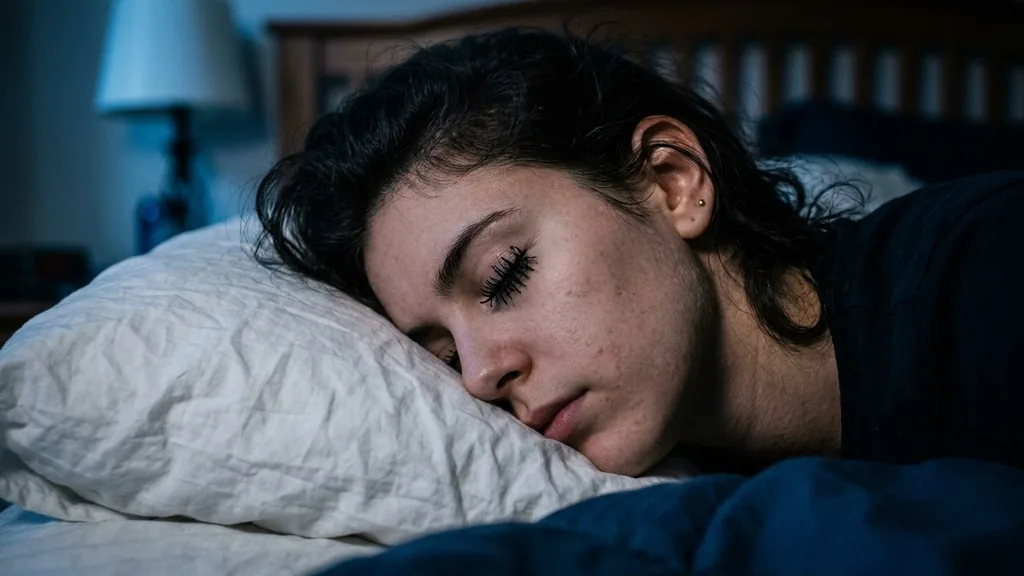
Falling into bed after a long day without washing your face is a temptation many have faced, but the habit of sleeping with mascara on can have significant consequences for your ocular health and skin integrity. While it might seem like a harmless shortcut when you are exhausted, leaving cosmetic products on your lashes overnight initiates a chain reaction of physical and chemical stresses that your delicate eye area is not equipped to handle. Understanding why this common beauty mistake is discouraged requires a look at how eye makeup interacts with the sensitive skin around your eyes and the follicles of your lashes themselves.
The Biological Impact of Leaving Mascara Overnight
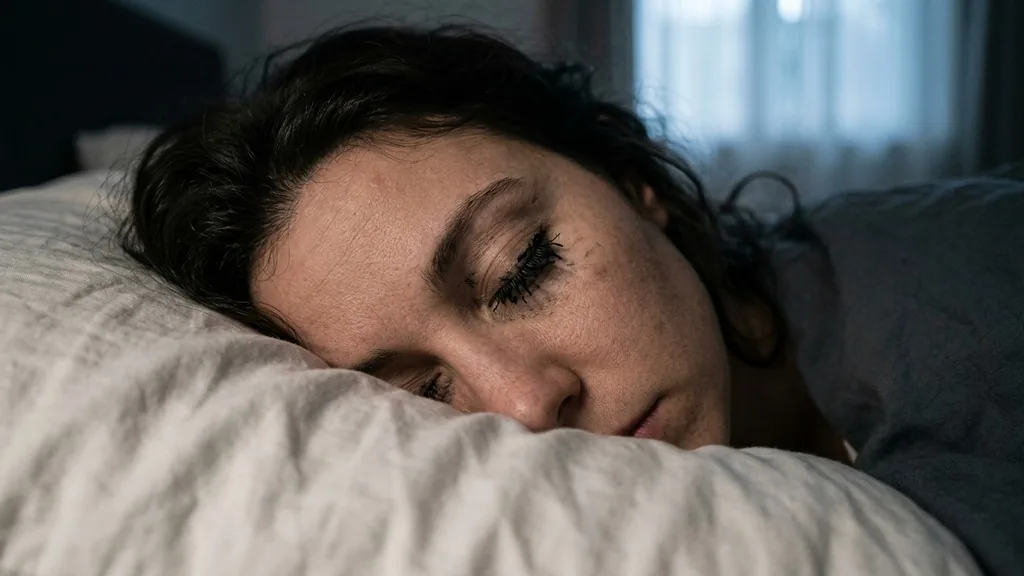
When you leave mascara on while sleeping, you are effectively trapping debris, bacteria, and environmental pollutants against your lash line for six to eight hours. Mascara formulas are designed to adhere to the hair shaft, often using waxes, pigments, and polymers that become rigid once dry.
When you lie down, the mechanical friction between your lashes and your pillowcase causes these hardened fibers to rub against your eyelids and the surface of your eye. This friction is not merely an annoyance; it can lead to physical trauma to the lash follicles, which are remarkably sensitive.
Furthermore, the skin surrounding your eyes is the thinnest on the human body. By failing to remove mascara, you are preventing this area from undergoing its natural nocturnal repair process. During sleep, your skin cells increase their rate of turnover and repair damage sustained during the day.
When pores are clogged by residual makeup, this process is stifled. Over time, this can lead to a dull complexion, premature fine lines, and the formation of milia—small, white keratin-filled cysts that develop when the skin cannot shed dead cells properly due to occlusion.
The eyes themselves are also at risk. The residue from mascara can flake off during the night, entering the tear film.
Because the eyes are highly vascularized and sensitive to foreign bodies, these tiny particles of pigment and wax can cause persistent irritation, redness, and even chemical conjunctivitis. If you wear contact lenses, the stakes are significantly higher, as particles can become trapped between the lens and the cornea, potentially causing painful abrasions.
How Mascara Affects Eyelash Health and Growth
The long-term impact on the longevity and density of your eyelashes is perhaps the most visible consequence of poor makeup hygiene. Eyelashes are hair, and like any other hair on your body, they require a clean environment to remain healthy. Mascara makes lashes stiff and brittle; when they are in this state, they become prone to breakage.
Every time you toss and turn on your pillow, stiffened lashes are subjected to bending forces. If they are already weighed down by dried product, they are far more likely to snap off near the base or mid-shaft.
This breakage creates a feedback loop: you see thinner lashes, so you apply more mascara to compensate, which in turn leads to more damage. Beyond breakage, there is the risk of follicle blockage. The base of each eyelash sits in a follicle that produces natural oils to keep the lash supple.
When these follicles are sealed off by layers of old, dried mascara, the natural oil flow is obstructed. This can lead to styes—painful, red bumps that form when an oil gland becomes infected or blocked.
Regularly failing to remove makeup can also result in a condition called trichiasis, where eyelashes grow inward toward the eye. While this is often genetic or age-related, chronic inflammation of the eyelid margin (blepharitis) caused by poor hygiene can exacerbate the misalignment of lash growth. To maintain the density and health of your natural lashes, you must ensure they are clean and flexible before you head to bed, allowing them to rest and retain their natural moisture.
The Link Between Sleeping Makeup and Eye Irritations
The relationship between sleeping makeup and eye irritation is well-documented by medical professionals. The American Academy of Ophthalmology emphasizes that eye makeup should be removed every single night to prevent the buildup of bacteria that thrives in cosmetic products.
Mascara, in particular, is a magnet for microorganisms because the wand is repeatedly inserted into the tube, introducing bacteria from your skin back into the product. Once the preservative system in the mascara begins to degrade—usually within three months of opening—the bacterial load increases significantly.
When you leave this contaminated product on your eyes overnight, you are providing the perfect environment for these microbes to colonize. The warm, moist environment of the eye area is ideal for bacterial growth.
This can manifest as:
- Blepharitis: Inflammation of the eyelids characterized by red, swollen, and itchy lash lines.
- Conjunctivitis: Often referred to as “pink eye,” this is an inflammation of the clear membrane lining the eyelid and eye surface.
- Meibomian Gland Dysfunction: When the oil-producing glands in your eyelids become clogged, leading to dry eyes and discomfort.
- Contact Dermatitis: Allergic reactions to ingredients like parabens or fragrances found in many standard mascaras.
Ignoring these symptoms can lead to chronic conditions that may require prescription antibiotics or steroid drops to clear. The convenience of saving a few minutes of time at night is rarely worth the discomfort and potential medical costs associated with these infections.
Comparing Different Types of Mascara and Their Nightly Risks
Not all mascaras behave the same way when left on overnight. Some formulas are more damaging than others, though none are recommended for sleep. Understanding the differences in formulation can help you make better decisions, especially if you occasionally find yourself in a situation where you cannot perform your full skincare routine.
| Mascara Type | Nightly Risk Level | Primary Concern |
|---|---|---|
| Waterproof Mascara | Very High | Extremely difficult to remove; causes severe lash breakage. |
| Volumizing/Fiber Mascara | High | Fibers can easily flake off and enter the eye during sleep. |
| Tubing Mascara | Moderate | Easier to remove with warm water, but still clogs follicles. |
| Natural/Organic Mascara | Moderate | Often lacks preservatives, making them prone to bacterial growth. |
Waterproof formulas are particularly hazardous because they contain high concentrations of waxes and synthetic polymers that repel water. These ingredients are intentionally difficult to break down, meaning they stay locked onto your lashes even through sweat or tears.
Attempting to scrub them off in the morning is often more damaging than the initial act of leaving them on, as the friction required to remove them can pull out lashes by the root. Tubing mascaras, while safer in terms of removal, still create a physical layer over the lash that prevents it from “breathing,” which can inhibit the natural shedding cycle of the lashes.
Establishing a Nightly Routine for Eye Health
If you find yourself frequently skipping your makeup removal routine, it is likely because the process feels too laborious or you are simply too tired. The solution is to simplify your routine so that it becomes an automatic habit rather than a chore. The goal is to remove the mascara without tugging or pulling at the delicate skin around your eyes.
Start by using a dedicated oil-based cleanser or a bi-phase makeup remover. These products are formulated to dissolve the waxes and pigments in mascara without requiring aggressive rubbing.
Apply the product to a soft cotton pad or a reusable bamboo cloth, press it gently against your closed eyelid for 15 to 20 seconds, and then wipe downward. This method allows the cleanser to break the bond between the mascara and the lash, allowing it to slide off effortlessly.
Once the mascara is removed, follow up with a gentle, pH-balanced facial cleanser to ensure no oily residue remains, as this can also clog pores. Consistency is key. If you struggle with the “every night” requirement, keep a packet of gentle, fragrance-free makeup remover wipes on your nightstand.
While they are not as effective as a proper wash-off cleanser, they are significantly better than leaving the product on until morning. Making this a non-negotiable part of your bedtime ritual will protect your vision and the long-term health of your skin.
Addressing Topical Gaps: Can You Ever Get Away With It?
A common question that arises in beauty circles is whether leaving mascara on for just one night is truly that damaging. The reality is that one night is unlikely to cause a permanent infection or significant hair loss, but it creates a dangerous precedent. The “one-off” exception often becomes a habitual behavior.
Furthermore, the cumulative effect of intermittent sleep-in makeup can manifest as sub-clinical inflammation. You might not notice a full-blown infection, but you may experience persistent dryness, slightly puffy eyelids, or a subtle increase in lash shedding that you attribute to other factors like stress or diet.
Another gap in common knowledge involves the use of eyelash extensions. If you are wearing extensions, sleeping with mascara is even more detrimental. The adhesive used for extensions is sensitive to oils and friction.
Mascara—especially waterproof varieties—can degrade the glue, leading to premature shedding of your extensions. Moreover, the buildup of mascara at the base of the extensions is nearly impossible to clean thoroughly, leading to a high risk of bacterial accumulation that can cause severe, chronic eyelid infections.
Ultimately, the best approach is to treat your eyes with the same care you treat the rest of your health. The skin around your eyes is a mirror of your overall wellness. By removing your makeup every single night, you are not just maintaining your aesthetic; you are actively preventing inflammatory processes that can compromise your ocular surface and your skin’s youthful appearance.
Frequently Asked Questions
Is it okay to sleep with mascara on just once in a while?
While an occasional slip-up is unlikely to cause permanent damage, it is not recommended. Doing so regularly creates a habit that leads to clogged pores, potential eye infections, and increased lash breakage. It is best to prioritize cleaning your eyes every single night to maintain optimal health.
Does sleeping with mascara on cause eyelashes to fall out?
Yes, it can. Mascara makes eyelashes stiff and brittle.
When you sleep, the friction against your pillow causes these hardened lashes to snap or break. Additionally, clogging the hair follicles at the base of the lashes can inhibit healthy growth and lead to premature shedding of the hair.
What is the best way to remove mascara before bed?
Use an oil-based makeup remover or a dedicated eye makeup remover. Apply the product to a cotton pad, press it against your closed eyelid for several seconds to dissolve the formula, and then gently wipe downward. Avoid harsh scrubbing, which can damage the skin and pull out lashes.
Can sleeping with mascara on lead to pink eye?
Yes, it can increase your risk of developing conjunctivitis, commonly known as pink eye. Mascara wands and formulas can harbor bacteria. By leaving the product on overnight, you provide a warm, moist environment for these bacteria to multiply and potentially enter the eye, leading to infection and inflammation.


