

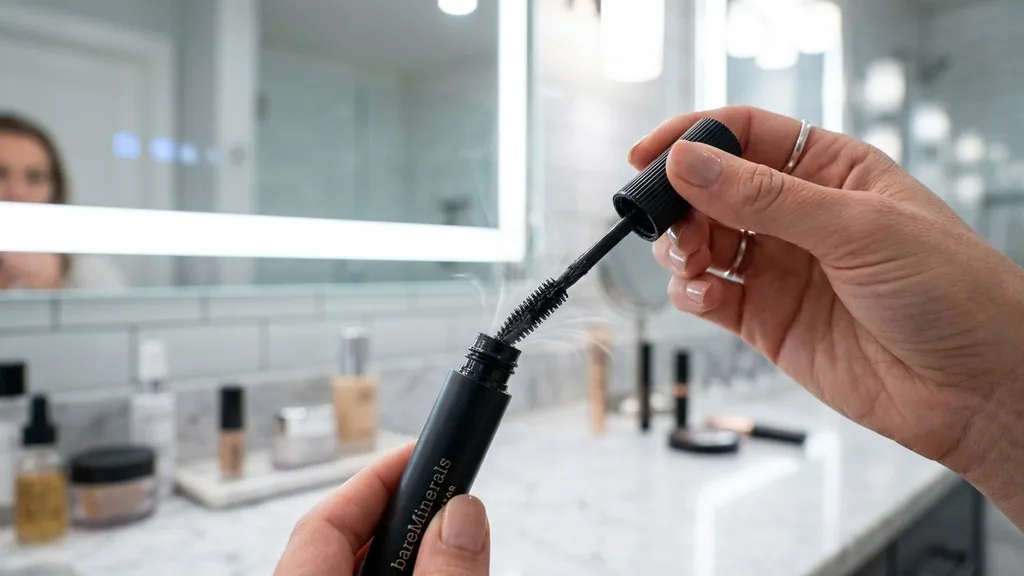
Mascara is perhaps the most essential tool in a makeup bag, yet it is notoriously prone to becoming clumpy and thick long before the product is actually empty. When your dry mascara starts flaking onto your cheeks or dragging across your lashes instead of coating them smoothly, it is natural to want to revive it rather than tossing it in the trash.
While many people reach for saline solution or eye drops, there are several effective ways to restore your favorite formula to its original consistency without needing those specific products. By understanding how the ingredients in your makeup interact with heat and moisture, you can extend the lifespan of your cosmetics significantly.
The Science of Mascara Decay and Why It Dries Out
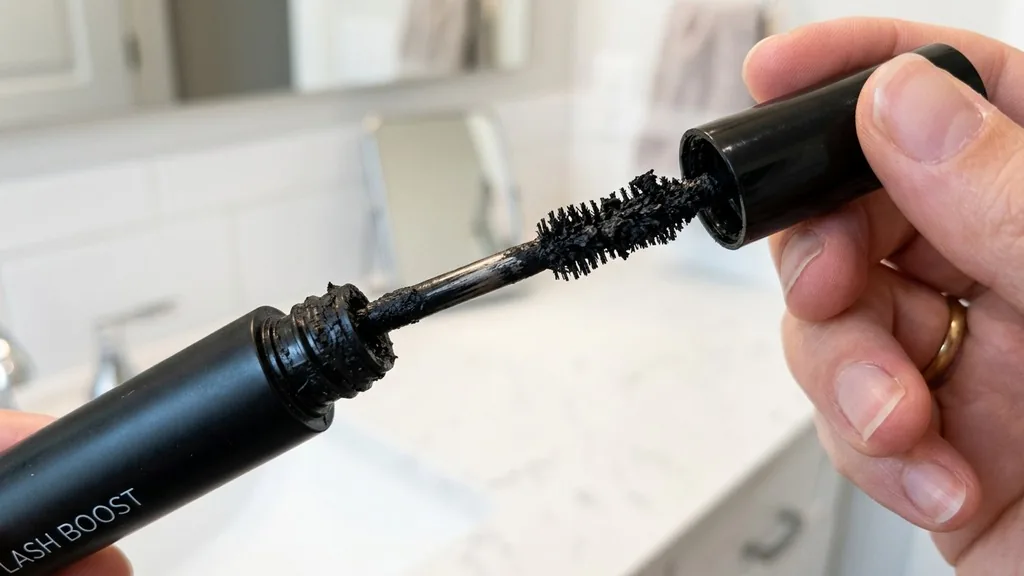
To effectively manage a tube of hardened product, you must first understand the chemistry behind why it fails in the first place. Most modern mascara consists of a complex emulsion of water, waxes, pigments, and film-forming polymers.
The tube is designed to keep these elements stable, but every time you pull the wand out and pump it back in, you introduce air into the container. This repeated exposure to oxygen causes the volatile components of the solution to evaporate, leaving behind a thick, tacky residue that is difficult to apply evenly.
Furthermore, the buildup of dried product on the spoolie itself acts as a barrier, preventing the brush from picking up the liquid formula effectively. This creates a cycle where the product appears empty simply because the applicator is clogged. Before attempting any liquid-based restoration, it is often helpful to clean the wand thoroughly.
Sometimes, the issue is not that the mascara is truly dry, but that the distribution mechanism has been compromised by debris. By addressing both the internal moisture levels and the external application tool, you can often bring a “dead” product back to life without ever needing to introduce foreign substances like eye drops, which may contain preservatives that don’t mix well with your specific cosmetic brand.
Using Heat to Liquefy Waxes
One of the safest and most effective ways to fix dried mascara without eye drops involves the strategic application of heat. Since the base of most mascaras relies on waxes—such as beeswax, carnauba, or paraffin—to provide structure and hold, these ingredients naturally soften when warmed. When a formula becomes stiff, it is often because the waxes have hardened due to temperature drops or evaporation of the solvent base.
To use this method, place your closed mascara tube into a cup of warm (not boiling) water for about three to five minutes. The ambient heat will penetrate the plastic or metal casing, gently melting the internal waxes and allowing the pigment to redistribute evenly throughout the liquid. This process is particularly effective for high-end mascaras that contain thicker, oil-based ingredients.
After warming, roll the tube between your palms for another minute to ensure the temperature is consistent. Be careful not to use water that is too hot, as extreme heat can degrade the chemical preservatives in the makeup, leading to an increased risk of bacterial growth. This method is excellent because it changes the viscosity of the product without introducing any new chemicals that could alter the pH balance of the formula.
The Role of Micellar Water as a Restorative Agent
While many people search for ways to fix their makeup without eye drops, there is often confusion regarding what liquids are safe to add to a tube. Micellar water has become a popular alternative because it is designed to be gentle on the skin and is formulated to break down makeup effectively. When you add a tiny amount of high-quality micellar water to a dry tube, it acts as a solvent that thins out the clumpy, dried-out pigments.
However, moderation is the key to success here. You should only ever add one or two drops. Because micellar water contains surfactants, adding too much can cause your mascara to become runny or lose its water-resistant properties entirely.
If you have a waterproof formula, this method is generally less effective because the oil-based waxes in waterproof products will resist the water-based micelles. For standard, washable mascara, however, a single drop can act as a bridge, re-hydrating the pigments and allowing the wand to glide through the product once more. Always ensure that the micellar water you use is alcohol-free, as alcohol will further dehydrate the product and potentially irritate your eyes upon application.
Comparing Common Revitalization Techniques
Choosing the right method depends on the type of mascara you are using and the severity of the dryness. The following table provides a quick reference for which techniques are most appropriate for different situations.
| Method | Best For | Pros | Cons |
|---|---|---|---|
| Warm Water Bath | Waxy/Thick Formulas | No additives required; very safe | Temporary effect; requires time |
| Micellar Water | Standard/Washable | Easily accessible; effective | Risk of over-thinning |
| Aloe Vera Gel | Sensitive eyes | Soothing; natural | Can become sticky if overused |
| Oil-based drops | Waterproof formulas | Restores slip | May cause smudging |
Utilizing Aloe Vera for a Gentle Revival
If you are looking for a more natural approach to revive your mascara, high-quality, pure aloe vera gel is a surprisingly effective solution. Unlike tap water, which can introduce impurities into your makeup, pure aloe vera is hydrating and has a consistency that blends well with most cosmetic bases. It is particularly useful if your eyes are prone to irritation, as the calming properties of the plant can actually help soothe the delicate skin around your lash line.
To implement this, take a tiny amount—roughly the size of a pinhead—of clear, fragrance-free aloe vera gel. Use a clean toothpick or a thin needle to push it into the tube. Once added, insert the wand and swirl it around thoroughly.
The aloe acts as a humectant, pulling moisture back into the dried pigments and restoring the “stretch” that characterizes a fresh tube of mascara. This method is ideal for those who find that their mascara makes their lashes feel brittle or stiff, as the aloe helps keep the hairs conditioned throughout the day.
Remember that because aloe vera is an organic substance, it may shorten the shelf life of your product. If you notice any change in smell or color, discard the product immediately to maintain proper eye hygiene.
Preventative Maintenance and Proper Storage
The best way to deal with dried mascara is, of course, to prevent it from drying out in the first place. Many users inadvertently ruin their mascara during the first few weeks of use by practicing “pumping.”
Pumping the wand in and out of the tube is the fastest way to force air inside, which accelerates the oxidation and evaporation process. Instead of pumping, try to swirl the wand against the inner walls of the tube to pick up the product.
Beyond application technique, where you store your makeup matters. Many people keep their cosmetics in the bathroom, where the constant fluctuations in humidity and temperature from hot showers can compromise the integrity of the formula. Instead, store your mascara in a cool, dry place, such as a vanity drawer away from direct sunlight.
Additionally, always ensure the cap is screwed on tightly until you hear a distinct click. Even a slightly loose cap can allow enough air movement to dry out the product over the course of a week. For more information on maintaining the safety of your beauty products, you can consult the guidelines provided by the U.S.
Food and Drug Administration on eye cosmetic safety. By following these storage habits, you can often double the time before you even need to consider a revival hack.
Addressing Topical Gaps: Safety and Sanitation
A common issue in many online discussions regarding how to fix dried mascara is the complete lack of focus on hygiene. When you manipulate the contents of a mascara tube, you are effectively breaking the seal of a sterile product.
Bacteria thrive in dark, moist environments, and your mascara tube is essentially an incubator. When you introduce outside agents—even something as benign as micellar water—you are also introducing potential contaminants.
To mitigate this risk, always ensure that any tool you use to add moisture to the tube is sterilized. Never use your fingers to push product into the tube. Furthermore, it is important to recognize when a product is truly beyond saving.
If your mascara has developed a sour or “off” smell, if the texture has become stringy or separated, or if it causes any redness or itching upon application, you must stop using it immediately. No hack is worth the risk of an eye infection, such as conjunctivitis. The “three-month rule” remains the gold standard: regardless of how much you manage to revive it, you should replace your mascara every three months to ensure that the preservatives are still active and capable of keeping the product safe for your eyes.
Maximizing Your Wand’s Efficiency
Sometimes, the “fix” isn’t about the liquid at all, but about the physical state of the applicator. Over time, clumps of dried mascara collect at the base of the bristles, preventing the brush from effectively separating your lashes.
This can lead to a “spidery” look that many people mistake for a bad formula. Before trying to add any moisture to the tube, try deep-cleaning the wand.
Use a gentle makeup remover or a mild soap to wash the wand thoroughly. Use a paper towel to wipe away the stubborn, dried-on chunks. Once the bristles are clean and separated, let the wand air dry completely before re-inserting it into the tube.
You will often find that a clean wand picks up the product much more efficiently, making the mascara feel “new” again without any dilution. If you have an old mascara wand from a previous tube that you particularly liked, you can keep it as a backup. Sometimes, swapping to a different style of brush can completely change how the formula applies, giving you a better result with the same product.
Frequently Asked Questions
How long should I keep a mascara tube after opening it?
You should generally replace your mascara every three months. Even if it hasn’t dried out, the preservatives in the formula lose their effectiveness over time, which increases the risk of bacterial contamination that can lead to eye infections.
Is it safe to use water to thin out my mascara?
It is not recommended to use plain tap water. Tap water contains minerals and potential bacteria that can spoil the product quickly. If you must thin your mascara, use a tiny drop of saline solution or micellar water, but be aware it may alter the formula’s longevity.
Why does my mascara get clumpy so quickly?
Clumping is usually caused by “pumping” the wand, which forces air into the tube and dries out the formula. It can also be caused by failing to wipe excess product off the wand before application or using a wand that has become clogged with old, dried-on mascara.
Can I use essential oils to fix dried mascara?
Avoid using essential oils, as they are highly concentrated and can cause severe irritation or chemical burns if they get into your eyes. Stick to products specifically formulated for use on or near the face, such as pure aloe vera or mild, oil-free makeup removers.


