

The creation of the cosmetic product we rely on to define our eyes is a marvel of industrial chemistry and precise engineering. When you consider how is mascara made, you are looking at a sophisticated emulsion process that balances stability, texture, and safety.
At its core, the production of this beauty staple involves blending pigments with a complex mixture of waxes, oils, and water to create a substance that adheres to individual lashes without clumping or smearing. This process happens in highly controlled environments where every gram of raw material is measured to ensure the final product delivers the desired volume, length, and curl.
Understanding the formulation of this product requires a deep dive into the microscopic interactions between oil-based and water-based ingredients. Because these two liquids do not naturally mix, manufacturers employ emulsifiers that act as a bridge, holding the formula together in a stable, creamy state.
This consistency is vital, as it determines how the product applies to your lashes and how long it lasts throughout the day. From the initial mixing phase in industrial vats to the final high-speed filling line, the journey of this cosmetic is a testament to modern manufacturing precision.
The Chemical Composition and Core Ingredients
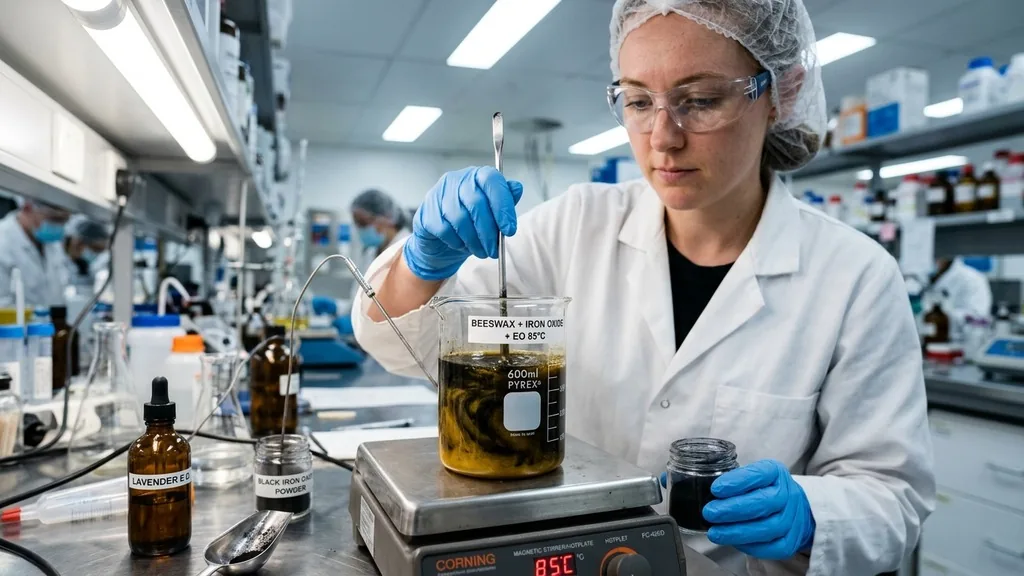
The formulation of mascara centers on a delicate balance of three primary components: pigments, waxes, and oils. These ingredients are chosen not only for their aesthetic effect but also for their ability to remain suspended in a stable emulsion. The backbone of the product is typically a combination of water and specialized waxes.
Waxes are essential because they provide the structure and body that coats the lash, allowing it to appear thicker and more defined. Common waxes include beeswax, carnauba wax, and candelilla wax, each offering different levels of flexibility and hold.
Pigments, most commonly iron oxides, provide the deep, rich colors that characterize modern products. These pigments are finely milled to ensure a smooth application, preventing the gritty texture that would otherwise irritate the delicate skin around the eyes. To keep these pigments dispersed evenly throughout the formula, cosmetic chemists add stabilizers and emulsifiers.
Without these, the mascara would separate into layers of oil and water within the tube. The addition of oils—such as castor oil, mineral oil, or synthetic polymers—helps to condition the lashes and improve the overall glide of the brush during application, ensuring that the formula coats every hair from root to tip without dragging or pulling.
Beyond the basic structure, manufacturers include preservatives to maintain the safety of the product. Because mascaras are water-based and stored in dark, damp environments, they are highly susceptible to bacterial growth. Preservatives like phenoxyethanol or parabens act as a barrier against microorganisms, extending the shelf life of the product and protecting the user from potential eye infections.
The rigorous safety standards of the U.S. Food and Drug Administration ensure that these ingredients are tested for toxicity and potential irritation before they ever reach the manufacturing floor.
The Industrial Production Process
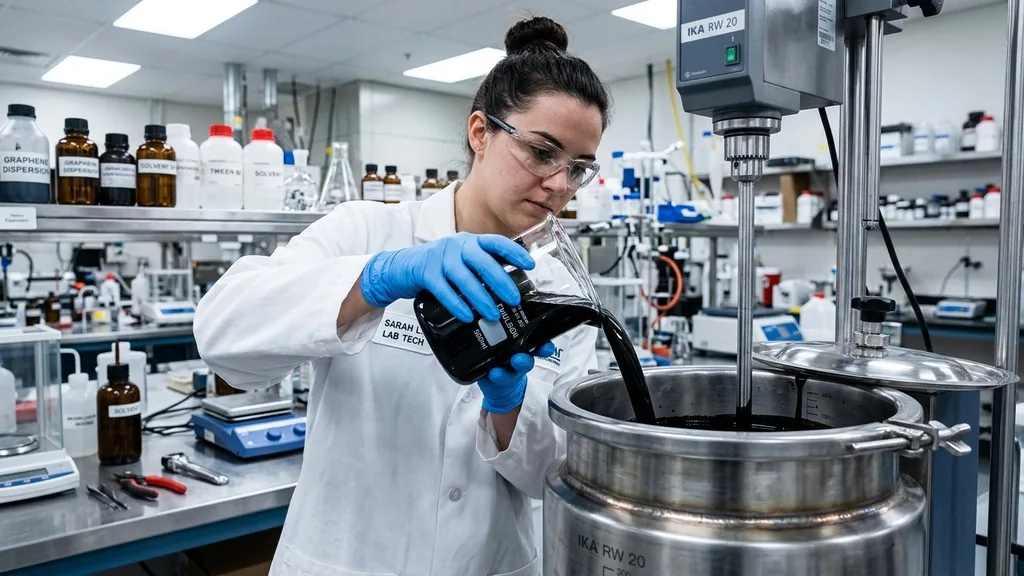
The manufacturing phase is where chemistry meets large-scale engineering. The process begins in massive stainless steel mixing tanks that are equipped with high-shear mixers. The production team first heats the waxes and oils to a specific temperature until they melt into a uniform, molten phase.
Once the oily phase is liquid, they incorporate the pigments. This is a critical step because if the pigments are not properly dispersed, the final product will have clumps or inconsistent color payoff. Specialized grinding equipment is often used to break down the pigment particles to a microscopic level, ensuring a perfectly smooth texture.
After the oil-based phase is prepared, the water-based phase—which includes water, preservatives, and thickening agents like gum or cellulose—is introduced. This is where the emulsion occurs. Under high-speed mixing, the two phases are forced together, creating a stable, homogenous cream.
The temperature is strictly controlled during this stage; if it drops too quickly, the waxes may crystallize, ruining the consistency of the batch. Once the mixture is stable, it is cooled slowly while being agitated to prevent air pockets from forming. These air pockets could lead to premature drying of the mascara inside the tube, which is why vacuum-sealing or specific cooling protocols are used.
| Ingredient Category | Primary Function | Examples |
|---|---|---|
| Waxes | Structure and Volume | Beeswax, Carnauba |
| Pigments | Color and Opacity | Iron Oxides, Ultramarines |
| Emulsifiers | Blending Oil and Water | Glyceryl Stearate, Lecithin |
| Preservatives | Safety and Longevity | Phenoxyethanol, Parabens |
Filling and Packaging Technology
Once the bulk product has passed quality control, it moves to the filling line. This is a high-speed, automated process designed to handle the viscous, sticky nature of the formula. The mascara is pumped into filling machines that use precise nozzles to dispense exactly the right amount into each tube.
Because mascara is highly sensitive to air, the filling process must be as efficient as possible. Some modern facilities use nitrogen purging to displace oxygen inside the tube before it is capped, further extending the shelf life and preventing the formula from hardening.
The packaging itself is just as important as the formula. The wiper—the small, circular piece of plastic inside the neck of the tube—is engineered to remove excess product from the applicator brush as it is pulled out. This ensures that the user gets the right amount of mascara on the wand, preventing clumping and waste.
The design of the brush, or spoolie, is another engineering challenge. Whether made from molded plastic or traditional twisted wire bristles, the shape and spacing of the bristles are calculated to lift, separate, and lengthen the lashes. The interaction between the formula’s viscosity and the brush’s geometry is what defines the final look of the product.
Addressing Myths and Misconceptions
When discussing how is mascara made, it is common to encounter urban legends about the ingredients used. One of the most persistent myths is that mascara contains bat guano or other animal waste products. This is entirely false.
Modern cosmetic regulations are extremely strict, and the use of such materials would be a massive safety violation. The confusion likely stems from the historical use of “guanine,” a shimmering substance derived from fish scales that is used in some cosmetics to provide a pearlescent effect. Guanine is a naturally occurring compound, not related to excrement, and it is processed under strict laboratory conditions to ensure purity.
Another area of confusion involves the health of the eyes when wearing these products. While mascara is safe for most people, it is not inherently “healthy” for the eyes in a biological sense. It is a foreign substance that sits on the lashes, and if left on for too long or applied with unhygienic brushes, it can lead to irritation or infections.
The key to “healthy” usage is proper maintenance and replacement. Users should never share their mascara with others, as this is the fastest way to transmit bacteria. Furthermore, the industry standard is to replace the tube every three months, as the preservatives eventually lose their effectiveness, making the product a breeding ground for microorganisms over time.
Quality Control and Regulatory Standards
Before any product reaches the shelves, it undergoes a battery of tests to ensure it meets both safety and performance standards. Quality control teams perform “stress tests” on the formula to see how it handles extreme temperature changes, humidity, and physical agitation. This ensures that the product you buy in a hot climate doesn’t separate or melt, and that it doesn’t dry out if it is stored in a cold environment.
Microbiological testing is also mandatory. Samples from every batch are cultured in laboratories to ensure they are free from harmful bacteria like Staphylococcus or Pseudomonas.
Regulatory bodies worldwide require that manufacturers maintain complete documentation of their production process, known as a Cosmetic Product Safety Report. This document includes a list of every raw material used, the percentage of the formula each ingredient represents, and the results of toxicity testing.
If an ingredient is found to be potentially harmful, it is immediately banned or restricted by international cosmetic safety committees. This systematic approach to quality control is why, despite the chemical complexity of the product, mascara remains one of the safest and most reliable items in the beauty industry.
The Evolution of Formulation and Future Trends
The landscape of mascara production is currently shifting toward cleaner, more sustainable practices. Consumers are increasingly demanding products that are free from synthetic polymers and traditional preservatives, pushing chemists to find natural alternatives.
For instance, plant-based waxes and natural gums are replacing synthetic thickeners, and essential oil blends are being explored for their antimicrobial properties. This “clean beauty” movement is forcing manufacturers to rethink the entire production process, as natural ingredients often have different stability profiles than their synthetic counterparts.
Waterproof mascara remains a distinct area of development. To achieve water resistance, manufacturers must incorporate volatile silicones or specialized film-forming agents that create a hydrophobic barrier on the lash. These formulas are more complex to manufacture because they require different types of emulsifiers and must be carefully balanced to be effective without being impossible to remove.
Looking ahead, we can expect to see advancements in “smart” mascaras that contain active ingredients—such as peptides or keratin—designed to nourish the lashes while providing cosmetic coverage. As technology progresses, the line between makeup and skincare continues to blur, making the production of mascara an ever-evolving field of innovation.
Frequently Asked Questions
What is the main ingredient in mascara?
The main ingredients in mascara are typically water, pigments (such as iron oxides), and a blend of waxes. These components work together to provide the volume, color, and hold, while emulsifiers keep the water and oil phases mixed in a stable, creamy consistency for easy application.
Is mascara safe for daily use?
Yes, mascara is safe for daily use provided it is used as directed. Always discard your mascara after three months to prevent bacterial buildup. Avoid sharing your product with others, and ensure you remove all traces of makeup before bed to keep your eyes healthy and irritation-free.
Does mascara still contain guanine from fish?
Some products may contain guanine, which is a shimmering compound derived from fish scales that provides a pearlescent effect. It is a safe, naturally occurring substance and is completely unrelated to bat guano or other animal waste products, which are never used in modern cosmetics.
Why does mascara dry out so quickly?
Mascara dries out because of exposure to air. Every time you pull the wand out, oxygen enters the tube.
Over time, this causes the volatile components in the formula to evaporate. To help it last longer, avoid “pumping” the wand in and out, which forces extra air into the tube.


