

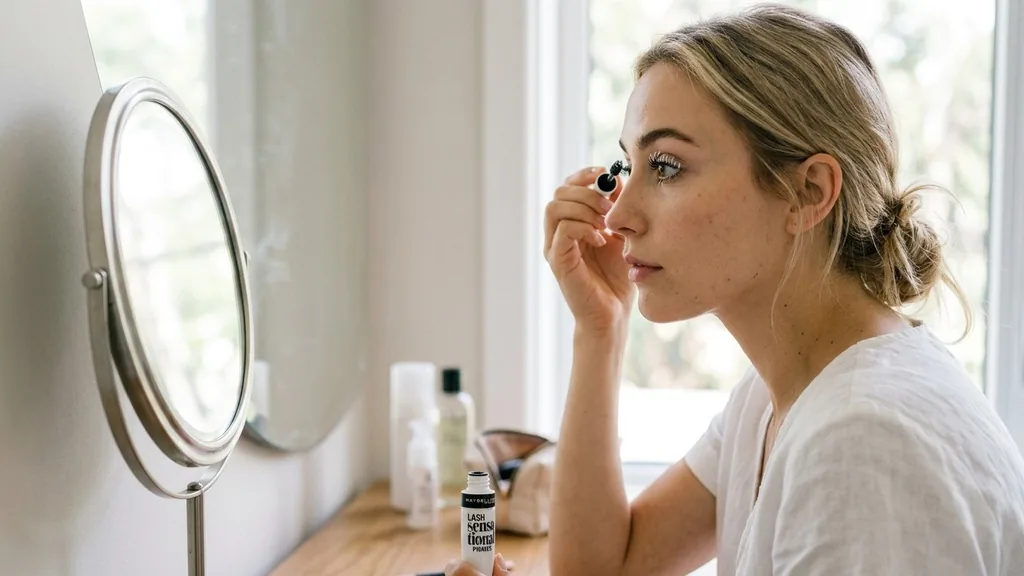
Achieving that wide-eyed, fluttery look often comes down to the preparation of your lashes rather than just the quality of your chosen pigment. Many makeup enthusiasts overlook the critical step of using a base coat, yet understanding how to apply mascara primer can transform a mediocre lash routine into a professional-grade aesthetic. By coating your lashes in a specialized formula before moving on to your favorite volumizing mascara, you create a smooth, fortified canvas that grips product, prevents flaking, and maximizes the reach of every individual hair.
Understanding the Role of Lash Primer
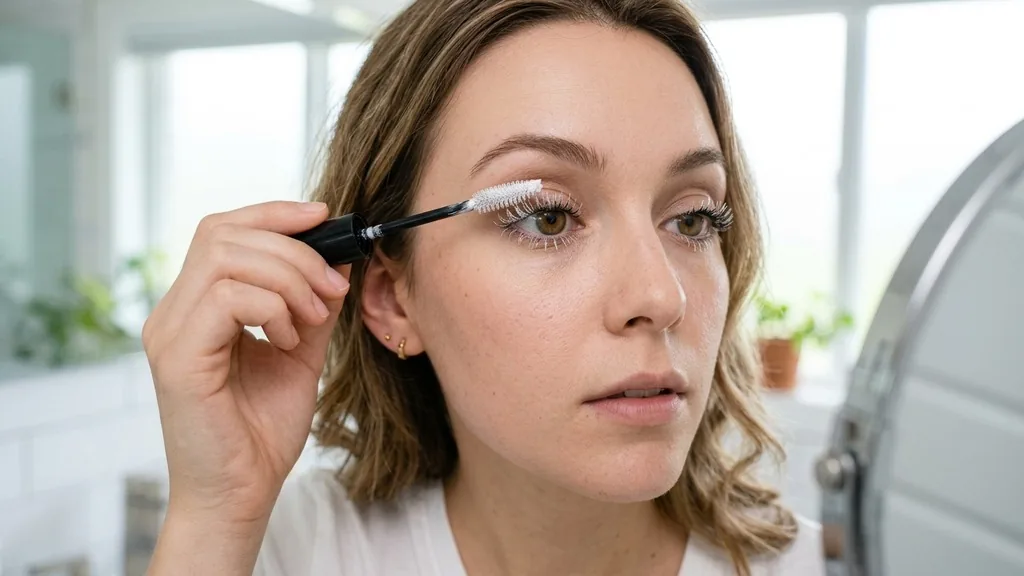
The primary function of a lash primer is to act as a structural foundation for your eye makeup. Much like a face primer smooths the skin to hold foundation in place, a lash primer coats the hair shaft to provide a uniform surface.
Most primers contain conditioning agents such as panthenol, oils, or waxes that serve to hydrate and strengthen the eyelash during the day. When you apply mascara primer, you are essentially adding a layer of protection that prevents your regular mascara from drying out the delicate hairs.
Beyond simple protection, these products are engineered to enhance the physical presence of your lashes. By adding a white or semi-transparent base coat, you fill in the gaps between hairs, making the lash line appear denser. This is particularly beneficial for those who struggle with sparse lashes.
When you eventually apply your black mascara over this base, the contrast between the white primer and the dark pigment makes the lashes appear significantly bolder and more defined. It is a subtle but high-impact technique that elevates the final look without requiring the commitment of false lashes.
Preparing Your Lashes for Application
Before you even reach for your primer, the state of your lashes is paramount. If there is leftover residue from the previous day—even if it seems clean—the primer will not adhere correctly, leading to clumps and uneven distribution.
Use a gentle, oil-free cleanser to ensure that your lashes are completely devoid of old makeup, natural facial oils, or debris. A clean, dry surface is the most important factor in achieving a seamless application.
Once your lashes are clean, consider using a lash curler. While some people prefer curling after applying mascara, this is generally discouraged because it can cause breakage. Curling your bare lashes provides the necessary lift, and the primer will then act as a setting agent to lock that curl in place throughout the day.
By priming the curled hair, you reinforce the shape, ensuring that your lashes do not droop under the weight of heavy mascara formulas. This preparatory phase is the difference between a look that lasts for two hours and one that remains vibrant until you remove your makeup in the evening.
Step-by-Step Guide to Applying Mascara Primer
Learning how to apply mascara primer effectively requires a steady hand and a focus on root-to-tip coverage. Start by removing the wand from the tube and wiping away any excess product on the rim.
Too much product will lead to clumping, which is the enemy of a clean, sophisticated look. Position the brush at the base of your upper lashes and wiggle it slightly from side to side; this ensures that the root is fully coated, providing the necessary volume at the base to hold the weight of the mascara.
After the roots are coated, pull the wand upward through the length of the lash in a slow, sweeping motion. If you want to achieve maximum lengthening, you can blink slightly into the brush as you pull it through, which helps deposit more product on the tips.
Ensure you reach the inner and outer corners, as these smaller, often neglected lashes contribute significantly to the overall “fan” effect. If you are interested in the science behind lash health and safety, you can learn more about eye cosmetic safety from official health guidelines to ensure your routine remains gentle on your eyes.
The Timing Dilemma: When to Apply Mascara
One of the most common questions regarding this technique is whether the primer should be completely dry before you layer your pigment on top. The consensus among professionals is that the primer should be tacky but not bone-dry.
If you wait until the primer has fully hardened, your mascara may struggle to adhere to the surface, potentially causing the product to flake off during the day. Conversely, if you apply the mascara while the primer is still soaking wet, the two formulas will bleed together, resulting in a muddy, greyish appearance rather than a crisp black finish.
The ideal window is usually thirty to sixty seconds after application. You want the primer to have “set” enough to hold its shape, but it should still be slightly tacky to the touch. This tacky state acts like a magnet for your volumizing mascara, allowing the pigment to grip onto the primed lashes with ease.
If you find yourself running late, you can use a small hand fan or just flutter your eyes quickly to speed up the drying process. Once you have established this timing rhythm, you will find that your mascara application becomes much faster and more consistent.
Comparing Primer Types and Their Effects
Not all primers are created equal, and choosing the right one depends on your specific goals. Some are designed specifically for length, while others focus on volume or even lash conditioning. To help you navigate the options available when you shop now for beauty products, the following table breaks down the primary categories of lash primers on the market.
| Primer Type | Primary Benefit | Best For |
|---|---|---|
| Conditioning | Hydration and growth support | Brittle or damaged lashes |
| Volumizing | Adds thickness and density | Sparse or thin lashes |
| Lengthening | Extends the lash tip | Short or blunt lashes |
| Tinted/Dark | Intensifies black pigment | Dramatic, high-impact looks |
Each of these variants works by utilizing different fiber lengths or polymer structures. Volumizing primers often contain micro-fibers that cling to the lashes, creating artificial thickness.
Lengthening primers, on the other hand, focus on smoothing the hair shaft so that the mascara can glide to the very tip without snagging. By selecting the right tool for your specific lash texture, you can troubleshoot common issues like drooping or lack of definition.
Common Mistakes and How to Avoid Them
Even with the best products, common errors can lead to a messy appearance. One major mistake is applying too many layers of primer. Because primer is often white or tinted, excessive application can make it difficult to cover completely with your black mascara.
This often leads to “ghosting,” where a pale, dusty cast remains visible at the base of your lashes. To avoid this, always start with a light hand and build up only if necessary.
Another frequent error is neglecting the lower lashes. While some people prefer a clean lower lash line, applying a tiny amount of primer to the bottom lashes can prevent mascara from smudging under the eye.
The primer creates a barrier that keeps the pigment from transferring onto your skin, especially if you have oily lids or are prone to watery eyes. If you find your mascara is still smudging, it may be time to look for a washable formula that is easier to remove without scrubbing, as harsh rubbing can damage the very lashes you are trying to protect.
- Always wipe the excess product off your wand to prevent clumps.
- Focus the primer at the roots to provide a solid foundation for curl.
- Use a lash comb after the mascara application to separate any stuck hairs.
- Store your primer in a cool, dry place to prevent the formula from drying out.
- Replace your primer every three months to prevent bacterial growth.
Addressing Topical Gaps: Primer and Lash Extensions
A common point of confusion is whether you can use mascara primer with lash extensions. Generally, the answer is no. Lash extensions are adhered to your natural lashes with a specialized glue that is sensitive to oils and certain chemical solvents found in many primers.
Using a primer on top of extensions can weaken the bond of the adhesive, causing your expensive extensions to fall out prematurely. If you have extensions, focus on keeping them clean with a dedicated lash cleanser rather than adding layers of product.
However, if you are wearing a lash lift, primer is a fantastic way to maintain the look. A lash lift curls your natural hair, and using a primer can help emphasize that lift, making your eyes look more awake.
The key here is to ensure the primer is non-waterproof, as waterproof formulas are often harder to remove and may require rubbing, which can disrupt the lift. Always opt for formulas that are labeled as gentle or conditioning to keep your natural lashes healthy while they are being styled.
Final Tips for Longevity
The secret to a long-lasting eye look is the combination of a high-quality primer and a reliable mascara. If you find your mascara is still not holding up, check the ingredients of your primer.
If it contains heavy oils, it might be breaking down your mascara, especially if the mascara is not oil-resistant. Look for primers that use polymers, which are designed to create a flexible, long-wearing film.
Finally, remember that the application technique is just as important as the product itself. Moving the brush in a zig-zag motion ensures that every single hair is coated, which is essential for a uniform look. By following these steps and understanding the mechanics of how to apply mascara primer, you can achieve a professional aesthetic that enhances your natural beauty while protecting your lashes from the daily rigors of makeup wear.
Frequently Asked Questions
Is it necessary to use a mascara primer every day?
While not strictly necessary, using a primer daily is highly recommended if you want to protect your lashes from the drying effects of long-wear or waterproof mascaras. It acts as a shield, keeping your natural lashes hydrated and healthy while providing a better base for your color.
Can you wear mascara primer on its own?
Yes, you can wear a conditioning lash primer on its own for a natural, “no-makeup” look. It can help define the lashes, add a slight sheen, and keep them curled without the intensity of a dark pigment. It is a great option for subtle, everyday grooming.
How long does mascara primer take to dry?
Most mascara primers are formulated to become tacky within 30 to 60 seconds. You should aim to apply your mascara while the primer is still slightly damp but not wet, as this allows the pigment to adhere best to the fibers of the primer without creating clumps.
Will mascara primer make my lashes grow?
Some primers contain nourishing ingredients like peptides, biotin, or castor oil that promote lash health and may help prevent breakage. While they aren’t miracle growth serums, a healthier, stronger lash will naturally look longer and fuller, effectively supporting the appearance of growth over time.


