

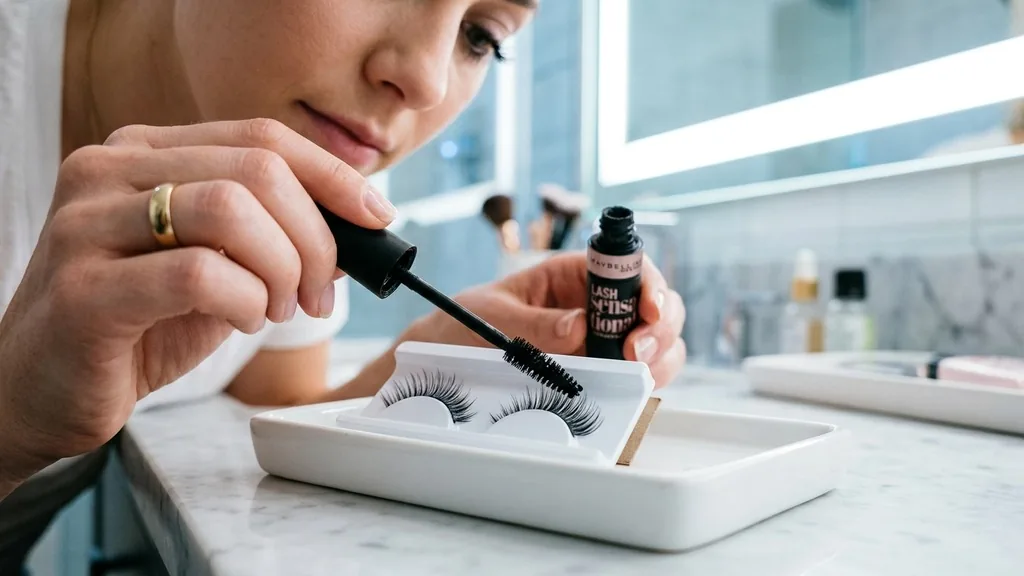
Achieving a seamless, dramatic eye look often involves the combination of various beauty products, but the question of whether you can put mascara on fake lashes is one that divides even the most experienced makeup enthusiasts. While the desire to blend your natural lashes with synthetic strips or clusters is understandable, the reality is that the decision depends heavily on the type of lash product you are using, the quality of the fibers, and the ingredients within your chosen mascara. Applying mascara incorrectly can not only compromise the appearance of your eye makeup but can also significantly shorten the lifespan of your false lashes, leading to premature shedding or breakage.
Understanding the Compatibility of Mascara and Lash Types
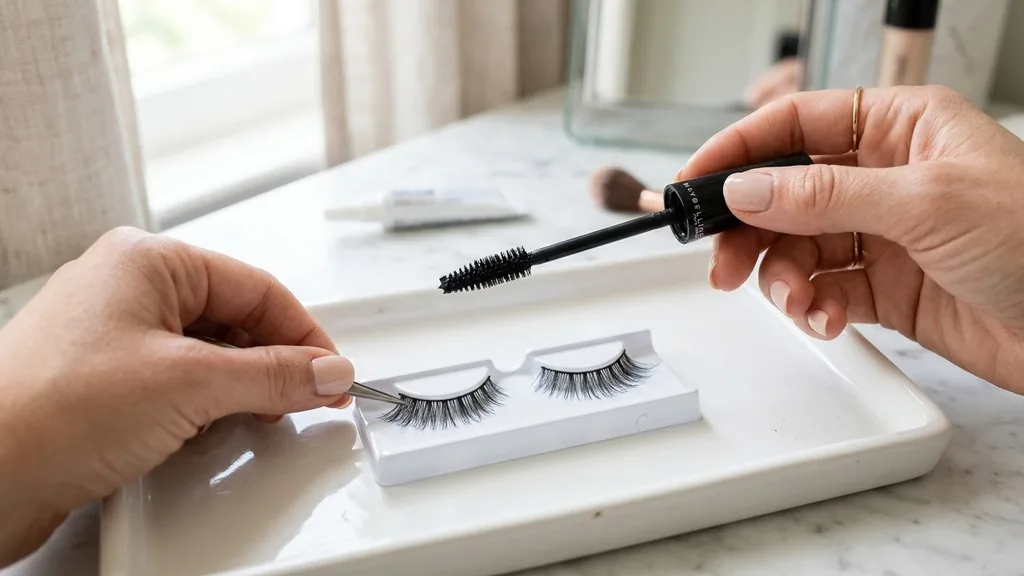
To determine if you can safely apply mascara to your false lashes, you must first identify what kind of lashes you are wearing. Not all artificial lash products are created equal, and their structural integrity varies based on the materials used during production.
Synthetic silk, mink, and faux-mink fibers respond very differently to the chemical composition of standard mascaras. Generally, if you are wearing high-quality, reusable lashes, applying mascara directly to them is discouraged because the product buildup is notoriously difficult to remove without damaging the delicate band or the individual fibers.
When you apply mascara to false lashes, you are effectively coating the synthetic hairs in a pigmented, waxy substance. As this dries, it hardens, making the lashes stiff and prone to tangling. If you use a waterproof mascara, the situation is even more complex, as most waterproof formulas require oil-based removers to break down.
These oils can degrade the adhesive used to keep your lashes in place, potentially causing the strip to lift at the corners during the day. For those who prioritize the longevity of their false lashes, it is usually best to apply mascara to your natural lashes before applying the extensions. This creates a dark, sturdy base that helps the faux lashes blend naturally without requiring you to coat the synthetic fibers themselves.
The Risks of Applying Mascara to Strip Lashes
Many users wonder if they can enhance the volume of their strip lashes by layering on a few coats of their favorite volumizing formula. While this might provide a temporary boost in thickness, the long-term consequences often outweigh the aesthetic benefits.
Strip lashes are designed with a specific curl and taper; adding weight via mascara can cause the lashes to droop or lose their shape entirely. Furthermore, the act of brushing mascara through false lashes often pulls on the glue connecting the strip to your lash line, which can lead to irritation or the accidental removal of your own hair.
If you find that your strip lashes look too “fake” or distinct from your natural lash line, the issue is often a lack of blending rather than a lack of product. Instead of applying mascara to the falsies, try using a dark eyeliner to fill in the gaps along your lash line. This creates an optical illusion of density that bridges the gap between your real lashes and the artificial ones.
If you absolutely must use mascara to blend them, focus only on the very base of your natural lashes, ensuring the wand does not touch the synthetic fibers. This technique allows you to achieve a cohesive look while keeping your expensive lash sets in pristine condition for future use.
Navigating Mascara Use with Lash Extensions
Lash extensions are a significant investment, and the rules regarding mascara are much stricter than they are for temporary strip lashes. If you are wearing professional semi-permanent extensions, the general consensus among beauty professionals is to avoid mascara entirely.
Extensions are meticulously placed on individual natural hairs, and the weight of mascara, especially when combined with the daily process of cleaning and removing that mascara, can cause the extensions to shed prematurely. This not only ruins the aesthetic you paid for but can also lead to permanent damage to your natural growth cycle.
If you feel your extensions are looking sparse, it is usually a sign that you are due for a “fill” appointment. Adding mascara to compensate for lost extensions is a temporary fix that often results in “clumpy” lashes that are difficult to sanitize. Bacterial buildup is a major concern here; mascara wands can trap debris and moisture, which can lead to eye infections if used on top of extensions.
If you need more drama, consult your lash technician about using a water-based, oil-free lash sealant or a specialized extension-safe mascara. You can find detailed safety guidelines on the U.S. Food and Drug Administration website regarding cosmetic safety and the importance of keeping eye products free from contaminants.
Comparing Lash Products and Maintenance Needs
When choosing how to style your eyes, it is helpful to look at how different lash applications interact with makeup. The following table provides a quick reference for which lash types might tolerate limited mascara use versus those that should remain completely untouched.
| Lash Type | Mascara Compatibility | Maintenance Difficulty |
|---|---|---|
| Synthetic Strip Lashes | Low (Only on natural base) | Low (Easy to remove) |
| Magnetic Lashes | Very Low (Can damage magnets) | Medium (Careful cleaning) |
| Professional Extensions | None (Avoid entirely) | High (Needs professional care) |
| Cluster Lashes | Low (Only at roots) | Medium (Risk of clumping) |
As indicated in the table, the type of lash you choose dictates your makeup routine. Magnetic lashes, for instance, rely on a precise connection between the magnets and the liner or lashes.
Applying mascara over these can create a barrier that weakens the magnetic bond, causing them to slide or fall off. If you are committed to a high-glam aesthetic, it is often more effective to select a pair of lashes that already offers the volume you desire rather than attempting to modify a simpler pair with mascara.
Best Practices for a Seamless False Lash Application
If your goal is to make your fake lashes look as natural as possible, the secret lies in the order of operations. Many people make the mistake of applying their false eyelashes first and then trying to “fix” the look with mascara.
This is almost always a recipe for disaster. Instead, try the following sequence to ensure a flawless finish:
- Cleanse your eyelids and natural lashes thoroughly to remove any oils that might interfere with the adhesive.
- Apply a light coat of mascara to your natural lashes before you apply the falsies. This provides a “shelf” for the strip to sit on.
- Allow the mascara to dry completely; if it is still wet, it will cause the false lash band to slip around.
- Apply your chosen lash glue to the band and wait about 30 seconds for it to become tacky.
- Place the lashes as close to your natural lash line as possible.
- Once the glue is dry, gently press your natural lashes and the false lashes together with your fingers or a pair of tweezers to ensure they are perfectly integrated.
By following this method, you eliminate the need to apply mascara to the fake lashes themselves. This keeps the fibers flexible, clean, and ready for your next application. It also prevents the “spider leg” look that often happens when synthetic fibers become clumped with makeup product.
Addressing Common Misconceptions and Topical Gaps
There is a pervasive myth that applying mascara to fake lashes helps them “last longer” by reinforcing the hold. In reality, the opposite is true. Mascara creates a heavy, rigid coating that pulls on the lash band, putting unnecessary stress on the adhesive bond.
Furthermore, many people assume that they can use regular makeup remover on their falsies. This is another area where users often run into trouble. If you do end up with mascara on your lashes, you must use a gentle, oil-free cleanser to remove it, but even then, the scrubbing motion required to get the pigment off the synthetic fibers will almost certainly cause them to lose their shape.
Another gap in common knowledge involves the impact of mascara on lash health. Even if you aren’t worried about the lifespan of the fake lashes, you should be worried about your own. When you pile mascara on top of heavy lashes, you increase the weight on your eyelid.
Over time, this constant tugging can lead to traction alopecia, a condition where the hair follicle is damaged by consistent pulling. By choosing to wear high-quality, lightweight fake eyelashes that don’t require additional mascara, you are essentially protecting your natural hair from unnecessary strain. Always prioritize the health of your natural lash line, as it is the foundation upon which all your beauty looks are built.
Frequently Asked Questions
Can I apply mascara to magnetic lashes?
No, it is not recommended to apply mascara to magnetic lashes. The mascara can create a thick layer between the magnets and your natural lash line, which weakens the magnetic connection and causes the lashes to slip or detach throughout the day.
What is the best way to blend false lashes with real ones?
The best technique is to apply mascara to your natural lashes before you apply the falsies. Once the falsies are secured and the glue is dry, use a clean spoolie brush to gently comb your natural lashes and the false lashes together, blending them seamlessly without adding more product.
Does mascara ruin the glue on strip lashes?
Yes, especially if you use waterproof mascara. The ingredients in many mascaras can break down the chemical composition of lash adhesives. Furthermore, the act of removing mascara from the lashes often involves oil-based cleansers, which are specifically designed to dissolve lash glue, leading to early lifting.
Can I use mascara on lash clusters?
You should avoid using mascara on lash clusters. Because clusters are often applied in sections, mascara tends to clump the individual fibers together, making them look messy and unnatural. If you need more volume, it is better to purchase a thicker style of cluster rather than layering mascara.


