

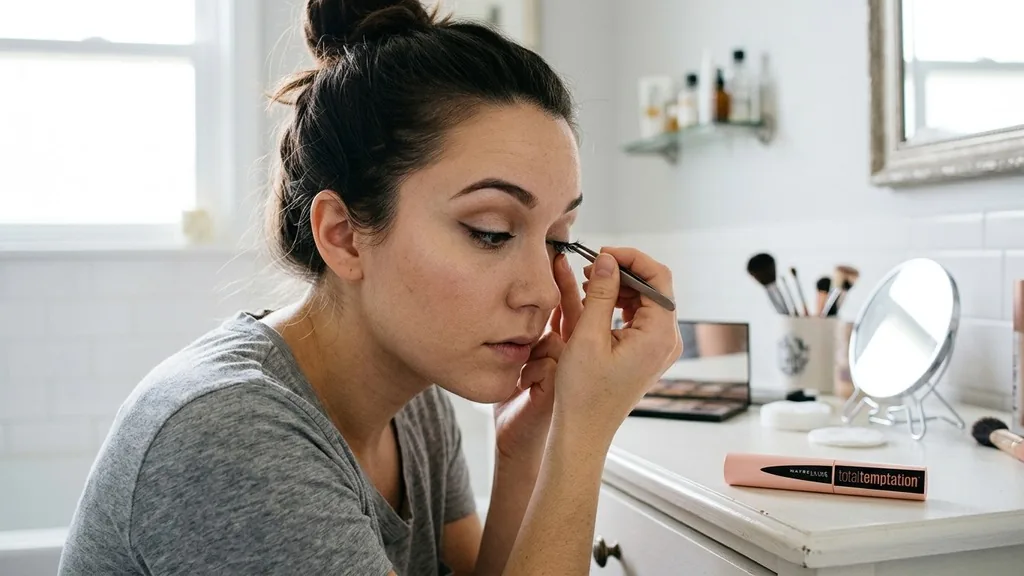
Many makeup enthusiasts find themselves in a precarious position: you are ready to head out the door, your makeup is nearly finished, and suddenly you realize your dedicated lash adhesive is missing or completely dried out. In these moments of panic, it is tempting to look at the nearest tube of makeup and wonder, can I use mascara as eyelash glue?
While it might seem like a logical quick fix given the tacky consistency of some formulas, the short answer is no. Using mascara to attach false eyelashes is not a safe or effective practice, and attempting to do so can lead to disappointing results or even physical irritation.
Why Mascara Fails as an Adhesive
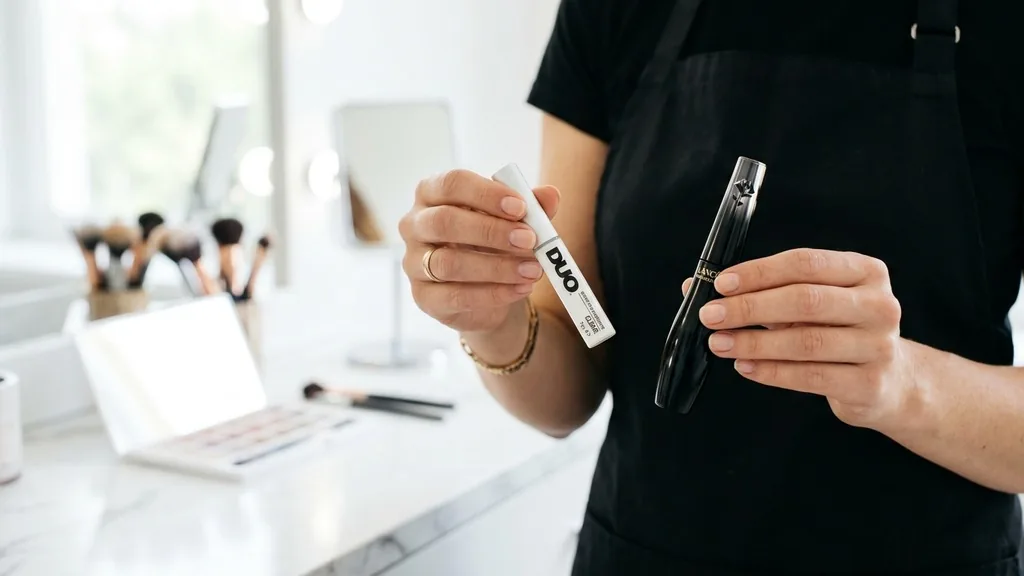
When you ask the question, can I use mascara as eyelash glue, you are essentially comparing two products that serve fundamentally different chemical and mechanical functions. A professional-grade lash glue is specifically formulated as an adhesive, designed to create a flexible, long-lasting bond between the skin of your eyelid and the band of the strip lashes. This formula is tested for safety in the delicate eye area and is designed to withstand moisture, blinking, and the natural oils produced by your skin.
In contrast, mascara is a cosmetic pigment suspension. Its primary purpose is to coat, lengthen, and volumize your natural lashes. Even the thickest, most viscous mascara formulas rely on waxes, oils, and polymers that are meant to sit on top of lash hairs, not to fuse a foreign object to your eyelid.
If you try to use it as an adhesive, you will quickly find that it lacks the “tack” required to hold the weight of a strip lash. As the mascara begins to dry, it becomes brittle rather than flexible, which can cause the strip lashes to lift at the corners almost immediately. Furthermore, the drying time for mascara is significantly different from lash adhesive, meaning you would be holding the lashes in place for an extended period, likely resulting in a messy, smudged application that ruins your entire eye makeup look.
The Risks of Using Incorrect Products Near Your Eyes
Attempting to apply heavy cosmetic products where they do not belong poses several health risks. When you wear mascara as a makeshift glue, you are introducing a product that is not intended to be in direct, prolonged contact with the sensitive skin of the eyelid. Most mascaras contain preservatives, fragrance, and pigments that can cause contact dermatitis or allergic reactions when trapped against the skin under a lash band.
Beyond the risk of irritation, there is the matter of mechanical damage. When you use a proper adhesive, the product is designed to dissolve or loosen with specific makeup removers, allowing you to remove your false eyelashes without tugging on your natural hairs. Mascara, however, is designed to grip your lashes.
If you glue a lash strip to your eyelid using mascara, the bond might be weak enough to fall off, but if it happens to grip your natural lashes, the removal process can become a nightmare. You may end up pulling out your own natural lashes when trying to peel away the stiff, dried mascara. According to guidance from the American Academy of Ophthalmology, maintaining eye hygiene and using products specifically labeled for the eye area is essential to prevent infections and mechanical trauma to the eyelid margin.
Topical Gaps: What Really Happens When You Substitute?
A common misconception in the beauty community is that “tacky is tacky.” People often assume that if a product feels sticky, it can hold lashes.
This leads to many users experimenting with household items like hair spray, clear nail polish, or even liquid liner. However, none of these are safe alternatives to lash glue.
When you use a non-adhesive substitute, you are essentially creating a barrier that prevents the skin from breathing. This can lead to trapped bacteria, which increases the risk of styes or conjunctivitis. Furthermore, the chemical composition of mascara is not designed to be waterproof in the same way as a high-quality adhesive.
If you get caught in a light rain or if your eyes water, the mascara will break down, potentially running into your eyes and causing significant stinging and temporary blurred vision. The reality is that the structural integrity of your makeup look depends on using the right tool for the job. Attempting to force a product to perform a function it was not engineered for rarely results in the desired outcome and often results in a waste of time and product.
Comparing Lash Adhesives to Household Substitutes
To better understand why you cannot substitute your adhesive, it helps to look at the specific characteristics required for a safe and effective lash application.
| Feature | Professional Lash Glue | Mascara |
|---|---|---|
| Primary Function | Adhesion to skin/lashes | Coating and volumizing hair |
| Drying Consistency | Flexible and rubbery | Brittle and hard |
| Safety Rating | Ophthalmologist tested for skin | Tested for hair application |
| Removal Method | Dissolves with oil/remover | Removes with friction/cleanser |
As the table demonstrates, the mechanical differences are stark. A lash adhesive is designed to move with your eyelid.
Because your eyelids are in constant motion, a rigid bond—which is what you get with dried mascara—will inevitably cause the lashes to pop off. A flexible bond allows the lashes to stay secure even when you blink, look up, or close your eyes.
What to Do When You Are Out of Lash Glue
If you find yourself in a situation where you have no lash glue and you absolutely want to wear lashes, the best course of action is to skip the falsies entirely and focus on enhancing your natural features. Trying to “make” a glue out of household items is not only ineffective but potentially dangerous. Instead, consider these alternatives to achieve a similar look:
- Use an eyelash curler: A high-quality curler can give your lashes a dramatic lift that mimics the effect of a lash strip.
- Apply multiple coats of volumizing mascara: By layering your product, you can create the appearance of thicker, fuller lashes without the need for adhesives.
- Use a lash primer: A good primer can add significant bulk to your natural lashes before you apply your final coat of mascara.
- Invest in a magnetic lash kit: If you struggle with glue, magnetic lashes are a great alternative that requires no liquid adhesive at all.
- Practice proper maintenance: Keep an extra tube of clear or black lash adhesive in your makeup bag at all times to avoid the temptation of using improper substitutes.
By focusing on these techniques, you ensure that your eye area remains healthy and your makeup remains professional. There is no shortcut that replaces the safety and efficacy of a product specifically designed for the delicate eye area.
The Importance of Product Integrity in Beauty
The beauty industry is built on the premise of specialized formulation. Every product in your makeup kit has been through rigorous development to ensure it performs a specific task. When you apply products in ways they were not intended, you undermine the safety standards set by cosmetic chemists.
The skin around the eyes is the thinnest on the body, making it highly susceptible to absorption and irritation. Using mascara as a glue ignores the chemical reality of how these substances interact with your skin.
Furthermore, the consistency of mascara changes over time as it is exposed to air. An older, clumpy mascara might feel stickier, but it is also more likely to harbor bacteria. Introducing an old, contaminated product to your lash line is a recipe for an eye infection.
If you are struggling with your current lashes or glue, it is better to troubleshoot the application technique rather than changing the product itself. For instance, if your lashes are not sticking, ensure your eyelid is oil-free by swiping a bit of micellar water across the lash line before application. This simple prep step is far more effective than trying to use a different product as a makeshift adhesive.
FAQ: Common Concerns About Lash Application
Can I use clear nail polish as a substitute for lash glue?
No, you should never use nail polish near your eyes. It contains harsh solvents like acetone and formaldehyde that can cause severe chemical burns to the eyelid and permanent damage to your vision if the fumes or liquid enter the eye.
How can I make my lash glue last longer?
To keep your lash glue effective, always ensure the cap is tightened immediately after use to prevent the adhesive from drying out. Store it in a cool, dry place away from direct sunlight, and avoid getting moisture or makeup residue inside the tube.
Is it safe to use hair glue for eyelashes?
Absolutely not. Hair glue is designed for scalp skin, which is much tougher than eyelid skin. It contains chemicals that can cause allergic reactions, swelling, and the potential for pulling out your natural lashes when you attempt to remove the strip.
What is the best way to remove lash adhesive safely?
The safest way to remove lash glue is by using an oil-based makeup remover or a dedicated lash adhesive remover. Gently saturate a cotton pad, hold it against your closed eyelid for thirty seconds, and the glue will loosen, allowing you to slide the lashes off without tugging.


