

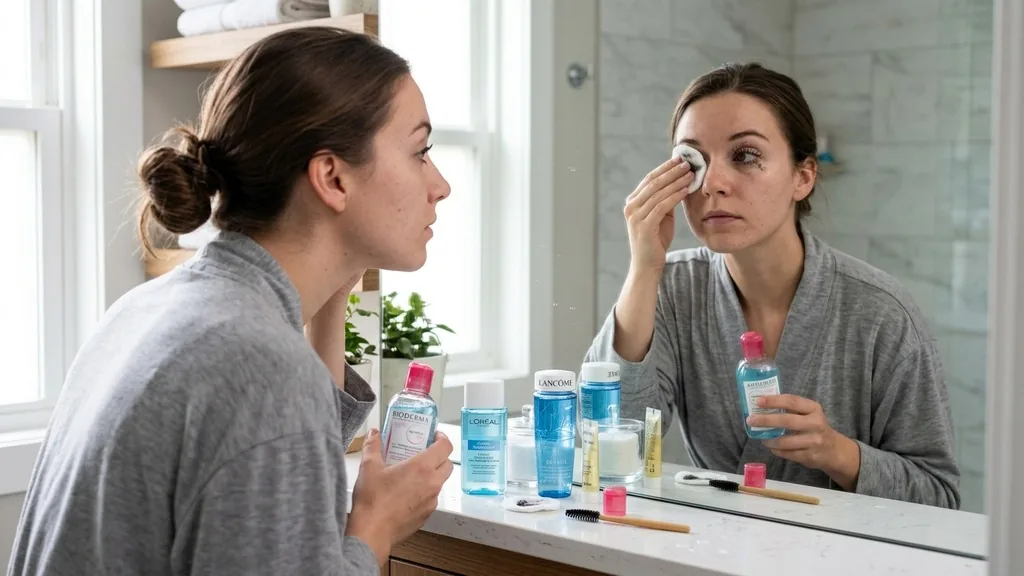
Getting waterproof mascara off can feel like a battle of endurance at the end of a long day. If you have ever scrubbed your eyelids until they were red and raw, only to wake up with dark smudges under your eyes, you know the struggle.
Waterproof formulas are engineered to withstand sweat, tears, and humidity, which means they are specifically designed to resist standard soap and water. To remove them effectively, you need a method that breaks down the binding agents without compromising the delicate skin around your eyes or causing your natural lashes to snap.
Choosing the Right Solvent for Waterproof Makeup
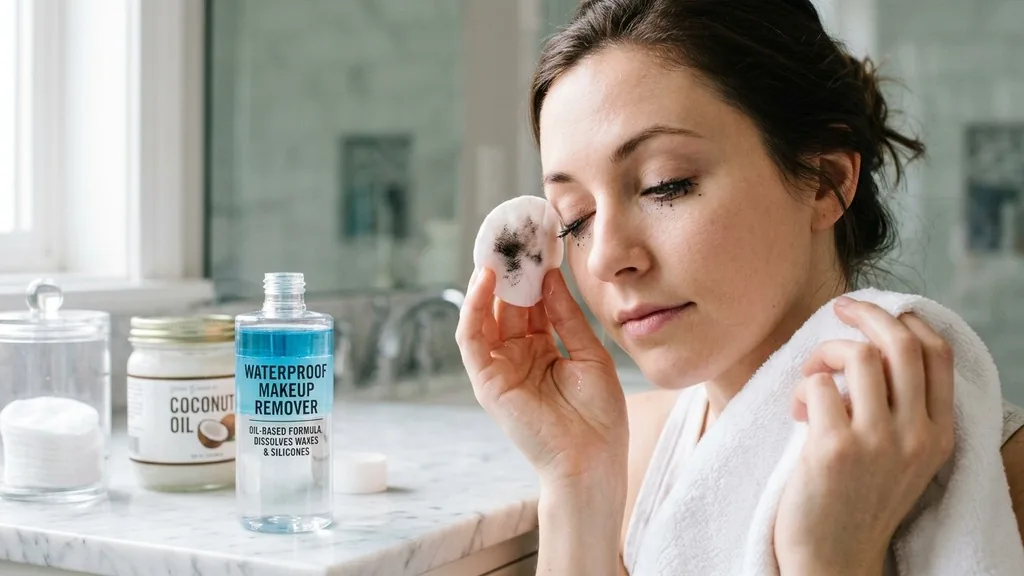
The most direct answer to how do I get waterproof mascara off is to use a solvent that matches the formula’s base. Waterproof mascara typically contains waxes and silicones that repel water. Because of this, water-based cleansers are often ineffective on their own.
You need an oil-based product or a specialized bi-phase remover to dissolve those stubborn bonds. Oil acts as a solvent for the wax, softening the product so it slides off the hair shaft rather than requiring mechanical force.
When selecting a remover, look for ingredients that prioritize skin health. Many people find that a dedicated eye makeup remover is the most efficient choice because it is formulated to be ophthalmologist-tested. If you have sensitive eyes, steer clear of fragrances or harsh alcohols that can cause stinging or irritation.
Instead, opt for formulas that include soothing agents like chamomile or panthenol. By matching the chemical composition of your remover to the mascara, you reduce the amount of physical rubbing required, which is the primary cause of lash loss and premature skin aging in the eye area.
The Technique of Micellar Cleansing
Micellar water is a popular choice for those who want a gentle but effective way to remove waterproof makeup. These cleansers contain micelles, which are tiny oil molecules suspended in soft water.
These molecules act like magnets, lifting dirt, oil, and pigment away from the surface of your skin. While standard micellar water might struggle with heavy-duty waterproof mascara, many brands now offer specific bi-phase micellar waters that include an added oil layer for extra potency.
To use this effectively, start by shaking the bottle to combine the layers. Saturate a cotton pad thoroughly; a dry pad will only drag against your skin. Hold the pad against your closed eyelid for at least twenty to thirty seconds.
This “soaking” period is vital. It allows the solution to penetrate the layers of mascara, loosening the grip of the formula on your lashes. After the time is up, gently swipe downward toward the tips of your lashes.
Never scrub back and forth, as this creates tension that can lead to breakage. If you feel like your lashes are becoming brittle, you might want to look into the American Academy of Dermatology’s tips for healthy skin care to ensure your routine isn’t doing more harm than good.
Using Natural Oils for Effective Removal
If you prefer to avoid synthetic removers, natural oils are an excellent alternative for removing waterproof mascara. Coconut oil, jojoba oil, or even sweet almond oil can be surprisingly effective.
These oils work by dissolving the wax-based pigments in your mascara, essentially liquefying the product so it can be wiped away with minimal effort. This method is often preferred by those with extremely dry skin, as the oils provide a moisturizing benefit while they clean.
To use oil, take a small amount on your clean fingertips or a soft cloth. Gently massage the oil into your lashes using a circular motion. You will see the mascara begin to break down into a dark residue.
Once the product is loosened, take a damp, warm cloth and carefully wipe the area. Be cautious not to get excess oil directly into your eye, as it can cause a temporary blurring of vision. While this is a safe and effective way to remove makeup, always follow up with your regular facial cleanser to ensure no oily residue remains, which could otherwise clog pores or cause milia around the eyes.
The Importance of the Soaking Method
The most common mistake people make when removing waterproof mascara is rushing the process. Many users try to wipe the mascara off in one or two quick swipes, which forces them to apply heavy pressure. This is the fastest way to lose lashes.
The key to successful removal is patience. You must allow the product to sit on the eye area long enough to do the work for you.
Think of it like soaking a dirty pan before scrubbing it. If you try to scrub it dry, you have to use a lot of force, which damages the surface. By applying your makeup remover to a cotton pad and holding it firmly against your lashes, you are creating a compress.
This compress keeps the solvent in constant contact with the mascara. After thirty seconds, you will notice that the mascara has transferred onto the pad with almost zero resistance.
If there is still residue left, simply flip the pad over to a clean side and repeat the soak. This prevents the “panda eye” effect and ensures your lashes stay intact.
Navigating Without Specialized Makeup Remover
Sometimes you find yourself in a situation where you don’t have access to a dedicated makeup remover. If you are wondering how do I get waterproof mascara off without makeup remover, you can often turn to products already in your bathroom. While you should avoid harsh soaps, a gentle facial cleanser can sometimes do the trick if used correctly.
If you have a cream-based cleanser, apply a generous amount to your lashes and let it sit for a minute. The creamy consistency can help break down the mascara. Alternatively, if you have a face moisturizer that is oil-based, you can use a small amount to soften the mascara before wiping it away.
It is crucial, however, to avoid using household items that aren’t intended for the face, such as dish soap or heavy-duty astringents. These can strip the natural oils from your skin, leading to irritation, dryness, or allergic reactions. When in doubt, it is better to leave a little bit of mascara on than to subject your eyes to harsh chemicals that were never meant to touch the delicate eye area.
Comparing Common Removal Methods
Different methods work better for different individuals depending on their skin type and the specific mascara formula they use. Below is a comparison of the most common techniques to help you decide which is best for your routine.
| Method | Best For | Pros | Cons |
|---|---|---|---|
| Bi-Phase Remover | Heavy waterproof mascara | Fast, effective, no residue | Can be expensive |
| Micellar Water | Sensitive skin | Gentle, no rinsing needed | May require more swipes |
| Natural Oils | Dry skin | Moisturizing, inexpensive | Can cause blurry vision |
| Cleansing Balm | Full face makeup | Melts everything at once | Requires double cleansing |
Addressing Common Mistakes and Lash Health
Lash health is a significant concern for those who wear waterproof makeup daily. If you notice your lashes are becoming sparse or thin, your removal routine is likely the culprit.
Aside from aggressive rubbing, using old mascara can also lead to issues. Mascara tubes are breeding grounds for bacteria, and using a product past its expiration date can cause eye infections.
Another common mistake is sleeping in waterproof mascara. Even if you are exhausted, leaving product on your lashes overnight makes them brittle. As you toss and turn, the dried, stiff mascara rubs against your pillow, which can cause the lashes to snap or fall out.
Always prioritize a thorough cleanse before hitting the pillow. If you find your lashes are consistently weak, consider incorporating a lash serum into your nighttime routine. These serums often contain peptides or nourishing oils that help fortify the hair follicle, compensating for the mechanical stress of daily makeup wear.
Advanced Tips for Sensitive Eyes
For those with highly reactive skin or eyes, the process of removing waterproof mascara requires extra vigilance. If you experience puffiness or irritation, your current cleanser might contain preservatives or surfactants that your skin doesn’t tolerate well. In such cases, look for products labeled “hypoallergenic” or “for sensitive eyes.”
One expert tip for those with sensitive eyes is to use a Q-tip for precision. Instead of using a large cotton pad, dip a cotton swab into your makeup remover and trace the lash line. This allows you to target the base of the lashes where the mascara is most concentrated without getting the product into the eye itself.
This method is much more precise and prevents the remover from spreading all over your eyelid skin, which can sometimes lead to contact dermatitis. After using the Q-tip, follow up with a gentle, cool water rinse to ensure no residue is left behind. This targeted approach is often the solution for people who feel like their eyes are always “angry” after removing their makeup.
Topical Gaps: Why Is My Mascara Still There?
A common frustration is the “ghosting” effect, where it seems like the mascara is gone, but dark circles appear under the eyes an hour later. This usually happens because the mascara has migrated into the fine lines under the eyes or is hiding in the tightline area between your lashes. To fix this, you need to ensure you are cleaning the root of the lashes, not just the tips.
Many people focus on the length of the lash, but the product is anchored at the base. If you aren’t cleaning the base, you aren’t removing the mascara. Use a small, soft brush or a clean spoolie dipped in your oil-based remover to gently comb through the lashes from root to tip.
This ensures that the solvent reaches every part of the lash. Additionally, double cleansing is a game-changer.
Start with an oil-based remover to break down the waterproof wax, then follow with a water-based cleanser to wash away the oil and any remaining debris. This two-step process is the standard in professional skincare for a reason—it is the only way to ensure 100% of the product is removed without scrubbing.
Frequently Asked Questions
- How do I get waterproof mascara off if I don’t have any remover? You can use a small amount of olive oil, jojoba oil, or coconut oil. Apply it to your lashes, let it sit for a minute to dissolve the wax, and then gently wipe away with a warm, damp washcloth. Rinse well afterward.
- Is it bad to leave waterproof mascara on overnight? Yes, it is harmful. Leaving mascara on overnight makes lashes stiff and brittle, leading to breakage. It can also cause eye irritation, clog hair follicles, and increase the risk of developing infections like styes or conjunctivitis due to bacterial buildup.
- Why does my mascara leave dark circles even after I wash my face? This is likely because you are not effectively cleaning the tightline at the base of your lashes. Use a Q-tip soaked in an oil-based remover to target the roots specifically, or try a double-cleansing method to ensure all residue is dissolved and rinsed away.
- Can I use baby oil to remove waterproof mascara? Baby oil is generally effective at breaking down waterproof formulas because it is mineral oil-based. However, it can be heavy and may cause temporary blurriness if it enters the eye. Use only a tiny amount and ensure you wash your face thoroughly afterward to avoid clogged pores.


