

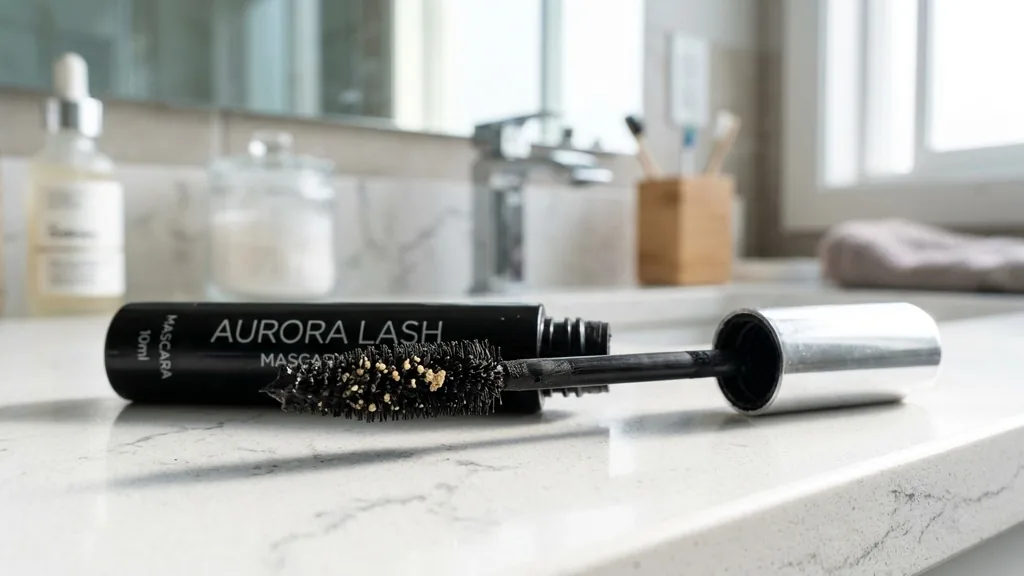
Maintaining eye health while perfecting your beauty routine requires knowing exactly how long to use mascara before it becomes a liability. While it is tempting to hold onto a favorite tube until the very last drop is dry, the reality of makeup hygiene is far more critical.
Most professionals and dermatological experts agree that you should replace your mascara every three months. This timeframe is not an arbitrary suggestion designed to make you spend more money; it is a vital safety precaution grounded in the reality of how bacteria interacts with the delicate environment of your eye.
When you open a new tube of product, you introduce air, moisture, and potential contaminants into the container. Every time you pull the wand out to apply the formula to your lashes and then push it back in, you are effectively pumping air and microscopic particles back into the reservoir.
Over the course of several months, this creates a breeding ground for microorganisms that can lead to irritation, infections, or more serious ocular health issues. Understanding the lifecycle of your beauty products is just as important as knowing how to apply them correctly.
The Science Behind Mascara Expiration
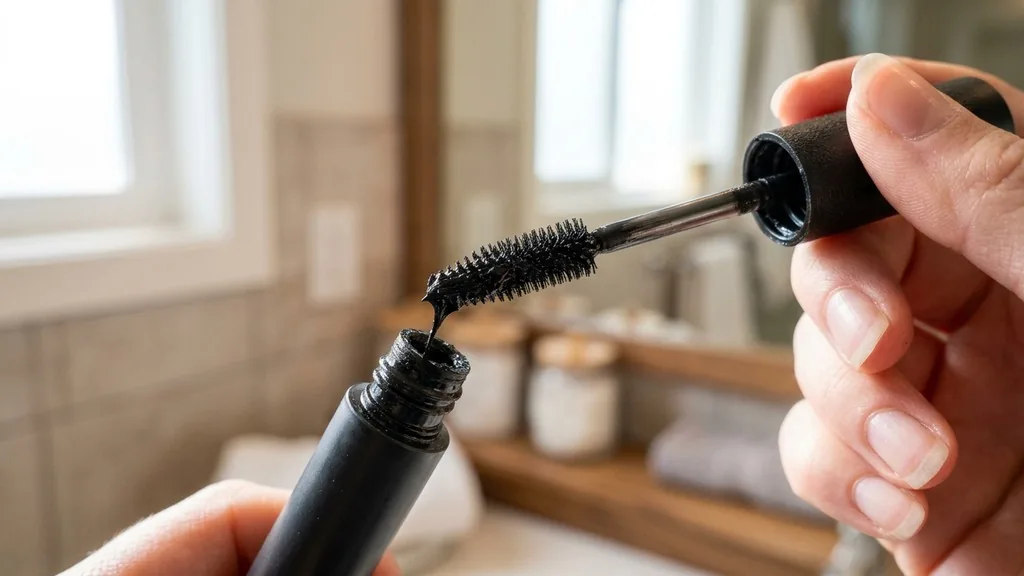
The primary reason for limiting the time you spend with a single tube of product is the accumulation of bacterial growth. Mascaras are typically water-based emulsions, which provide an ideal environment for microbes to thrive.
Once the seal of the packaging is broken, the preservatives inside the make-up begin to degrade. Even if the product still looks and smells fine, it may be harboring colonies of staphylococcus or pseudomonas, which are common culprits in eye infections like conjunctivitis.
The wand mechanism itself poses a physical risk. Because you are constantly moving the applicator between your eyes and the dark, damp interior of the tube, you are facilitating a cycle of contamination. If you have ever experienced a sudden bout of redness, itching, or a gritty sensation in your eyes, it is possible that your expired makeup is to blame.
Even if you do not see visible changes in the texture or scent, the chemical stability of the formula changes over time, making it less effective and potentially hazardous. It is important to note that the three-month rule applies to the period after you first open the product, not necessarily the date of manufacture.
Recognizing When Your Mascara Has Gone Bad
While three months is the standard benchmark for replacement, there are instances where you may need to toss your product much sooner. Environmental factors, such as storing your makeup in a humid bathroom or leaving the cap loosely tightened, can accelerate the spoilage process.
You should pay close attention to the sensory cues provided by the product itself. If you notice any of the following, you should discontinue use immediately:
- A noticeable change in smell: If the product starts to smell like vinegar, chemicals, or simply “off,” it is a sign that the preservatives have failed.
- Clumping and texture changes: When the formula becomes thick, gooey, or develops an uneven, lumpy consistency, it is no longer safe or effective to use.
- Flaking: If you notice significantly more fallout under your eyes throughout the day than when you first bought the product, the formula has likely dried out.
- Irritation: Any sensation of burning, stinging, or persistent itching after application is a clear indicator that the product needs to be discarded.
If you are unsure whether your product has reached its limit, you can check the manufacturer’s packaging for the PAO (Period After Opening) symbol. This is usually a small icon of an open jar with a number followed by an “M,” such as “6M,” indicating that the product is stable for six months. However, for mascara, most experts advise staying within the three-month window regardless of what the label suggests, as the eye area is particularly sensitive to contamination.
Risks of Using Expired Eye Makeup
The risks associated with using old makeup extend beyond simple eye irritation. When you apply a formula that has been contaminated with bacteria, you are essentially painting microbes directly onto your lash line.
From there, it is very easy for these pathogens to migrate into the conjunctiva or the tear ducts. This can lead to conditions such as blepharitis, which is an inflammation of the eyelid, or even more severe corneal infections.
According to the U.S. Food and Drug Administration (FDA), eye cosmetics should be handled with extreme care to prevent the introduction of harmful bacteria. Infections of the eye are not only painful but can sometimes lead to temporary or permanent vision impairment if left untreated.
By adhering to a strict replacement schedule, you eliminate one of the most common sources of preventable eye infections. Furthermore, using old, dried-out product can cause mechanical damage to your lashes, as the formula becomes brittle and can cause hairs to break or fall out prematurely during the removal process.
Storage Habits That Affect Product Longevity
How you store and handle your mascara plays a massive role in whether it will last the full three months. Many people inadvertently shorten the lifespan of their makeup through poor habits. One of the most common mistakes is “pumping” the wand in and out of the tube to get more product on the brush.
This action forces air into the tube, which accelerates the oxidation of the formula and causes it to dry out much faster. Instead of pumping, try to swirl the wand gently against the sides of the tube to pick up the desired amount of product.
Temperature and humidity control are also vital. Storing your makeup in a bathroom cabinet that is frequently subjected to steam from hot showers creates a warm, damp environment that encourages bacterial proliferation.
Instead, try to store your makeup in a cool, dry place, such as a bedroom vanity or a dedicated makeup organizer. Here is a comparison of how different storage environments can impact the life of your products:
| Storage Condition | Impact on Longevity | Risk Level |
|---|---|---|
| Cool, Dry Drawer | Maintains formula stability | Low |
| Bathroom Counter | Exposure to humidity and heat | Moderate |
| Direct Sunlight | Degrades chemical preservatives | High |
| Near Radiator/Heater | Rapid drying and ingredient separation | Very High |
By optimizing your storage, you ensure that the product remains at its best performance level for as long as possible, but remember that even with perfect storage, the three-month rule remains the gold standard for eye safety.
Addressing Common Myths About Mascara Use
There is a significant amount of misinformation circulating about how to “revive” old mascara. You may have seen tips suggesting that you add a few drops of water, saline solution, or even oil to a dried-out tube to make it last longer.
From an SEO and safety perspective, it is imperative to debunk this: you should never add foreign substances to your mascara. Adding water or other liquids introduces new sources of moisture and potential contaminants, which drastically changes the chemical composition of the preservative system.
If the manufacturer did not include these ingredients in the original formula, adding them yourself will likely render the preservatives ineffective, leaving the product completely unprotected against bacterial growth. Another common myth is that high-end or expensive brands do not expire as quickly as drugstore brands.
In reality, the chemistry is largely the same regarding the risk of bacterial contamination, regardless of the price point. Every tube of mascara, whether it costs five dollars or fifty, requires the same level of vigilance regarding its expiration date.
Maintaining Eye Hygiene During Application
Beyond simply replacing your product on time, your daily application habits significantly impact the health of your eyes. Hygiene is a two-way street; while the product can go bad, your tools can also harbor bacteria. If you are using a reusable spoolie or a brush that you do not clean regularly, you are reintroducing bacteria into the tube every single day.
To maintain the best possible eye health, consider these best practices:
- Never share your mascara: Sharing makeup is the fastest way to transmit eye infections between people.
- Avoid applying in moving vehicles: The risk of accidentally poking your eye with the wand is high, which can cause corneal abrasions that are highly susceptible to infection from the mascara itself.
- Remove makeup thoroughly every night: Leaving residue on your lashes can cause irritation and trap bacteria against the eyelid.
- Discontinue use if you have an eye infection: If you develop a stye, pink eye, or any eye irritation, stop using your current mascara immediately and throw it away. Do not try to “wait out” the infection with the same product, as you will likely re-infect yourself.
It is also worth noting that if you have very sensitive eyes, you might want to look for products labeled as “ophthalmologist-tested” or “hypoallergenic.” While these products still expire, they are formulated to reduce the likelihood of allergic reactions. However, no amount of testing can override the need for regular replacement.
FAQ: Common Questions About Mascara Safety
How often are you supposed to replace your mascara?
You should replace your mascara every three months. This timeframe begins from the moment you first open the tube. Even if the product still seems to be in good condition, the preservatives in the formula lose their effectiveness over time, increasing the risk of bacterial contamination.
Can I use mascara that is several years old?
Absolutely not. Using mascara that is years old is extremely dangerous for your eye health. Over time, the preservatives break down, and the tube becomes a breeding ground for harmful bacteria. Using such old products can lead to severe eye infections, inflammation, and potential long-term damage.
Does mascara on lower lashes age you?
Applying mascara to lower lashes can sometimes accentuate fine lines or dark circles if the product smudges or flakes. If you have mature skin, it is often recommended to use a waterproof or smudge-proof formula and to apply it sparingly to avoid drawing attention to the under-eye area.
What happens when you leave mascara on too long?
Leaving mascara on overnight or for extended periods can cause eye irritation, dryness, and clogged follicles. Over time, this habit can lead to lash breakage and even infections like blepharitis. Always cleanse your lashes thoroughly before bed to allow your eye area to breathe and recover.


