

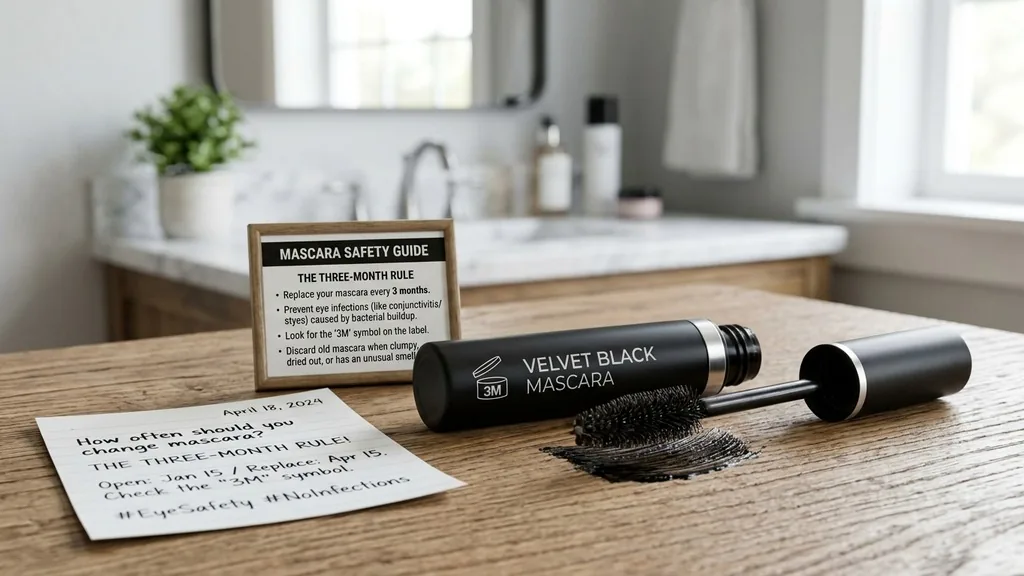
Maintaining eye health is just as important as achieving the perfect lash volume. Many beauty enthusiasts find themselves wondering exactly how often should you change mascara, yet the answer is frequently ignored in favor of waiting until the product runs dry. The reality is that your mascara tube is a hotbed for microbial growth.
Because you are constantly inserting a wand into a dark, damp, and nutrient-rich environment and then applying it to the delicate skin and hair around your eyes, you are essentially creating a petri dish every time you get ready. Understanding the timeline for replacement is not just about product quality; it is a fundamental aspect of hygiene that protects your vision.
The Three-Month Rule for Mascara Safety
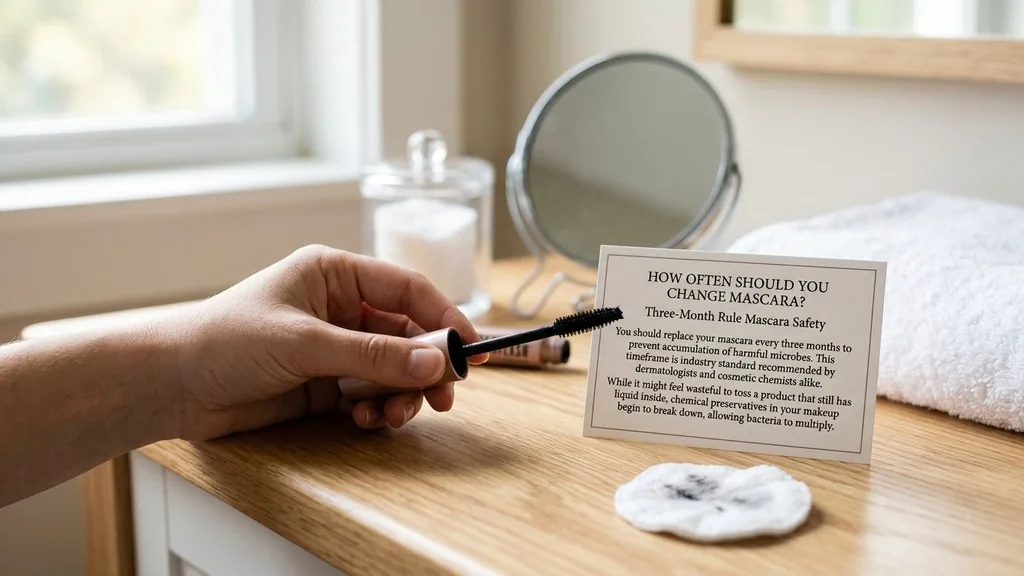
You should replace your mascara every three months to prevent the accumulation of harmful microbes. This timeframe is the industry standard recommended by dermatologists and cosmetic chemists alike. While it might feel wasteful to toss a product that still has liquid inside, the chemical preservatives in your makeup begin to break down long before the formula appears “empty.”
Once you open a new tube, the clock starts ticking. Exposure to air introduces oxygen and potential contaminants into the container. Over the course of ninety days, the effectiveness of the preservatives inside the tube wanes, making it significantly harder for the product to fight off the microscopic organisms that inevitably migrate from your eyelashes into the vessel.
If you continue to use a tube past this three-month window, you increase your risk of experiencing irritation, redness, or more severe complications. It is a small price to pay for the long-term health of your eyelids and the integrity of your ocular surface.
Why Bacteria Love Your Mascara Tube
The primary reason you need to replace your makeup regularly is the rapid growth of bacteria within the tube. Every time you pull the wand out, you expose the interior to the air.
When you push it back in, you introduce moisture and potential pathogens from your lash line into the dark, enclosed space of the container. This cycle provides the perfect environment for organisms like Staphylococcus aureus or Pseudomonas aeruginosa to thrive.
Because mascara is a liquid-based product, it provides a stable medium for these microbes to multiply. Unlike powder products, which are much drier and inhospitable to life, mascara remains damp throughout its lifespan.
When you apply this contaminated product to your eye area, you are essentially painting your lashes with a solution that may contain a significant bacterial load. Even if you don’t notice an immediate reaction, consistent exposure to these pathogens can disrupt the natural microbiome of your eye, leading to chronic discomfort or styes that seem to appear out of nowhere.
Signs It Is Time to Replace Your Makeup
Beyond the strict three-month rule, there are clear physical indicators that your product has reached the end of its functional life. If you notice any of these changes, it is time to discard the item immediately, regardless of how recently you purchased it.
- Change in Odor: If your mascara develops a sharp, chemical, or “off” smell, the preservative system has likely failed.
- Texture Alterations: A formula that has become clumpy, dry, or stringy is a sign of degradation. Do not try to “fix” this by adding water or oil.
- Irritation or Redness: If your eyes feel itchy, sting, or look bloodshot after application, stop using the product immediately.
- Separation of Ingredients: If the pigment and the liquid base have visibly separated and will not mix back together, the formula is compromised.
Ignoring these signs can lead to uncomfortable and potentially dangerous eye infections. It is always better to err on the side of caution when dealing with products that come into direct contact with such a sensitive area of your face.
Comparing Replacement Schedules for Eye Products
Not all beauty products carry the same risk profile. While mascara requires the most frequent replacement due to its high-moisture environment, other items in your kit have different lifespans.
Understanding these differences helps you keep a clean and safe makeup bag. The following table provides a quick reference for when to cycle out your various eye-related cosmetics.
| Product Category | Recommended Replacement Interval |
|---|---|
| Mascara | 3 Months |
| Liquid Eyeliner | 3 to 6 Months |
| Cream Eyeshadow | 6 Months |
| Powder Eyeshadow | 12 to 24 Months |
| Pencil Eyeliner | 12 Months (if sharpened regularly) |
As shown in the table, liquid products are consistently higher risk than powders. This is because bacteria require water to grow. By maintaining a strict schedule for your liquid liners and mascaras, you significantly reduce the overall bacterial load in your daily beauty routine.
The Risks of Sharing Makeup
One of the fastest ways to introduce foreign bacteria into your mascara tube is by sharing it with others. Even if you trust the person, you have no way of knowing what their personal bacterial flora looks like.
When you share a wand, you are essentially swapping pathogens. This practice is a leading cause of outbreaks of pink eye, or conjunctivitis, in social settings or among friends who share beauty supplies.
If you are a makeup artist or someone who enjoys doing makeup for friends, you must use disposable spoolies. Never double-dip a used spoolie back into the main tube. Once a wand has touched a client’s lashes, it should go directly into the trash.
Taking these precautions ensures that you aren’t cross-contaminating your products. Remember, your eye health is not worth the convenience of sharing a tube of mascara. If you find yourself in a situation where you don’t have your own products, it is far safer to go without than to risk an infection from a shared wand.
Proper Storage to Extend Product Integrity
How you store your beauty products plays a massive role in how long they last. Many people keep their makeup in the bathroom, which is arguably the worst place for it.
Bathrooms are notoriously humid and prone to temperature fluctuations due to showers and hot water usage. This damp, warm environment accelerates the growth of bacteria and can cause the chemical composition of your mascara to break down much faster than it would in a stable environment.
Instead, keep your makeup in a cool, dry place away from direct sunlight. A bedroom vanity or a dedicated storage drawer is ideal. Always ensure the cap is tightened completely after every single use.
If the tube is not sealed properly, air will enter, leading to the product drying out prematurely and allowing airborne contaminants to settle on the wand. By keeping your products in a temperate environment and ensuring they are tightly sealed, you help the formula maintain its stability for the duration of its intended lifespan. You can find more information on general hygiene practices from the Food and Drug Administration’s guide to eye cosmetic safety.
Addressing Topical Gaps: The Truth About “Natural” Mascara
A common misconception is that “natural” or “organic” mascaras are safer and therefore don’t need to be replaced as often. In reality, the opposite is often true.
Because these products typically contain fewer or less potent synthetic preservatives, they are often more susceptible to microbial contamination. If a product claims to be preservative-free, it is highly likely to host bacteria much sooner than a traditional formula.
If you prefer natural beauty products, you must be even more diligent about your replacement schedule. In some cases, these products may only remain safe for one to two months. Always check the packaging for a “Period After Opening” (PAO) symbol, which looks like an open jar with a number inside.
This number indicates how many months the product remains stable after it has been unsealed. If you are using a clean beauty product, respect the manufacturer’s specific guidelines, as they are often based on the specific stability testing of that formula’s unique, natural ingredients.
How to Clean Your Eye Area
Maintaining the health of your eyes involves more than just swapping out old makeup; it involves how you remove it as well. If you leave remnants of mascara on your lashes overnight, you are inviting debris to settle into your lash follicles. This can cause blockages of the oil glands in your eyelids, leading to conditions like blepharitis, which causes crusty, red, and swollen lash lines.
Use a gentle, oil-based or micellar cleanser to ensure every trace of product is removed before you sleep. Avoid harsh tugging or pulling, as this can damage the delicate hair follicles and cause your lashes to become brittle.
Once the makeup is removed, you might consider using a lash serum or a clean spoolie to brush through your lashes, which helps keep the follicles clear. By pairing a consistent replacement schedule with a thorough cleansing routine, you create a comprehensive defense against eye irritation and infection.
FAQ Section
- Can I use mascara for longer than 3 months if it still smells fine? No. Even if the product smells and looks normal, it likely contains a high concentration of invisible bacteria. The preservatives have likely degraded, making it unsafe to use on your eyes. Always discard it after three months to protect your vision.
- Does waterproof mascara last longer than regular formula? Waterproof formulas are generally more stable, but they still require replacement every three months. While they resist water, they are still prone to bacterial growth once the seal is broken and the wand is repeatedly exposed to air and skin contact.
- What should I do if I get an eye infection? If you develop an eye infection, immediately stop using all eye makeup. Throw away every product that was in contact with your eyes during the infection, as these are now contaminated. Consult an eye doctor and wait until the infection has completely cleared before using new products.
- Is it okay to add water to dry mascara to make it last longer? Never add water, saliva, or oils to your mascara. This introduces new bacteria and further dilutes the preservatives, creating an environment where germs can multiply rapidly. If your mascara is dry, it has reached the end of its life and should be replaced.
Consistently following these guidelines ensures that your daily beauty routine supports, rather than compromises, your health. While it may be tempting to hold onto a favorite tube until the very last drop, the risk of infection simply isn’t worth it. By marking your calendar and treating your eye products with the care they deserve, you can enjoy defined lashes without the worry of irritation or worse.
Keep your supplies fresh, store them properly, and never compromise on the three-month rule. Your eyes will thank you for the extra attention to detail and hygiene.


