

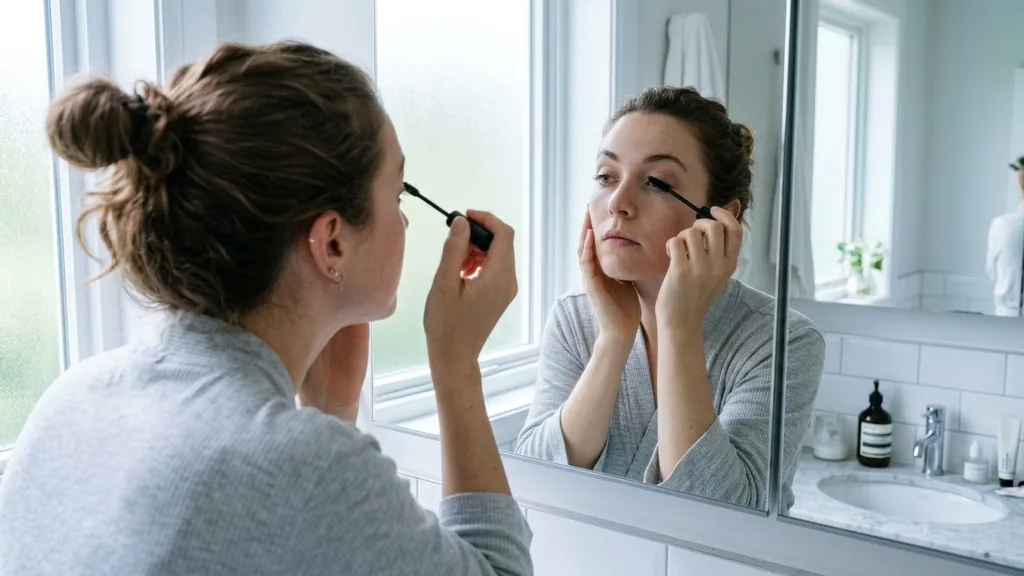
Many beauty enthusiasts wonder if the ritual of applying pigment to their lashes on a daily basis causes long-term harm. The question of whether it is bad to wear mascara everyday is a common concern for those who rely on this cosmetic staple to define their gaze.
While mascara is generally safe for the vast majority of users, the cumulative effect of constant application, potential chemical irritation, and the mechanical stress of removal can influence the health of your eyelashes. Understanding the relationship between your beauty routine and ocular health is essential for maintaining both aesthetic appeal and physical comfort.
The Mechanics of Daily Mascara Application
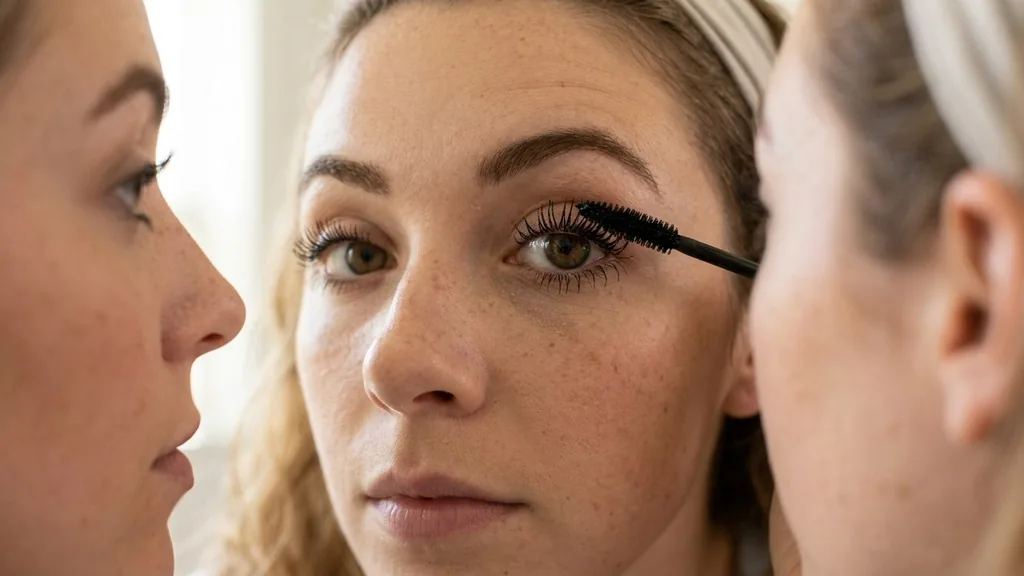
At its core, mascara is a cosmetic product designed to coat, thicken, darken, and lengthen the appearance of eyelashes. When you decide to wear mascara every day, you are essentially creating a physical barrier on delicate hairs that have a natural life cycle.
Eyelashes are not just for aesthetic appeal; they serve a vital biological function by protecting the eye from debris, dust, and sweat. By applying a layer of wax, pigment, and polymers daily, you are temporarily altering the weight and flexibility of these fine hairs.
For most people, the product itself is not the primary culprit for damage. Modern formulations are rigorously tested for safety. However, the issue often arises from the consistency of use.
When you apply mascara morning after morning, you are exposing the eyelid skin and the hair follicles to ingredients that, if left on too long or not cleaned properly, can cause buildup. This buildup can lead to clogged follicles or even mild inflammation at the lash line. If you notice your lashes feeling brittle or appearing sparse, it may be a sign that the hair is struggling to recover from the weight of heavy, volumizing formulas used without a break.
Risks Associated with Improper Makeup Removal
The most significant danger associated with using mascara every day is not the application itself, but the process of makeup removal. Many individuals, in their haste to finish their nightly routine, engage in aggressive rubbing or tugging at the eye area.
The skin around the eye is the thinnest on the human body, and the lashes themselves are prone to breakage if subjected to friction. If you are not using an effective, gentle cleanser, you are likely pulling on your lashes, which can lead to premature shedding.
To minimize damage, it is crucial to use a dedicated eye makeup remover or a gentle cleansing balm that breaks down the mascara before you even touch your lashes with a cotton pad or cloth. If you leave residue on your lashes overnight, the formula hardens, making the hairs stiff and more susceptible to snapping during your morning wash.
A common mistake is using waterproof formulas on a daily basis, which are notoriously difficult to remove and often require harsh scrubbing. By adopting a “soak, don’t scrub” mentality, you can protect your natural lashes from mechanical trauma, even if you choose to wear makeup throughout the week.
Comparing Mascara Types and Their Daily Impact
Not all mascaras are created equal, and the type of product you choose can dictate how much stress you place on your lashes over time. Understanding the differences between standard, waterproof, and tubing mascaras can help you make a more informed choice for your daily routine.
| Mascara Type | Daily Suitability | Removal Difficulty | Impact on Lash Health |
|---|---|---|---|
| Standard (Water-soluble) | High | Easy | Minimal |
| Waterproof | Low | High | Higher risk of breakage |
| Tubing | High | Very Easy (Warm water) | Minimal/Protective |
As the table above illustrates, waterproof mascara is the most challenging for your lashes due to the intense scrubbing required for removal. If you must use a long-wear formula, consider reserving it for special occasions rather than making it a daily habit. Tubing mascaras are an excellent alternative for daily use because they create polymer “tubes” around each lash that slide off easily with warm water, eliminating the need for harsh cleansers or excessive friction.
Addressing Ocular Health and Sensitivity
Beyond the health of your eyelashes, you must consider the sensitivity of the eye itself. The eyes are highly susceptible to irritation, and introducing foreign substances near the lash line every single day increases the likelihood of an allergic reaction or infection.
Ingredients like preservatives, fragrances, and certain pigments can trigger contact dermatitis in some individuals. If you experience redness, itching, or swelling of the eyelids, it is likely that your daily mascara use is contributing to an inflammatory response.
Furthermore, the “wand” used to apply mascara can become a breeding ground for bacteria over time. Every time you pull the wand out and push it back in, you introduce air and potential contaminants into the tube. To maintain ocular hygiene, it is recommended to replace your mascara every three months.
If you notice your eyes feeling gritty or dry, consult an American Academy of Ophthalmology resource on eye makeup safety to ensure you are not inadvertently causing a bacterial infection or chronic blepharitis. If you have sensitive eyes, look for ophthalmologist-tested formulas that are free from common irritants.
Topical Gaps: How to Give Your Lashes a “Vacation”
A frequent gap in advice regarding daily mascara use is the concept of a “lash holiday.” Many people assume that if they wear makeup every day, they must continue doing so indefinitely.
However, incorporating periods where you go bare-faced is one of the most effective ways to maintain lash health. Giving your lashes a break allows the hair follicles to breathe and recover from the constant weight of cosmetic products.
* Designate at least one or two days a week as “makeup-free” days to reduce the burden of product removal.
* Use a lash conditioning serum during your break days to support hair strength and hydration.
* Avoid curling your lashes on days you aren’t wearing mascara to prevent further mechanical stress.
* Ensure your eyelids are clean and free of oils before applying any products to reduce the chance of buildup.
By intentionally cycling your makeup use, you provide your lashes with the downtime needed to grow and thrive. This practice also helps you monitor the natural state of your lashes, making it easier to spot if your mascara might be causing irritation or breakage.
Best Practices for Sustainable Daily Use
If you are committed to wearing mascara every day, you can mitigate the risks by refining your application and maintenance habits. The goal is to maximize the aesthetic benefit while minimizing the physical toll on your eyes.
First, always prioritize high-quality products that contain conditioning agents like panthenol or vitamin E. These ingredients help keep the hair flexible, reducing the likelihood that the lashes will become brittle and snap.
Second, be mindful of how you apply the product. Start at the base of the lashes and wiggle the wand upward; avoid pumping the wand in the tube, as this pushes air inside and causes the product to dry out and clump. When the mascara is dry and clumpy, it becomes heavy and difficult to remove.
Additionally, never share your mascara with others, as this is a fast track to spreading eye infections. If you notice a change in the smell or texture of your mascara, discard it immediately, even if it hasn’t been three months yet. Finally, prioritize a gentle, effective double-cleansing method—using an oil-based cleanser first to melt the mascara, followed by a water-based cleanser to remove all traces of product—to ensure your lash line is perfectly clean every single night.
FAQ: Common Questions About Mascara Usage
Is it safer to wear mascara every day if I use a natural brand?
While “natural” brands may avoid certain synthetic preservatives, they are not inherently safer for your lashes. Any cosmetic product can cause irritation if used daily. Focus on products that are ophthalmologist-tested and hypoallergenic, regardless of whether they are marketed as natural or conventional.
Can daily mascara use cause my eyelashes to fall out?
Mascara itself does not usually cause hair loss, but the act of removing it does. If you pull, tug, or rub your eyes aggressively to remove waterproof mascara, you can cause mechanical breakage or pull out eyelashes before their natural growth cycle is complete.
Should I stop wearing mascara if my eyes feel itchy?
Yes, if you experience persistent itching, redness, or burning, you should stop using your current mascara immediately. These are common symptoms of an allergic reaction or irritation. If the symptoms persist after you stop using the product, consult an eye care professional to rule out infection.
How can I tell if my mascara is damaging my lashes?
Signs of damage include lashes that look shorter, thinner, or more brittle than usual. If you notice frequent breakage or if your lash line looks sparse, consider taking a break from mascara for two weeks and using a nourishing lash serum to help them recover.


