

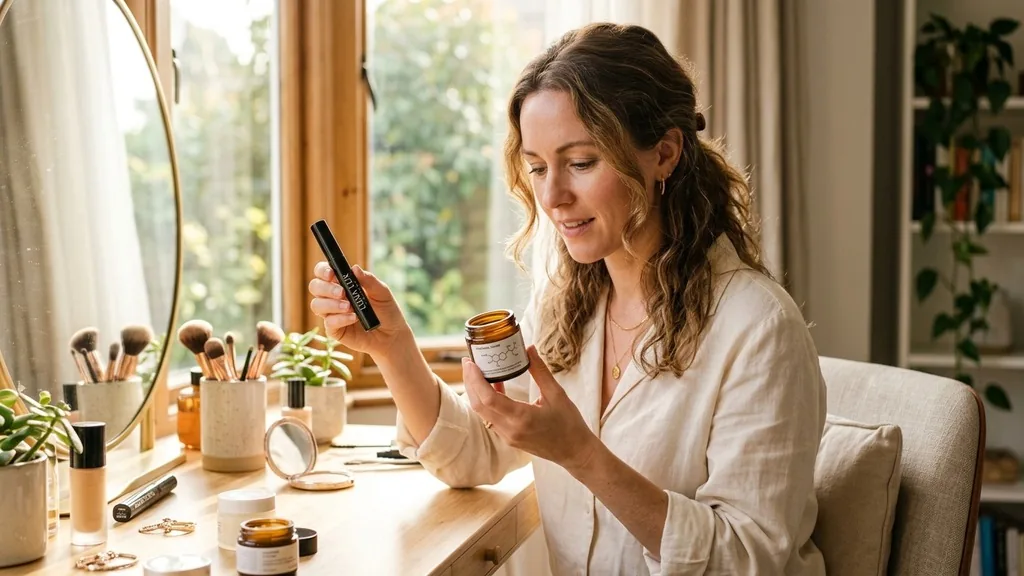
The persistent urban legend that mascara is made from bat poop has circulated in beauty circles for decades, often surfacing in whispered conversations or alarmist social media posts. The rumor suggests that the dark, volumizing effect of your favorite lash product is derived from the excrement of nocturnal flying mammals.
To understand why this myth remains so sticky, one must separate the scientific reality of cosmetic chemistry from the confusion surrounding the term guanine. While the idea that your makeup bag contains waste matter is certainly sensational, the reality is far more grounded in molecular biology than in biological refuse.
The Chemical Confusion: Guanine vs. Guano
The primary driver behind the myth that mascara is made from bat poop is a linguistic misunderstanding of the word guanine. In the world of cosmetics, guanine is a common ingredient used to provide a pearlescent or shimmering finish to various beauty products, including nail polishes, eyeshadows, and occasionally some types of mascara.
The word guanine is derived from the Spanish word guano, which refers to bat or bird excrement. This etymological link is where the confusion begins and ends for most consumers.
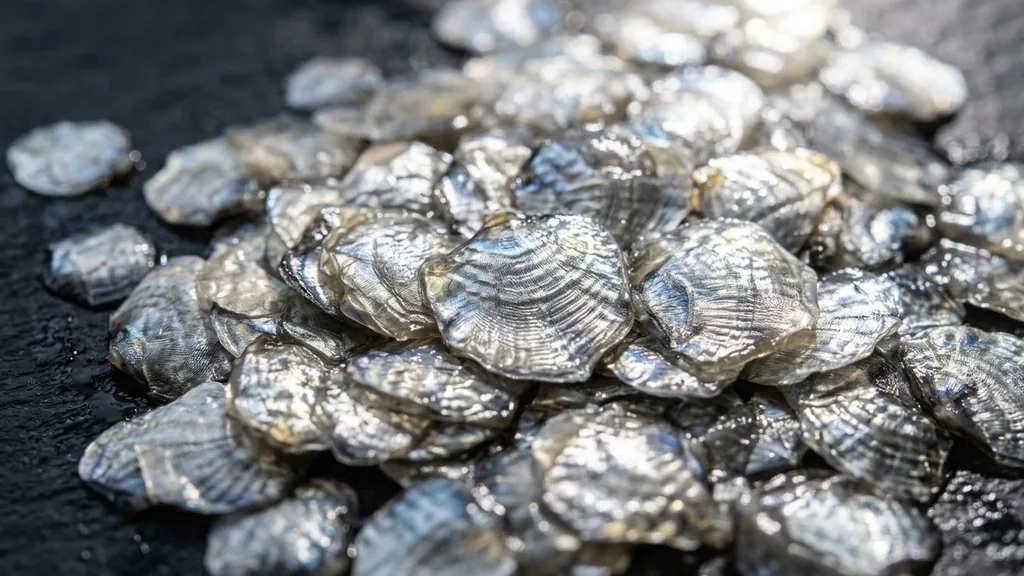
Guanine is a crystalline material that occurs naturally in the scales of fish, such as herring. When processed, it forms thin, transparent crystals that reflect light to create a lustrous, iridescent effect. Because it shares a root word with guano, many people wrongly assume that the shimmering particles in their cosmetics are sourced from animal waste.
In reality, the cosmetic industry sources guanine from fish scales, not from the caves where bats roost. The confusion is purely semantic, yet it has fueled a persistent narrative that beauty companies are incorporating fecal matter into their formulations.
It is important to note that while guano—the actual droppings of bats—is rich in nitrogen and phosphorus and is highly valued as an agricultural fertilizer, it has absolutely no place in the production of modern cosmetics. The biological composition of bat guano is incompatible with the sterile, regulated requirements of the beauty industry. If a company were to attempt to use such a substance, they would face immediate regulatory shutdowns and severe health safety violations.
The Actual Ingredients Found in Modern Mascara
If mascara is not made from bat droppings, what are the actual ingredients that give your lashes that dark, dramatic, and long-lasting look? Modern mascara formulations are complex mixtures of pigments, waxes, and oils, all balanced to ensure the product remains stable, safe for the delicate eye area, and easy to apply. The primary goal of a mascara is to coat the lashes in a flexible, smudge-resistant film that enhances their appearance without causing irritation.
The dark color that consumers desire is typically achieved through the use of synthetic or natural pigments. Carbon black, iron oxides, and ultramarines are the industry standards for creating the deep, intense shades of black and brown found in almost every tube on the market. These pigments are finely milled to ensure a smooth application that does not clump on the lash.
Beyond pigments, the structural integrity of mascara relies on a delicate balance of waxes and oils. These ingredients work together to provide the texture and hold that keeps lashes curled and separated throughout the day. By understanding the specific role of each component, it becomes clear why high-quality, lab-tested ingredients are necessary for both efficacy and safety.
- Pigments: Iron oxides and carbon black provide deep, consistent color.
- Waxes: Beeswax, carnauba wax, and candelilla wax provide structure and volume.
- Oils: Mineral oils, castor oil, or synthetic polymers provide a smooth, glide-on texture.
- Preservatives: Parabens, phenoxyethanol, or other agents prevent bacterial growth in the tube.
- Film Formers: Polymers that help the mascara stick to the lashes and resist flaking.
Why the Bat Poop Myth Persists
The longevity of the bat poop myth can be attributed to the “ick factor” and the lack of transparency in early 20th-century cosmetic labeling. In the past, the beauty industry was far less regulated than it is today.
Historically, some strange and even dangerous ingredients were used in makeup, which created an environment where rumors about bizarre product origins could easily take root. Once a story enters the public consciousness, it becomes difficult to dislodge, even with scientific evidence to the contrary.
Furthermore, the internet has accelerated the spread of this myth. A simple, sensational claim about what is mascara made from bat poop is much more likely to be shared on social media than a dry, technical explanation of cosmetic chemistry. The human brain is evolutionarily predisposed to pay attention to potential threats—like the idea of putting toxic waste on one’s eyes—which makes these types of myths go viral regardless of their factual accuracy.
The beauty industry has also historically struggled with transparency. When consumers cannot easily understand the chemical names listed on a product label, they are more likely to fill in the gaps with their own interpretations or hearsay. Brands that focus on clean beauty and ingredient transparency are doing a great deal to combat these misconceptions by providing clear, accessible information about the origin of their components.
Regulatory Standards and Safety Testing
One of the most compelling reasons why mascara is not made from bat poop is the existence of stringent international regulatory bodies. Organizations like the U.S.
Food and Drug Administration (FDA) oversee the safety of cosmetics sold to the public. These agencies require that all ingredients used in makeup products must be safe for their intended use, especially when applied to sensitive areas like the eyes.
The eyes are an incredibly delicate part of the body, and the risk of infection or reaction is high if a product is contaminated. If a manufacturer were to use bat guano, or any other unsanitary material, the product would be considered adulterated under federal law. Such a violation would lead to product recalls, massive lawsuits, and the permanent closure of the manufacturing facility.
Safety testing for mascara involves rigorous checks for microbial growth, heavy metals, and potential irritants. Before a product hits the shelves, it undergoes stability testing to ensure that the preservatives remain effective over the course of the product’s lifespan. This means that even if someone wanted to use an unconventional ingredient, the regulatory landscape makes it functionally impossible to do so without immediate detection.
| Ingredient Type | Common Source | Purpose in Mascara |
|---|---|---|
| Pigments | Iron Oxides / Carbon Black | Provides dark, opaque color |
| Waxes | Beeswax / Carnauba | Provides volume and hold |
| Shimmer Agents | Fish Scales (Guanine) | Creates iridescent finish |
| Preservatives | Phenoxyethanol | Prevents mold and bacteria |
Addressing Topical Gaps: What is Actually in Old Mascara?
A common point of confusion is the difference between modern mascara and the products used in the early 20th century. In the late 1800s and early 1900s, women often used “cake mascara,” which was a dry block of pigment and binder that required a damp brush to activate. While these products were primitive by today’s standards, they were essentially composed of soap, pigments, and waxes.
Some historical accounts mention the use of coal dust or lampblack (a form of carbon black) to darken the lashes. These methods were certainly messy and potentially irritating, but they did not involve animal waste. The idea that “old” mascara was made from bat poop likely stems from a conflation of these early, somewhat mysterious formulations with the later discovery of guanine as a shimmering ingredient.
It is helpful to distinguish between what people think was in old products and what was actually present. Because historical manufacturing lacked the standardized labeling we see today, it was easy for rumors to spread about the “secret ingredients” that gave women their dramatic look. However, the chemistry of the era was focused on basic binders and pigments, not on the incorporation of biological waste products which would have been difficult to stabilize and highly prone to causing eye infections.
How to Verify Your Cosmetics
For consumers who remain concerned about the origins of their beauty products, the best defense is education and label literacy. Rather than relying on urban legends, you can look directly at the ingredient list on the back of the packaging or the brand’s official website. If you are concerned about animal-derived ingredients, look for the “vegan” or “cruelty-free” certifications, which are becoming standard across the industry.
Many modern brands now prioritize “clean beauty,” which often involves avoiding synthetic polymers or parabens in favor of botanical alternatives. While these formulations are different from traditional drugstore mascaras, they provide the same aesthetic benefits without the confusion surrounding complex chemical names.
If you are ever in doubt about a specific ingredient, you can search for it in a reputable cosmetic database. These databases break down the function, origin, and safety profile of thousands of ingredients, allowing you to see exactly what you are putting on your lashes. By taking this proactive approach, you can move past the fear-mongering and make informed decisions about your beauty routine based on facts rather than myths.
Frequently Asked Questions
Is bat poop actually used in any modern cosmetic products?
No. Bat guano is not used in any modern cosmetic products. It is primarily used as a high-nitrogen fertilizer in agriculture. The confusion stems entirely from the linguistic similarity between the word guano and the chemical compound guanine, which is used for its shimmering properties.
Why is the word guanine associated with bat poop?
Guanine is a chemical compound found in many living organisms, including fish scales. The word itself is etymologically derived from the Spanish word guano, which means dung. This shared root word is the source of the persistent myth that cosmetics containing guanine are made from excrement.
Are there any harmful ingredients in mascara I should worry about?
While mascara is not made from bat poop, some people may be sensitive to specific preservatives like parabens or formaldehyde releasers. If you have sensitive eyes, look for ophthalmologist-tested formulas or products labeled as hypoallergenic to minimize the risk of irritation or allergic reactions.
Does mascara contain spider legs or other animal parts?
No, mascara does not contain spider legs or other animal parts. Modern mascara is a carefully engineered emulsion of waxes, oils, pigments, and polymers. These ingredients are chosen for their ability to coat lashes safely and effectively, and they are strictly regulated by health authorities for safety.


