

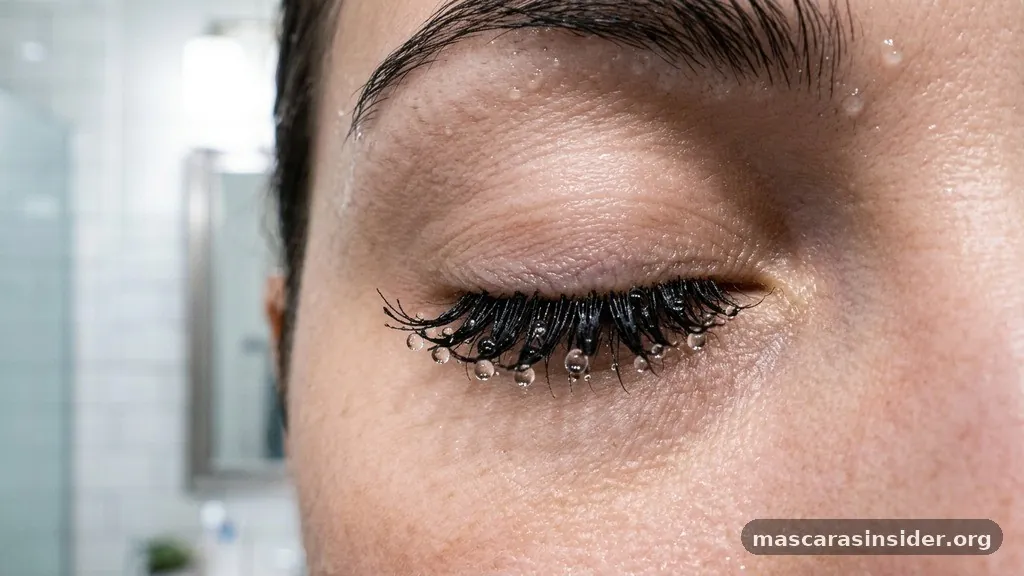
Waterproof mascara is brilliant for surviving a sweaty gym session, a rainy commute, or a tearful wedding toast — but taking it off at the end of the day? That’s where the struggle usually begins. If you’ve ever gone to bed with panda eyes because your usual cleanser just wouldn’t budge the stuff, you’re not alone.
Learning how to remove waterproof mascara the right way protects your delicate lashes, keeps the skin around your eyes calm, and saves you from that aggressive rubbing that leads to fallout and irritation. In this guide I’ll walk you through what actually works, what to avoid, and a few clever tricks for when you’ve run out of remover.
Why Waterproof Mascara Is So Stubborn
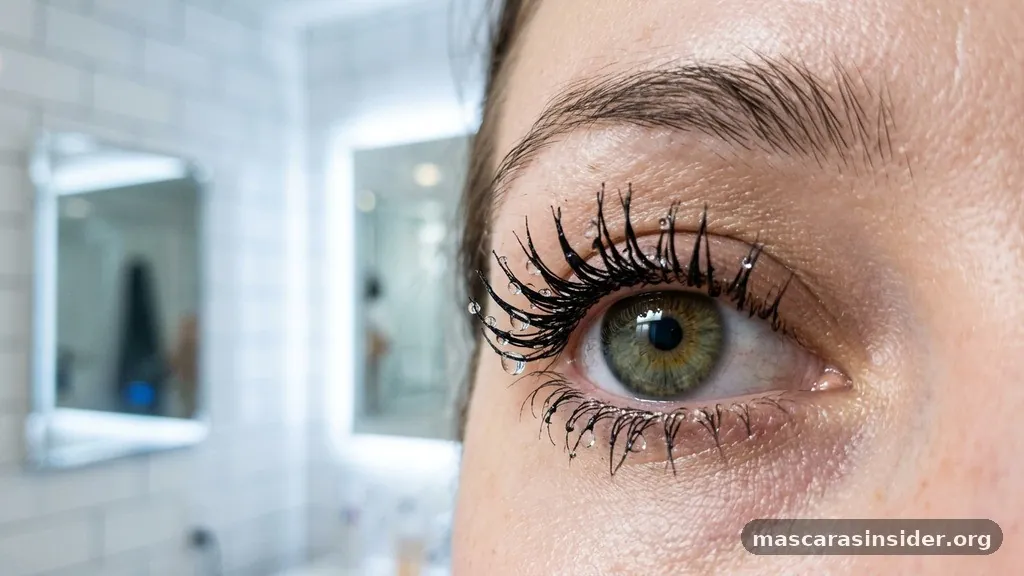
The short answer: waterproof mascara is designed to repel water, so water alone will barely touch it. Regular mascara uses water-soluble ingredients, but waterproof makeup relies on waxes and film-forming polymers that create a flexible, water-resistant coating over each lash. That’s exactly why splashing your face at the sink does almost nothing — the formula literally shrugs off moisture.
Because these formulas are oil-loving rather than water-loving, the golden rule is simple: oil breaks down waterproof mascara. Oil dissolves the waxy barrier so the pigment lifts away cleanly instead of smearing around. This is the science behind nearly every effective removal method, whether you’re using a dedicated bi-phase remover or a spoonful of coconut oil from the kitchen cupboard.
People often ask why their waterproof mascara won’t come off even after washing. Usually it’s because they’re using a water-based cleanser and scrubbing harder to compensate. That rubbing is the worst thing you can do — it stresses the lash follicles, tugs skin that’s thin and prone to fine lines, and can cause lashes to snap.
The trick isn’t more force, it’s the right product and a little patience. Give the remover time to do the dissolving for you.
- Waxes and polymers make the formula cling to lashes and resist water.
- Oil-based removers dissolve that coating so pigment wipes away.
- Time matters — letting the product sit for a few seconds does most of the work.
- Gentle handling protects both your lashes and the fragile eye area.
The Best Way to Remove Waterproof Mascara Step by Step
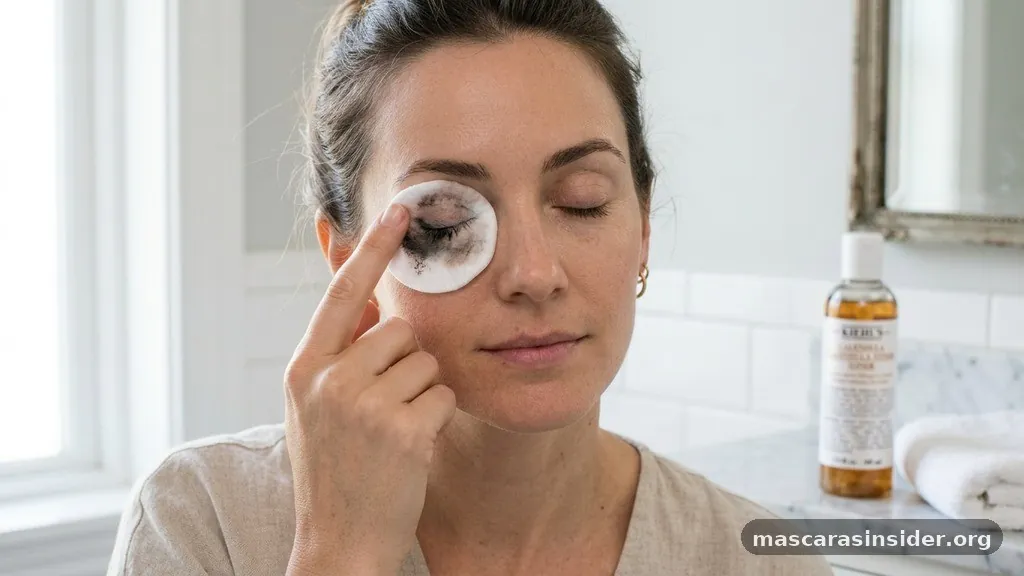
The most reliable method uses an oil-based makeup remover or a bi-phase (oil-and-water) formula applied with a soft cotton pad. Here’s the routine I recommend to just about everyone, from beginners to seasoned makeup lovers.
- Wash your hands first. You’ll be working right next to your eyes, so clean hands keep bacteria away.
- Soak a cotton pad with your remover. If it’s a two-phase liquid, shake the bottle so the oil and water combine before you saturate the pad.
- Press and hold the pad against your closed eye for about ten to fifteen seconds. This soak time is the step most people skip — it lets the oil dissolve the mascara so you don’t have to scrub.
- Wipe gently in a downward motion, following the natural direction of your lashes. Never scrub side to side; that just breaks lashes and drags product into your eye.
- Roll the pad down the lash from root to tip to catch the last of the pigment.
- Use a fresh pad or a cotton swab for any stubborn flecks along the lash line.
- Finish with your regular cleanser to lift the leftover oil so your skincare can absorb properly.
That double-cleansing habit — oil first, then a water-based wash — is exactly what dermatologists suggest for anyone wearing long-wear eye makeup. The American Academy of Dermatology also stresses gentle face washing without harsh rubbing, which applies double for the thin skin around your eyes. Treat the area softly and you’ll keep it looking younger for longer.
How to Remove Waterproof Mascara Without a Remover
Yes, you can absolutely get waterproof mascara off without a store-bought product — the key is still choosing something oil-based. This is a lifesaver when you’re travelling, out of remover, or just prefer more natural options. Below are the pantry and bathroom staples that actually work.
| Product | How It Works | Best For |
|---|---|---|
| Coconut oil | Dissolves waxes fast; conditions lashes | Dry skin, natural routines |
| Olive oil | Breaks down pigment gently | Emergency at-home removal |
| Vaseline (petroleum jelly) | Loosens mascara so it wipes off | Very stubborn buildup |
| Micellar water | Micelles grab oil and makeup | Sensitive eyes, quick cleansing |
| Baby oil | Slick oil that lifts waterproof film | Fast, cheap removal |
To use any oil, dab a small amount onto a cotton pad or your fingertip, press it over closed eyes, wait a few seconds, then wipe downward. Does Vaseline remove waterproof mascara? It does — the jelly loosens the formula so it slides off, though you’ll want to cleanse afterward because it leaves a greasy film that can clog pores if left on.
A quick word on micellar water: it’s not technically oil-free in effect, since the tiny micelles behave like magnets for oil and makeup. It works well for lighter waterproof formulas and is a favourite for sensitive eyes because it doesn’t require much rubbing. For truly heavy-duty mascara, though, a proper oil or bi-phase remover still wins.
Gentle Removal Tips for Sensitive Eyes and Lash Health
If your eyes water, sting, or get red during makeup removal, your technique probably needs softening more than your product needs changing. The eye area has no oil glands and the skin is remarkably thin, so it deserves the same care you’d give a healing scratch. Being gentle isn’t just comfort — it’s genuine lash protection.
Here are the habits that make the biggest difference:
- Never rush. Rushing means rubbing, and rubbing causes lash fallout and puffiness.
- Always soak, then wipe. Let the remover sit before you move the pad.
- Wipe downward, following the lash. A downward motion respects how lashes grow.
- Pick fragrance-free, ophthalmologist-tested products if you’re prone to irritation.
- Avoid getting remover directly in the eye — keep eyes closed while you work.
- Condition afterward. A tiny bit of coconut oil or a lash serum keeps lashes flexible.
Contact lens wearers should take them out before removing makeup so no product or oil residue gets trapped against the eye. And if you wear lash extensions, skip the oils entirely — oil dissolves the adhesive too, so reach for an oil-free foam cleanser made for extensions instead.
Consistency matters as well. Going to bed in waterproof makeup lets pigment settle into the lash line, where it can cause styes or irritation over time.
A quick, thorough makeup removal routine each night keeps your lashes strong and your skin clear. Think of it as the closing step of your skincare, not an afterthought — a couple of extra minutes now saves you a lot of grief later.
Frequently Asked Questions
Why isn’t my waterproof mascara coming off?
You’re most likely using a water-based cleanser that can’t break down the waxy, water-resistant formula. Switch to an oil-based or bi-phase remover, let it soak on closed eyes for ten seconds, then wipe gently downward instead of scrubbing.
What can I use instead of waterproof mascara remover?
Oil-based alternatives work brilliantly. Coconut oil, olive oil, baby oil, petroleum jelly, and micellar water all dissolve or lift waterproof mascara. Apply a small amount to a cotton pad, hold it over the lashes briefly, then wipe away and cleanse afterward.
How do I remove waterproof mascara with just water?
Honestly, plain water won’t remove it because the formula is designed to repel moisture. Warm water may soften it slightly, but you’ll still need an oil-based product or micellar water to fully dissolve and wipe the mascara off cleanly.
How can I get waterproof mascara out of clothes?
Blot excess without spreading it, then dab the stain with a little dish soap or an oil-based remover to break it down. Rinse from behind the fabric with cold water, launder as usual, and air dry to confirm it’s gone.
Final Thoughts
Getting waterproof mascara off doesn’t have to mean red, irritated eyes or clumps of lost lashes. The secret is choosing an oil-based or bi-phase remover, giving it a few seconds to dissolve the formula, and wiping gently in a downward direction rather than scrubbing.
When you’re out of your usual products, everyday oils and micellar water step in nicely. Treat your lashes and eye area with a light touch, follow up with a proper cleanse, and you’ll keep both your makeup routine and your natural lashes looking their best.


