

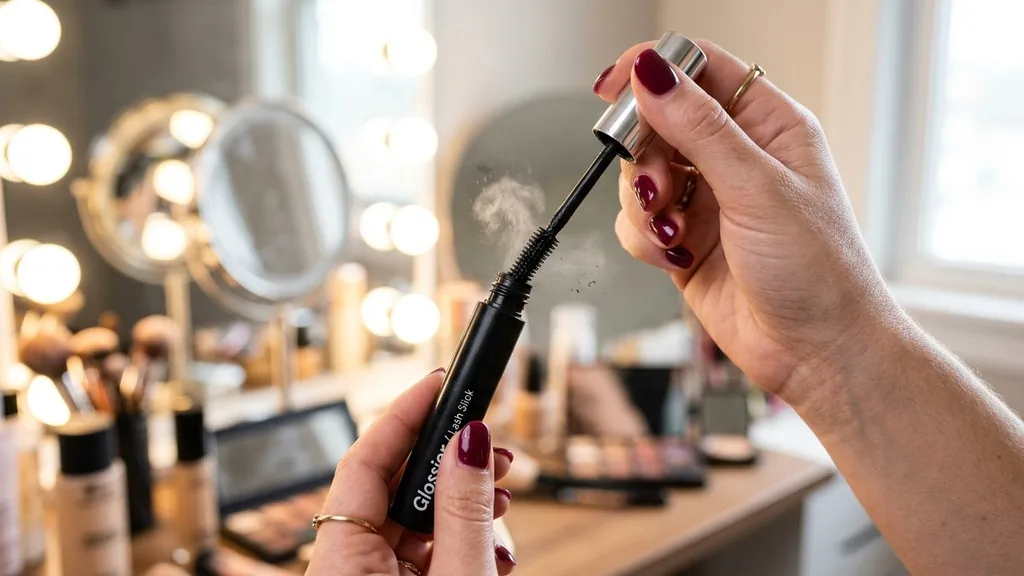
Every makeup enthusiast has experienced the frustration of pulling the wand from a tube of favorite mascara, only to find the formula has become clumpy, thick, and difficult to apply. This common issue often happens when air enters the container, causing the product to oxidize and dry out prematurely.
Knowing how to thin mascara effectively can save you money, reduce waste, and restore that smooth, lengthening application you love for your lashes. Whether your product is just starting to get tacky or has become significantly dried out, there are several safe and effective techniques to bring it back to life.
Understanding Why Mascara Becomes Clumpy and Dry
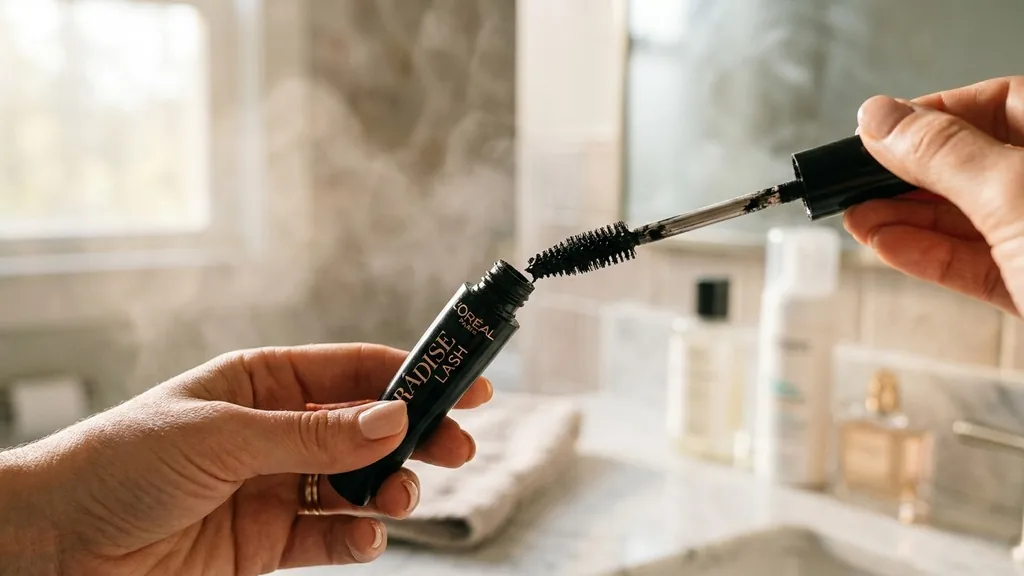
The primary reason for a clumpy makeup product is the repeated exposure to air. Every time you pull the wand out of the tube to apply product to your eye, a small amount of oxygen enters the container.
Over time, the solvents in the formula evaporate, leaving behind the thicker waxes and pigments. This process is accelerated if you have a habit of “pumping” the wand in and out of the tube, which forces air directly into the base of the container.
Furthermore, temperature fluctuations can impact the consistency of your mascara. Storing products in a hot or humid environment, such as a bathroom that frequently steams up from showers, can degrade the chemical stability of the ingredients. When the emulsion breaks down, the product often separates or thickens, making it impossible to achieve a clean, clump-free look.
Recognizing these environmental factors is the first step toward better product maintenance. By changing how you handle your cosmetics, you can significantly extend the lifespan of your beauty tools before you even need to consider thinning them.
Safe Methods to Thin Your Dried Mascara
When you decide to thin a thickened formula, you must prioritize eye safety above all else. The skin around the eye is incredibly delicate, and introducing the wrong substances can lead to irritation, infections, or allergic reactions. The most effective and safest way to thin a product is to reintroduce a compatible liquid that mimics the original solvent base of the mascara.
One of the most widely recommended solutions is the use of contact lens solution or a sterile saline spray. Because these products are designed to be safe for the ocular surface, they are generally the safest option for reviving eye makeup. To use this method, add two to three drops of the saline into the tube.
Replace the wand, close the container tightly, and roll it between your palms for about thirty seconds. The warmth from your hands helps to emulsify the liquid into the hardened wax, creating a smoother texture. Avoid adding too much liquid at once; you can always add more, but you cannot remove excess fluid once it has compromised the integrity of the product.
Alternative Approaches for Reviving Clumpy Formulas
Beyond saline, there are other household items that people often consider, though you must exercise caution. Some beauty experts suggest using a few drops of aloe vera gel or high-quality cosmetic-grade oil.
However, be aware that adding oil to a mascara can cause it to smudge or run, especially if you have naturally oily eyelids. If you choose to use oil, ensure it is lightweight, such as a drop of jojoba or almond oil, and use it sparingly.
Another popular technique involves the use of heat. Placing the sealed tube in a cup of warm water for several minutes can soften the waxes inside. This is an excellent “quick fix” for a product that is only slightly tacky.
The heat helps the product flow more freely without altering its chemical composition. This method is particularly useful when you are in a rush and need the mascara to perform perfectly for an event. Below is a comparison of the most common methods used to restore product consistency:
| Method | Effectiveness | Safety Level |
|---|---|---|
| Warm Water Bath | High (Temporary) | Excellent |
| Contact Lens Solution | High (Long-term) | High |
| Cosmetic-grade Oil | Moderate | Variable |
| Aloe Vera Gel | Low | Moderate |
What to Avoid When Trying to Thin Mascara
While it is tempting to use whatever is available in your medicine cabinet, some substances are strictly off-limits. You should never attempt to thin your mascara with tap water.
Unlike sterile saline, tap water contains bacteria and minerals that can contaminate your product and cause serious eye infections. Once bacteria are introduced into the moist, dark environment of a mascara tube, they multiply rapidly, posing a significant risk to your ocular health.
Additionally, avoid using perfumes, rubbing alcohol, or heavy lotions. These ingredients can cause stinging, redness, and inflammation. If you notice that your eyes become itchy or watery after using a “revived” product, discard it immediately.
The health of your eyes is far more valuable than the cost of a replacement item. Always check the ingredient list of any substance you plan to add to your makeup, and when in doubt, stick to products specifically designed for use near the eyes. For more information on maintaining eye health while using cosmetics, you can consult the American Academy of Ophthalmology guidelines on cosmetic safety.
Preventative Habits to Extend Product Life
The best way to deal with dried mascara is to prevent it from happening in the first place. Proper storage and handling are essential for maintaining the quality of your beauty stash. As mentioned previously, stop the habit of pumping your wand.
Instead, swirl the brush inside the tube to pick up the product. This prevents excess air from being pushed into the container.
Furthermore, keep your mascara in a cool, dry place. Avoid leaving it in your car or on a sunny windowsill, as heat can cause the ingredients to separate.
It is also wise to keep the cap screwed on tightly when not in use. You may also consider the following best practices:
- Always wipe excess product off the brush onto the rim of the tube if it looks too heavy.
- Replace your mascara every three months, even if it hasn’t dried out, to maintain hygiene.
- If you frequently struggle with dried product, consider purchasing a travel-sized version, which you are more likely to finish before it loses its quality.
- Store your makeup in an upright position to prevent the product from settling in the cap or neck of the tube.
Addressing Topical Gaps: Waterproof vs. Regular Formulas
A frequently overlooked aspect of this topic is the distinction between standard and waterproof formulations. Many people wonder if they can use the same methods to thin waterproof mascara. The answer is complicated.
Waterproof formulas are typically oil-based or contain volatile silicones designed to repel moisture. Adding water-based solutions like saline to a waterproof formula often leads to a separation of ingredients, resulting in a clumpy, unusable mess.
If you must thin a waterproof product, you are better off using a tiny amount of an oil-based makeup remover or a drop of specialized cosmetic thinner. However, even these methods can compromise the “waterproof” nature of the product, causing it to flake or smudge throughout the day. In most cases, if a waterproof mascara has dried out, it is better to accept that its functional life has ended.
The chemical structure of these products is meant to be durable and resistant to environmental moisture; once that balance is disrupted by additives, the performance rarely returns to its original, reliable state. Always prioritize the longevity and performance of your makeup by keeping the caps secure and storing them away from extreme temperatures.
Frequently Asked Questions
Is it safe to use eye drops to thin out my mascara?
Using sterile, preservative-free lubricating eye drops is generally considered safe for thinning a dried-out product. Ensure the drops do not contain redness-relieving chemicals, which can cause irritation. Only add one or two drops to avoid making the consistency too watery or prone to smudging.
How do I know when it is time to throw my mascara away?
You should discard any mascara after three months of use, or sooner if you have had an eye infection. If the product develops an off smell, changes texture significantly, or causes any irritation when applied to your lashes, it is time to replace it immediately for safety.
Can I use water to make my mascara more liquidy?
No, you should never use tap water to thin your makeup. Tap water is not sterile and can introduce harmful bacteria into the product. This can lead to serious eye infections, as the mascara tube provides a warm, dark, and moist environment where bacteria can thrive.
Does heating the tube really work for dry mascara?
Yes, placing a sealed tube in a cup of warm water for a few minutes is an effective way to soften the waxes and make the product easier to apply. It is a temporary fix that helps the product flow better without introducing foreign liquids that might cause irritation.


