

Mascara is a cosmetic product designed to darken, thicken, lengthen, and define the eyelashes to enhance the overall appearance of the eyes. By coating the hair fibers with a blend of pigments, oils, and waxes, this essential tool has become a cornerstone of daily makeup routines worldwide. Whether you are aiming for a subtle, natural look or dramatic, voluminous lashes, understanding the composition and history of this product helps you make informed choices about what you apply to your delicate eye area.
The Chemical Composition of Mascara
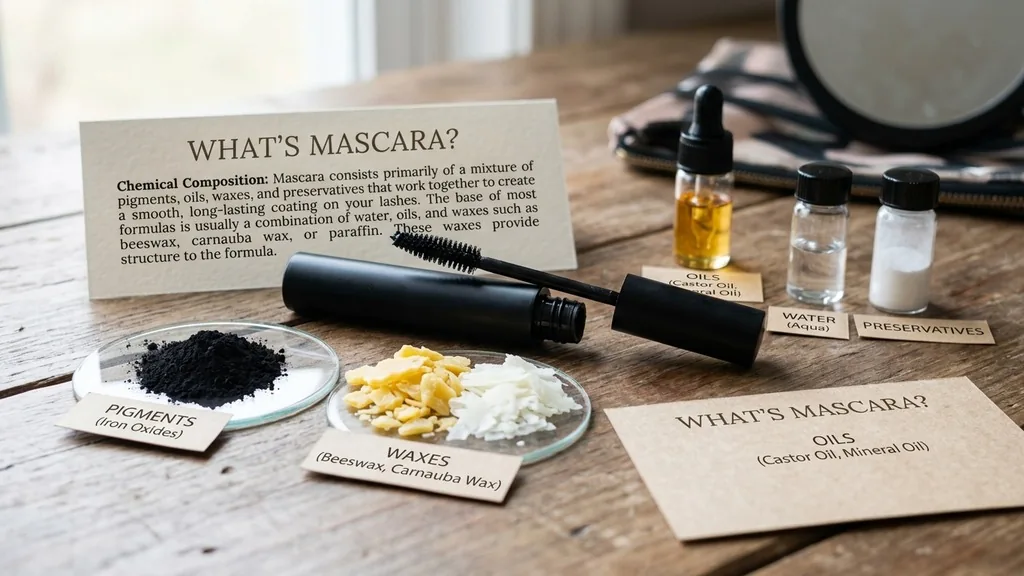
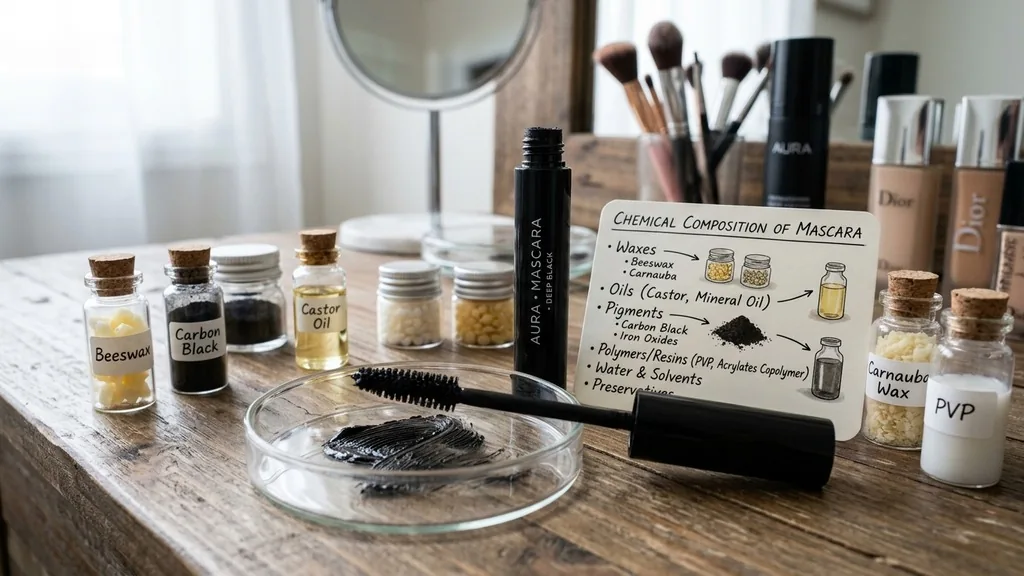
Mascara consists primarily of a mixture of pigments, oils, waxes, and preservatives that work together to create a smooth, long-lasting coating for your lashes. The base of most formulas is usually a combination of water, oils, and waxes, such as beeswax, carnauba wax, or paraffin. These waxes provide the structure that allows the product to hold its shape on the lash, while the oils ensure the mixture stays fluid enough to apply without clumping.
Pigments, most commonly iron oxides, provide the deep black or brown color that defines the product. In some formulas, ultramarines or other synthetic dyes are used to achieve specific shades or to enhance the intensity of the black.
Preservatives are a critical component, as the moist, dark environment inside a mascara tube is a perfect breeding ground for bacteria. Ingredients like phenoxyethanol or parabens are often used to ensure the product remains safe for use over its typical three-month lifespan.
Historical Evolution of Eyelash Enhancement
The word mascara has its roots in various languages, with some linguistic historians tracing it back to the Spanish word “máscara,” meaning mask or stain. The desire to darken lashes is not a modern invention; ancient Egyptians were known to use kohl—a mixture of galena, malachite, and other materials—to darken their eyes and lashes as early as 4000 BCE. This practice was not merely aesthetic but also served a spiritual and protective purpose, as they believed it warded off evil spirits and protected the eyes from the harsh glare of the sun.
In the 19th century, the modern iteration of the product began to take shape. A French perfumer named Eugene Rimmel is often credited with popularizing the first non-toxic, commercially available version. His product was a simple cake of soap and pigment that required a damp brush to activate.
It wasn’t until 1915 that T.L. Williams created a more convenient version for his sister, Mabel, by mixing coal dust with petroleum jelly. This innovative blend eventually led to the founding of Maybelline, a brand that transformed the industry by making lash enhancement accessible to the masses.
Types of Mascara Formulas and Finishes
Selecting the right formula depends on your specific needs, as different products offer unique benefits for your lashes. Generally, you can categorize these products based on their resistance to water and the specific effect they provide. Understanding these categories ensures you get the result you want without unnecessary irritation or smudging.
- Volumizing: Designed with thicker, wax-heavy formulas to add bulk to individual hairs.
- Lengthening: Contains fibers or specific polymers that stretch out as they dry to extend the tip of the lash.
- Waterproof: Utilizes volatile solvents and hydrophobic waxes to resist moisture, sweat, and tears.
- Tubing: Forms tiny, water-soluble “tubes” around each lash that slide off easily with warm water.
- Curling: Features high-hold polymers that lock the lash in a lifted position as the formula sets.
Safety Standards and Eye Health
Because the product is applied so close to the ocular surface, safety is paramount. The U.S.
Food and Drug Administration (FDA) provides strict guidelines regarding the ingredients allowed in eye cosmetics. You should always be mindful of the expiration date, as mascara is one of the most common vectors for eye infections if used past its shelf life.
When you notice the formula becoming dry, clumpy, or developing an unusual smell, it is time to discard it. Pumping the wand in and out of the tube introduces air and bacteria, which accelerates the degradation of the preservatives. Instead, gently swirl the wand inside the tube to pick up product.
If you experience redness, itching, or swelling after application, discontinue use immediately and consult a professional. Always avoid sharing eye makeup with others, as this is the fastest way to transmit bacteria between users.
Techniques for Professional Application
Applying mascara effectively requires a steady hand and a bit of technique to ensure you get full coverage without creating “spider lashes.” Start by looking down into a mirror, which helps you get the wand as close to the root of the lashes as possible. Placing the wand at the base allows you to deposit the most pigment there, which creates the illusion of a thicker lash line and adds depth to the eyes.
Wiggle the wand back and forth as you pull it through the length of the lashes. This motion helps separate the individual hairs and ensures they are evenly coated. If you find that the product is clumping, use a clean spoolie brush to comb through the lashes while the formula is still wet.
For the lower lashes, use the very tip of the wand to avoid smudging the under-eye area. Applying a thin coat, letting it dry for a few seconds, and then applying a second coat is usually better than trying to load too much product on at once.
Comparing Different Mascara Features
When shopping for a new product, you will notice a wide range of features listed on the packaging. To help you decide what fits your routine, refer to the table below, which highlights the primary pros and cons of common types.
| Formula Type | Primary Benefit | Main Drawback |
|---|---|---|
| Waterproof | Resists humidity and tears | Requires oil-based makeup remover |
| Tubing | Easy removal, no smudging | Limited options for extreme volume |
| Volumizing | Dramatic, thick appearance | Can feel heavy or stiff |
| Lengthening | Natural, extended look | May flake if fibers are loose |
Addressing Common Topical Gaps
A frequent question that arises is whether mascara can cause lash loss. While the product itself is not inherently damaging, the removal process is often the culprit.
Rubbing your eyes vigorously with a cotton pad or using a harsh cleanser can cause mechanical breakage of the lashes. To protect your natural growth, always use a gentle, oil-based remover or a dedicated eye makeup solvent that breaks down the wax without requiring excessive scrubbing.
Another point of confusion is the use of mascara for men. Historically, makeup was gender-neutral, and today, there is a growing market for subtle, clear, or tinted gels designed to groom and define lashes without looking like traditional heavy makeup.
These products focus on separation and hold rather than pigment, allowing for a polished appearance that remains discreet. If you are new to the product, starting with a clear mascara is a fantastic way to understand how the wand works and how it affects your lash shape without the risk of dark smudges.
The Role of Ingredients in Performance
The specific ingredients in a formula dictate how it performs on your lashes. For example, panthenol (pro-vitamin B5) is frequently added to provide conditioning, which helps keep the lashes flexible and less prone to breakage. Polymers are the unsung heroes of modern formulas; they create a film over the lash that provides hold and prevents the pigment from flaking off throughout the day.
If you have sensitive eyes, look for formulas that are ophthalmologist-tested and fragrance-free. Fragrances are a common source of contact dermatitis around the delicate skin of the eyelids.
Furthermore, checking the ingredient list for potential allergens is a wise step if you have a history of reactions. While natural or organic mascaras are popular, remember that natural ingredients can still cause irritation, so always patch-test a new product on your inner arm before applying it near your eyes.
Maintaining Lash Health Long-Term
Beyond the application of makeup, the health of your lashes depends on how you treat them during your evening routine. Never sleep in your mascara.
Leaving it on overnight can lead to stiff lashes that break easily when you move against your pillow. It can also cause irritation and blocked follicles along the lash line, which may lead to styes or other minor infections.
Consider incorporating a lash serum into your routine if you feel your lashes are brittle or sparse. These serums often contain peptides or amino acids that support the natural growth cycle. When you choose to wear mascara, prioritize quality over quantity.
A high-quality formula that doesn’t flake is better for your eye health than a cheap alternative that leaves particles in your eyes. By treating your lashes with the same care you give your skin, you ensure they remain healthy, long, and strong for years to come.
Frequently Asked Questions
- How often should I replace my mascara? You should replace your mascara every three months. This timeframe is the industry standard to prevent bacterial growth inside the tube, which can lead to eye infections and irritation. Always mark the date of opening on the tube to keep track.
- Can mascara make my eyelashes grow? No, standard mascara does not stimulate growth. While some formulas contain conditioning ingredients like vitamin E or peptides that help keep lashes healthy and prevent breakage, they do not increase the number of lashes or the biological rate of growth.
- What is the difference between lengthening and volumizing mascara? Lengthening formulas typically contain fibers or polymers that extend the tips of your lashes, while volumizing formulas use thicker waxes and pigments to coat the entire lash, making them appear fuller, denser, and more dramatic at the base.
- Is it safe to wear mascara every day? Yes, it is safe to wear mascara daily, provided you remove it thoroughly every night. Using a gentle, effective eye makeup remover is essential to prevent lash breakage and ensure that the skin around your eyes remains healthy and free of irritation.


