

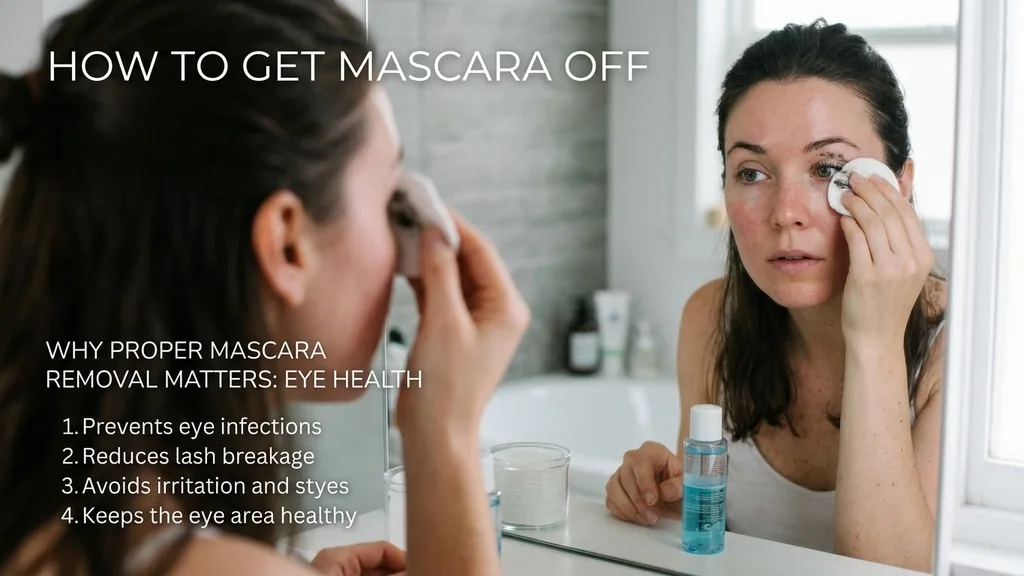
Removing eye makeup, particularly stubborn formulas, is a nightly chore that many people rush through. Knowing how to get mascara off properly is about more than just aesthetics; it is a critical component of maintaining healthy skin around the delicate eye area.
If you leave residue behind, you risk irritation, clogged pores, and even potential infections. Whether you are dealing with waterproof formulas or standard daily wear, the goal is to break down the pigments and waxes without pulling, tugging, or damaging your natural lashes.
Why Proper Mascara Removal Matters for Eye Health
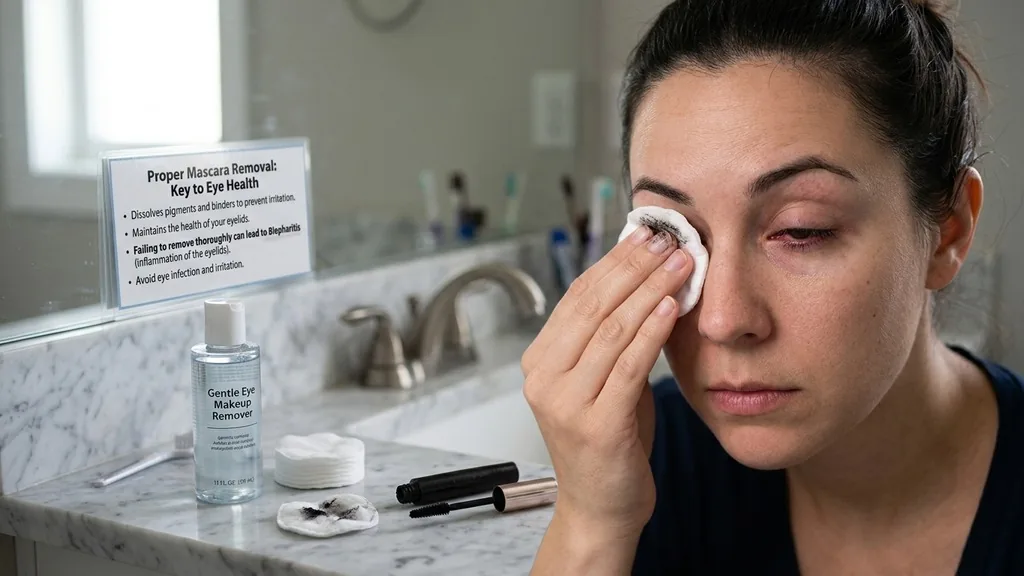
Proper mascara removal is the act of dissolving cosmetic pigments and binders to prevent eye irritation and maintain the health of your eyelids. Failing to remove mascara thoroughly can lead to significant issues, including blepharitis, which is the inflammation of the eyelids. When remnants of makeup stay on the skin overnight, they can migrate into the eye, causing redness, itching, or blurry vision.
Furthermore, the skin around the eyes is the thinnest on the entire body. Constant, harsh rubbing to remove stubborn product accelerates the breakdown of collagen, which contributes to the appearance of fine lines and wrinkles.
By adopting a gentle, systematic approach, you protect the structural integrity of your lashes. Many people lose lashes prematurely simply because they are using the wrong tools or applying too much pressure. When you allow your cleanser to do the heavy lifting, you minimize the mechanical stress placed on the hair follicles.
This practice ensures that your lashes remain strong and full rather than brittle or sparse. Consistency is key here; even if you are exhausted at the end of the day, spending an extra sixty seconds to ensure your lids are completely clean will pay off in the long run for your ocular health.
Selecting the Right Makeup Remover for Your Formula
Choosing the correct product for your specific mascara type is the most important step in the removal process. Not all removers are created equal, and using a water-based cleanser on an oil-based, waterproof mascara will only lead to frustration and unnecessary rubbing.
Waterproof mascaras typically contain waxes and polymers that require a solvent to dissolve. These solvents are usually oil-based, which helps break down the hydrophobic barrier that keeps the mascara in place during rain or humidity.
For standard, water-washable mascaras, a gentle micellar water or a mild foaming cleanser usually suffices. These formulas are designed to lift debris from the skin surface without stripping away essential moisture. If you prefer natural alternatives, you might reach for oils like jojoba or fractionated coconut oil, which are highly effective at emulsifying heavy pigments.
When selecting a product, look for labels that indicate the formula is ophthalmologist-tested. This provides a baseline assurance that the ingredients are unlikely to cause stinging or allergic reactions. If you wear contact lenses, always prioritize oil-free or non-comedogenic removers to avoid clouding your lenses or creating a greasy film that is difficult to rinse away.
The Step-by-Step Process to Remove Mascara Gently
To remove mascara effectively, you must allow the product time to soften the lash coating before attempting to wipe it away. Start by saturating a clean cotton pad with your chosen makeup remover. Place the pad directly over your closed eyelid and hold it there for fifteen to thirty seconds.
This “soaking” period is vital because it gives the surfactants or oils in the remover the time needed to break down the mascara polymers. Without this pause, you are essentially trying to scrape the product off, which is the primary cause of lash breakage and skin irritation.
Once the soaking period is complete, gently glide the pad downward along the length of your lashes. Avoid side-to-side scrubbing motions, as these can tangle the lashes and pull them out. If there is any remaining residue near the lash line, use a clean cotton swab dipped in a small amount of remover to carefully trace the base of the lashes.
This technique is especially useful for removing tight-lined eyeliner or mascara that has settled into the roots of your lashes. After the makeup is dissolved, rinse your face with lukewarm water to remove any leftover oily residue, then proceed with your regular facial cleanser to ensure the skin is thoroughly clean.
Comparing Common Mascara Removal Techniques
There are various ways to approach the removal process, and the effectiveness often depends on the type of mascara used and your skin sensitivity. Below is a breakdown of how different methods perform in terms of efficiency, safety, and suitability for various skin types.
| Method | Best For | Key Benefit | Potential Drawback |
|---|---|---|---|
| Micellar Water | Sensitive eyes/Daily wear | Non-greasy, fast | May struggle with waterproof |
| Oil-Based Cleanser | Waterproof/Long-wear | Dissolves stubborn wax | Can leave an oily film |
| Biphasic Remover | Heavy/Waterproof makeup | Powerful, dual-action | Requires shaking to mix |
| Natural Oils (Jojoba/Olive) | Dry skin/Natural preference | Conditions lashes | Can be messy or pore-clogging |
Addressing Topical Gaps: Removing Mascara Without Specialized Removers
Many people find themselves in situations where they have run out of their dedicated makeup remover and need a reliable alternative. When you lack a professional product, you can still remove mascara safely by using household items that are gentle on the skin. One of the most effective substitutes is a simple, high-quality oil.
Olive oil, sweet almond oil, or even baby oil can act as a solvent to break down the waxes in your mascara. Apply a tiny amount to a cotton pad, press it against your lashes for a moment, and wipe away.
Another common household solution is a mild facial cleanser or even a gentle baby shampoo. Baby shampoo is specifically formulated to be tear-free, making it an excellent, low-cost option for cleaning the lash line. Dilute a small drop in a palmful of warm water, massage it gently into the lashes, and rinse thoroughly.
However, be cautious with substances like petroleum jelly; while it is effective at dissolving makeup, it is very thick and can be difficult to remove completely from the skin. If you do use it, follow up with a thorough face wash to ensure no residue remains to clog your pores. It is always better to use a dedicated product, but these hacks are safe alternatives for occasional use.
Preventing Lash Damage During the Process
Lash health is a priority for anyone who wears mascara regularly. The mechanical action of pulling on your lashes is the fastest way to weaken them. To prevent damage, you must focus on the “dissolve, don’t rub” philosophy.
If you find yourself needing to rub hard, it means your remover is not strong enough for the formula you are using, or you are not letting it soak long enough. By switching to a more effective, oil-based remover or increasing the contact time of the product, you can eliminate the need for friction entirely.
Additionally, consider the tools you are using to perform the removal. Standard cotton balls can often leave behind tiny fibers that get stuck in the lashes or irritate the eye. Instead, opt for high-quality cotton pads that are woven tightly, or use a soft, reusable microfiber cloth.
These materials grab onto the makeup particles more effectively than loose cotton, allowing you to lift the mascara off in one smooth motion. Also, avoid using paper towels or tissues, as these are often too abrasive for the delicate eye area and can cause micro-tears in the skin. Keeping your tools soft and your technique slow will preserve your lashes for years to come.
The Role of Warm Water in Mascara Removal
Warm water is an essential component of the cleaning process, regardless of which remover you choose. It works by softening the mascara formula, making it more pliable and easier to lift away.
When you use lukewarm water, you help the cleanser penetrate the layers of mascara more effectively. However, avoid using water that is too hot, as this can dry out the skin around your eyes and cause it to become inflamed or tight.
For specific types of mascaras, such as “tubing” mascaras, warm water is actually the primary removal method. Tubing mascaras are designed to wrap around individual lashes in a polymer coat that is resistant to oil but dissolves in warm water. If you try to remove a tubing mascara with a standard oil-based remover, you might find it ineffective.
In these cases, simply soaking your lashes with a warm, damp cloth for a minute is often all that is required to make the tubes slide right off. Understanding the chemistry of your mascara allows you to choose the perfect removal strategy, ensuring you never have to scrub unnecessarily. For more information on maintaining skin health, you can visit the American Academy of Dermatology for professional guidance on skincare practices.
Common Mistakes to Avoid When Taking Off Mascara
Even with the best products, many people make mistakes that lead to unnecessary irritation or lash loss. One of the most frequent errors is failing to wash your hands before touching your face.
Your hands carry bacteria that can easily be transferred to the eyes, potentially leading to infections like conjunctivitis. Always start your routine by thoroughly washing your hands with soap and water to ensure you are working with a clean base.
Another common mistake is neglecting the lower lash line. Many people focus exclusively on the upper lashes, leaving mascara residue on the lower lashes that can migrate onto the under-eye skin throughout the night. This often leads to “raccoon eyes” in the morning and can contribute to the darkening of the under-eye area.
Ensure you pay equal attention to the lower lashes by using a small, saturated cotton swab. Finally, do not rush the process. If you are tired, it is tempting to wipe once and call it a day, but taking that extra minute to ensure your lashes are completely clean is an investment in your long-term eye health and the longevity of your eyelashes.
Frequently Asked Questions
- Can I use Vaseline to remove mascara? Yes, petroleum jelly can effectively break down waterproof mascara. Apply a small amount to your lashes, let it sit for a few seconds, and wipe away gently. Be sure to wash your face thoroughly afterward to remove the heavy, occlusive residue.
- Is it okay to use just water for mascara removal? Only if you are wearing a water-soluble or tubing mascara. For traditional wax-based waterproof mascaras, water alone will not dissolve the product, leading to excessive rubbing that can damage your lashes and irritate the sensitive skin around your eyes.
- How do I remove mascara without losing eyelashes? The key is to avoid friction. Saturate a cotton pad with an oil-based makeup remover and hold it against your closed eyelid for thirty seconds. This allows the product to dissolve the mascara, letting it slide off easily without any pulling or tugging.
- What should I do if my eyes feel irritated after removal? If you experience stinging or redness, rinse your eyes immediately with cool, clean water or a sterile saline solution. If the irritation persists, check your product ingredients for common allergens or consider switching to a fragrance-free, ophthalmologist-tested makeup remover.


