


Selecting the right mascara is often a trial-and-error process that leaves many people frustrated with smudged eyes or clumpy lashes. Because every person has a unique eye shape and lash texture, there is no single product that works for everyone. To master the art of finding the perfect tube, you must look past the flashy marketing and focus on the specific architecture of the brush and the chemistry of the formula.
Understanding Your Lash Type and Goal
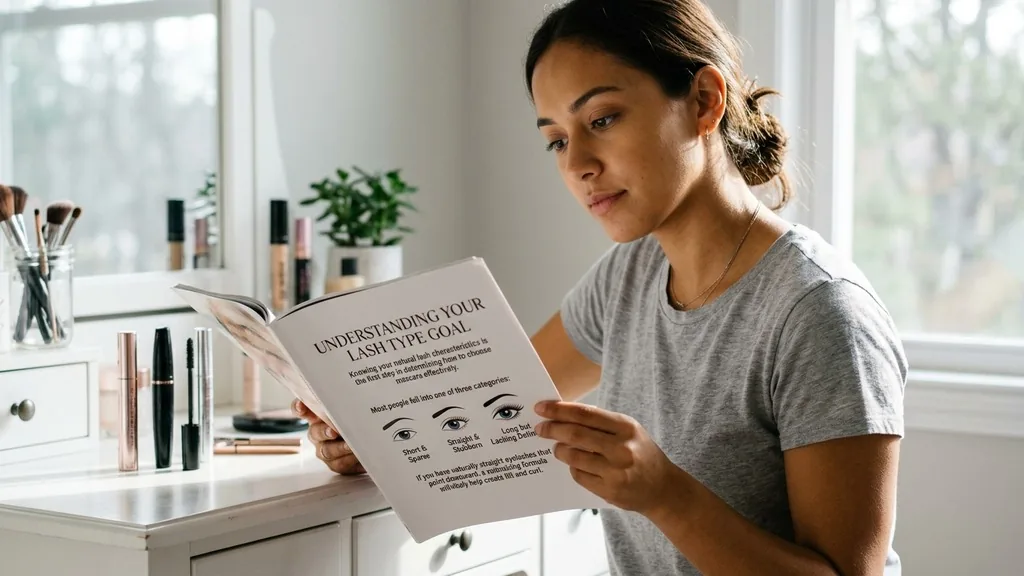
Knowing your natural lash characteristics is the first step in determining how to choose mascara effectively. Most people fall into one of three categories: short and sparse, straight and stubborn, or long but lacking definition.
If you have naturally straight eyelashes that point downward, a volumizing formula will likely weigh them down, causing them to lose their shape within minutes. Instead, you need a formula that dries quickly and holds a curl.
For those with sparse lashes, the goal is to build density without creating a heavy, spider-web effect. You should look for “buildable” formulas that allow for multiple coats without flaking. If your lashes are already long but lack pigment or thickness, a basic lengthening formula might not provide the drama you want.
In this case, a thickening base or a hybrid product that offers both length and volume is your best ally. Always identify the specific “look” you are trying to achieve—whether that is a natural, feathery finish or a bold, dramatic, false-lash effect—before you even look at the wand.
Decoding Mascara Formulas: Waterproof vs. Washable
The debate between waterproof and washable mascara centers on the trade-off between longevity and ease of removal. A waterproof formula is specifically designed to resist moisture, sweat, and tears, making it the ideal choice for humid climates or long events.
These formulas often contain waxes that seal the lash, but they can be significantly harder to remove. Frequent use of waterproof products can potentially lead to lash breakage if you are too aggressive during the cleansing process.
Washable formulas, on the other hand, are water-based and much easier to remove with standard makeup remover or soap and water. These are better for daily wear, especially if you have sensitive skin or contact lenses. However, they are prone to smudging if you have oily eyelids or if you rub your eyes throughout the day.
If you want the durability of waterproof mascara but with easier removal, look for tubing mascara. These products form tiny, water-resistant cylinders around each individual lash that slide off easily with warm water and gentle pressure, preventing the “raccoon eye” effect common with traditional waterproof options.
The Anatomy of the Mascara Brush
The applicator, often called the wand or brush, is arguably more important than the liquid inside the tube. Different brush shapes serve distinct purposes in your makeup routine.
A large, fluffy brush with dense bristles is engineered to pick up a significant amount of product, which is ideal for creating massive volume. These brushes are great for those with thick, healthy lashes who want to maximize their impact.
Conversely, a thin, tapered, or rubber-bristled brush is designed for precision. These wands are excellent for reaching the tiny, hard-to-reach lashes at the inner corners of the eyes and for combing through the lower lashes without making a mess.
If you struggle with clumping, a silicone-bristled brush acts like a fine-toothed comb, separating each lash while depositing color. For those who want a dramatic, fanned-out look, look for curved wands that help “lift” the lashes as you apply, mimicking the effect of an eyelash curler.
| Brush Type | Best For | Primary Benefit |
|---|---|---|
| Large, Fluffy Bristles | Sparse or thin lashes | Maximum volume and density |
| Curved Wand | Straight lashes | Lifting and curling effect |
| Thin/Rubber Bristles | Lower lashes and precision | Separation and definition |
| Ball-Tip Wand | Corner lashes | Detail work and targeting |
Ingredients That Impact Performance
When you examine the ingredient list on a tube of mascara, you are looking at a complex mixture of pigments, waxes, and polymers. Iron oxides are the most common pigments used to provide that deep black color, while synthetic polymers help the formula adhere to the lash without flaking. If you have sensitive eyes, you should prioritize “ophthalmologist-tested” formulas that are free from harsh fragrances or alcohol, which can cause irritation.
Conditioning agents like panthenol, vitamin E, or various oils (such as argan or jojoba) are increasingly common in modern formulas. These ingredients help keep the lashes flexible, reducing the likelihood of brittleness.
If you find that your lashes feel stiff or crunchy by the end of the day, look for products that emphasize “flexible polymers” or “conditioning” in their marketing. These ingredients ensure that your lashes remain soft to the touch while still holding their shape and color throughout the day.
Applying for Maximum Effect
How you apply the product is just as important as the product you choose. To get the most out of any mascara, start by placing the wand at the very root of your lashes.
Wiggle the brush back and forth slightly to deposit the bulk of the pigment at the base; this creates the illusion of a tighter, fuller lash line and helps hold the curl. After the base is coated, pull the wand upward in a slow, steady stroke.
Avoid “pumping” the wand in and out of the tube, as this forces air into the container, causing the formula to dry out prematurely and potentially introducing bacteria. Instead, gently swirl the wand inside to pick up the product. If you are aiming for extra volume, wait about thirty seconds between coats.
This allows the first layer to become slightly tacky, which provides a better “grip” for the second layer. Applying a second coat while the first is still completely wet often leads to clumping, which is the enemy of a clean, defined look.
Addressing Common Mascara Problems
Even the most expensive products can fail if you don’t manage them correctly. Smudging, for example, is usually caused by excess oil on the eyelids.
If you have oily skin, try applying a light dusting of translucent powder to your eyelids before starting your eye makeup. This creates a dry surface that prevents the mascara from transferring when you blink.
Flaking, on the other hand, is usually a sign that your mascara is either too old or lacks the necessary polymers to stay flexible. If you notice your mascara flaking by midday, it is time to switch to a fresher tube or a different formula.
Remember that mascara has a shorter shelf life than most other beauty products; you should generally replace your tube every three months to maintain hygiene and performance. If you feel a stinging sensation or notice redness after application, stop using the product immediately, as these are common signs of an expired formula or an allergic reaction to a specific ingredient.
The Role of Primers and Curlers
Many people skip the prep step, but using the right tools can fundamentally change the outcome. An eyelash curler is a non-negotiable tool for those with straight lashes.
Use it before applying any product; curling your lashes after the mascara has dried can cause them to break or snap. Position the curler as close to the base of your lashes as possible and squeeze gently for five to ten seconds.
Lash primers are another secret weapon. These are usually white or tinted bases that coat your lashes before you apply your main product. A good primer adds extra length and thickness, acting as a scaffold for your mascara to cling to.
This is especially helpful if you are trying to make a budget-friendly mascara perform like a high-end luxury brand. By using a primer, you can often achieve a much fuller look with fewer coats, which keeps your lashes looking natural and feathery rather than heavy and weighed down.
Navigating Marketing Claims
The beauty industry is filled with hyperbolic claims, so it is important to be a savvy consumer. Terms like “400% more volume” or “instant lash lift” are often based on specific testing conditions that don’t reflect real-world use. Instead of falling for the marketing copy on the front of the packaging, look at the brush and the specific claims related to the formula’s texture.
If a brand claims “length,” look for a formula that contains fibers or specialized polymers that extend beyond the tip of the lash. If a brand claims “volume,” look for a thicker, waxier formula that builds bulk.
Do not be afraid to look for reviews that focus on the “wear time” rather than just the initial look. How the product looks at 8:00 AM is important, but how it looks at 6:00 PM is the true test of whether you have chosen the right mascara for your lifestyle.
Frequently Asked Questions
- How do I know if a mascara is right for me? The right mascara should match your specific lash needs: volumizing for sparse lashes, lengthening for short ones, and waterproof for oily lids or high-humidity environments. Always test the brush shape to ensure it fits your eye size and allows for easy, controlled application.
- Why does my mascara always smudge under my eyes? Smudging usually occurs when the formula interacts with the natural oils on your skin. To prevent this, use a setting powder on your eyelids and under-eye area, or switch to a tubing mascara, which is specifically designed to resist smudging and flaking throughout the day.
- Is it better to use a waterproof or washable mascara? Washable mascara is healthier for daily use as it is easier to remove without tugging at the delicate eye area. Waterproof mascara is superior for special occasions, swimming, or humid weather, but it requires a dedicated oil-based cleanser to remove safely without damaging your lashes.
- How often should I replace my mascara? You should replace your mascara every three months. Because the wand is repeatedly exposed to the air and your eyes, it can easily harbor bacteria. Using an expired product increases your risk of eye infections and can cause the formula to become clumpy, dry, and difficult to apply.


