

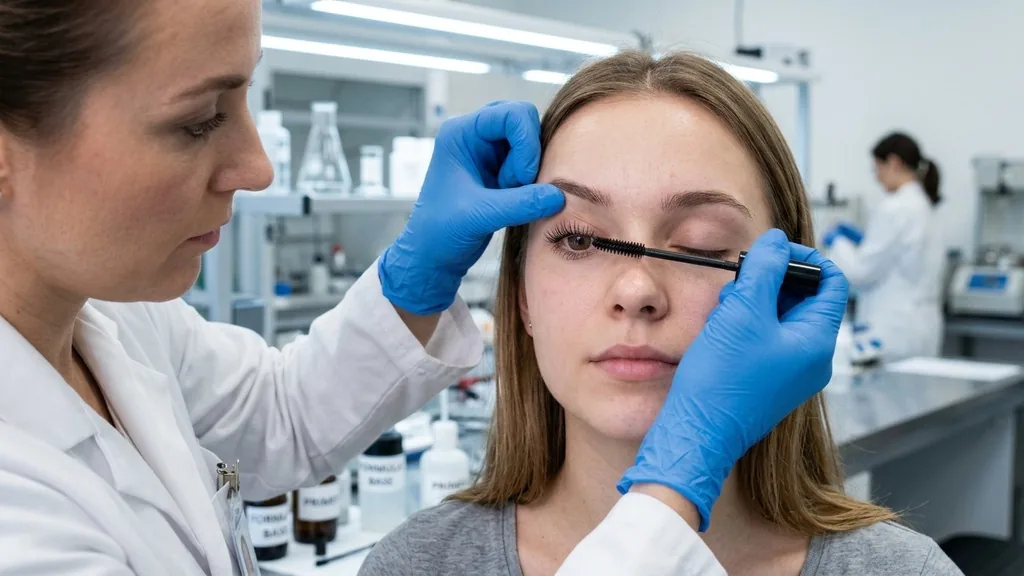
When you ask what is tubing mascara mean, you are essentially inquiring about a specialized type of eye makeup that functions differently from traditional formulas. Unlike standard products that rely on waxes and pigments to coat your eyelashes, tubing mascara utilizes polymers to create tiny, water-resistant cylinders around each individual lash.
These distinct structures—often referred to as “tubes“—physically encapsulate the hair rather than merely painting it. This unique mechanism is the reason why this category of beauty product has gained a massive following among people who struggle with smudging, raccoon eyes, or the tedious process of scrubbing their face clean at the end of a long day.
The Science Behind Tubing Mascara Polymers
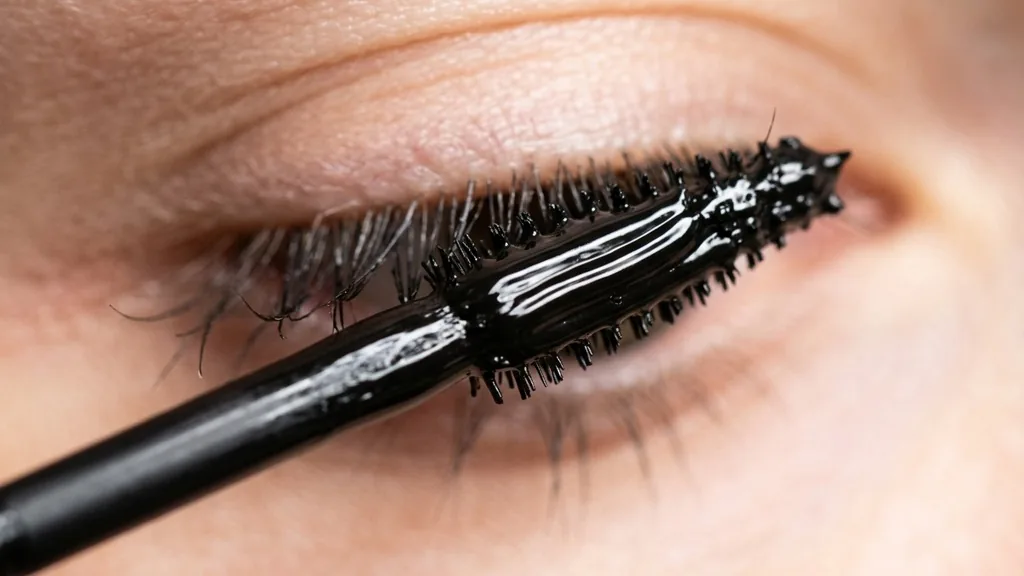
To truly grasp what is tubing mascara mean, one must look at the chemistry involved. Traditional regular mascara is typically oil-based or wax-based. These ingredients are designed to cling to the lash, but they are also prone to melting or smearing when they come into contact with the natural oils produced by your skin, particularly around the eyelid area.
In contrast, tubing mascaras are formulated with advanced acrylic copolymers. When you apply the product, these polymers wrap around the lash shaft as they dry, forming a secure, flexible sleeve.
Because these polymers do not dissolve in oil or sweat, they are incredibly resistant to the typical culprits of smudging. If you have ever looked in the mirror halfway through the afternoon only to find dark streaks beneath your eyes, it is likely because your facial oils have broken down the waxes in your standard makeup. Tubing formulas bypass this issue entirely.
The sleeve stays locked in place until it encounters a specific set of conditions—namely, the combination of friction and high-temperature moisture. This chemical stability makes them a preferred choice for individuals with oily skin or those living in humid climates where standard cosmetics tend to migrate.
Furthermore, the structural integrity of these tubes allows for a different aesthetic finish. Because the product is essentially “building” a sleeve around the lash, it can provide significant length and definition without the heavy, clumpy weight often associated with volumizing wax-based options. The result is a clean, fanned-out look that emphasizes the natural shape of the eye while providing a lightweight feel that lasts from morning until night.
Why Tubing Mascara Outperforms Traditional Formulas
The primary distinction between standard makeup and this specialized category lies in the removal process and durability. While traditional products require oil-based cleansers or micellar water to break down the heavy pigments and waxes, tubing formulas are designed for a clean, mechanical removal.
This is a significant advantage for those who experience sensitivity around the eye area. Using harsh rubbing motions to dissolve stubborn waterproof makeup can lead to premature lash loss or skin irritation.
With tubing technology, you do not need to scrub. Instead, you use warm water to soften the polymers. As the water saturates the tubes, their bond loosens, allowing them to slide off the lashes in one piece.
If you have ever noticed small, black flecks in your sink after washing your face, you have witnessed the tubing removal process in action. This is not your lashes falling out; it is simply the product being safely shed. For a deeper understanding of how these ingredients interact with the delicate skin around the eyes, the American Academy of Ophthalmology provides excellent guidance on maintaining ocular health while using cosmetics.
Beyond the ease of removal, the durability factor is a game-changer for many users. Because the tubes are physically anchored to the lash, they do not flake or crumble throughout the day.
While some people worry that tubing mascara might be “bad” for their lashes, the reality is that it is often gentler than the alternatives. By eliminating the need for aggressive makeup removal, you reduce the physical stress placed on the lash follicles, potentially leading to healthier, stronger lashes over time.
Comparing Tubing Mascara and Regular Mascara
It is helpful to view the differences through a structured lens to understand which product suits your lifestyle best. While both categories aim to enhance the appearance of your eyes, they achieve this through fundamentally different physical properties. The following table highlights the core differences that define the two categories.
| Feature | Tubing Mascara | Regular Mascara |
|---|---|---|
| Primary Ingredient | Acrylic Copolymers | Waxes, Oils, Pigments |
| Removal Method | Warm water and gentle pressure | Oil-based cleanser or makeup remover |
| Smudge Resistance | Extremely high (oil-proof) | Varies; prone to smudging |
| Lash Effect | Length, separation, definition | Volume, thickness, drama |
| Best For | Oily lids, long wear, sensitive eyes | Dramatic, thick, high-volume looks |
As indicated by this data, the choice between the two often comes down to your personal priorities. If your main concern is flaking or raccoon eyes, tubing is almost certainly the superior choice.
However, if your aesthetic preference leans toward thick, voluminous, “falsie-looking” lashes, you might find that traditional wax-based formulas provide more of the heavy-duty drama you crave. Many enthusiasts have started “layering” or using a hybrid approach, though it is important to note that tubing formulas work best when applied directly to a clean lash surface.
How to Apply and Remove for Best Results
Mastering the application of tubing mascara requires a slight shift in technique compared to standard products. Because the formula relies on the polymers forming a cohesive bond, you should apply it to clean, dry lashes. If you have leftover eye cream or natural oils on your lashes, the tubes may struggle to adhere properly, which can lead to premature shedding or a less polished look.
To achieve the best results:
- Start at the very base of your lashes to ensure the tube envelopes the root.
- Use a wiggling motion to distribute the product evenly from root to tip.
- Work quickly; these formulas tend to set faster than traditional ones, and attempting to layer once they have partially dried can cause the tubes to stretch or break.
- Allow the first coat to dry completely before applying a second coat if you want added length.
- For removal, soak a washcloth in warm water and press it against your closed eyes for about 30 seconds.
- Gently slide the tubes off with your fingers or the damp cloth; avoid pulling or tugging on your natural lashes.
This methodical approach ensures that you get the maximum benefit from the technology. One common mistake beginners make is trying to remove the product with a cotton pad soaked in oil-based makeup remover.
This is ineffective because the polymers are designed to resist oil. If you find that the product isn’t coming off, it is almost certainly because you are using the wrong solvent; switch to warm water, and you will find the process becomes nearly effortless.
Addressing Common Misconceptions and Topical Gaps
There is a frequent question regarding whether one can layer tubing mascara over regular mascara. While technically possible, it often defeats the purpose. If you apply a standard wax-based mascara first, the tubing formula will attempt to attach itself to the wax rather than the lash.
This can compromise the structural integrity of the tubes, leading to flaking or a clumpy, uneven finish. Furthermore, the removal process becomes complicated; you will still need to use an oil-based cleanser to remove the base layer, which negates the convenience of the tubing formula.
Another common concern is whether tubing mascara is truly “waterproof.” The answer is nuanced. While it is highly resistant to water and will not run if you get caught in the rain or experience minor tearing, it is not “waterproof” in the same sense as traditional heavy-duty mascara.
Because it is designed to be removed with warm water, it will eventually loosen if you spend significant time in a swimming pool or a hot, humid sauna. It is best characterized as “water-resistant” or “smudge-proof” rather than fully waterproof.
Finally, some users wonder if these formulas can provide volume. While the primary strength of tubing is length and separation, modern formulations have evolved significantly.
Many brands now incorporate fibers or thicker polymer structures that allow for a degree of volume. However, if you are looking for the extreme, clumpy, thick-lash look popularized by some makeup trends, you may need to supplement with a lash primer or a lash-curling tool to achieve the desired silhouette before applying your tubing coat.
Who Should Consider Switching to Tubing Mascara?
Determining if this product is right for you depends on your daily makeup routine and your specific skin type. If you have “hooded” eyes, you are a prime candidate for tubing technology.
Hooded eyes often cause the upper lid to touch the lashes, which frequently leads to smudging with traditional makeup. Because tubing formulas stay put and do not transfer, they offer a reliable solution for this anatomy.
Additionally, those who wear contact lenses often find that traditional mascara can flake throughout the day, causing tiny particles of pigment to fall into the eye and cause irritation. Since tubing mascara forms a solid, non-flaking sleeve, the risk of debris entering the eye is drastically reduced. It is a cleaner, safer, and more comfortable experience for those with sensitive eyes or those who wear lenses for extended periods.
For the minimalist, tubing mascara is also a time-saver. Because it is so easy to remove, you spend less time at the sink at night and less money on specialized makeup removers.
It simplifies the entire process of getting ready and cleaning up. Whether you are a busy professional who needs your makeup to survive a ten-hour workday or someone who simply values a clean, defined look that stays put, the shift to tubing technology represents a significant upgrade in both performance and convenience.
Frequently Asked Questions
Is tubing mascara actually waterproof?
It is highly water-resistant, meaning it won’t smudge from sweat or tears. However, it is not technically waterproof because it is designed to dissolve when exposed to warm water and friction. It is the perfect middle ground for durability without the difficult removal process of traditional waterproof makeup.
Can I use an eyelash curler with tubing mascara?
Yes, but you should always use the curler before applying the mascara. If you curl your lashes after the mascara has dried, the rigid structure of the tubes can crack or snap. Applying the curler to clean, bare lashes ensures a natural lift without damaging the integrity of the product.
Why does my tubing mascara look like it is falling out?
That is actually a good sign. When you see small, black, cylindrical shapes coming off your eyes, that is simply the product shedding. Because the tubes encapsulate the lash, they slide off as a whole piece rather than dissolving into a messy, smudgy liquid that stains your under-eye area.
Does tubing mascara work for short or thin lashes?
Tubing mascara is excellent for short or thin lashes because it adds length by extending the product beyond the tip of your natural hair. Because it does not clump like heavy wax formulas, it keeps lashes separated, which creates an illusion of fullness and definition that looks very natural.


