

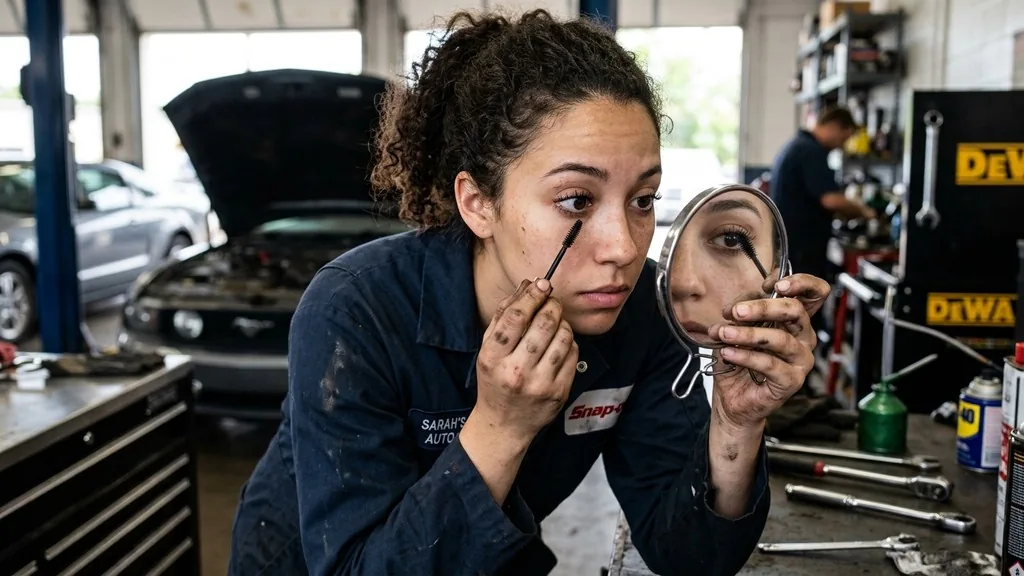
Many beauty enthusiasts frequently ask, does mascara make your eyelashes fall out? While the product itself is generally safe for daily use, the way you apply, wear, and remove it can significantly impact the structural integrity of your lashes.
Eyelashes are delicate hairs that undergo a natural growth cycle, shedding periodically just like the hair on your scalp. However, when you notice an unusual amount of lash loss, it is often a result of mechanical stress or improper hygiene rather than a direct chemical reaction to the cosmetic formula itself.
The Mechanics of Eyelash Shedding
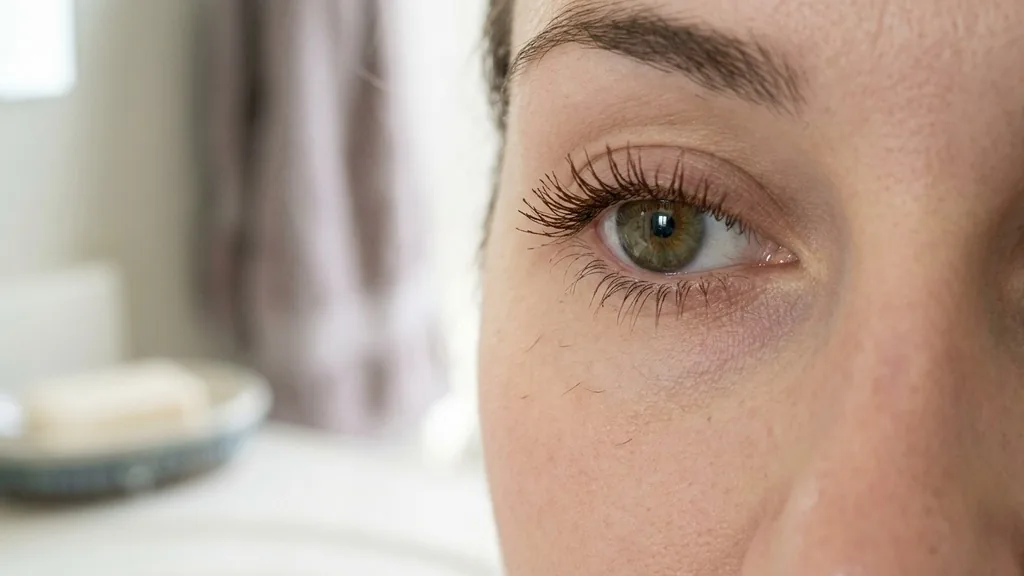
Eyelash loss is a natural physiological process that occurs as part of the hair growth cycle. Each eyelash goes through three distinct phases: anagen (growth), catagen (transition), and telogen (resting).
Under normal circumstances, you might lose one to five lashes per day without even realizing it. When you use eye makeup, you become more hyper-aware of these tiny hairs appearing on your cotton pad or pillowcase.
The primary concern arises when the rate of shedding increases noticeably. This is often caused by physical tension. When mascara dries on the lashes, it creates a stiff, hardened coating.
If you rub your eyes or use a mechanical lash curler after the product has set, you are effectively pulling on the hair follicle. This mechanical stress can lead to premature shedding, a phenomenon often mistaken for an allergic reaction or chemical damage.
To maintain healthy lashes, it is essential to treat them with the same care you would give to the hair on your head. Avoid tugging, pulling, or using harsh tools on lashes that are already coated in dried, rigid pigments.
The Role of Waterproof Formulas in Lash Health
Does waterproof mascara make your eyelashes fall out more than regular formulas? The answer usually lies in the removal process.
Waterproof mascara contains high concentrations of polymers and waxes designed to resist moisture, sweat, and tears. These ingredients create a very strong bond with the eyelash hair, making them exceptionally difficult to dissolve with standard facial cleansers.
When you struggle to remove waterproof mascara, you are likely using more physical force than necessary. Scrubbing the delicate eyelid skin and tugging at the lashes to break down that stubborn, waterproof seal is the leading cause of mechanical breakage. The friction involved in deep cleansing is what leads to significant lash loss.
If you choose to wear long-wearing or waterproof products, you must invest in an oil-based makeup remover or a specialized cleansing balm. These products are formulated to dissolve polymers and waxes efficiently, allowing the mascara to slide off the lashes without the need for aggressive rubbing. By minimizing friction, you protect the hair follicle from unnecessary trauma and prevent the breakage that many users mistakenly blame on the product’s chemical composition.
Hygiene Practices and Bacterial Accumulation
One of the most overlooked aspects of eye health is the shelf life of your beauty products. Mascara is a breeding ground for bacteria because the wand is repeatedly inserted into the tube, introducing microbes from your eye area back into the formula.
Over time, these bacteria can cause mild to moderate irritation. Persistent irritation along the lash line can lead to inflammation, which may weaken the hair follicles and contribute to increased eyelash loss.
Most experts recommend replacing your mascara every three months. Using a product beyond this timeframe increases the risk of contamination, which can lead to infections like blepharitis—an inflammation of the eyelids. Symptoms of blepharitis often include red, itchy, or swollen lids and, in some cases, the loss of eyelashes.
If you notice your eyes feeling gritty or irritated after using a specific tube of makeup, discontinue use immediately. Keeping your tools clean is just as important as the product itself.
If you use a lash comb to separate clumpy lashes, ensure you sanitize it regularly to prevent the transfer of bacteria. Proper hygiene is a cornerstone of maintaining long-term lash health.
Identifying Allergic Reactions and Sensitivities
While mascara is generally formulated to be hypoallergenic, some users may experience sensitivities to specific ingredients, such as preservatives, pigments, or fragrances. An allergic reaction to mascara can manifest as itching, burning, or redness around the eye.
This localized irritation can disrupt the normal growth cycle of the lashes. If you find yourself constantly rubbing your eyes due to discomfort, you are physically encouraging more lashes to fall out.
If you suspect you are having a reaction, look for products labeled “ophthalmologist-tested” or those specifically formulated for sensitive eyes. These products often omit common irritants like parabens or synthetic fragrances. A simple way to test for sensitivity is to apply the product to a small patch of skin—like the inside of your wrist—before using it near your eyes.
If you experience persistent redness or swelling, consult a dermatologist or an eye care professional. According to the American Academy of Ophthalmology, maintaining safe makeup habits is critical to preventing infection and preserving the health of your eyes and eyelids.
How Incorrect Removal Techniques Cause Damage
The most common culprit behind the question, does mascara make your eyelashes fall out, is improper removal. Many people rush through their nightly routine, using a dry cotton round or a harsh makeup wipe to remove mascara in a back-and-forth motion.
This technique is incredibly damaging. It creates friction that effectively saws through the eyelashes, causing them to break or be pulled out at the root.
To remove mascara safely, follow these steps:
- Saturate a cotton pad with a gentle, oil-based makeup remover or micellar water.
- Press the pad firmly against your closed eyelid for 20 to 30 seconds.
- Allow the product to break down the mascara polymers.
- Gently wipe downward in the direction of the lash growth.
- Repeat until no pigment remains on the pad.
- Avoid scrubbing the base of the lashes where the skin is most sensitive.
Taking the time to dissolve the product prevents the need for physical force. When you treat the removal process with patience, you significantly reduce the mechanical stress placed on the lashes, keeping them intact and healthy for longer periods.
Comparing Lash Care Habits
Understanding the difference between healthy and damaging habits can help you evaluate your own routine. The table below highlights common behaviors and their impact on lash retention.
| Behavior | Impact on Lashes | Result |
|---|---|---|
| Aggressive scrubbing | High mechanical stress | Increased breakage and premature shedding |
| Replacing mascara every 3 months | Prevents bacterial buildup | Reduced risk of irritation and follicle damage |
| Curling lashes after mascara application | Structural damage to coated hair | Brittle lashes that snap easily |
| Using oil-based cleansers | Dissolves product without friction | Maintains lash integrity |
By identifying which category your habits fall into, you can make simple adjustments that yield noticeable results in the strength and thickness of your natural lashes. Consistency in your nightly routine is just as important as the quality of the products you choose to purchase.
The Truth About Lash Serums and Growth
Many users turn to lash growth serums when they notice their lashes thinning or falling out. While some of these products can help improve the appearance of lash density, it is important to understand that they do not necessarily prevent loss caused by mechanical damage. If your lash loss is due to the way you remove your makeup, a serum will only be a temporary fix for a persistent behavioral problem.
Lash serums typically work by extending the anagen phase of the lash growth cycle, allowing the hairs to grow longer and appear thicker. However, if you continue to pull on these lashes with a lash curler or a rough removal process, you will still experience breakage. Use these products as a supplement to healthy habits rather than a cure for bad ones.
Before using any growth-promoting product, research the ingredients, as some can cause side effects like skin darkening or eye irritation for certain users. Always prioritize a gentle removal routine as the foundation of your lash care strategy.
Addressing Topical Gaps: Why Do My Lashes Look Thinner?
A common concern is why lashes might appear thinner after long-term mascara use. This often happens because of “lash fatigue.” If you wear heavy, waterproof, or fiber-based mascara every single day without giving your lashes a break, the weight and stiffness of the product can make the hairs feel brittle.
Furthermore, if you are not removing the product perfectly every night, residual makeup can accumulate at the base of the lash line. This buildup can clog the follicles and prevent healthy growth over time.
To address this, consider taking “mascara-free” days, such as weekends, to allow your lashes to breathe. During these times, you can apply a light coat of castor oil or a dedicated lash conditioner to nourish the hair shafts.
This helps restore moisture and flexibility to the lashes, making them less prone to snapping when you do return to your regular makeup routine. By giving your lashes periodic relief from the structural stress of heavy cosmetics, you allow the natural growth cycle to proceed without the interference of chemical buildup or mechanical tension.
FAQ: Common Questions About Lash Health
- Are eyelashes healthier without mascara? Generally, yes. Going mascara-free allows your lashes to remain flexible and free from the weight and chemical stress of cosmetics. It also eliminates the risk of mechanical damage caused by daily removal, allowing the natural shedding and growth cycle to occur without interference.
- Is it bad to wear mascara every day? It is not inherently bad, provided you maintain excellent hygiene and use gentle removal techniques. If you wear it daily, you must ensure you replace the tube every three months to avoid bacterial contamination and always remove the product completely before sleeping.
- Can fallen eyelashes grow back? Yes, eyelashes are hair and will naturally grow back. The typical growth cycle for a single lash ranges from one to several months. If you have caused damage through pulling or friction, they will eventually regrow, provided the hair follicle itself has not been permanently damaged.
- Does waterproof mascara cause more damage? Waterproof mascara is not inherently more damaging than regular mascara, but the removal process is often more difficult. The high friction required to remove stubborn waterproof formulas is the primary cause of lash breakage and loss, rather than the chemical ingredients inside the tube.


