

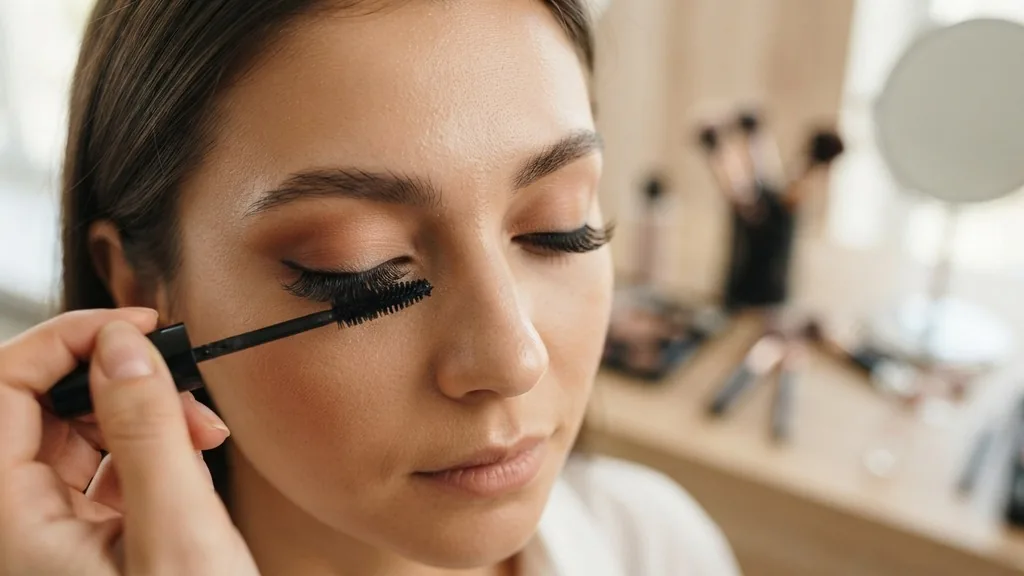
Many beauty enthusiasts wonder if they can enhance their look by layering products on top of their falsies. The short answer is that you can, but it depends entirely on the type of lashes you are using and the desired outcome. Understanding the delicate balance between product application and lash longevity is key to achieving a flawless finish without ruining your investment.
Understanding the Impact of Mascara on Strip Lashes
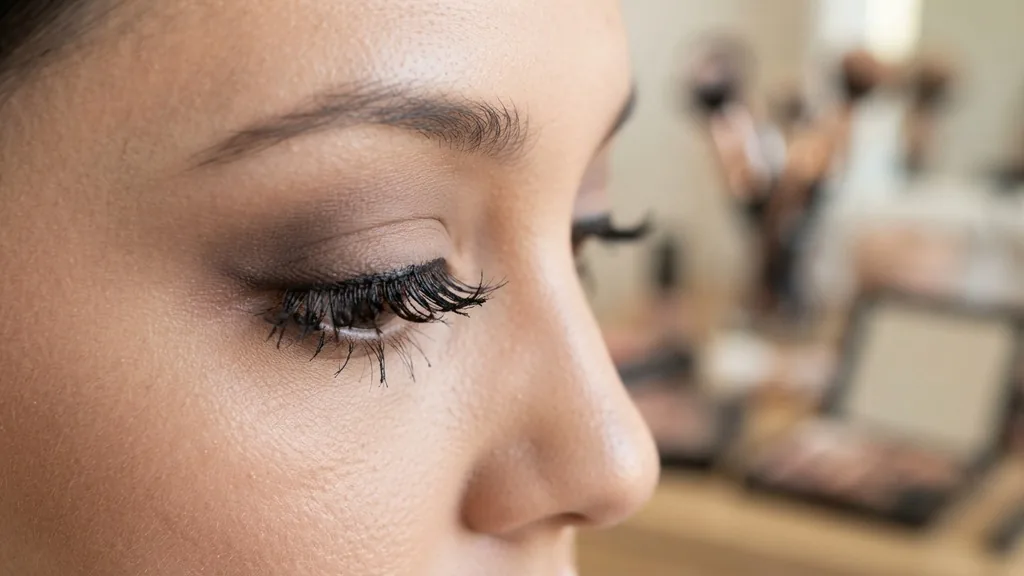
You can indeed apply mascara to strip lashes, but it is generally recommended to do so sparingly or avoid it altogether if you want to reuse the lashes multiple times. When you apply mascara to synthetic or mink strip lashes, the product builds up on the fibers, leading to a clumpy or heavy appearance that can look unnatural. Unlike your natural lashes, which are porous and designed to hold product, synthetic fibers are often smooth, meaning the mascara does not adhere well and tends to flake off throughout the day.
If you choose to use mascara, focus only on the roots where your natural lashes meet the band. This creates a seamless transition, hiding the space between your skin and the lash strip. Avoid coating the entire length of the false lashes, as this will weigh them down and cause them to lose their curl or shape prematurely.
Over time, the buildup of cosmetic ingredients will degrade the material, making it nearly impossible to clean them thoroughly for future wear. If you find yourself constantly reaching for the wand, you might be using a style that is too sparse for your preferred aesthetic.
The Risks of Using Mascara on Lash Extensions
Applying mascara to professional lash extensions is strongly discouraged by most beauty professionals. Extensions are meticulously applied to each individual hair, and adding heavy, oil-based, or waterproof formulas can break down the adhesive bond that keeps them in place. The ingredients in many standard formulas are designed to cling to hair, which can pull at the extensions when you try to remove the makeup, leading to premature shedding of both your extensions and your natural lashes.
If you feel your extensions are looking thin, it is usually a sign that you are due for a fill rather than a cue to layer on more makeup. Using mascara on them can also trap dirt, oil, and bacteria at the lash line, which increases the risk of eye infections or conditions like blepharitis.
If you absolutely must use a darkener, look for specific products formulated for extensions that are water-based and oil-free, though even these should be used with extreme caution. Always consult with your lash technician to see if they approve of any supplemental products before risking your investment.
Mascara Application Techniques for Cluster Lashes
Cluster lashes occupy a unique space between full strips and professional extensions, and they often require a different approach regarding product usage. Because these clusters are applied in smaller sections, they can sometimes look slightly disconnected from your natural lash line. Many people find that a very light coat of mascara helps to marry the clusters to their natural hair, creating a more cohesive and sophisticated look.
When working with clusters, the best technique is to apply the mascara to your natural lashes first, let it dry completely, and then apply the clusters. If you still see a gap, use a clean spoolie brush with just a tiny amount of mascara to gently comb the natural and false lashes together. This minimizes the amount of product deposited on the synthetic fibers while still providing the blending effect you desire.
Be careful not to pull on the clusters while brushing, as the adhesive used for clusters is often less robust than that used for permanent extensions. You can find more detailed information on maintaining eye health and hygiene during cosmetic routines at the American Academy of Ophthalmology regarding eye makeup safety.
Comparing Lash Types and Product Compatibility
Different lash materials react differently to cosmetic products. Synthetic fibers, such as those made from PBT (polybutylene terephthalate), are non-porous and do not absorb pigment well. Conversely, silk or mink lashes are more delicate and can be permanently damaged by the solvents found in some mascaras.
| Lash Type | Mascara Compatibility | Durability |
|---|---|---|
| Synthetic Strip | Low (Can cause clumping) | High (If cleaned properly) |
| Mink/Silk Strip | Very Low (Damages fibers) | Medium (Delicate material) |
| Cluster Lashes | Moderate (For blending) | Low-Medium (Requires care) |
| Professional Extensions | None (Risk of bond failure) | High (With professional care) |
As shown in the table, the durability of your lashes is inversely proportional to the amount of external product you apply. If you prioritize longevity, it is best to choose a lash style that provides the volume you want naturally, rather than relying on mascara to fill in the gaps.
How to Choose the Right Product for Your Falsies
If you decide that you must use mascara to achieve your desired look, the type of formula you choose is critical. You should always avoid waterproof mascara, as it requires oil-based removers to break down. These oils will dissolve the lash glue instantly, causing your strips or clusters to lift prematurely.
Instead, opt for a water-based, tubing mascara. These formulas form tiny polymers around the lashes that slide off easily with warm water, sparing your falsies from the harsh scrubbing that usually destroys them.
Another factor to consider is the wand design. A large, bulky brush is difficult to maneuver around false lashes and will likely deposit too much product. Use a smaller, tapered brush or even a disposable wand that allows for precision.
This gives you better control over where the product is placed, ensuring you only touch the roots of the lashes rather than the delicate tips. By selecting the right tool, you significantly reduce the chance of damaging your falsies while still getting the blending effect you need.
Cleaning Falsies After Mascara Use
If you do apply mascara to your strip lashes, you must be prepared to clean them thoroughly after each use. Leaving dried mascara on the fibers causes them to become stiff and brittle, which ruins the natural movement of the lash. To clean them, place the strip on a paper towel and use a cotton swab dipped in a gentle, oil-free makeup remover.
Gently wipe along the band and the base of the fibers to loosen the dried product. Do not soak the lashes in remover, as this can weaken the adhesive holding the fibers to the band. Once the residue is removed, use a clean spoolie to brush through the lashes to restore their original shape.
Allow them to air dry completely before storing them back in their original tray. While this process is time-consuming, it is the only way to extend the life of your lashes after they have been exposed to mascara.
Alternative Ways to Enhance Your Look Without Mascara
Before you commit to putting mascara on your fake eyelashes, consider if there are other ways to achieve your aesthetic goals. Often, the desire to add mascara stems from wanting a darker lash line or more volume.
Instead of adding product to your falsies, try applying a thin line of black liquid or gel eyeliner to your eyelid before applying the lashes. This creates an illusion of density at the root, making your lash line appear fuller without the need for additional product.
If you are using strip lashes, you can also experiment with stacking two different styles. Combining a voluminous lash with a wispy, natural lash creates a multidimensional effect that looks much more professional than a clumpy, mascara-coated strip.
Additionally, curling your natural lashes before applying the falsies can help them sit at a better angle, reducing the gap that often leads people to reach for the mascara bottle in the first place. These preventative measures keep your lashes clean and extend their overall lifespan.
Common Mistakes to Avoid When Applying Mascara
The most common error people make is applying mascara to the entire length of the lash. This creates a heavy, weighed-down look that makes the eyes appear tired. Another mistake is applying mascara while the lash glue is still tacky.
If you are using strip lashes, wait for the glue to be fully set and dry before touching the lashes with any other product. If the glue is still wet, the mascara wand will pull the lash away from your lid, creating an uneven application.
Furthermore, avoid layering multiple coats of mascara. Even with natural lashes, thick layers lead to flaking, and on synthetic fibers, this effect is magnified. If you feel the need for more volume, it is far better to invest in a higher-quality pair of lashes that provides that density out of the box.
By avoiding these pitfalls, you ensure your makeup looks polished and professional throughout the day. Remember that the goal of using fake lashes is to simplify your routine, not to add extra steps that require constant maintenance and repair.
FAQ
- Can I use waterproof mascara on my fake eyelashes? No, you should avoid waterproof mascara entirely. It requires oil-based removers that dissolve the adhesives used for strip, cluster, and extension lashes, causing them to fall off or lose their shape prematurely.
- Does mascara ruin the curl of synthetic lashes? Yes, the weight of the mascara can cause synthetic fibers to lose their shape and curl. Because these lashes are heat-set during manufacturing, they do not recover their curl once they have been weighed down or damaged by heavy product.
- Is it okay to use mascara on magnetic lashes? It is generally not recommended. Magnetic lashes are designed to be used clean. Applying mascara to them will coat the magnetic points and the fibers, making them difficult to clean and potentially interfering with the strength of the magnetic bond.
- How can I make my lashes look better without adding mascara? Focus on proper placement and using eyeliner. A thin line of black liner at the base hides the band, while curling your natural lashes before application helps them blend seamlessly with the falsies, providing a fuller look without any extra product.


