

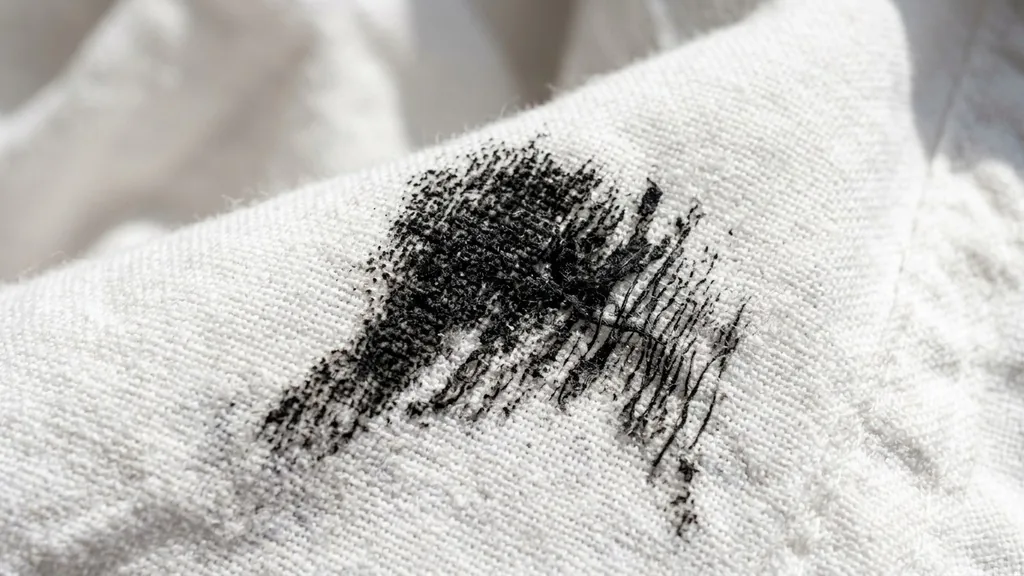
Discovering a smudge of dark, pigment-rich cosmetic on your favorite blouse or dress can induce immediate panic. Many people wonder if mascara comes out of clothes, and the short answer is yes, but the outcome depends heavily on how quickly you act and the specific nature of the formula.
Because mascara is designed to be water-resistant, smudge-proof, and long-wearing, it contains binders and waxes that are notoriously difficult to lift once they bond with textile fibers. However, with the right combination of solvent-based treatments and mechanical agitation, you can often restore your garment to its original state without leaving a permanent mark.
Understanding Why Mascara Stains Are Difficult to Remove
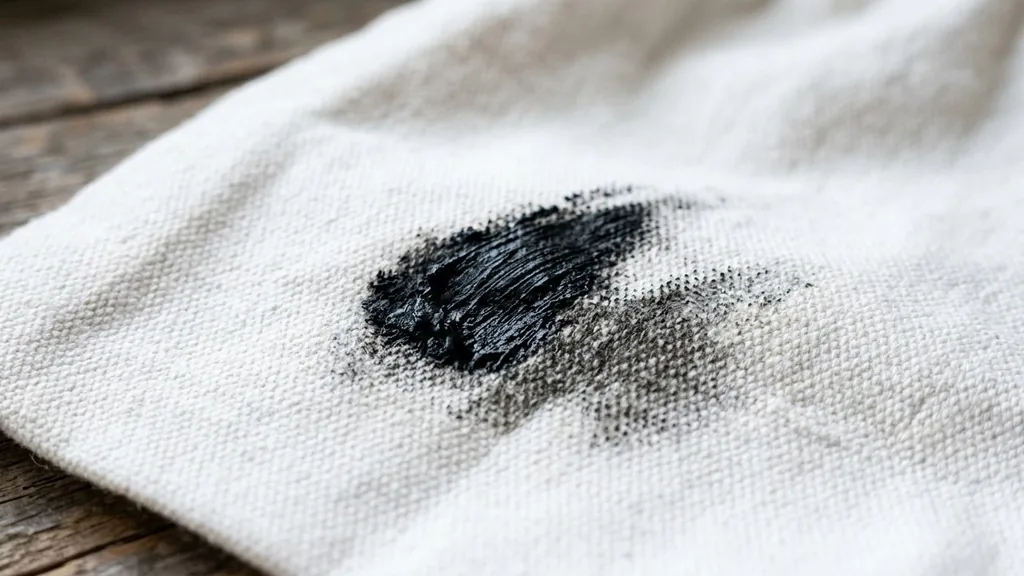
To effectively tackle a makeup stain, you must first understand the chemistry behind the product. Mascara is fundamentally different from a water-based dye.
Most high-performance formulas are engineered to adhere to your lashes through a complex mix of iron oxides (the pigment), carnauba or beeswax (the structure), and synthetic polymers (the water-resistance). When this substance lands on fabric, it does not simply sit on the surface; it penetrates the weave of the fabric and solidifies as it cools or dries.
The presence of heavy oils and waxes means that standard water-based cleaning methods are often insufficient. If you simply toss a mascara-stained shirt into a standard wash cycle, the heat of the water may actually set the oils deeper into the fibers, making the mark permanent. The goal is to break down the hydrophobic bonds of the wax before it becomes trapped in the garment’s thread count.
Because these products are designed to survive rain, humidity, and oily eyelids, they are chemically stubborn by design. Identifying the difference between a water-based mascara and a waterproof formula is the first step in determining your approach; waterproof versions are significantly more resilient and require an oil-based solvent to dissolve the pigments effectively.
Immediate Action: The First Steps After a Spill
The most critical factor in determining whether the stain will be removed is your reaction time. If you notice the mascara immediately, do not rub the area. Rubbing is the most common mistake; it forces the thick, viscous liquid deeper into the individual fibers of the clothing.
Instead, use a dull edge, such as a butter knife or the edge of a credit card, to gently lift away any excess product that is still sitting on the surface of the fabric. By removing the bulk of the pigment before it dries, you significantly reduce the surface area that needs to be treated.
Once the excess is gone, resist the urge to use hot water. Hot water can cause the waxes in the mascara to melt and spread, turning a small dot into a larger, more difficult-to-manage smear. Instead, work from the back of the fabric.
By turning the item inside out and flushing the area with cold water, you encourage the pigment to move away from the garment rather than through it. This is a standard practice in textile care, often recommended by experts at the American Cleaning Institute to ensure that stains are lifted rather than pushed deeper into the weave. Blotting the area with a clean, white paper towel is also essential; avoid colored cloths, as they may transfer dye onto your garment during the cleaning process.
Selecting the Right Cleaning Agents for Makeup Stains
Once you have performed the initial rinse, you need a chemical agent capable of breaking down the heavy oils and synthetic polymers. Dish soap is arguably the most effective tool in your arsenal because it is specifically formulated to cut through grease and oils. Since mascara is essentially a high-pigment grease, the surfactants in dish soap work to emulsify the oils, lifting them away from the textile fibers so they can be rinsed away.
Apply a small amount of clear or mild dish soap directly to the stained area. Gently work the soap into the fabric using your fingers or a soft-bristled toothbrush, moving in a circular motion. This mechanical agitation helps the soap reach the deep-seated pigments.
If the stain remains stubborn, you might consider a pre-treatment spray designed for oil-based stains. However, be wary of harsh bleaches or oxygen-based cleaners on delicate fabrics like silk or wool, as these can damage the integrity of the fibers. Always perform a patch test on an inconspicuous area, such as an inside seam, to ensure the cleaning agent does not cause discoloration or fabric degradation.
Comparing Treatment Methods for Different Fabric Types
Not all materials react the same way to chemical treatments. The porous nature of cotton versus the synthetic smoothness of polyester means that some fabrics will hold onto mascara pigments more tenaciously than others. The table below outlines how to approach different materials when dealing with makeup stains.
| Fabric Type | Treatment Strategy | Cautionary Note |
|---|---|---|
| Cotton/Linen | Use dish soap and cold water; scrub gently with a soft brush. | Do not use high heat in the dryer until the stain is gone. |
| Silk/Wool | Use a specialized delicate detergent; dab, do not rub. | Avoid harsh chemicals; professional dry cleaning is preferred. |
| Polyester/Synthetics | Use an oil-removing pre-treatment and warm water soak. | Synthetics can trap oils; ensure thorough rinsing. |
| Denim | Use a stronger detergent concentration; scrubbing is safe. | Denim may fade if treated with harsh solvents. |
The Role of Temperature and Drying
A common misconception is that a hot wash is the best way to sanitize and clean stained clothing. In the context of mascara, heat is your enemy.
As previously mentioned, the waxes used in lashes products are temperature-sensitive. If you apply heat to a mascara stain, you are essentially “cooking” the wax onto the fabric, which creates a permanent bond that is nearly impossible to break without damaging the garment.
Always opt for a cold or lukewarm wash cycle. After treating the stain with your selected detergent or dish soap, ensure that you have thoroughly rinsed the area before placing it in the washing machine. If you put the garment in the dryer while any trace of the mascara remains, the heat of the machine will set the stain permanently.
It is a best practice to air-dry the garment after its first post-stain wash. Inspect the area carefully once it is dry; if a shadow of the mark remains, repeat the treatment process before ever allowing the item to touch a high-heat drying cycle.
Addressing Topical Gaps: Common Mistakes and Advanced Techniques
Many people struggle because they treat mascara like a simple dirt or dust stain. However, because mascara contains iron oxides, it acts more like an ink or a dye. If you have tried the standard methods and the stain persists, you may need to escalate to more targeted techniques.
For example, some individuals find success using a makeup remover that is specifically formulated for waterproof cosmetics. Since these removers are designed to break down the exact chemical structure of the mascara, they are often more effective than standard laundry detergents.
Another gap in common advice is the importance of the “rinse-repeat” cycle. Many people give up after one attempt. If the stain is heavy, it may require two or three applications of your cleaning agent.
Ensure you are using a clean part of your cloth or sponge each time you blot; if you keep using a stained part of your cleaning rag, you are simply re-depositing the pigment back onto the clothing. Furthermore, consider the use of an enzyme-based laundry detergent. Enzymes are biological catalysts that break down proteins and fats; since many mascaras contain ingredients that interact with these biological components, an enzyme-based cleaner can be significantly more effective than a generic, non-enzymatic soap.
When to Seek Professional Help
Despite your best efforts, some garments are simply too delicate or the stain too deep to be handled at home. If you are dealing with expensive evening wear, silk, leather, or suede, it is often safer to take the item to a professional dry cleaner. These establishments have access to industrial-grade solvents and specialized knowledge regarding fiber composition that the average consumer does not possess.
Be sure to point out the stain to the professional and, if possible, specify that it is mascara. Dry cleaners use a process called “spotting” where they apply specific chemicals to individual stains before the garment undergoes the main cleaning process. If you have already attempted a DIY removal, disclose what products you used.
This prevents the dry cleaner from using a chemical that might react poorly with your previous treatment. While this comes at a cost, it is often a worthwhile investment to save a high-value piece of clothing from being ruined by a simple cosmetic accident.
FAQ: Frequently Asked Questions
Does mascara stain permanently if it dries?
It can be very difficult to remove, but it is rarely permanent if treated correctly. The key is to avoid heat. If you have let the mascara dry, use an oil-based makeup remover to soften the waxes before applying detergent to lift the pigment.
Can I use bleach to remove mascara stains?
You should avoid bleach on most fabrics. Bleach is an oxidizer that can damage fibers and cause yellowing on synthetic fabrics. It is ineffective against the oil-based waxes in mascara and may ruin the color of your clothing, making the stain even more noticeable.
What if the mascara stain is on a white shirt?
White shirts are often easier to treat because you don’t have to worry about color fading. You can use a stronger spot treatment. However, ensure the product is completely rinsed out, as any residue can attract dirt later, creating a permanent grey spot where the original stain was.
How do I know if the stain is fully gone?
Wait for the fabric to air-dry completely. A wet fabric can hide faint traces of pigment. If you hold the garment up to a bright light and see a shadow or a change in the texture of the fabric, the stain is likely still present and requires another treatment.


