

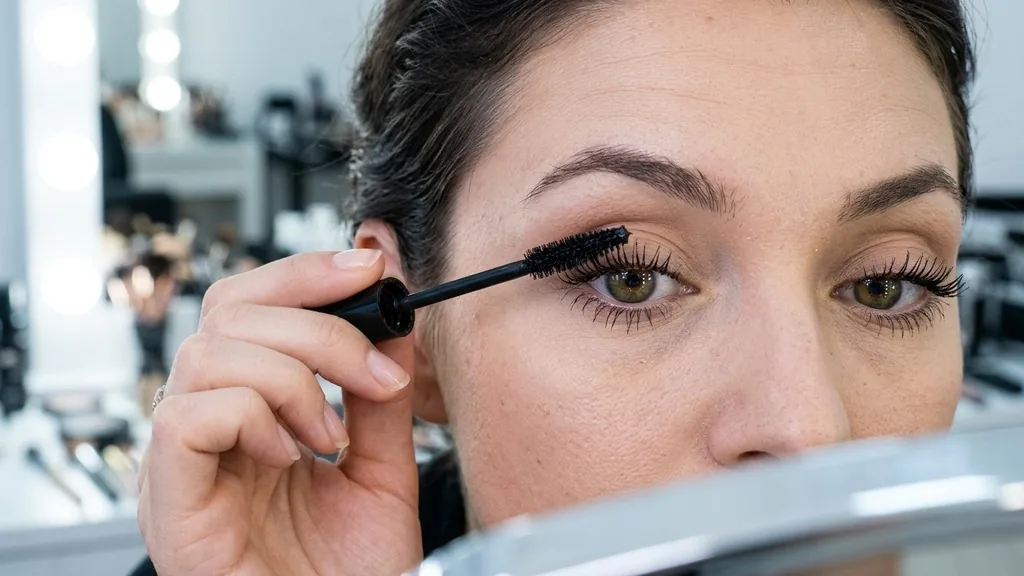
Daily makeup routines often involve the application of eye cosmetics, leading many beauty enthusiasts to wonder, does mascara ruin your lashes? The short answer is that while mascara itself is not inherently destructive, the way it is applied, worn, and removed can significantly compromise the structural integrity of your eyelashes. Your lashes are delicate hair follicles that require a specific environment to remain healthy, and constant exposure to certain chemical formulations or aggressive cleaning habits can lead to brittleness, breakage, and premature shedding.
Understanding the relationship between cosmetics and lash health requires looking at the anatomy of the lash and the chemical composition of the products we apply. Many people assume that because they see their lashes looking longer and fuller, they are doing no harm.
However, the weight of the formula, the drying agents inside the tube, and the friction applied during the cleansing process all contribute to the overall condition of your eye hair. By adopting better habits, you can enjoy the aesthetic benefits of mascara without sacrificing the long-term health of your natural fringe.
The Mechanics of Mascara and Lash Integrity
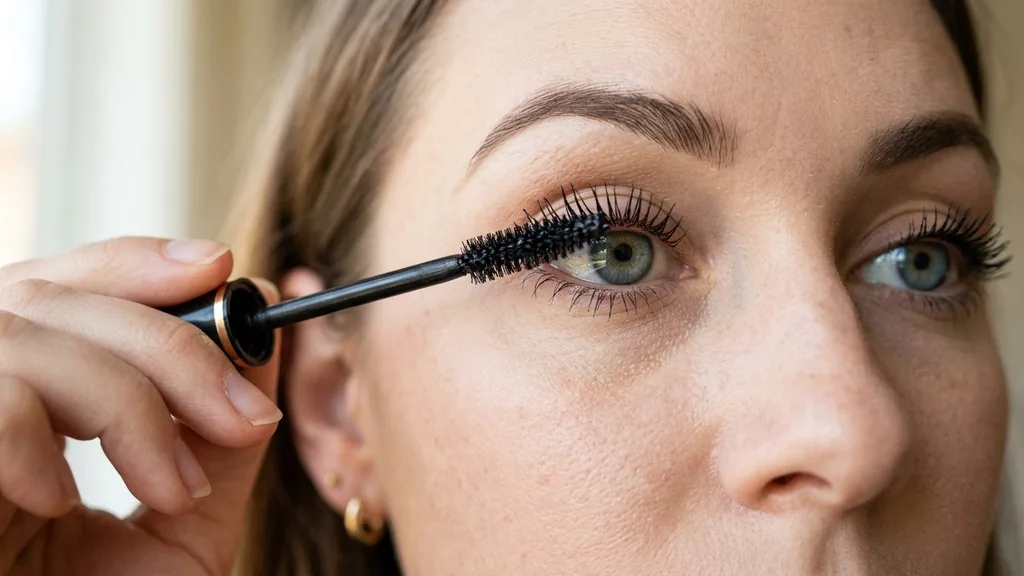
To determine if your makeup habits are causing harm, it is essential to understand how mascara interacts with your eyelashes on a physical level. Mascara formulations typically contain a mix of pigments, oils, waxes, and polymers.
These components are designed to coat the hair shaft, providing volume and length. However, the very properties that make a product hold a curl or resist smudging are the same ones that can make lashes prone to snapping.
When you apply a heavy, waterproof mascara, you are essentially coating your lashes in a hardened shell. Throughout the day, as you blink, your lashes naturally flex. If the mascara has dried into a rigid, inflexible layer, that movement creates micro-fissures in the product.
More importantly, the weight of the formula can pull on the lash follicle. If your lashes are already thin or brittle, this constant tension can lead to mechanical stress.
Furthermore, many formulas contain drying agents like alcohol or specific preservatives that pull moisture out of the hair shaft. Over time, this dehydration makes the lashes less elastic.
Think of your lashes like the hair on your head; if you were to spray it with a heavy-duty hairspray every single day and then brush it aggressively, it would eventually become dry, brittle, and prone to breakage. Your eyelashes undergo the same cycle of stress, and when they lose their natural oils, they become significantly more vulnerable to everyday environmental factors.
Risks Associated with Improper Removal Techniques
The most significant culprit behind lash damage is not actually the wearing of the product, but the process of taking it off. Many individuals use harsh scrubbing motions or improper cleansers, which inflicts physical trauma on the lash line.
When you rub your eyes vigorously with a cotton pad or a rough towel, you are applying shearing force to the lashes while they are softened by water or makeup remover. This is the primary reason why many people experience lash loss or notice their lashes looking thinner over time.
Effective eye makeup safety guidelines emphasize that the skin around the eye is the thinnest on the body, and the lashes themselves are anchored in delicate follicles. Aggressive removal can lead to trichiasis, where lashes grow inward, or simply pull lashes out before they have completed their natural growth cycle. If you use a waterproof formula, you are likely using a remover that requires more friction, compounding the risk.
To preserve your lashes, you must shift your removal technique from scrubbing to dissolving. Using an oil-based cleanser or a dedicated micellar water allows the product to break down the wax and pigments in the mascara without requiring physical agitation.
By letting the product sit on your lashes for 30 to 60 seconds, you allow the chemistry to do the work, meaning you only need to gently wipe the mascara away. This simple change in your evening routine can drastically reduce the mechanical stress placed on your lash follicles.
Distinguishing Between Hair Loss and Breakage
It is vital to distinguish between shedding and breakage when evaluating whether mascara is harming your eyes. Every human naturally loses between one to five eyelashes per day; this is a normal part of the hair growth cycle. However, if you notice an increase in the number of lashes on your pillow or in your makeup remover pad, you may be experiencing excessive loss caused by external factors.
Breakage, on the other hand, is a sign that the lash shaft itself has been compromised. If you look at a fallen lash and it appears shorter than the others or has a jagged tip, it has likely broken off mid-shaft rather than falling out from the root. This is almost exclusively a result of the mascara drying out the hair or the friction of removal.
| Factor | Impact on Lash Health | Prevention Strategy |
|---|---|---|
| Waterproof Formulas | High risk of breakage due to drying agents | Reserve for special events; prioritize tubing mascaras |
| Aggressive Removal | Mechanical trauma and premature shedding | Use oil-based cleansers; avoid rubbing |
| Old Mascara | Bacterial buildup and clumping | Replace every 3 months; avoid pumping the wand |
| Daily Curling | Weakens the lash structure | Curl only clean lashes; never curl after mascara |
The Role of Formula Composition in Lash Health
Not all mascaras are created equal. The ingredients list plays a massive role in whether your makeup supports or hinders your lash health. Many conventional brands prioritize longevity and smudge-proof qualities, often at the expense of hair hydration.
Ingredients like paraffin, beeswax, and various synthetic polymers are common. While these provide the desired volume, they can also create a barrier that prevents the lash from absorbing moisture.
Conversely, there is a growing market for conditioning mascaras that include ingredients such as panthenol, vitamin E, biotin, or castor oil. These components are designed to nourish the hair shaft while providing the cosmetic effect of mascara. When you choose a product that includes these conditioning agents, you are effectively turning your makeup routine into a form of hair care.
Another factor to consider is the presence of fragrances or parabens, which can cause irritation to the eyelid skin. If the skin around your lash line becomes inflamed or allergic, it can disrupt the healthy function of the hair follicle. A healthy follicle is the foundation of a healthy lash; if the skin is compromised, the hair growth cycle may be affected, leading to thinner, weaker lashes over time.
When to Give Your Lashes a Break
A common question is whether you should stop wearing mascara entirely to allow your lashes to recover. While you do not necessarily need to stop wearing makeup, implementing “makeup-free days” can be highly beneficial. Providing your lashes with 24 to 48 hours of rest allows the follicles to breathe and prevents the cumulative buildup of products.
During these breaks, you can incorporate a lash serum or a simple natural oil treatment, such as cold-pressed castor oil, to hydrate the lashes. This helps restore the natural elasticity of the hair shaft. If you have noticed that your lashes feel particularly brittle or if you have experienced a period of high stress, taking a few days off is an excellent way to reset your lash health.
Furthermore, it is important to monitor the age of your products. Old mascara is not only a harbor for bacteria, which can cause eye infections like conjunctivitis, but it also becomes thicker and more difficult to remove.
As the product degrades, it becomes more prone to clumping, which increases the likelihood of pulling on your lashes during application and removal. A strict three-month replacement rule is the gold standard for maintaining both eye safety and lash integrity.
Topical Gaps: Addressing Common Concerns
A frequent point of confusion is whether mascara actually prevents growth. It is important to clarify that mascara does not stop the biological process of hair growth, which is dictated by genetics, nutrition, and hormonal balance.
However, if you are breaking your lashes faster than they can grow, it will appear as though your growth has stalled. The “growth” is happening, but the visible length is being lost to breakage.
Another topical gap involves the use of eyelash curlers. Many people believe that using a curler after applying mascara gives a better lift. This is a major cause of lash damage.
When mascara is dry, it creates a stiff bond; if you clamp a metal curler onto this brittle structure, the lashes are highly likely to snap at the point of pressure. Always curl your natural, clean lashes before applying any product. If you feel you need more lift during the day, a heated lash wand is a much safer alternative, as it uses warmth to shape the hair rather than mechanical crushing.
Finally, there is the issue of “tubing” mascara versus traditional waterproof mascara. Tubing mascaras form tiny, water-soluble polymers around each lash.
Unlike traditional wax-based waterproof formulas that require strong solvents to remove, tubing formulas slide off the lash with warm water and gentle pressure. This makes them significantly safer for the structural integrity of your lashes, as they eliminate the need for harsh scrubbing and chemical removers.
Best Practices for Maintaining Healthy Lashes
If you want to maintain long, lush lashes while continuing to wear makeup, you need to treat your eye area with the same level of care you give your skin. Start by investing in high-quality products that prioritize hydration.
When applying your mascara, start at the base and wiggle the wand slightly before pulling it through to the tips. This avoids applying too much product to the delicate ends of the lashes, which are the most prone to breaking.
Consider these essential habits to preserve your lashes:
- Always remove your makeup completely before sleeping to prevent overnight friction against your pillow.
- Use a gentle, oil-based makeup remover that does not require tugging or rubbing.
- Replace your mascara every three months to ensure the formula remains fresh and free of bacterial contamination.
- Avoid using waterproof mascara for daily wear; save it for events where you need extra longevity.
- Incorporate a lash-conditioning serum at night to support the strength and flexibility of the hair fibers.
- Never share your eye makeup, as this introduces foreign bacteria to your lash line, which can lead to infections.
By following these guidelines, you can minimize the risks associated with daily makeup use. The goal is to create a routine that balances your desire for aesthetic enhancement with the biological needs of your eyelashes.
Remember that your lashes are a functional part of your eye health, serving to protect your eyes from debris and moisture. Treating them with respect by using proper tools and gentle techniques will ensure they remain thick, long, and healthy for years to come.
Frequently Asked Questions
Does wearing mascara every day cause permanent lash loss?
Wearing mascara daily does not inherently cause permanent hair loss, but improper removal techniques and the use of harsh, drying formulas can lead to chronic breakage. If you consistently damage the lash follicles through aggressive rubbing, it may take longer for lashes to regenerate, potentially appearing thinner over time.
Is it bad to leave mascara on overnight?
Yes, it is highly discouraged. Leaving mascara on overnight causes the lashes to become stiff and rigid, making them susceptible to breaking when they rub against your pillowcase. Additionally, it can clog the oil glands along your lash line, potentially leading to styes or irritation of the eyelid skin.
Do lash serums really help if I wear mascara?
Lash serums can be very effective even if you wear mascara. They work by conditioning the hair shaft, which increases flexibility and reduces the likelihood of breakage. By keeping your lashes hydrated and strong, a serum provides a protective buffer against the drying effects of your daily makeup routine.
Are there mascaras that are actually healthy for my lashes?
Yes, look for formulas labeled as “conditioning” or “nourishing.” These often contain ingredients like peptides, panthenol, and natural oils that coat the hair in a protective layer. Choosing a tubing mascara is also a healthier option, as it allows for easy removal without the need for harsh, abrasive scrubbing.


