

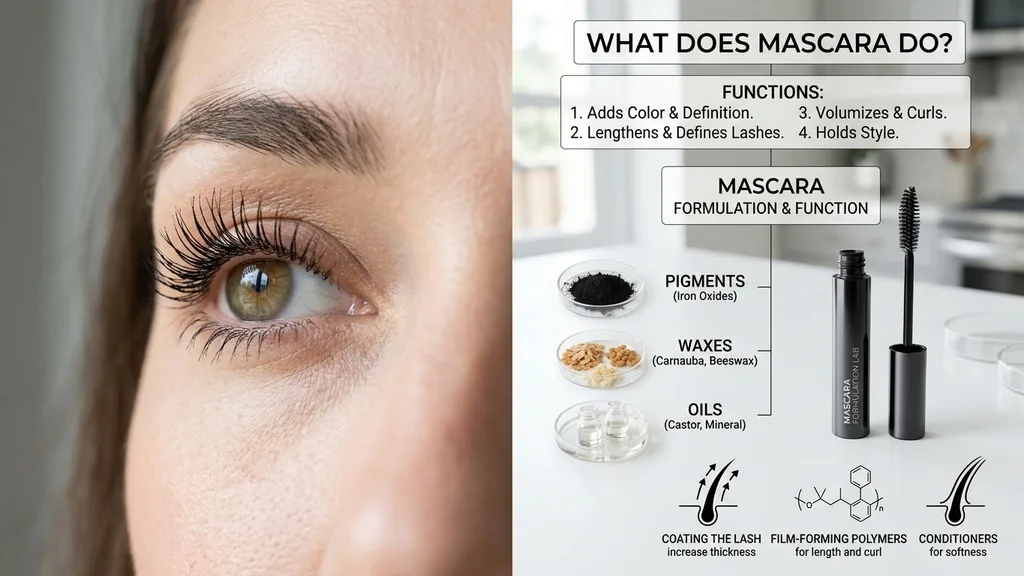
Mascara is a foundational cosmetic product designed to alter the appearance of your eyelashes by darkening, thickening, lengthening, or defining them. At its core, the primary function of this makeup is to frame the eyes, making them appear more prominent and expressive.
By coating individual hairs with a pigmented formula, it creates a visual contrast against the skin, which helps the eyes stand out against the rest of the face. Whether you are aiming for a subtle, everyday enhancement or a dramatic, voluminous effect, understanding the mechanics of how this product works allows you to select the right formula for your specific aesthetic goals.
The Chemical Composition and Formulation of Mascara
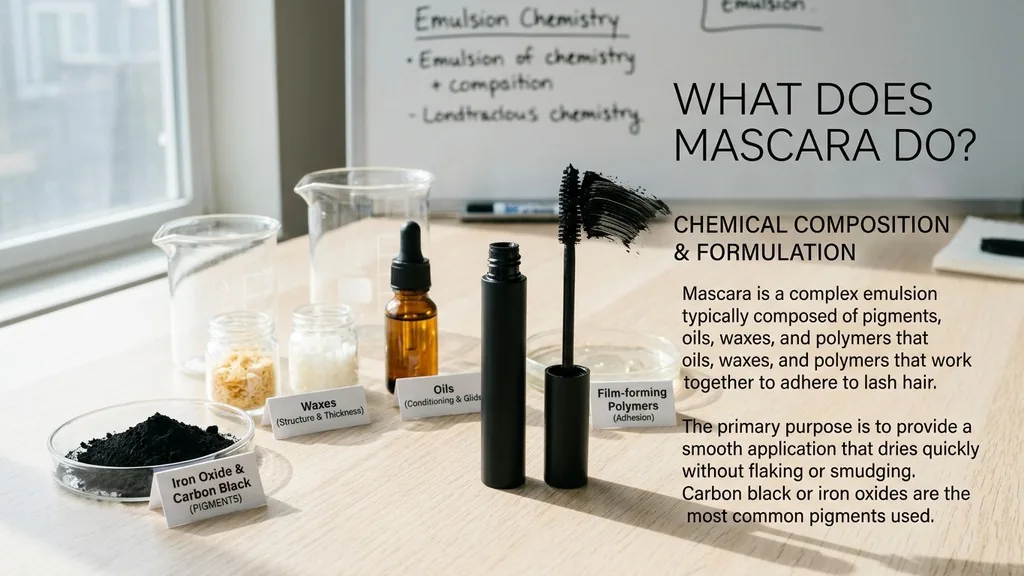
Mascara is a complex emulsion typically composed of pigments, oils, waxes, and polymers that work together to adhere to the lash hair. The primary purpose of these ingredients is to provide a smooth application that dries quickly without flaking or smudging.
Carbon black or iron oxides are the most common pigments used to provide that deep, intense color that makes the lashes look darker and more defined. The waxes—often a blend of beeswax, carnauba wax, or paraffin—provide the structure, helping the product hold a curl and maintain volume throughout the day.
Polymer technology is what truly separates modern formulas from their predecessors. These film-forming agents wrap around each lash, creating a flexible, water-resistant coating that prevents the product from running when exposed to humidity or sweat.
When you apply the product, these polymers help to lock the lash in its lifted position, effectively acting like a support structure. The oil phase of the emulsion keeps the formula creamy enough to be applied evenly with a brush, ensuring that the pigment coats the lash from base to tip without clumping excessively.
How Mascara Alters Lash Appearance
Mascara enhances the eyes by physically modifying the length and volume of your natural lashes through a process of layering. When the brush passes through the lashes, it deposits a layer of product that extends the visible length of the hair beyond its natural tip.
This is particularly effective for those with lighter or finer lashes, where the very ends of the hair are often invisible or translucent. By darkening these invisible tips, the product creates an immediate illusion of added length.
Volume is achieved through the accumulation of formula on the lash shaft. As you apply multiple coats, the combined thickness of the pigment, wax, and polymers increases the diameter of each individual lash. This creates a denser, fuller lash line.
The physical weight of the product also plays a role; depending on the formula, it can either help pull the lash upward to open the eye or keep it in a more horizontal position. The interaction between the brush bristles and the lash also helps to separate the hairs, preventing them from sticking together and creating a messy, spider-like appearance.
The Role of the Applicator Brush
The brush is just as important as the formula when considering what does mascara do for your specific eye shape. Different brush shapes and bristle types are engineered to distribute the product in ways that achieve distinct results.
A dense, thick brush with many bristles is generally designed to deposit a large amount of product, which is ideal for creating high-volume, dramatic lashes. Conversely, a thinner, more tapered brush allows for precision, making it easier to reach the tiny, hard-to-reach lashes at the inner and outer corners of the eye.
Silicone brushes have become increasingly popular because they offer a more precise, comb-like application. These bristles are often spaced further apart, which is excellent for separating lashes and preventing clumping. If you want a more natural look, a silicone brush with shorter, rigid bristles will likely be your best bet, as it provides a clean, well-defined finish.
Understanding your own lash density and length is key to choosing a brush that will work with your features rather than against them. For example, those with short lashes benefit from smaller brushes that can get closer to the root without staining the eyelid.
Comparing Different Types of Mascara Formulas
Not all mascaras perform the same function. The beauty industry categorizes these products based on their primary benefit, allowing users to tailor their routine to their specific needs. Choosing the right type depends on your lifestyle, the environment you live in, and the look you want to achieve.
| Mascara Type | Primary Function | Best For |
|---|---|---|
| Volumizing | Thickens the lash shaft | Sparse or thin lashes |
| Lengthening | Extends the visible tip | Short or blunt lashes |
| Waterproof | Resists moisture and oil | High humidity or long wear |
| Tubing | Wraps lashes in polymers | Sensitive eyes and easy removal |
Tubing mascara is a distinct category that functions differently than standard wax-based formulas. Instead of painting the lashes, it creates small, water-resistant “tubes” around each hair.
This makes it incredibly effective at preventing smudging, as the tubes don’t dissolve with skin oils. When it comes time to remove them, they slide off easily with warm water and gentle pressure, which can be less damaging to your delicate lashes than scrubbing away at waterproof makeup.
Common Misconceptions About Lash Health
One of the most frequent questions regarding mascara use is whether it actually harms your lashes. Many people worry that daily application will lead to lash loss or thinning. In reality, the product itself is generally safe for most users, provided it is removed properly.
The most common cause of damage is not the mascara, but rather the mechanical trauma caused by aggressive rubbing during makeup removal. When you scrub your eyes, you risk pulling out lashes before they have reached the end of their natural growth cycle.
To maintain your lash health, it is essential to use a gentle makeup remover designed to break down the specific type of product you are wearing. For waterproof formulas, an oil-based cleanser is often necessary to dissolve the wax and polymers without requiring excessive friction. Additionally, you should replace your mascara every three months.
Over time, the constant opening and closing of the tube introduces air and bacteria, which can lead to eye infections. If you notice a change in the smell or texture of the product, it is time to discard it, regardless of how much is left in the tube.
Why Mascara Is a Staple in Makeup Routines
Mascara remains the most popular item in the beauty world because of its immediate, high-impact results. It acts as an instant “eye-opener,” making the eyes look more awake and alert. For many, it is the one product they will use even on days when they skip foundation or lipstick.
This is because it directly addresses the framing of the eyes, which are the focal point of the face. Even a single coat can completely change the way your eyes are perceived, shifting from a tired or dull appearance to a bright and refreshed one.
Beyond just the aesthetic, the ritual of applying mascara can be a therapeutic part of a morning routine. It requires a moment of focus and steady hands, providing a brief pause before the day begins. Because it is so versatile, it can be layered to suit different occasions.
A light, single coat is perfectly professional for a corporate office, while multiple, heavier coats can provide the intensity needed for a evening event. This adaptability is exactly why it has remained a consistent favorite for decades.
Addressing Topical Gaps: Safety, Sensitivity, and Allergies
While mascara is generally safe, some individuals experience sensitivity to certain ingredients, such as parabens, fragrances, or specific dyes. If you have sensitive eyes, look for “ophthalmologist-tested” or “hypoallergenic” labels. These products are formulated to minimize the risk of irritation, which can manifest as redness, itching, or tearing.
It is also important to avoid sharing your makeup. Using someone else’s wand can transfer bacteria directly into your eye, which is a leading cause of conjunctivitis and other infections.
If you find that your eyes frequently water after applying your makeup, check the ingredients for volatile compounds that might be evaporating near your lash line. Some people are also sensitive to the fibers found in “fiber-lengthening” mascaras. These tiny particles are designed to stick to your lashes to add length, but if they fall into your eye, they can cause significant irritation.
If you wear contact lenses, you should be particularly cautious. Use a formula that is specifically labeled as safe for contact lens wearers, as these are typically designed not to flake or shed particles that could get trapped behind the lens. You can learn more about eye makeup safety from the American Academy of Ophthalmology to ensure you are protecting your vision while using beauty products.
Strategic Application for Maximum Effect
How you apply your mascara significantly dictates the final look. For the most natural result, start at the very base of the lash line and wiggle the brush back and forth before pulling it through to the tip. This “wiggling” motion ensures that the roots are coated, which provides a solid base and makes the lashes look thicker.
If you only apply to the tips, the lashes can look weighed down and droopy. To create the illusion of a wider eye, focus more product on the outer lashes, pulling them toward your temples.
If you want to prevent clumping, use a clean spoolie brush to comb through your lashes immediately after applying each coat. This removes excess product and ensures that every hair is defined and separated.
Another trick is to wipe the excess mascara off the wand onto a tissue before applying it to your lashes. Most wands come out of the tube with far more product than you actually need, and removing the excess gives you much more control over the application, allowing you to build layers slowly without the risk of creating a thick, gloopy mess.
FAQ: Common Questions About Mascara
- Does mascara really make a difference to my look? Yes, it makes a significant impact by darkening and defining the lashes, which frames the eyes and makes them appear larger and more alert. It provides a visual contrast that highlights the shape and color of your eyes.
- Is it necessary to use mascara every day? It is entirely optional. While many people use it daily to enhance their features, there is no medical requirement. Giving your lashes a break once in a while can be beneficial, especially if you have sensitive skin or eyes.
- Why does my mascara smudge under my eyes? Smudging is usually caused by skin oils or moisture interacting with the wax-based formula. If you have oily eyelids, try using an eye primer before applying your makeup or switch to a tubing mascara, which is designed to resist oil and moisture.
- What happens if I wear mascara every day for years? As long as you remove it gently every night using an appropriate cleanser and replace your tube every three months to prevent bacterial growth, wearing it daily is generally safe and will not cause long-term damage to your lashes or eye health.
In summary, the function of mascara goes far beyond simple aesthetics. It is a sophisticated delivery system for pigments and polymers that physically alters the appearance of your lashes to create a more vibrant, defined, and expressive eye area.
By understanding the composition of the product, the importance of the applicator, and the best practices for application and removal, you can effectively use this tool to enhance your natural beauty while maintaining the health of your eyes. Whether you prefer a dramatic, voluminous look or a subtle, natural enhancement, the right choice of formula and technique can make all the difference in your daily beauty routine.


