


Applying false lashes can feel like a high-stakes beauty maneuver, especially when you are trying to achieve that perfect, fluttery look without ruining your makeup. One of the most common questions beauty enthusiasts ask is: do you put mascara on before fake lashes? The short answer is that while you can, it is often better to apply a light coat first to act as a structural base for your false eyelashes, or skip it entirely if you want to keep your falsies clean for future reuse.
Why Applying Mascara Before Fake Lashes Is Often Recommended
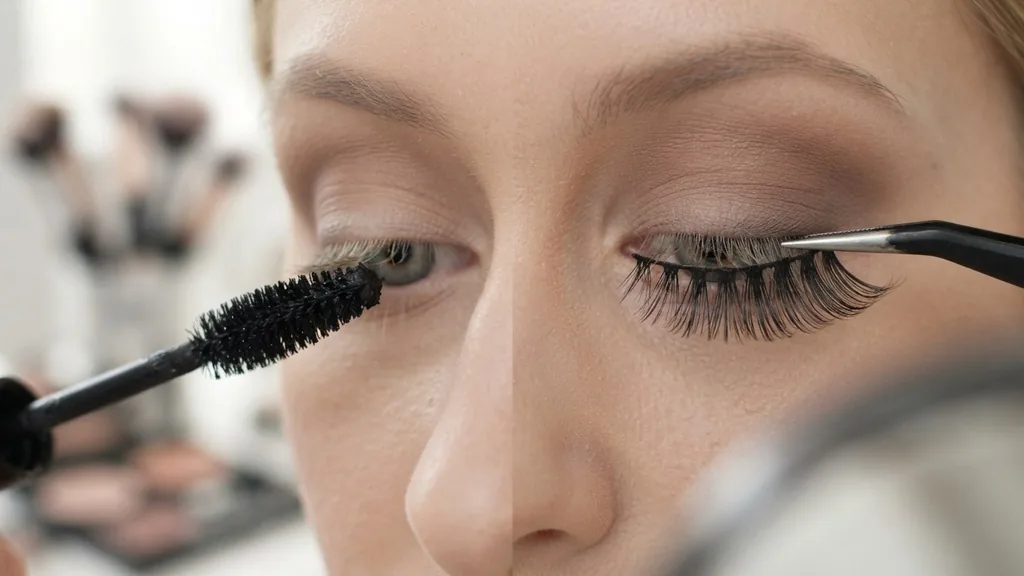
You should apply a thin layer of mascara before false lashes to provide a sturdy shelf for the band to rest on. This technique is particularly helpful if your natural lashes are very straight or light in color. By coating your natural hair, you create a darker, more uniform background that helps the false band blend in seamlessly.
When you use mascara as a primer, you are essentially creating a physical anchor. If your natural lashes are slippery or oily, the band of the falsies might slide around or fail to grip the lash line effectively. A light coat of formula adds just enough texture to the hair to prevent the lash strip from drooping.
However, the key here is moderation. If you apply a thick, clumpy layer of product, your natural lashes will become stiff and potentially interfere with the placement of the band. You want them to be flexible enough to bend slightly under the weight of the falsies so that the two sets of lashes fuse together into one cohesive, voluminous look.
The Risks of Over-Applying Mascara Before Falsies
Applying too much mascara before your false lashes can lead to messy, clumpy results that ruin the aesthetic of your eye makeup. Excess product creates a thick, wet layer that prevents the lash glue from bonding properly to your lash line. If the adhesive cannot make direct contact with the skin at the base of your natural lashes, the strip will likely lift at the inner or outer corners within a few hours.
Furthermore, applying a heavy coat makes it difficult to blend your natural lashes with the falsies. If your natural lashes are too stiff from heavy product, they will sit at a different angle than the false lashes, creating a noticeable gap between the two layers. This “double lash” effect is exactly what most people try to avoid.
It is also important to consider the health of your natural hair. If you have a thick layer of product on your lashes and then add glue, the removal process can become tug-heavy and damaging. Always aim for a “less is more” approach when prepping your eyes.
Step-by-Step Guide to Applying Mascara Correctly
To achieve the best results, you need a precise sequence of operations. Start by curling your natural lashes with an eyelash curler to give them an upward lift.
Once curled, apply a very thin, light coat of mascara. You are not trying to create maximum volume here; you are simply tinting your lashes and adding a bit of grip.
Wait for the mascara to dry completely before you reach for your lash adhesive. This is the most critical step. If the product is still tacky, the glue will not set correctly, and the strip will slide.
Once the mascara is dry to the touch, apply your lash glue to the band of the false lashes. Wait about 30 seconds for the glue to become tacky—not wet—before placing the strip onto your eyelid.
Once the strip is secure, you can use a clean spoolie or your fingers to gently press your natural lashes upward into the false ones, helping them marry together. For more detailed information on cosmetic safety, you can check the FDA guidelines on eye cosmetic safety to ensure you are using your products correctly.
Comparing Application Methods for Different Lash Styles
The necessity of mascara depends heavily on the type of lashes you are wearing. Strip lashes, magnetic lashes, and individual clusters all interact with your natural hair in different ways.
| Lash Type | Mascara Before? | Reasoning |
|---|---|---|
| Strip Lashes | Light coat recommended | Provides a shelf for the band to sit on. |
| Individual Clusters | Not necessary | Clusters are placed directly on the lash line. |
| Magnetic Lashes | Minimal coat | Too much product interferes with magnetic hold. |
| Extensions | Avoid entirely | Can damage the bond of professional extensions. |
As shown in the table, the specific style of lash dictates your prep routine. For instance, with individual clusters, you are often working in tight spaces between your natural lashes.
Adding mascara to these makes the process fiddly and prone to clumping. Conversely, with a full strip, the band is the primary focus, so having a structural base is a significant advantage for a beginner trying to get the placement just right on the first try.
Can You Apply Mascara Directly Onto Fake Lashes?
Many people wonder if they can apply mascara directly to their false lashes to make them look more dramatic. While this is technically possible, it is generally discouraged if you plan on reusing your falsies. Mascara is designed to coat and stiffen natural hair; when applied to synthetic fibers, it can cause the lashes to lose their original shape and curl.
If you insist on applying product to your falsies, focus only on the very tips of the lashes. Never apply it to the base or the band, as the buildup of old product will eventually make the band too thick and uncomfortable to wear.
Cleaning mascara off of delicate synthetic lashes is incredibly difficult and often results in the lashes getting ruined. If you want a more dramatic look, it is far better to invest in a pair of high-quality lashes that already provide the volume you desire, rather than trying to customize cheaper pairs with heavy layers of makeup.
Addressing Common Topical Gaps: The “Glue-on-Top” Technique
A common question that often goes unanswered in basic tutorials is whether you should apply mascara after the lashes are on. Some professionals swear by the “sandwich” method: a light coat before, and a tiny bit after to blend everything together. This is a great way to hide any visible glue or to make the transition between your real lashes and the false ones invisible.
However, this technique is reserved for those who are confident in their application skills. If you are a beginner, applying more product after the lashes are already glued to your eyelid is a recipe for disaster. You risk accidentally pulling on the strip or getting mascara on your skin, which requires a messy cleanup.
If you find that your lashes look a bit separated after application, use a tiny amount of black eyeliner to fill in any gaps at the root instead of reaching for the mascara wand. This provides the same darkening effect without the risk of ruining your expensive lash strips.
The Importance of Lash Health and Hygiene
Regardless of whether you choose to use mascara, the health of your eyes should be the priority. Using old, dried-out mascara on your natural lashes can introduce bacteria to your eye area, which is exacerbated when you add glue and synthetic materials. Always replace your mascara every three months, even if it hasn’t run out.
When removing your falsies, be gentle. Do not rip the strip off in one quick motion. Instead, use an oil-based makeup remover or a dedicated lash adhesive remover to dissolve the glue.
This prevents your natural lashes from coming out with the strip. Once the glue is dissolved, the falsies should slide off effortlessly.
If you have been wearing mascara, make sure you cleanse the area thoroughly to remove all traces of product. Leaving residue on your eyelid overnight can clog hair follicles and lead to irritation or styes.
Expert Tips for Seamless Integration
To make your look as natural as possible, focus on the alignment of the inner corner. This is where most people struggle.
If you apply too much mascara on your inner lashes, they will stick straight out, clashing with the curve of the false strip. Keep the inner corner of your natural lash line clean and free of clumps to ensure the strip can sit flush against the skin.
Another pro tip is to trim your lashes to fit your eye shape. A strip that is too long will naturally pull downward, making your eyes look tired. By trimming the outer edge, you ensure the weight of the lashes is distributed correctly, which works in harmony with a light base coat of mascara.
Finally, always use a dark-toned adhesive. Clear glue can leave a white, crusty film that is impossible to hide with mascara, whereas dark glue essentially acts as a liquid liner, helping everything blend together even if your application isn’t 100% perfect.
FAQ: Common Queries About Mascara and False Lashes
- Is it better to put fake lashes on with or without mascara? For most people, a very light coat of mascara is ideal. It provides a structural base that helps the natural lashes blend with the false ones and prevents the strip from sliding around during the day.
- Do you put eyeliner on before or after fake lashes? Apply your eyeliner before the lashes. This helps you map out exactly where the strip should sit and ensures that the white band of the glue isn’t visible against your skin, creating a much cleaner, more professional finish.
- Can you reuse fake lashes if you apply mascara to them? It is much harder to reuse lashes if they have mascara on them. The product builds up on the fibers, making them stiff and difficult to clean. If you want to reuse your lashes, avoid applying mascara directly to the synthetic hair.
- Do you put mascara on before lash clusters? It is generally better to avoid mascara when using cluster lashes. Clusters are designed to be placed precisely between your natural lashes, and adding extra product makes the process messy and increases the risk of clumping or damaging the delicate roots of your natural hair.


