

Removing long-wear eye makeup often feels like a battle between your patience and the structural integrity of your lashes. If you have ever wondered how do you remove waterproof mascara without causing irritation or fallout, you are certainly not alone. The very technology that makes these formulas resistant to sweat, tears, and humidity—typically polymers and waxes—also makes them notoriously stubborn when it is time to cleanse your face.
Aggressive scrubbing is the enemy here; it leads to premature lash loss and can stretch the delicate, thin skin around your eyes, potentially contributing to fine lines over time. The key is using the right solvent to break down the bonds of the mascara before you even attempt to wipe it away.
The Science Behind Waterproof Mascara Formulas
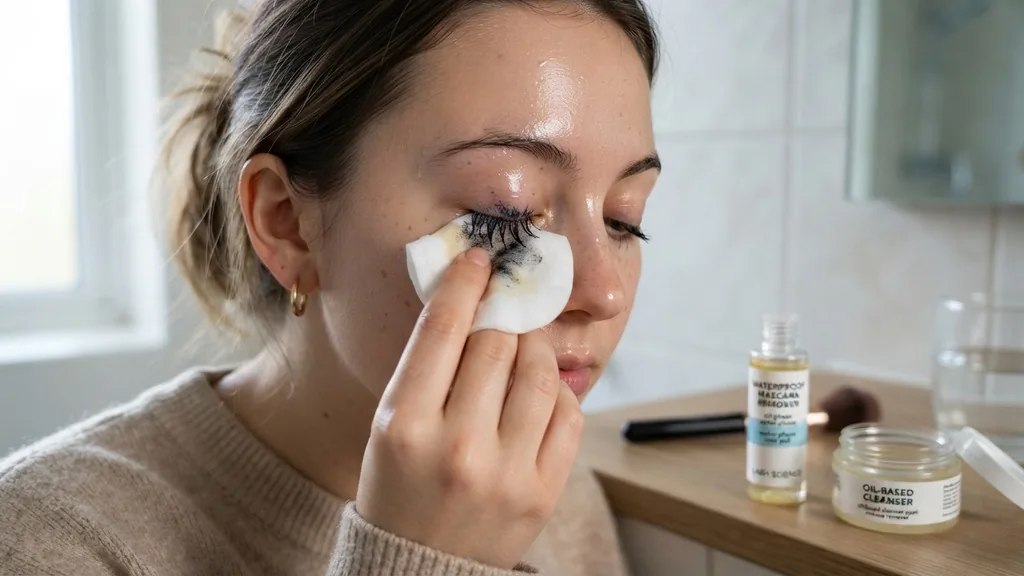
Waterproof mascara stays on through moisture because its chemical structure relies on hydrophobic ingredients rather than water-soluble ones. While standard mascara uses water as a base, waterproof versions utilize volatile silicones, synthetic waxes, and polymers that form a water-repellent film over your lashes. When you try to rinse these products off with just water or a standard face wash, the molecules simply refuse to mix.
The water beads up and slides off the product, leaving your makeup completely untouched. Understanding this repulsion is the first step in learning how to effectively dissolve the pigments and waxes that cling to your hair follicles. Because these formulas are designed to be impenetrable, you must introduce a substance that can dissolve oil-based bonds, effectively “undoing” the seal created during application.
Selecting the Ideal Makeup Remover for Stubborn Formulas
To remove waterproof mascara, you generally need an oil-based product or a dual-phase liquid that contains both water and oil components. Oil-based cleansers work by a process known as lipophilic attraction, where the oils in the cleanser bind to the oils and waxes in the mascara. Once they are bonded, they lift away from the lash surface, allowing you to wipe them off with minimal friction.
When shopping for a product, look for labels that explicitly state “waterproof” or “long-wear” compatibility. Using a lightweight, non-comedogenic oil is often more effective than standard soap, which can strip the skin of its natural moisture barrier. High-quality cleansing balms are also an excellent choice because they transform from a solid wax to a silky oil upon contact with your body heat, providing a concentrated dose of makeup-dissolving power that stays exactly where you apply it.
Step-by-Step Guide to Gentle Lash Cleansing
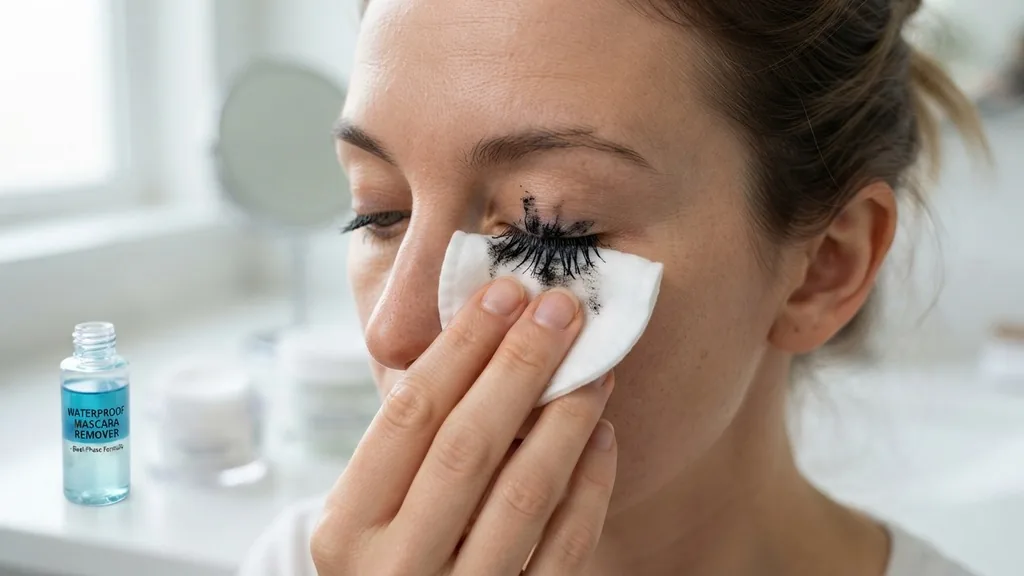
The most effective way to remove waterproof mascara without damaging your eyes involves a specific technique that prioritizes patience over pressure. Start by saturating a cotton pad or a reusable cloth with your chosen oil-based remover or micellar water formulated for waterproof makeup. Place the dampened pad directly over your closed eyelid and hold it there for at least 30 seconds.
This “soaking” period is crucial, as it allows the solvent to penetrate the layers of mascara. Once the time is up, gently press the pad against your lashes and swipe downward toward the tips.
Avoid rubbing back and forth, which can tangle your lashes and lead to breakage. If any residue remains, use a clean cotton swab dipped in the remover to target the base of the lashes where product often hides.
Using Natural Oils for Makeup Removal
Many people prefer using natural pantry staples to cleanse their face, and certain oils are surprisingly effective at breaking down synthetic waxes. Coconut oil, jojoba oil, and sweet almond oil are common, highly effective options. To use these, take a small amount—about the size of a pea—and warm it between your clean fingertips.
Gently massage the oil onto your lashes, working from the root to the tip. You will notice the mascara beginning to “melt” or smudge into the oil. Once the lashes are thoroughly coated, use a warm, damp cloth to wipe everything away.
It is important to note that while natural oils are excellent at removing product, they can sometimes leave a blurry film over your vision if you get too much in your eyes. Always follow up with a gentle facial cleanser to remove the oily residue, which helps prevent clogged pores or milia around the eye area.
Comparing Common Makeup Removal Methods
Choosing the right tool for the job depends on your skin type and personal preference for texture. The following table outlines the efficacy and considerations for different methods commonly used to remove waterproof mascara.
| Method | Best For | Key Benefit | Potential Drawback |
|---|---|---|---|
| Cleansing Balm | Dry/Sensitive Skin | High-emollience, non-drying | Can be messy to store |
| Dual-Phase Remover | Heavy Waterproof Makeup | Fastest dissolution time | Can leave an oily residue |
| Micellar Water | Quick, daily cleansing | No-rinse convenience | May require multiple pads |
| Plant-Based Oils | Natural Skincare Lovers | Gentle, no synthetic additives | Can cause temporary blurry vision |
Addressing Common Topical Gaps and Misconceptions
A common point of confusion is whether “removing” mascara is the same as “cleansing” the eye area. Many people stop at the mascara, but the skin around the eyes is highly sensitive and prone to inflammation if makeup residue is left behind. Furthermore, there is a lingering myth that you should use baby oil to remove eye makeup.
While baby oil is effective, it is often heavily fragranced, which can lead to contact dermatitis or irritation in people with sensitive eyes. If you are looking for a safe, medical-grade approach, you can learn more about proper eye hygiene and safety from the American Academy of Ophthalmology.
Another gap in knowledge is the importance of the tool used; rough cotton pads can cause micro-tears in the skin. Opt for soft, high-quality bamboo or microfiber rounds to ensure you are treating the delicate area with the care it requires.
Mistakes to Avoid When Removing Eye Makeup
If you find yourself losing lashes frequently, you might be making one of several common errors. First, never use a waterproof mascara remover to scrub aggressively. If the mascara isn’t coming off, the product isn’t soaking long enough.
Second, avoid using harsh soaps or facial cleansers intended for the rest of your face on your eyes. These products are often formulated with surfactants that are too drying for the thin, delicate skin surrounding your eyes, which can lead to stinging or redness. Third, do not skip the double-cleansing process.
Even if your makeup remover claims to be a “one-step” solution, following up with a gentle water-based cleanser ensures that no oily residue remains, which is vital for preventing eye irritation overnight. Finally, ensure your hands are clean before you start, as introducing bacteria to the eye area is a leading cause of styes and infections.
Maintaining Lash Health During Routine Cleansing
Your lashes are hair, and like the hair on your head, they require gentle handling to remain strong and healthy. When you remove waterproof mascara, consider incorporating a lash-conditioning step into your routine. Many modern makeup removers now include peptides, panthenol, or hyaluronic acid to hydrate the lashes while stripping away the makeup.
After you have fully cleansed your eye area, you might apply a thin layer of castor oil or a dedicated lash serum to the roots. This helps replenish the moisture lost during the day and keeps the lashes flexible. Flexible lashes are far less likely to snap when you apply or remove makeup.
If you notice your lashes are becoming brittle, it may be a sign that you are either using a formula that is too drying or that your removal technique is too abrasive. Consistency in your routine is the best way to ensure long-term lash vitality.
Frequently Asked Questions
- Can I use Vaseline to remove waterproof mascara? Yes, petroleum jelly is an effective, occlusive agent that breaks down waterproof waxes. Apply a small amount to your lashes, let it sit for a minute, and gently wipe away. Be careful to avoid getting it directly inside the eye, as it can be difficult to rinse out.
- Is micellar water enough for heavy waterproof makeup? Standard micellar water may struggle with heavy-duty waterproof formulas. Look for a specific “waterproof” or “oil-infused” micellar water, which contains the necessary lipid-based ingredients to dissolve the polymers in long-wear mascara without requiring harsh scrubbing.
- Why do my eyes sting when I remove my mascara? Stinging usually occurs due to one of three things: the remover contains harsh fragrances or alcohols, you are rubbing the product into your eyes rather than letting it dissolve, or you are using a product that isn’t ophthalmologically tested for eye contact.
- How often should I clean my eyelash curler? You should clean your eyelash curler at least once a week. Old makeup residue and oils can build up on the rubber pad, which can trap bacteria and cause your lashes to stick or pull out during the curling process.
In summary, the secret to removing waterproof mascara is to respect the chemical bond of the product. By using a dedicated, oil-based remover and allowing it sufficient time to break down the wax, you can maintain the health of your lashes and the delicate skin around your eyes. Never force the process; patience is the most effective tool in your beauty arsenal.
Whether you opt for a high-end cleansing balm or a simple plant-based oil, the goal is always the same: to lift the pigment away gently and safely, leaving your eyes clean, refreshed, and ready for your next application. By avoiding common mistakes and being consistent with your technique, you ensure that your eye makeup routine remains a positive, damage-free part of your daily life.


