

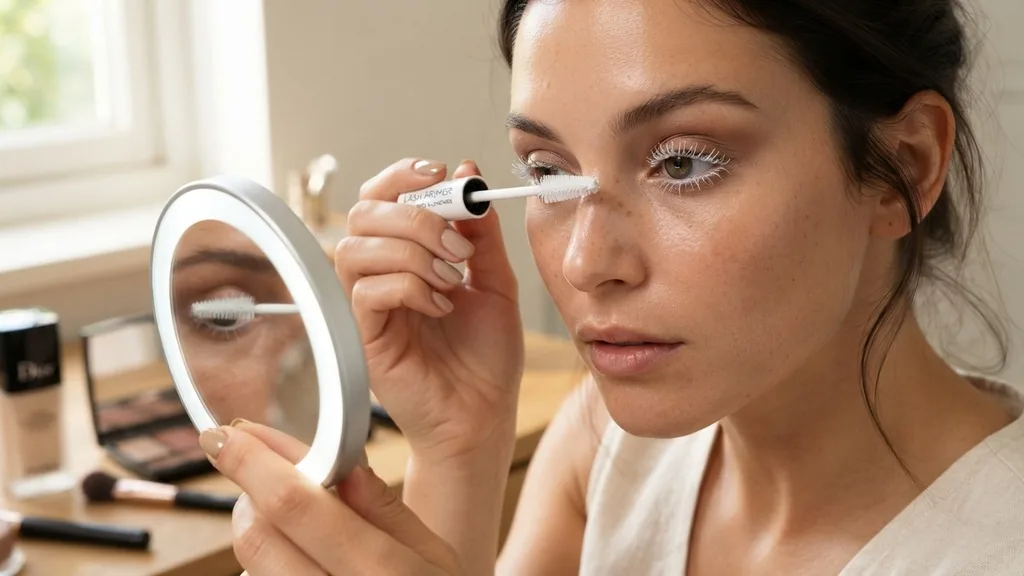
Achieving the perfect eye makeup look often feels like a balancing act between achieving dramatic length and avoiding the dreaded clumpy finish. If you have ever wondered how to use mascara primer to bridge that gap, you are certainly not alone.
Many people view this extra step as an unnecessary addition to their morning routine, but when applied correctly, it acts as the foundation for your entire eye look. By prepping your lashes with a specialized base coat, you create a smooth, tacky surface that allows your regular black mascara to grip more effectively, resulting in increased volume and superior definition.
Understanding the Function of Lash Primer
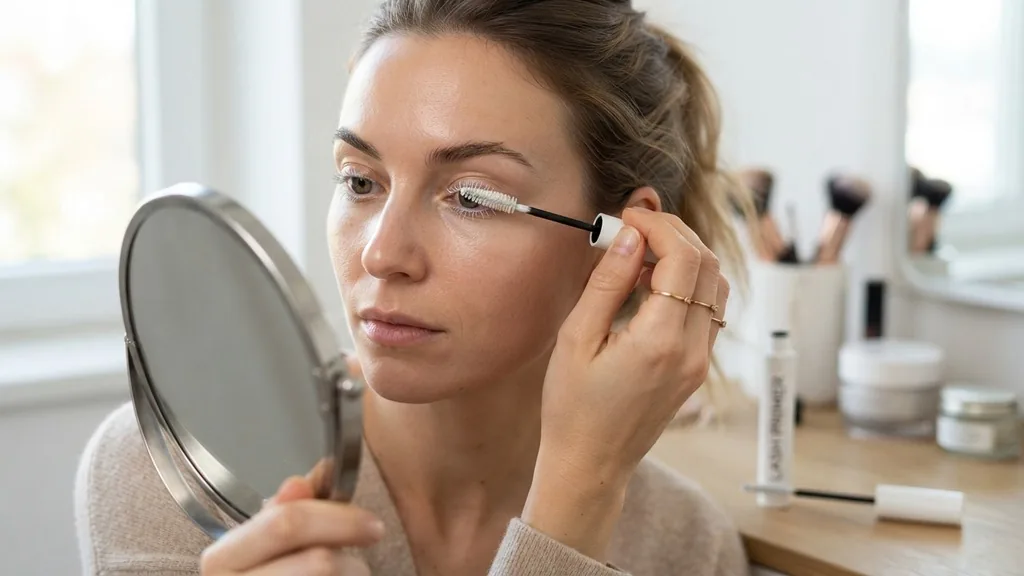
A lash primer is essentially a base coat for your eye makeup, designed to condition, thicken, and extend individual hairs before you apply color. Think of it like the primer you use on your walls before painting; it creates a uniform canvas, hides imperfections, and ensures the top layer adheres evenly. Most of these products feature a white or semi-transparent formula that coats the lashes in conditioning ingredients like panthenol, vitamin E, or various nourishing waxes.
The primary goal is to add physical bulk to the lash without the heavy weight of traditional pigment. Because the formula is specifically engineered to be lightweight, it doesn’t weigh the hair down, which helps maintain the curl you’ve achieved with an eyelash curler.
When you apply your pigmented product over this base, the color pigment clings to the fibers or wax coating rather than just sliding off the smooth surface of a bare lash. This results in a more dramatic, wide-eyed appearance that lasts significantly longer throughout the day.
Step-by-Step Application Technique
Learning how to use mascara primer effectively comes down to mastering the motion of the brush. You should treat the application as a precise technical process rather than a rushed sweep. Start by cleaning your lashes of any residual oil or leftover makeup from the previous night, as a clean surface is vital for long-term wear.
- Curl your lashes thoroughly before applying any product to set the shape.
- Remove the wand from the tube and wipe off any excess product against the rim to prevent clumping.
- Place the brush at the very base of your upper lashes.
- Wiggle the wand back and forth to ensure the roots are fully coated, which provides the best structural support.
- Pull the brush through to the tips in one smooth, continuous motion.
- Allow the product to sit for approximately 30 to 60 seconds before moving on to the next layer.
This technique ensures that you aren’t just layering product on the tips, which can cause lashes to droop. By focusing on the roots, you lift the lashes and provide a solid foundation that supports the weight of the subsequent mascara application.
The Science of Drying Time
One of the most common mistakes people make is applying their black mascara while the primer is still completely wet. If you rush this step, the two formulas will mix together, creating a muddy, gray, or clumpy texture that defeats the purpose of using two separate products.
You want the primer to reach a “tacky” state. This is the sweet spot where the formula is no longer liquid but hasn’t yet hardened into a stiff, brittle coating.
Most experts suggest waiting about 45 seconds. During this time, the solvents in the primer evaporate, leaving behind a flexible, adhesive film. If you touch your lashes lightly with a clean finger and feel a slight stickiness without product transferring, you have achieved the perfect level of dryness.
Applying your mascara at this precise moment allows the fibers or waxes in the primer to “grab” the pigment. If you wait too long—say, five minutes or more—the primer may become too stiff, making it difficult for the mascara wand to glide through without pulling or tugging at the hair.
Comparing Traditional Mascara and Primer Duos
When deciding whether to invest in a dual-ended product or separate tubes, consider your specific beauty goals. Many brands offer a double-ended wand where one side is the primer and the other is the mascara. These are incredibly convenient for travel and ensure that the two formulas were specifically tested to work together.
However, buying them separately offers more flexibility. You might find that you love the lengthening properties of one specific primer but prefer the volumizing mascara from a completely different brand.
| Feature | Standalone Primer | Dual-Ended Duo |
|---|---|---|
| Customization | High: Mix and match brands | Low: Formulas are pre-set |
| Portability | Requires two separate tubes | Excellent: One compact item |
| Cost Efficiency | Higher initial investment | Often lower price point |
| Formula Synergy | Variable based on choice | Guaranteed compatibility |
If you are a beginner, starting with a dual-ended duo is often the safest route. It removes the guesswork and ensures you aren’t accidentally pairing a water-based primer with an oil-based mascara, which can lead to rapid flaking or smudging.
Addressing Topical Gaps: Can You Use It Alone?
A frequent question that arises is whether you can use lash primer on its own without following up with black pigment. The answer depends entirely on the specific product formulation.
Most primers are designed to be a base, meaning they dry down to a white, semi-transparent, or sometimes blue-tinted finish. If you walk out with only the primer on, you may notice that your lashes look unnaturally frosted or “dusty,” which is rarely the desired aesthetic.
However, some clear conditioning gels are marketed as primers but function perfectly well as “clear mascara.” These are excellent for a natural, “no-makeup” look where you simply want to groom your lashes, add a bit of shine, and hold them in place without the intensity of dark pigment. If you find your primer leaves a visible white residue, it is strictly intended to be covered by a pigmented product.
Always check the packaging to see if the brand explicitly states it can be worn as a standalone grooming gel. For those interested in the chemistry of these products, you can find more information on the FDA cosmetics regulations page regarding safe ingredients and labeling requirements.
Overcoming Common Application Challenges
Even when you know how to use mascara primer, you might encounter issues like clumping or flaking. Clumping usually happens because of product buildup. If you are applying too many layers, the weight of the product will inevitably pull the lashes down and create “spidery” clusters.
To fix this, use a clean metal lash comb immediately after applying your mascara. A metal comb is far more effective than a plastic one at separating individual hairs and removing excess product before it sets.
Flaking is often a sign of incompatibility between the primer and the top coat. If you use a waterproof mascara over a primer that isn’t designed to be compatible with waterproof formulas, the two layers may struggle to bond, causing the top coat to flake off as the day progresses.
If you notice this happening, try switching to a regular, washable mascara for your top coat. Washable formulas are often more flexible and tend to adhere better to the tacky surface of a primer than their waterproof counterparts, which contain specific polymers that might not interact well with the base layer.
Selecting the Right Formula for Your Needs
Not all primers are created equal; some focus on length, while others are built for maximum volume. If you have short, sparse lashes, look for a formula containing synthetic fibers.
These tiny fibers cling to your natural lashes, effectively acting as extensions that you can then coat with mascara. This is the most effective way to add significant length without needing professional lash extensions.
If you have very straight, thin lashes, look for a lightweight, wax-based primer. These formulas provide structural support, acting like a scaffold that keeps your lashes upright and curled throughout the day.
Avoid heavy, oil-rich primers if your lashes tend to lose their curl quickly, as the extra weight will only accelerate the drooping process. Always read the ingredient list; if you have sensitive eyes, opt for ophthalmologist-tested formulas that are free from harsh fragrances or alcohol, which can cause irritation if product accidentally gets into your eyes during the application process.
Maximizing Your Look with Strategic Layering
Once you have mastered the basics, you can experiment with layering techniques to create a more custom look. For instance, you can apply a thin coat of primer, wait for it to get tacky, apply one coat of mascara, and then apply a tiny bit more primer just to the very tips of your lashes before finishing with a final coat of mascara. This “sandwich” method is a professional trick used to add extra length and volume to the outer corners of the eyes, helping to create a cat-eye effect without needing eyeliner.
Remember that less is often more. The goal of using a primer is to enhance your natural beauty, not to create a heavy, thick shield of product that feels uncomfortable. If you find your eyes feeling heavy by the end of the day, you are likely using too much product.
Start with the smallest amount possible and build up only where you feel you need extra definition. By refining your technique and choosing the right products, you can achieve a professional-looking result every single day.
Frequently Asked Questions
- Do I really need a mascara primer? While not strictly mandatory, a primer is highly beneficial if you want to increase the volume and longevity of your mascara. It acts as a base that helps the pigment adhere better, prevents smudging, and provides extra conditioning to keep your lashes healthy and strong.
- Can I use mascara primer with waterproof formulas? You can, but you must ensure they are compatible. Some waterproof mascaras can be quite drying or have different binding agents that don’t mesh well with certain primers. If you notice flaking, try switching to a washable mascara formula for the top layer instead.
- How long should I let the primer dry? The ideal drying time is between 30 and 60 seconds. You want the formula to reach a tacky, semi-dry state rather than being completely wet or fully hardened. Touching your lashes lightly should feel sticky but leave no residue on your finger when it is ready.
- Does primer help with lash health? Yes, many high-quality primers are formulated with nourishing ingredients like vitamin E, panthenol, and natural waxes. These components help to condition, moisturize, and protect your lashes from the daily stress of makeup removal, preventing breakage and keeping them flexible over time.


