

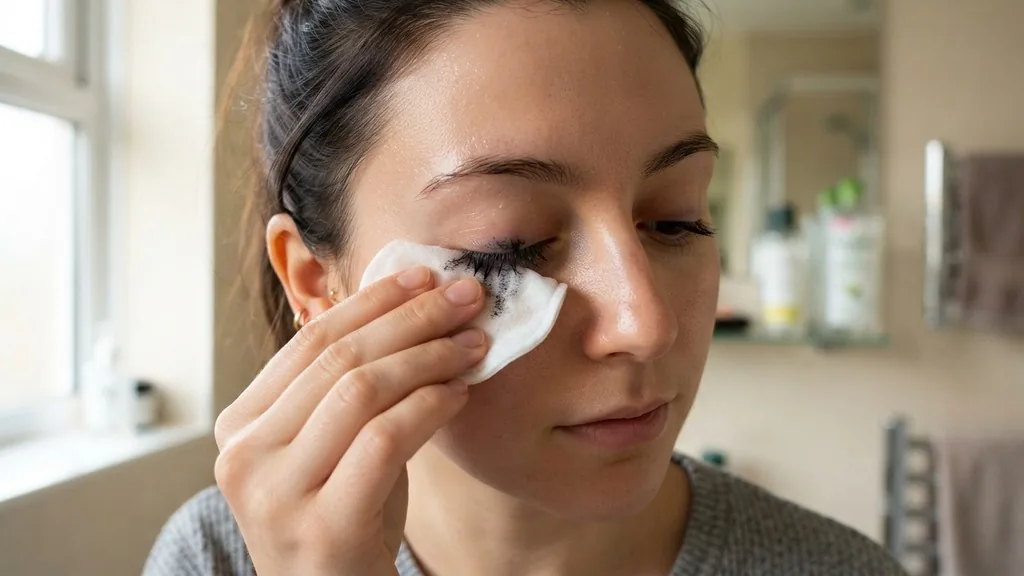
Learning how to take mascara off properly is a fundamental skill for maintaining the health of your eyes and the longevity of your lashes. Many people treat makeup removal as an afterthought, scrubbing their eyes until they are red and irritated. However, the skin around the eye is the thinnest on the entire body, making it exceptionally prone to damage, premature aging, and irritation.
By adopting a gentle, systematic approach, you can ensure that every trace of pigment is dissolved without putting undue stress on the delicate hair follicles of your lashes or the sensitive dermis of your eyelids. Whether you are dealing with stubborn waterproof formulas or standard daily wear, the technique you employ will directly influence the condition of your eyes in the long run.
Why Proper Removal Matters for Eye Health
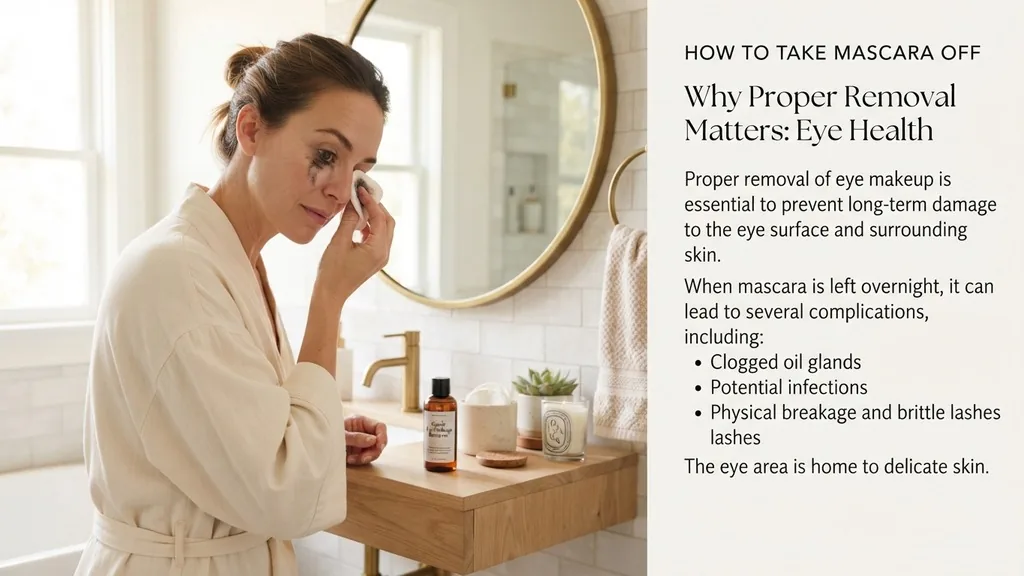
Proper removal of eye makeup is essential to prevent long-term damage to the eye surface and the surrounding skin. When mascara is left on overnight, it can lead to several complications, including clogged oil glands, potential infections, and the physical breakage of brittle lashes.
The eye area is home to delicate Meibomian glands, which secrete the oils necessary to keep our eyes lubricated. If these glands become blocked by residual makeup and environmental debris, it can trigger chronic dryness or even styes. Furthermore, when you leave mascara on, it tends to harden as the night progresses.
When you move during sleep, this dried mascara acts like sandpaper, rubbing against the delicate skin of the eyelid and the surface of the eye. This friction is a common cause of inflammation and can contribute to the formation of fine lines. By focusing on how to take mascara off every single evening, you are essentially practicing preventative care for your vision and your skin’s elasticity.
Understanding the Chemistry of Mascara
To choose the right method for removing mascara, you must first understand the type of formula you are using. Most mascaras fall into two categories: water-soluble and waterproof. Water-soluble formulas are designed to be removed with simple soap and water, while waterproof varieties contain polymers and waxes that are intentionally resistant to moisture.
Waterproof mascara is formulated with ingredients like isododecane or beeswax, which create a hydrophobic barrier. This is why a simple splash of water will never suffice when removing these formulas. To break down these waxes, you need a solvent that interacts with lipids.
This is where oil-based removers excel. Because oil attracts oil, an oil-based cleanser or a bi-phase makeup remover can dissolve the stubborn polymers in waterproof mascara, allowing them to slide off the lashes without the need for harsh pulling or scrubbing. If you attempt to use a water-based gel on a high-end waterproof formula, you will likely find yourself tugging at your lashes, which is the primary cause of lash loss during the removal process.
The Gentle Technique for Effective Removal
The most effective way to remove eye makeup involves a technique that prioritizes patience over pressure. The goal is to let the product do the work for you, rather than using physical force to manually lift the pigment from the hair strands.
Start by saturating a high-quality cotton pad with your chosen cleanser. Place the damp pad directly over your closed eyelid and hold it there for at least 30 seconds. This duration is critical; it allows the ingredients in the remover to soften the mascara, turning the hard, dry pigment back into a liquid or emollient state.
Once the time is up, gently press down and swipe downward in the direction of your lash growth. Avoid rubbing back and forth, as this action tangles the lashes and increases the likelihood of them breaking off. If you are using a resource from the American Academy of Ophthalmology, you will see that eye safety often hinges on keeping foreign materials and harsh chemicals away from the tear ducts, so always be mindful of where your cleanser is migrating.
Comparing Common Mascara Removal Methods
Different removers offer varying levels of efficacy depending on the makeup formula and your specific skin sensitivity. Choosing the right one can transform a tedious task into a quick, soothing experience.
| Method | Best For | Pros | Cons |
|---|---|---|---|
| Bi-Phase Remover | Waterproof Mascara | Dissolves stubborn wax instantly | Can leave an oily residue |
| Micellar Water | Sensitive Skin | Lightweight, no rinsing needed | May require multiple swipes |
| Cleansing Balm | Full Face/Heavy Makeup | Melts everything upon contact | Needs to be rinsed thoroughly |
| Natural Oil | Dry/Flaky Skin | Hydrating, no harsh chemicals | Can feel heavy or greasy |
How to Remove Mascara Without Specialized Products
Sometimes you may find yourself without a store-bought makeup remover, yet you still need to cleanse your eyes effectively. In these instances, you can rely on household staples that are safe for the skin. However, caution is required to ensure that the substances you use are non-comedogenic and unlikely to irritate the eyes.
Coconut oil, jojoba oil, or even plain olive oil can serve as excellent makeshift removers. These oils effectively break down the waxes in mascara. To use this method, apply a small amount of oil to your fingertips and gently massage it into your lashes.
The warmth from your fingers helps the oil penetrate the mascara formula. After about a minute of gentle massaging, use a warm, damp washcloth to wipe the area clean.
It is important to follow up with a mild facial cleanser afterward to remove any excess oil, especially if you are prone to breakouts, as residual oil can clog the pores around your eyes. Never use harsh soaps or dish detergents, as these will strip the skin of its natural moisture and cause significant irritation to the sensitive eye area.
Common Mistakes That Cause Lash Loss
Many people inadvertently cause damage to their lashes simply by using the wrong tools or applying too much force. The most common error is the “scrubbing” motion.
When you rub your eyes vigorously, you are creating friction that snaps the thin, keratin-based hair of the eyelashes. Over time, this leads to thinning and sparse lash lines.
Another frequent mistake involves using old or expired cotton pads. If the material is rough or abrasive, it acts like sandpaper on the skin. Always opt for soft, lint-free cotton rounds.
Furthermore, skipping the pre-soak step is a major oversight. If you don’t give the remover time to work, you are forcing the mascara off the lash rather than dissolving it. This is why you might see lashes on your cotton pad after you’ve finished cleaning.
If you see lashes coming off, it is a clear sign that you are being too aggressive with your removal technique. Slow down, use more product to saturate the lashes, and let the chemistry of the remover do the heavy lifting.
Addressing Topical Gaps: Tips for Stubborn Formulas
There are instances where mascara seems impossible to remove, particularly with “tubing” mascaras or heavy-duty waterproof versions. Tubing mascaras, for instance, are designed to form water-resistant cylinders around each lash. They do not dissolve with oil; instead, they require warm water and gentle pressure to slide off.
If you find that your mascara is not budging, consider these steps:
- Use a warm compress: A clean cloth soaked in warm water can help soften the mascara film significantly before you apply any cleanser.
- Double-cleanse: Start with an oil-based balm to break down the bulk of the pigment, then follow up with a water-based foaming cleanser to clear away the residue.
- Check the expiration date: If your mascara is more than three months old, it may have dried out, making it much harder to remove than a fresh tube.
- Use a Q-tip for precision: For those hard-to-reach areas near the lash line, dip a cotton swab into your makeup remover and carefully trace along the base of the lashes.
- Avoid waterproof formulas for daily use: Reserve waterproof mascara for special occasions to give your lashes a break from the rigorous removal process.
The Importance of Post-Removal Skincare
Once you have successfully finished the process of how to take mascara off, your skincare routine should not end there. The skin around the eyes is highly susceptible to dehydration, especially after you have used cleansers that may contain surfactants or alcohols.
Applying a high-quality eye cream or a gentle moisturizer helps replenish the moisture barrier. Look for ingredients like hyaluronic acid, peptides, or ceramides, which support skin health without causing puffiness. If you notice your eyes are still sensitive after removal, a cold compress can help reduce any temporary swelling or redness.
This final step is often overlooked, but it is vital for maintaining the brightness and youthfulness of the eye area. By soothing the skin immediately after cleansing, you effectively reverse any minor irritation caused by the removal process, ensuring your skin remains supple and healthy for the next day’s makeup application.
Maintaining Long-Term Lash Health
Beyond the daily removal process, the overall health of your lashes depends on how you treat them throughout the day. Using an eyelash conditioner or a serum can help strengthen the hair follicles, making them more resilient during the nightly cleaning ritual.
Many people also find that curling their lashes before applying mascara is helpful, but ensure you do this only on clean, dry lashes. If you curl them after applying mascara, the lashes can become stuck to the curler, leading to breakage. Additionally, avoid pumping the mascara wand in and out of the tube, as this pushes air into the product, causing it to dry out faster and harbor bacteria.
A dried-out mascara is much more difficult to remove and poses a higher risk of eye infections. By keeping your tools clean and your products fresh, you make the removal process significantly easier and safer, preserving the density and length of your natural lashes for years to come.
Frequently Asked Questions
- Is it okay to sleep with mascara on? No, you should never sleep with mascara on. Leaving it on can lead to clogged hair follicles, eye irritation, and the drying out of your lashes, which makes them brittle and prone to breakage throughout the night.
- What can I use if I run out of makeup remover? You can use natural oils like coconut or jojoba oil to break down the mascara. Massage the oil into your lashes, let it sit for a moment, and gently wipe away with a warm, damp washcloth to ensure all residue is removed.
- Why does my mascara feel impossible to remove? It is likely because you are using a waterproof formula or a tubing mascara that requires specific removal techniques. Waterproof mascara needs oil-based cleansers to dissolve, while tubing mascara requires warm water and gentle pressure to slide the “tubes” off the lashes.
- How do I get mascara off my eyelids without pulling? Use a saturated cotton pad held against the closed eye for 30 seconds. This step is crucial because it allows the remover to dissolve the makeup. Once softened, the mascara will wipe away easily without the need for any harsh scrubbing or pulling.


