

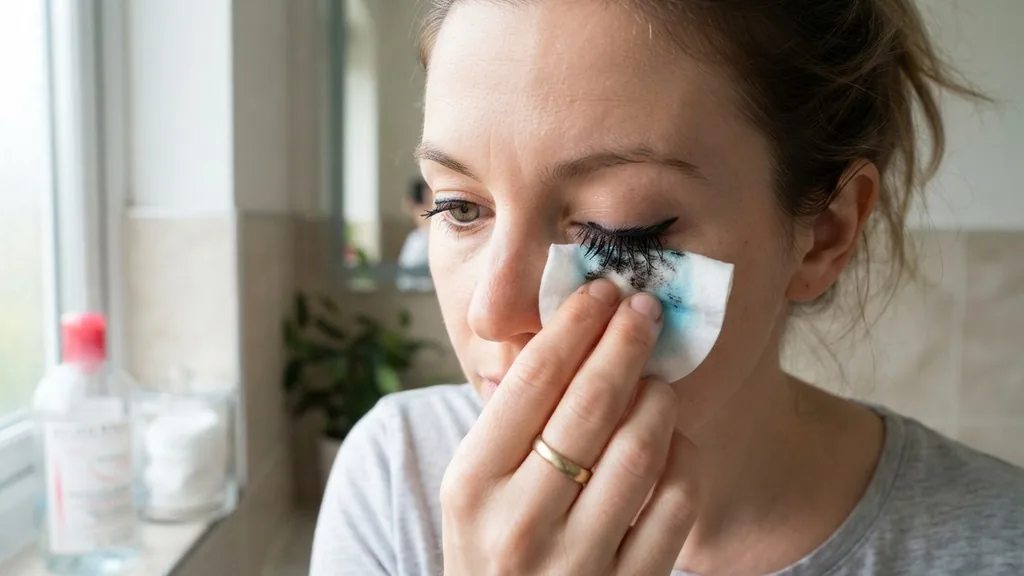
Removing long-wear eye makeup often feels like a battle against your own lashes. Because waterproof mascara is formulated with polymers and waxes designed to resist moisture, humidity, and sweat, it does not simply dissolve when you splash your face with water.
If you have ever wondered how do you remove waterproof mascara without causing irritation or losing lashes, you are not alone. The secret lies in understanding the chemistry of the product and choosing a solvent that can break down those stubborn bonds without requiring aggressive scrubbing.
When you attempt to force off waterproof formulas with standard soap or water, you risk physical damage to the delicate hair follicles. The skin around your eyes is the thinnest on your entire body, making it incredibly susceptible to micro-tears and premature fine lines if handled roughly. By adopting a systematic approach to dissolving these pigments, you protect your eye health while ensuring your nighttime routine remains efficient and soothing.
Understanding Why Waterproof Mascara Resists Standard Cleansing
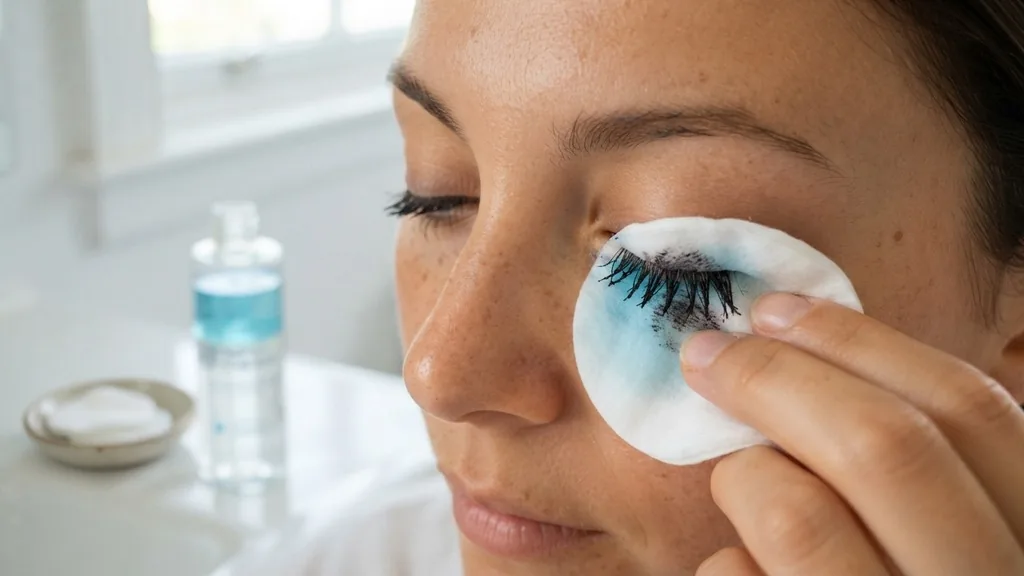
Waterproof mascara resists standard cleansers because it is formulated with hydrophobic ingredients like isododecane, beeswax, and synthetic polymers. These components create a seal around each lash that prevents water from penetrating the coating. Unlike traditional mascara, which is water-soluble and can be washed away with a basic face wash, waterproof versions require a substance that can act as a solvent for these specific waxes.
When you apply a water-based cleanser to these formulas, the molecules simply slide right off the surface of the mascara. The hydrophobic nature of the product acts as a shield. To successfully remove waterproof mascara, you must use a substance that is lipophilic, meaning it attracts and dissolves oils and waxes.
This is why oil-based removers are the gold standard for this task. They don’t just wash the makeup away; they chemically dismantle the structural integrity of the waterproof layer, allowing you to wipe it off with minimal friction. Using the wrong product forces you to rub the eye area repeatedly, which is the primary cause of lash breakage and irritation.
The Role of Oil-Based Cleansers in Makeup Removal
Oil-based cleansers are the most effective tools for breaking down stubborn eye makeup because they mirror the makeup’s own composition. When you apply an oil to your lashes, the oil molecules surround the waxy pigments, loosening them from the hair shaft. This process allows the makeup to slide off effortlessly rather than flaking or smearing across your under-eye area.
Whether you choose a dedicated cleansing balm, a bi-phase makeup remover, or a natural oil, the application method remains consistent. You should apply the product to dry lashes and let it sit for thirty to sixty seconds. This dwell time is crucial.
It gives the oil enough time to penetrate the layers of mascara. During this period, the pigment begins to soften and lift. Once the dwell time is complete, a gentle massage helps break up the remaining clumps, making it easy to remove everything with a warm, damp cloth or a cotton pad.
Techniques for Using Micellar Water Correctly
Micellar water has become a staple for many, but it is often misused when it comes to long-wear eye makeup. To effectively remove waterproof mascara with micellar water, you must look for a bi-phase formula.
These versions contain both water and oil, usually separated into two distinct layers that you shake together before use. The oil portion is what tackles the waterproof wax, while the micellar water clears away the residue.
If you are using a standard micellar water that does not contain oil, you will likely struggle to remove the mascara. For the best results, saturate a cotton pad with the solution and hold it against your closed eyelid for at least twenty seconds. This pressure allows the liquid to soak into the lashes before you start wiping.
Never pull or tug at the skin. Instead, use a downward sweeping motion to lift the product away from the lash line. If you notice remaining smudges, repeat the process with a fresh pad rather than scrubbing at the same spot.
Comparing Different Makeup Removal Methods
Choosing the right removal method often depends on your skin type and personal preference. Some people prefer the convenience of wipes, while others prioritize deep cleansing with balms. The following table compares common methods to help you decide which is best for your routine.
| Method | Best For | Pros | Cons |
|---|---|---|---|
| Cleansing Balm | Sensitive Skin | Deeply hydrating, effective | Can be messy to store |
| Bi-Phase Remover | Heavy Waterproofing | Fast, requires no water | Leaves oily residue |
| Natural Oils (Jojoba) | Dry Skin | Gentle, natural ingredients | Potential for clogged pores |
| Makeup Wipes | Travel/Convenience | Easy to use anywhere | High environmental waste |
How to Remove Waterproof Mascara Without Dedicated Removers
If you find yourself without a store-bought makeup remover, you can often turn to household items that are gentle on the skin. Natural oils, such as jojoba or sweet almond oil, are excellent at dissolving waterproof formulas. These oils are typically non-comedogenic and contain fatty acids that nourish the lashes while they clean.
To use this method, place a small amount of oil onto your fingertips or a clean cotton pad. Gently massage the oil onto your lashes using circular motions. You will notice the mascara beginning to break down and mix with the oil.
Once the product is loosened, use a warm, damp washcloth to wipe the mixture away. Be careful not to get the oil directly inside your eyes, as this can cause temporary cloudiness. Always follow up with your regular facial cleanser to remove any oily residue, which prevents your pores from becoming congested overnight.
Preventing Lash Damage During the Process
Lash health is a major concern for those who use waterproof formulas daily. Frequent tugging and the use of harsh, abrasive cloths can weaken the hair, leading to thinning or premature shedding.
To maintain strong lashes, you must prioritize a gentle technique. Always treat the eye area as though you are handling fine silk.
Consistency in your routine is also key. Never go to sleep with mascara left on your lashes. Sleeping in eye makeup causes the product to harden and become brittle, which increases the likelihood of lashes snapping when you move against your pillow.
Furthermore, consider incorporating a lash conditioner or serum into your nighttime routine. These products help hydrate the lashes after the drying process of waterproof mascara removal, ensuring they remain flexible and strong. If you notice significant lash loss, consider switching to a tubing mascara, which forms water-resistant cylinders around the lashes that slide off with warm water alone.
Addressing Common Topical Gaps in Makeup Removal
A common point of confusion for many is how to safely remove waterproof eyeliner in conjunction with mascara. Often, the eyeliner sits closer to the waterline, making it more difficult to reach without getting product inside the eye.
The best strategy is to use a pointed cotton swab dipped in your oil-based remover. This allows for precision, letting you target the pigment along the lash line without smearing it across your eyelid.
Another gap involves the “double cleansing” method. Many people think a single wash is enough, but when dealing with heavy waterproof makeup, a single cleanse often leaves behind a film. The first step of double cleansing should always focus on the makeup removal with an oil-based product.
The second step involves a water-based cleanser, such as a foaming wash or gel, which ensures that all traces of oil and pigment are removed from the skin. This two-step process is the most effective way to ensure your skin is perfectly clean, which helps prevent acne and irritation around the eyes. You can learn more about proper hygiene and eye care through resources like the American Academy of Ophthalmology regarding eye makeup safety.
Common Mistakes to Avoid for Healthy Skin
Mistakes in your removal process can lead to long-term issues like contact dermatitis or chronic eye dryness. One of the biggest errors is using hot water to try and melt the mascara.
Hot water can strip the skin of its natural moisture barrier, leading to irritation and puffiness. Always use lukewarm or cool water instead.
Another frequent mistake is using standard facial wipes for eye makeup. Many facial wipes contain fragrances or alcohols that are too harsh for the eye area, even if they are labeled as “gentle.” These ingredients can cause redness and stinging.
If you must use wipes, ensure they are specifically formulated for the eyes. Finally, avoid using cotton balls if possible.
They tend to leave behind stray fibers that can get stuck in your lashes or enter the eye, causing discomfort. Opt for lint-free cotton pads or a reusable microfiber cloth, which provides a much smoother experience.
Frequently Asked Questions
- Does baby oil work for removing waterproof mascara? Yes, baby oil is an effective solvent for waterproof mascara because it is mineral-oil based. However, it can be heavy and potentially clog pores for some, so be sure to wash your face thoroughly with a cleanser afterward to remove any oily residue.
- Is it okay to rub my eyes to get the mascara off faster? No, you should never rub or pull at your eyes. The skin around the eyes is extremely thin and prone to damage. Aggressive rubbing can cause wrinkles, irritation, and lead to the premature loss of your natural lashes.
- How do I know if my cleanser is strong enough for waterproof formulas? If you find yourself having to scrub or if you wake up with “raccoon eyes” the next morning, your cleanser is not effective enough. An effective remover should lift the product with minimal pressure after a short dwell time.
- Can I use coconut oil to remove waterproof eye makeup? You can use coconut oil, but it is highly comedogenic, meaning it is more likely to clog pores compared to lighter oils like jojoba or almond. If you have acne-prone skin, it is better to stick with a dedicated, non-comedogenic cleansing balm.


