

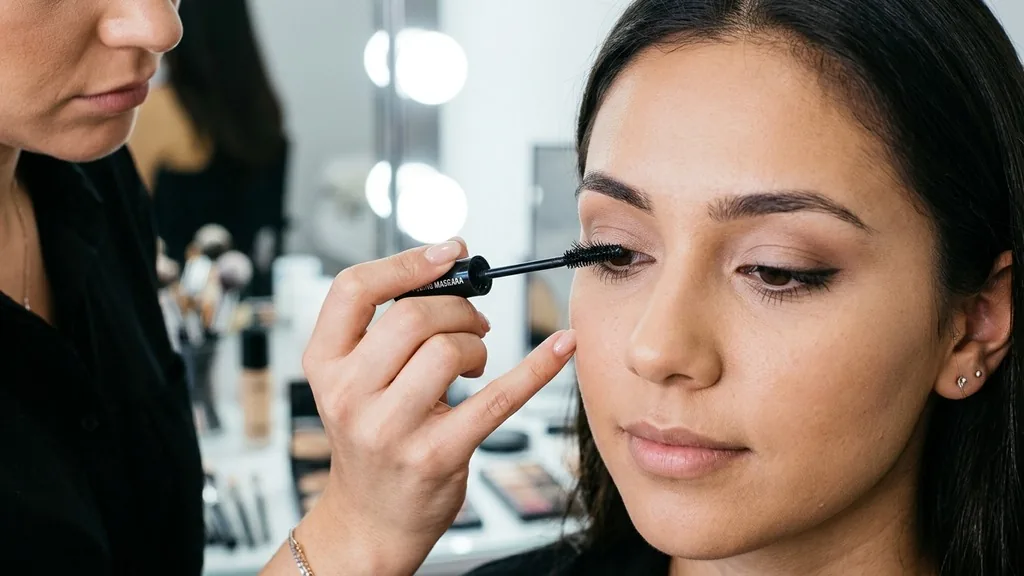
If you have ever found yourself staring into the mirror at the end of a long day, only to realize you have developed dark, raccoon-like smudges under your eyes, you are likely a candidate for a switch in your beauty routine. Many people ask, tubing mascara what is it exactly, and how does it differ from the standard products that have dominated the cosmetic aisle for decades?
Unlike traditional oil-based or wax-based options, this innovative makeup product uses a unique technology that physically wraps each individual lash in a water-resistant polymer. By forming tiny, cylindrical sleeves, it creates a dramatic, lengthening effect that stays put through sweat, humidity, and tears without ever dissolving into a smeary mess.
The Science Behind Tubing Mascara Technology
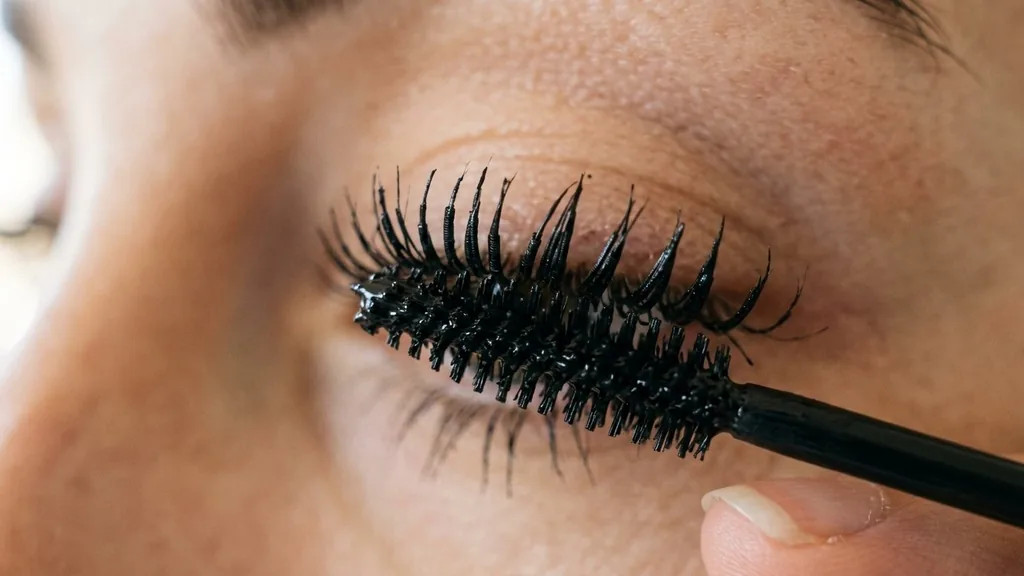
At its core, tubing mascara relies on advanced polymer chemistry to achieve its signature longevity. Traditional regular mascara formulas typically consist of pigments suspended in oils, waxes, and water.
While these ingredients are effective at coating the lash, they are inherently susceptible to breaking down when they encounter the natural oils produced by your skin or the moisture in the air. This breakdown is exactly what causes the dreaded smudging that occurs by mid-afternoon.
In contrast, tubing formulas are designed to adhere to the hair shaft in a completely different way. Instead of painting the surface, the polymers create a cohesive, flexible tube that encircles the entire length of the hair. Once the product dries, it becomes essentially impervious to oil and sweat.
Because these polymers are not oil-soluble, they do not smudge, flake, or transfer onto the eyelid, even if you have oily skin or hooded eyelids. This makes it a superior choice for individuals who live in humid climates or those who participate in active lifestyles where traditional formulas would fail.
From a structural perspective, these tubes are incredibly lightweight. This allows them to lengthen the appearance of your lashes without the heavy, clumpy weight that traditional waxes often add.
Because the product doesn’t rely on thick waxes to build volume, it typically offers a cleaner, more defined look. You can learn more about the chemical safety of cosmetic ingredients through the official FDA resources on cosmetics, which provide a broader context for how these types of beauty products are regulated to ensure they remain safe for daily application around the sensitive eye area.
Tubing Mascara vs. Regular Mascara: A Comparative Breakdown
Understanding the fundamental differences between these two categories is essential for choosing the right product for your specific needs. While both aim to define and darken your lashes, the mechanism of action is entirely different. Traditional options are designed to coat the hair, while tubing options are engineered to encapsulate it.
The following table highlights the primary performance differences between these two types of cosmetics:
| Feature | Regular Mascara | Tubing Mascara |
|---|---|---|
| Primary Base | Wax and Oil | Water-soluble Polymers |
| Smudge Resistance | Low to Medium | High |
| Removal Method | Cleansing Oil or Balm | Warm Water and Pressure |
| Finish | Voluminous/Clumpy | Defined/Lengthening |
| Best For | Dramatic Volume | Long-wearing Definition |
As demonstrated in the comparison, the most significant divergence lies in the removal process. Because tubing formulas are designed to stay on through almost anything, standard makeup removers often struggle to dissolve them. Instead of melting the product away, you must use warm water.
When you gently pull on the lashes with a damp washcloth or your fingertips, the tubes slide off the hair cleanly. This process is often praised by users because it eliminates the need for harsh rubbing or multiple rounds of cotton pads, which can be physically damaging to delicate lashes over years of daily use.
Benefits and Drawbacks for Daily Wear
When considering if this technology is right for you, it is important to weigh the specific advantages against potential limitations. The primary benefit is undoubtedly the “set it and forget it” nature of the product.
Once applied, the tubes remain locked in place until you decide to remove them. This makes it an ideal choice for long work days, weddings, or events where you cannot frequently check your reflection.
However, there are trade-offs. Because the formula is designed to be lightweight and defined, it rarely provides the same level of intense, thick volume that a wax-based formula provides. If your goal is to achieve a “false lash” effect with extreme thickness and density, you might find tubing formulas a bit subtle.
Furthermore, the application technique requires a bit of patience. Because the product dries quickly, you generally cannot layer it as easily as traditional options without risking a “spidery” appearance.
Another consideration is the removal sensation. For first-time users, the sight of the tiny tubes coming off in the water can be alarming. Some people mistake the removed tubes for their own eyelashes falling out.
It is important to remember that this is simply the product leaving the lash, not your hair shedding. Once you become accustomed to the removal process, it is often viewed as a major convenience. It is also worth noting that because these formulas are not waterproof in the traditional sense—meaning they don’t contain heavy oils or solvents—they are generally considered much gentler on the eyes, making them a great choice for contact lens wearers or those with sensitive skin.
Addressing Topical Gaps: Why Doesn’t Everyone Use It?
Despite the clear benefits regarding smudge resistance, tubing technology has not completely replaced traditional options. This creates a gap in consumer understanding: if the technology is so superior at preventing smudges, why does the rest of the market still focus on waxes and oils?
The answer lies in the versatility of the makeup industry. Traditional formulas are much easier to manipulate during the manufacturing process. Cosmetic chemists can easily add thickening agents, fibers, and diverse pigments to wax-based formulas to create endless variations of volume, curl, and color.
Polymers are more temperamental; they have a specific chemical structure that is difficult to alter without ruining the integrity of the tube. Consequently, there are fewer “types” of tubing formulas available on the market compared to the vast array of wax-based options.
Additionally, many consumers are deeply accustomed to the “melting” removal process. The tactile experience of using an oil-based cleanser to remove makeup is a cornerstone of many skincare routines.
For those who enjoy a multi-step cleansing process, the warm-water-only removal of tubing products can feel counterintuitive or even inconvenient if they are already using a full-face balm cleanser. Furthermore, the limited color range is a factor; while you can find black and brown options, it is significantly harder to find the vibrant blues, purples, or metallic shades that are common in traditional product lines.
Common Misconceptions and Safety Concerns
A frequent concern among potential users is the safety of the polymers used in these products. People often wonder: is it bad for your lashes to be encased in plastic-like material all day?
The reality is that the polymers used in high-quality cosmetics are rigorously tested for ocular safety. Unlike some waterproof mascaras that require aggressive scrubbing to remove—which can lead to mechanical lash breakage—tubing formulas allow for a much safer, friction-free removal process.
Another misconception is that these products are “waterproof.” While they are highly water-resistant, they are specifically designed to be water-soluble under certain conditions.
If you go swimming, a tubing formula might remain intact, but if you soak your lashes in warm water and apply gentle, sliding pressure, they will release. This makes them a “middle ground” product: more durable than a standard mascara, but easier to remove than a heavy-duty waterproof formula that requires chemical solvents.
There is also a lingering question about whether these products are suitable for everyone. While they are generally safe, those with extremely sparse or brittle hair should always perform a patch test or consult with a professional.
However, because the tubes provide a protective coating, they can sometimes even act as a shield against environmental pollutants, preventing the hair from becoming brittle throughout the day. By avoiding the need for harsh makeup removers, users may actually notice that their natural lashes remain in better condition over time.
Best Practices for Application and Removal
To get the most out of your purchase, mastering the application technique is key. Because the formula dries into a film, you should work quickly. Start at the base of the lash and wiggle the brush upward.
Avoid going back over the lashes too many times after the product begins to set, as this can cause the tubes to pull and create a clumpy or uneven look. If you want to build more length, do it while the product is still wet.
For removal, follow these steps to ensure you are doing it correctly:
- Saturate your lashes with warm water; a damp cotton pad held against the eyes for 30 seconds works best.
- Allow the water to soften the polymers, which usually takes about a minute.
- Gently slide the tubes off the lashes using your fingertips or a soft cloth.
- Do not pull or tug; if the tubes do not slide off easily, apply more warm water and wait a little longer.
- Discard the tubes in the trash rather than washing them down the drain if you are concerned about plumbing, though they are generally small enough to be harmless.
By following these steps, you can maintain the health of your natural lashes while enjoying a flawless look that lasts from morning until night. Whether you are a busy professional, an athlete, or someone who simply hates dealing with under-eye smudges, this technology offers a reliable solution that has been refined over many years to provide a superior user experience.
Frequently Asked Questions
Is tubing mascara the same as waterproof mascara?
No, they are different. Waterproof formulas use oil-based ingredients to repel water and require chemical removers. Tubing formulas use water-soluble polymers that stay put through sweat and humidity but slide off easily when exposed to warm water and gentle pressure.
Can I wear tubing mascara if I have sensitive eyes?
Yes, it is often recommended for sensitive eyes. Because the formula does not require harsh makeup removers or oil-based cleansers to dissolve, there is less risk of irritation. The removal process is mechanical and gentle, which reduces the need for rubbing the sensitive eye area.
How do I know if my mascara is a tubing formula?
Check the ingredient list for terms like “acrylate copolymer” or “ammonium acrylates.” If the packaging claims it is “smudge-proof” and mentions removal with “warm water” or “tubes,” it is a tubing product. Most standard waterproof options do not list these specific polymers.
Does tubing mascara hold a curl?
It depends on the specific formula, but generally, tubing mascaras are lightweight and do not hold a curl as effectively as oil-based waterproof formulas. If you have very straight lashes, you may want to use a lash curler before application to ensure they stay lifted.


