

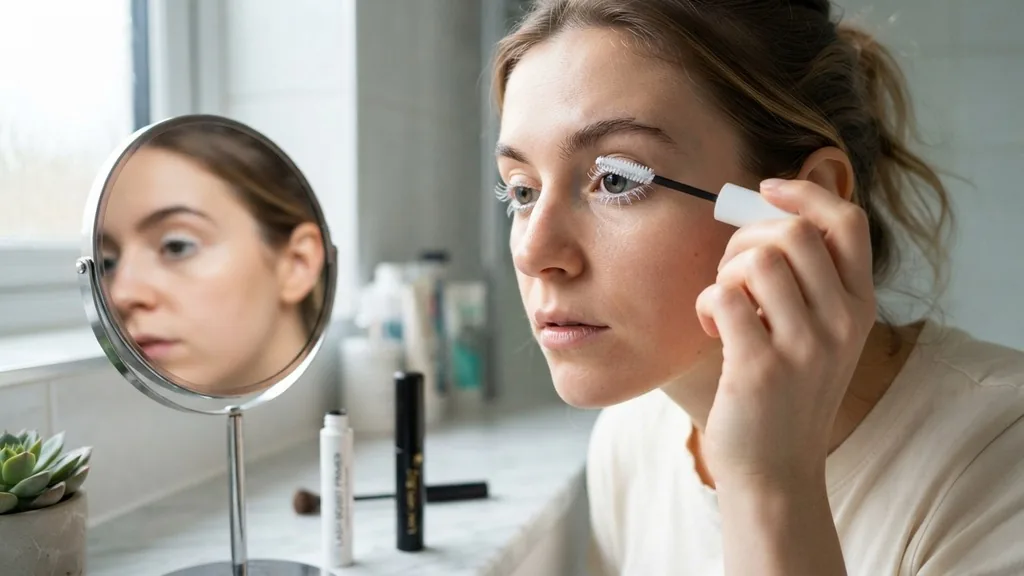
Learning how to use mascara primer effectively is one of the most reliable ways to transform your daily eye makeup routine. Many people view this product as an unnecessary extra step, yet it serves as a foundational base that significantly improves the performance of your favorite black mascara. By coating the individual hairs before you apply color, a quality primer creates a smooth, even surface that allows your mascara to grip better, look fuller, and last throughout the day without flaking or smudging.
Understanding the Core Purpose of Lash Primer
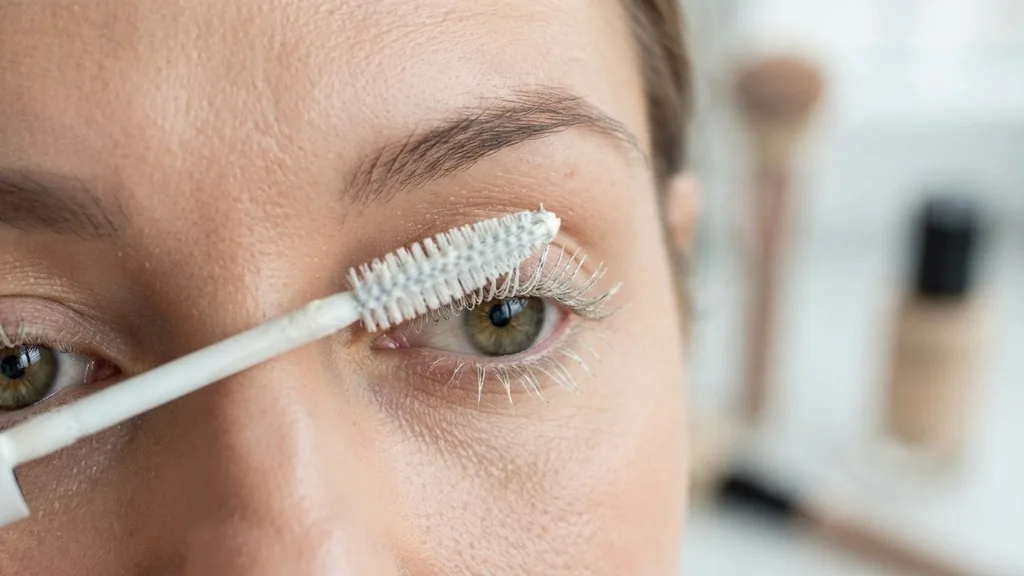
The primary function of a mascara primer is to act as a conditioning and structural base for your eyelashes. Just as you would use a face primer to smooth your skin texture before foundation, this product prepares your lashes for the heavy lifting of a volumizing formula.
Most formulas are white or tinted, designed to be completely obscured once you apply your final coat of mascara. Their chemical composition often includes conditioning agents like panthenol, vitamin E, or various waxes that help keep hair soft and flexible rather than brittle.
When you use a primer, you are essentially increasing the circumference of each lash. This added bulk makes it easier to achieve dramatic results even with a basic mascara formula.
If you struggle with lashes that look sparse or fail to hold a curl, the primer provides the necessary structure to keep them lifted and separated. It effectively creates a scaffolding upon which your pigment can build, resulting in a more intense and defined look that stays put from morning until night.
Step-by-Step Application Techniques for Best Results
Mastering the application process is essential for avoiding clumpy or spider-like lashes. Start by ensuring your lashes are clean and free of any leftover residue from the previous day.
Use an eyelash curler first to provide the necessary lift, as attempting to curl after applying product can lead to breakage. When you pull the wand from the tube, gently wipe off any excess formula on the rim to prevent overloading your lashes with too much product.
Apply the primer starting at the very base of your lashes, wiggling the wand back and forth to ensure the roots are well-coated. Pull the wand upward toward the tips in a slow, steady motion. Focus on getting an even distribution so that the hairs remain separated.
Because the primer is often white, you can clearly see exactly where you have applied it, which helps you identify any sparse areas that need extra attention. Once you have a light, even coat, wait briefly for it to become tacky before moving to your next step.
The Critical Question of Drying Time
One of the most common mistakes people make is applying their mascara while the primer is still soaking wet. If you rush this phase, the wet mascara will simply mix with the wet primer, potentially causing the two formulas to slide off the lash or clump together.
You want the primer to reach a state of being “tacky” rather than completely bone-dry. This tacky texture acts like a magnet for your mascara, ensuring it adheres strongly to the lash surface without slipping.
Typically, waiting about 30 seconds is sufficient. You can test the texture by lightly touching the very tip of an outer lash if you are comfortable, or simply observe the color shift. As the primer begins to set, it will often turn slightly translucent or feel less fluid.
If you wait too long—several minutes, for instance—the primer can become too hard, making it difficult for the mascara to bond effectively. Finding that middle ground of a semi-dry, tacky finish is the key to achieving professional-looking volume and length.
Comparing Different Types of Mascara Primers
Not all primers are created equal, and understanding the specific benefits of each category can help you make a better decision when you visit a store to shop now for your beauty essentials. Some formulas focus strictly on length, while others are designed for maximum volume. You might also find fiber-infused options that physically attach tiny particles to your lash tips to create an elongated appearance that mimics falsies.
| Feature | Volume Primer | Length Primer | Conditioning Primer |
|---|---|---|---|
| Primary Benefit | Thickens lash base | Extends lash tips | Prevents breakage |
| Formula Density | High | Medium | Low |
| Best For | Thin, sparse lashes | Short lashes | Brittle, dry lashes |
Choosing the right type depends entirely on your natural lash characteristics. If you have naturally long but thin lashes, a volume-focused primer will yield the most dramatic difference.
Conversely, if your lashes are short and blunt, a lengthening primer containing fibers will likely offer the best results. Always consider whether you prefer a washable or waterproof formula for your final coat, as your primer should generally be compatible with the type of mascara you plan to wear over it.
Addressing Common Topical Gaps and Misconceptions
Many users wonder if they can use mascara primer alone. While it is technically possible, it is rarely recommended for a finished look. Because most primers are white, leaving them on without black mascara will make your lashes look frosted or dusty.
Some people use them as a “nighttime treatment” to condition lashes, but for daily makeup, the primer is strictly a base layer. Another common gap in knowledge is whether you can mix different brands.
You can absolutely use a primer from one brand with a mascara from another. There is no chemical requirement that they be sold as a duo.
However, keep in mind that some high-end brands design their products to work in synergy, so you might find that a specific combination performs better than others. Do not feel pressured to buy the matching set if you already have a mascara you love; the primer will likely enhance its performance regardless of the brand origin.
Troubleshooting Clumping and Flaking Issues
If you find that your lashes are clumping after using a primer, it is almost always due to using too much product. A little goes a long way. If the wand comes out with a large glob of product, scrape it against the inner rim of the tube.
You want to coat the lash, not saturate it to the point where the hairs stick together. If you notice flaking later in the day, it is often a sign that the primer and mascara formulas are not playing nicely together, or that you allowed the primer to dry too completely before application.
- Wipe excess product off the wand before application.
- Use a clean spoolie brush to separate lashes immediately after applying mascara.
- Avoid pumping the wand inside the tube to prevent air from drying out the product.
- Apply from the roots to the tips in a smooth, fluid motion.
- Ensure your lash curler is used before any product is applied.
If you still experience flaking, try switching to a different mascara formula. Sometimes, a very heavy, dry mascara can cause a stiff primer to flake off.
A more flexible, conditioning mascara may work better when paired with a volumizing primer. Experimenting with these combinations is part of the process of finding what works best for your unique eye shape and lash health.
The Impact of Ingredients on Lash Health
Modern lash primers are often formulated with ingredients that provide genuine benefits to the hair follicles. Look for labels that include hyaluronic acid, which helps retain moisture, or peptides, which are known for supporting the natural growth cycle of lashes.
Using these products regularly can help your lashes feel softer and look healthier, even when you are not wearing any makeup at all. This is a significant improvement over older formulas that were essentially just white paint for your eyes.
When selecting a product, check the ingredient list for potential irritants if you have sensitive eyes. Fragrance and certain preservatives can sometimes cause redness or itching.
Since the primer sits so close to the sensitive skin of the lash line, choosing a hypoallergenic or ophthalmologist-tested formula is a wise move. The goal is to enhance your appearance without compromising the health of your eyes, so prioritize gentle, nourishing ingredients whenever possible.
Incorporating Primer into a Daily Routine
Integrating a new step into your morning routine might feel daunting, but it quickly becomes second nature. If you are short on time, try applying the primer while you are waiting for your moisturizer or sunscreen to settle into your skin.
By the time you are ready for your eye makeup, the primer will have reached that perfect tacky consistency. This small adjustment turns a potential “extra” step into a seamless part of your existing workflow.
Consider the total time investment: it takes approximately ten seconds to apply primer to both eyes. The payoff is a significantly more polished look that lasts longer and requires fewer touch-ups.
If you are someone who struggles with mascara smudging under the eyes by midday, a good primer can actually help lock the mascara in place, acting as a barrier that keeps the pigment where it belongs. This simple addition can save you from having to check your mirror constantly throughout the day.
Frequently Asked Questions
Do I need to let the mascara primer dry completely?
No, you should not let it dry completely. You want the primer to be slightly tacky—about 30 seconds after application—before you layer your mascara over it. This tackiness helps the mascara fibers grip the lash, providing better volume and preventing the two formulas from sliding off.
Can I use mascara primer by itself for a natural look?
It is generally not recommended to wear mascara primer alone. Most formulas are white or clear, which can leave your lashes looking dusty or gray. It is designed specifically as a base coat to be covered by pigmented mascara, so using it alone won’t provide the definition you want.
Will mascara primer cause my lashes to fall out?
Mascara primer should not cause lash
When used correctly, mascara primer should not cause lash loss. Always ensure you are removing your makeup gently at the end of the day with an oil-based cleanser. Being rough during removal is the primary cause of lash breakage, not the primer itself, which often contains conditioning agents.
Is there a difference between a lash primer and a lash serum?
Yes, there is a clear difference. A lash serum is typically a treatment applied at night to encourage growth and strength over time. A mascara primer is a makeup product used for immediate aesthetic results, such as added volume and length, meant to be worn under your daily mascara.


