

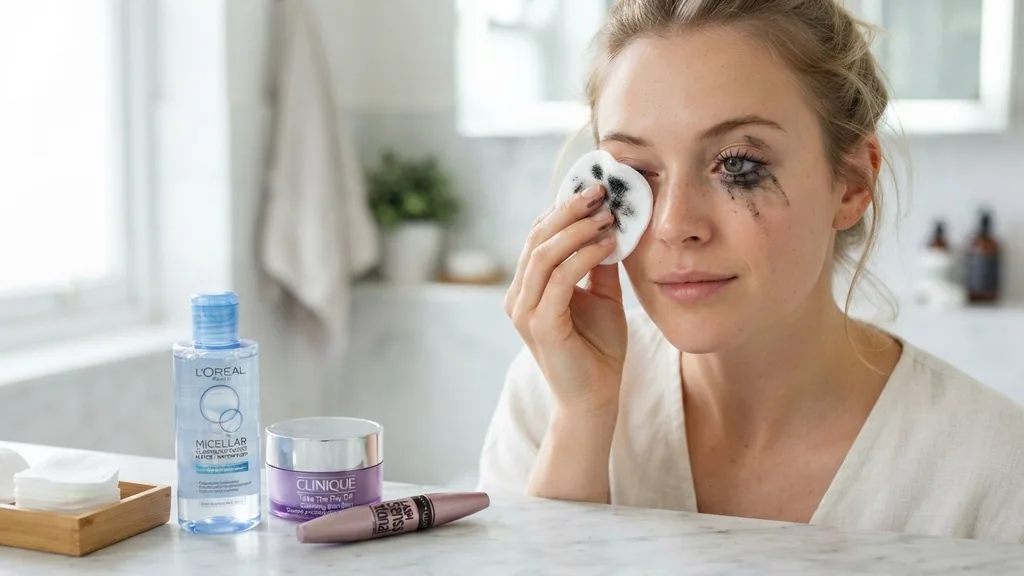
Removing waterproof mascara can feel like a nightly battle against your own reflection. Because these formulas are engineered to withstand humidity, sweat, and even tears, they contain specialized polymers and waxes that adhere firmly to your lashes.
Standard soap and water often fail to break down these resilient bonds, leading to tugging, rubbing, and potential damage to the delicate skin around your eyes. Understanding the right chemistry and technique is essential to keeping your eye area healthy while ensuring every trace of product is gone.
The Science of Waterproof Formulas and Why They Stick
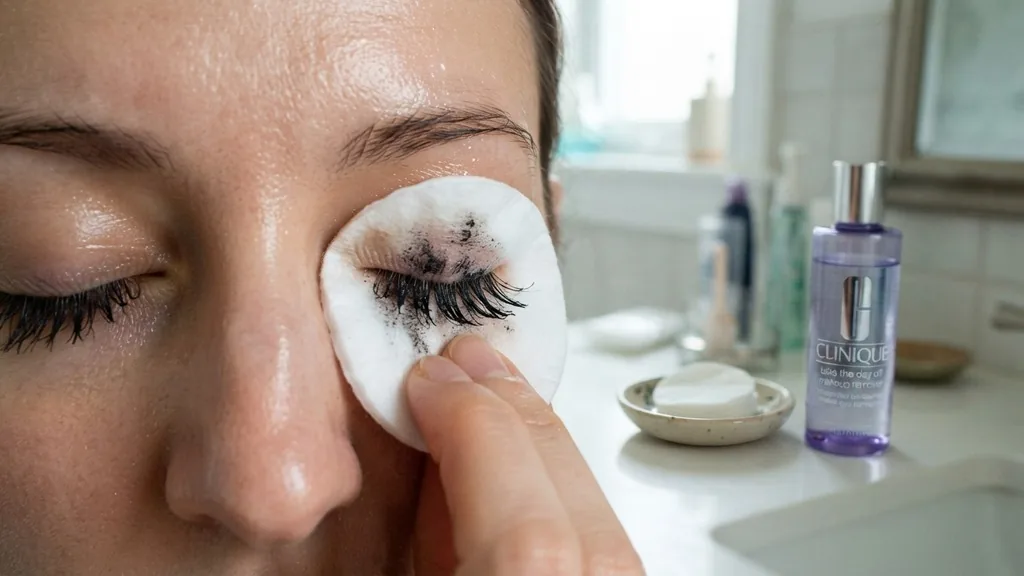
Waterproof mascara is designed to resist water-based substances, which means it requires a solvent that can dissolve oil-based or wax-based polymers. If you use a simple cleanser, you are essentially trying to wash away oil with water, which is a classic chemical mismatch.
These products often contain ingredients like isododecane or beeswax that form a film over the hair shaft. This film creates a barrier that prevents moisture from breaking the pigment down.
When you try to scrub these formulas off with just water or a standard face wash, you aren’t actually dissolving the bond. Instead, you are physically scraping the product off your lashes. This is where the damage happens.
The skin around the orbit is the thinnest on the entire body. Excessive friction here can cause premature fine lines, irritation, and even mechanical lash loss.
To properly remove these formulas, you must use a substance that matches the oil-based nature of the mascara’s binding agents. By introducing an oil-based solvent to the lashes, you can gently lift the film without needing to apply pressure.
Using Oil-Based Cleansers for Efficient Removal
Oil-based cleansers are arguably the most effective tools when you are wondering what takes off waterproof mascara. Because oil dissolves oil, these products work by softening the hardened polymers on your lashes, allowing the mascara to slide off effortlessly. Cleansing balms and oils are specifically formulated to emulsify when they come into contact with water, making them easy to rinse away without leaving a greasy residue behind.
To use these effectively, start with dry hands and a dry face. Apply a small amount of the balm or oil directly to your closed eyelids. Gently massage the product into your lash line using your ring fingers—the weakest finger—to ensure you aren’t applying too much pressure.
Let the product sit for about thirty seconds to give the oils time to break down the waterproof barrier. Once the mascara has loosened, add a splash of warm water to create a milky emulsion, then rinse everything away. This method is highly effective for heavy-duty makeup and is generally much gentler on the delicate eye area than using cotton pads or abrasive wipes.
The Role of Micellar Water in Your Routine
Micellar water is a popular choice for those who prefer a lightweight, no-rinse feel, but not all versions are created equal. These solutions contain tiny balls of oil molecules called micelles suspended in soft water.
While standard micellar water is great for light makeup, it often struggles with the heavy-duty polymers found in waterproof formulas. If you want to use this method, you must look for a bi-phase micellar water.
A bi-phase formula contains a layer of oil and a layer of water that must be shaken together before use. The oil component is what actually dissolves the waterproof mascara, while the water component cleanses the skin and removes the oily residue. To use it, soak a cotton pad or a reusable bamboo round until it is fully saturated.
Place the pad over your closed eyelid and hold it there for fifteen to twenty seconds. This “soaking” step is critical; it gives the formula time to penetrate the layers of mascara.
After the wait, gently swipe downward. Avoid back-and-forth rubbing, as this is the primary cause of lash breakage and irritation.
Addressing Topical Gaps: Natural Alternatives
Many people look for household solutions when they run out of dedicated makeup removers. It is important to know which substances are safe for the eyes and which ones are likely to cause issues.
You might have heard that coconut oil or olive oil can remove waterproof makeup. While these are technically effective at breaking down the waxes, they are comedogenic for some people, meaning they can clog pores and potentially lead to milia or breakouts if not washed off thoroughly.
If you choose to use a natural oil, ensure it is high quality and fragrance-free. Jojoba oil is a popular choice because its chemical structure closely mimics the natural sebum produced by human skin, making it less likely to cause a reaction. Regardless of the substance, always follow up with a gentle, water-based cleanser.
This is known as “double cleansing,” and it ensures that you remove both the makeup residue and the oil you used to dissolve it. Never use harsh household chemicals like baby shampoo or dish soap, as these can strip the skin of its natural moisture barrier and lead to severe stinging or contact dermatitis.
Comparing Removal Methods
Choosing the right method depends on your skin type, your level of makeup wear, and your personal comfort preferences. The table below outlines how different approaches stack up against each other in terms of efficacy and skin impact.
| Method | Efficiency | Skin Sensitivity | Best For |
|---|---|---|---|
| Cleansing Balm | High | Low (Gentle) | Full face & stubborn eye makeup |
| Bi-Phase Micellar Water | High | Medium | Quick removal on the go |
| Natural Oils (Jojoba) | Medium | Low | Sensitive skin users |
| Makeup Wipes | Low | High (Abrasive) | Emergency use only |
Common Mistakes That Cause Lash Damage
The most common mistake people make is rushing the process. If you try to remove mascara immediately after applying your cleanser, the polymers haven’t had enough time to break down. This forces you to rub harder, which is the fastest way to lose lashes.
Another common error is using the wrong type of material to wipe the eyes. Rough cotton rounds or disposable wipes can have a textured surface that catches on the lashes and pulls them out.
If you notice that your lashes are thinning or falling out prematurely, evaluate your technique. Are you pulling your eyelid skin to the side? Are you using too much force?
It is also vital to check the expiration date of your makeup. Old mascara can become clumpy and more difficult to remove, requiring more aggressive cleaning methods that ultimately hurt your eyes. Always ensure your tools, whether they are reusable cloths or cotton rounds, are soft and clean to prevent bacteria from entering the eye area.
The Importance of the Double Cleansing Method
Double cleansing is the gold standard for anyone who wears long-wear makeup. It involves two distinct steps: an oil-based cleanse followed by a water-based cleanse.
The first step targets the waterproof mascara, sunscreen, and excess sebum. The second step, using a gentle foaming or gel cleanser, ensures that any remaining residue or oil is completely washed away.
This two-step process is crucial because it keeps the skin clean without requiring you to scrub at your eyes. When you effectively remove the waterproof mascara in the first step, the second step becomes a simple refresh of your complexion. This prevents the “raccoon eye” effect that often happens when mascara is left behind, which can lead to clogged hair follicles along the lash line.
For more information on maintaining skin health, you can visit the American Academy of Dermatology for professional guidance on proper cleansing techniques. Keeping the lash line free of debris is not just about aesthetics; it is about preventing styes and other inflammatory conditions that occur when follicles become blocked.
Best Practices for Sensitive Eyes
If you have sensitive eyes or wear contact lenses, you must be extra cautious about what you use. Avoid products with heavy fragrances, alcohol, or essential oils, as these can cause burning and redness.
Always look for products labeled “ophthalmologist-tested” or “hypoallergenic.” These products have been specifically formulated to be less likely to trigger a reaction.
When removing makeup, ensure your hands are freshly washed. You don’t want to transfer bacteria from your fingers to your eyes. If you are a contact lens wearer, it is almost always better to remove your lenses before you begin the cleansing process.
This prevents any makeup particles or oil from getting trapped behind the lens, which can cause significant irritation. If you find your eyes are consistently red or watery after removing your makeup, it may be a sign that you are sensitive to a specific ingredient, such as phenoxyethanol or certain preservatives, and you may need to switch to a more minimalist formula.
Frequently Asked Questions
- Does Vaseline take off waterproof mascara? Yes, Vaseline (petroleum jelly) is an effective occlusive that can break down waterproof formulas. However, it can be heavy and difficult to rinse off, potentially leading to blurry vision if it gets in your eyes or clogging pores for those prone to acne.
- How can I remove waterproof mascara without specialized makeup remover? You can use natural oils like jojoba or sweet almond oil. Apply a small amount to your lashes, let it sit for a minute to soften the wax, and then gently wipe away with a damp, warm cloth. Always double cleanse afterward.
- Is micellar water enough to remove stubborn waterproof mascara? Standard micellar water is rarely enough for waterproof mascara. You must use a bi-phase formula that contains an oil layer. If you use a regular micellar water, you will likely have to rub your eyes too hard, which is harmful to your skin and lashes.
- Why do my eyes burn when I take off mascara? Burning is usually caused by either a harsh ingredient in the remover, such as alcohol or fragrance, or by getting the product directly into your eye. Use gentle, oil-based formulas and be careful to keep your eyes closed tightly while you work the product into your lashes.


