

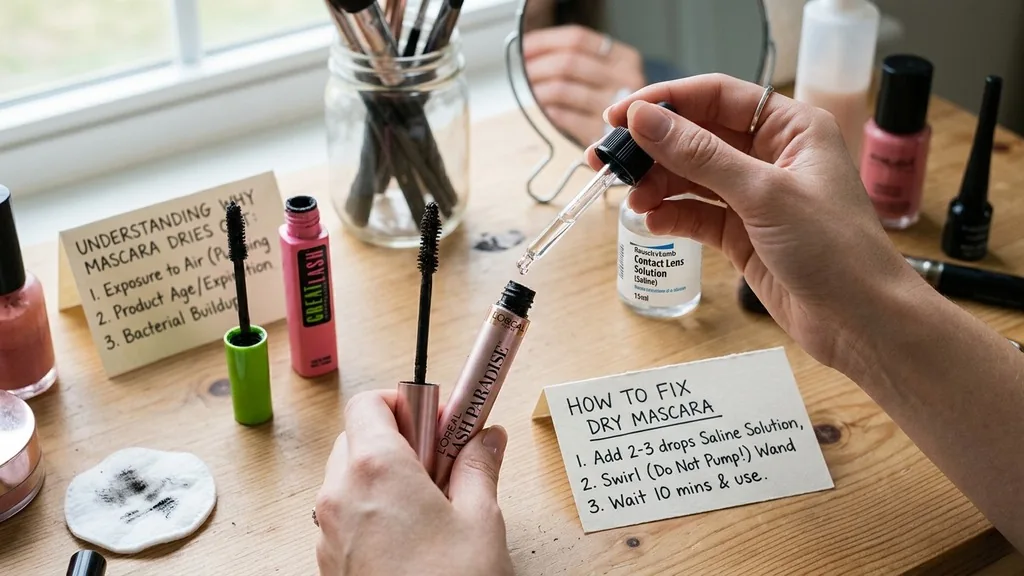
There is nothing more frustrating than reaching for your favorite tube of lash-lengthening makeup only to find that the formula has become thick, clumpy, or completely dried out. You are already running late, and the prospect of tossing a nearly full product into the trash feels like a waste of money and resources.
Fortunately, learning how to fix dry mascara is a straightforward process that can extend the life of your beauty staples significantly. By understanding why these products thicken over time and applying a few targeted techniques, you can restore that smooth, glide-on consistency you loved when you first opened it.
Understanding Why Mascara Dries Out
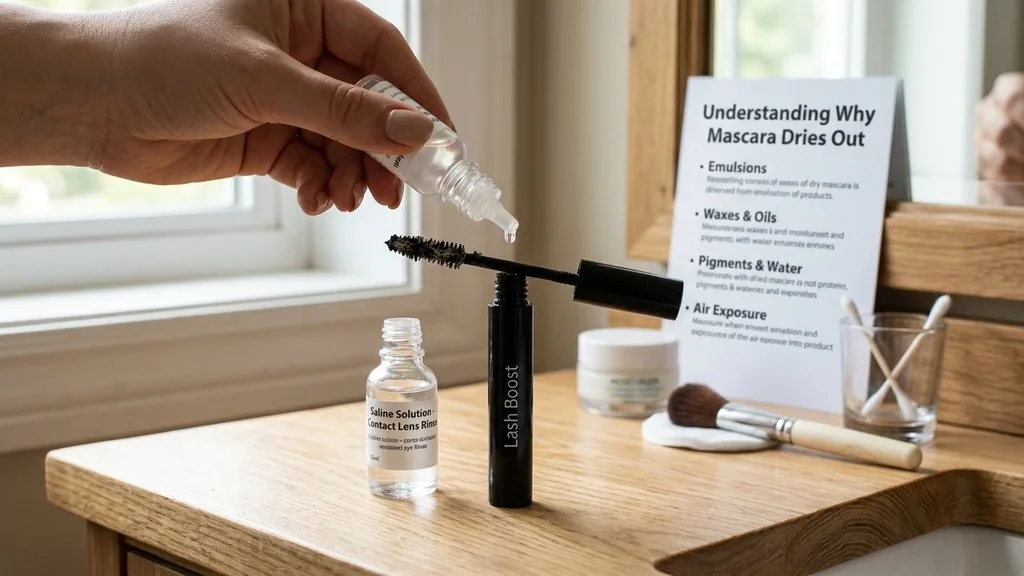
To fix the issue effectively, you must first understand the chemistry behind why your mascara becomes unusable. Most modern mascaras are emulsions, meaning they consist of a blend of waxes, oils, pigments, and water. When you pull the wand out of the tube, you inevitably introduce small amounts of air into the container.
Over time, this repeated exposure to oxygen causes the water content in the formula to evaporate. As the water leaves, the waxes and pigments become concentrated, turning a smooth liquid into a tacky, paste-like substance that flakes off your lashes or creates unsightly clumps.
Another factor contributing to this dry mascara phenomenon is the way the wand interacts with the opening of the container. Many people develop the habit of “pumping” the wand in and out of the tube to get more product on the brush. This action forces air into the depths of the packaging, accelerating the evaporation process.
Furthermore, residue buildup around the neck of the tube prevents it from closing tightly, allowing even more air to seep in when the product is stored. By minimizing air exposure, you can delay the drying process, but eventually, even the best products will need a little intervention to return to their peak performance.
The Hot Water Immersion Technique
The most gentle and effective way to revive a stiff product is through the application of controlled heat. This method works by softening the waxes within the mascara, allowing the formula to regain its original, fluid texture without the need to introduce foreign substances into the tube. To perform this, place your closed mascara tube into a cup of hot—not boiling—water.
Let it sit for about three to five minutes. The heat transfers through the container walls, warming the contents and loosening the thickened pigments.
Once you remove the tube from the water, dry it off thoroughly to prevent any moisture from entering the product, which could lead to bacterial growth. Give the wand a few swirls inside the tube to incorporate the now-warmed formula. You will notice that the mascara adheres to the brush much more evenly, and the application process becomes smoother.
This is arguably the safest way to tackle the problem because you are not altering the chemical composition of the makeup by adding extra ingredients. It is a temporary fix, but it is often enough to get you through the final weeks of a product’s life cycle.
Using Saline Solution or Eye Drops
When heat alone isn’t enough, adding a few drops of a sterile liquid can rehydrate the mixture. Many makeup artists swear by using contact solution or lubricating eye drops to thin out a stubborn formula.
Because these liquids are designed to be safe for the delicate eye area, they are generally the best choice for this task. You only need a very small amount—start with one or two drops—to see a significant difference in the viscosity of the mascara.
After adding the drops, insert the wand and stir the formula gently, ensuring the liquid is fully incorporated. Avoid shaking the tube vigorously, as this can introduce more air bubbles, which defeats the purpose of the repair. If the mascara is still too thick, you can add one more drop, but be careful not to over-dilute it.
If the mixture becomes too thin, it will lose its ability to hold a curl or provide volume. Always check the ingredients of your saline solution; a simple, preservative-free sterile saline is ideal for maintaining the integrity of the makeup without causing eye irritation.
The Role of Oils in Reviving Formulas
For those who prefer a more nourishing approach, essential or cosmetic oils can be used to soften a dried-out formula. A tiny amount of castor oil, jojoba oil, or even coconut oil can act as a lubricant, breaking down the stiff waxes. This is particularly useful for stubborn, waterproof formulas that have lost their slickness.
However, this method requires caution. You must use only a minuscule amount, as adding too much oil can cause the mascara to smear or smudge easily throughout the day.
To apply this, use an eye dropper to add a single drop of oil into the tube. Use the mascara wand to mix it thoroughly. The oil helps to condition the lashes while simultaneously fixing the consistency of the makeup.
It is important to note that if you are using organic or natural oils, the shelf life of your product may decrease because these oils can go rancid over time. Keep a close eye on the smell and texture of the mascara; if it starts to develop an off-putting odor, it is time to discard the item immediately to protect your eye health.
Comparing Mascara Revival Methods
Choosing the right technique depends on the type of mascara you are using and how far gone the product actually is. Some methods are better suited for everyday use, while others are reserved for emergency situations. The following table outlines the efficacy and safety considerations for the most common revival strategies.
| Method | Best For | Safety Level |
|---|---|---|
| Hot Water Immersion | Slightly thick formulas | High (Non-invasive) |
| Contact Solution | Very dry formulas | High (Ophthalmologist tested) |
| Natural Oils | Waterproof formulas | Moderate (Risk of smudging) |
| Micellar Water | Removing buildup | Moderate (Dilution risk) |
Addressing Common Topical Gaps
Many users wonder if they can use tap water to fix their mascara. The answer is a resounding no. Using tap water introduces minerals and potential bacteria into the tube, which can lead to eye infections.
Always stick to sterile solutions or heat. Another frequent question involves the use of alcohol. While alcohol might thin a product, it is extremely drying and can cause significant irritation if it comes into contact with the eye.
Never use rubbing alcohol or any solvent-based cleaner to revive your makeup. Additionally, if your mascara has been open for more than three months, it is often safer to replace it entirely rather than attempting to fix it, as bacteria can accumulate regardless of the texture.
If you find that your mascara is consistently drying out before you can finish it, consider your storage habits. Storing your makeup in a bathroom with high humidity or near a heater can accelerate the deterioration of the product.
Keep your makeup in a cool, dark, and dry place to preserve the chemical balance of the formula for as long as possible. Also, always ensure the cap is screwed on tightly until you hear a click or feel it seat properly against the threads of the tube.
Proper Maintenance to Prevent Drying
Prevention is always better than cure when it comes to maintaining your beauty routine. You can take proactive steps to ensure your mascara lasts until the very last drop. One simple habit is to wipe the excess product off the wand onto a tissue before applying it to your lashes.
This prevents the buildup of dried, crusty product on the wand itself, which can eventually transfer back into the tube and contaminate the fresh formula. Keeping the wand clean is a critical step in maintaining the performance of the product.
Additionally, consider the frequency with which you open the tube. Every time you open it, you are inviting air inside. If you are doing your makeup in a rush, you might be tempted to leave the tube open while you move on to other steps.
Always close the tube immediately after you have finished applying the mascara to your lashes. If you are interested in more detailed information on eye health and makeup safety, you can consult the American Academy of Ophthalmology guidelines for further professional insights on how to handle eye products correctly to avoid infections.
When It Is Time to Say Goodbye
Despite your best efforts to revive your favorite product, there comes a point where the makeup is simply too old to be safe. Mascara has one of the shortest shelf lives of all beauty products, typically recommended for replacement every three months.
If your mascara has changed color, developed an odd smell, or if you have recently recovered from an eye infection like pink eye, you should discard it immediately. No amount of dilution or heat will make an expired product safe for use.
Signs that it is time to replace the item include the formula becoming gritty, constant flaking throughout the day, or a significant change in the way it applies to the lashes. If you notice that your eyes become red or itchy after application, stop using the product immediately.
Your vision and eye health are far more valuable than the cost of a new tube of mascara. Using expired makeup is a common cause of bacterial conjunctivitis, so prioritize your hygiene over the desire to finish every last bit of the product.
Frequently Asked Questions
- Is it safe to use water to thin out my mascara? No, you should never add plain tap water to your mascara. It lacks preservatives and can introduce harmful bacteria into the tube, which increases your risk of developing serious eye infections or irritation.
- How often should I replace my mascara? You should generally replace your mascara every three months. Even if it is not dry, the formula degrades and bacteria can accumulate on the wand and inside the tube, making it unsafe for continued use around your eyes.
- Can I use contact solution to fix dry mascara? Yes, adding one or two drops of sterile contact lens solution is a common and relatively safe way to rehydrate a dry formula. Ensure the solution is sterile and intended for use with contact lenses to avoid potential eye irritation.
- What should I do if my mascara is clumpy? If your mascara is clumpy, try the hot water immersion method first to soften the waxes. If that does not work, you can gently wipe the wand clean with a makeup remover wipe to remove the dried buildup before re-inserting it.
By following these guidelines, you can effectively manage the lifespan of your makeup. Whether you choose to use the heat method, add a sterile solution, or simply maintain better storage habits, you will find that your beauty products last longer and perform better.
Remember that while these hacks are useful, maintaining eye hygiene remains the top priority. If you are ever in doubt about the safety or quality of your mascara, it is always better to err on the side of caution and purchase a new one to ensure your eyes remain healthy, bright, and irritation-free.
Ultimately, the key to mastering how to fix dry mascara lies in understanding the balance between the product’s ingredients and the environmental factors that affect them. With these techniques in your toolkit, you will spend less time dealing with clumpy lashes and more time enjoying a flawless, wide-eyed look. Keep your tools clean, store your products properly, and know when it is time to refresh your collection, and you will always have the best results from your daily beauty routine.


