

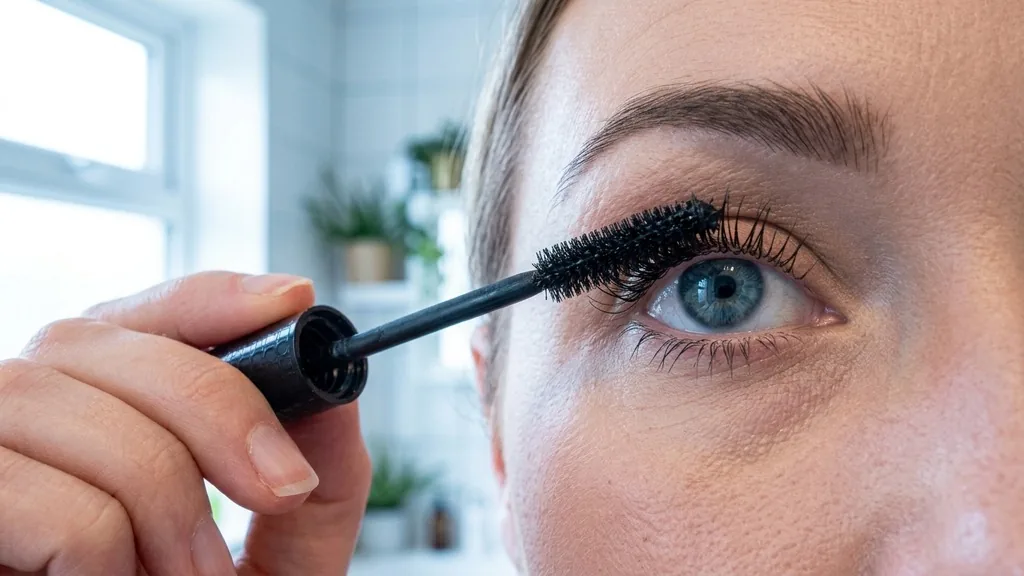
If you have ever dealt with the frustration of raccoon eyes by midday or struggled to remove stubborn, clump-prone makeup at night, you have likely encountered the buzz surrounding tubing mascara. Unlike traditional products that rely on waxes and pigments to paint each individual lash, this unique makeup innovation utilizes a specialized polymer-based formula.
These polymers wrap around your hair follicles, creating tiny, water-resistant cylinders that hold their shape throughout the day. Understanding what does tubing mascara do requires looking beyond the standard cosmetic marketing to appreciate the chemical engineering that allows these tubes to offer long-lasting wear without the typical smudging associated with conventional oil-based options.
The Science Behind Polymer Technology
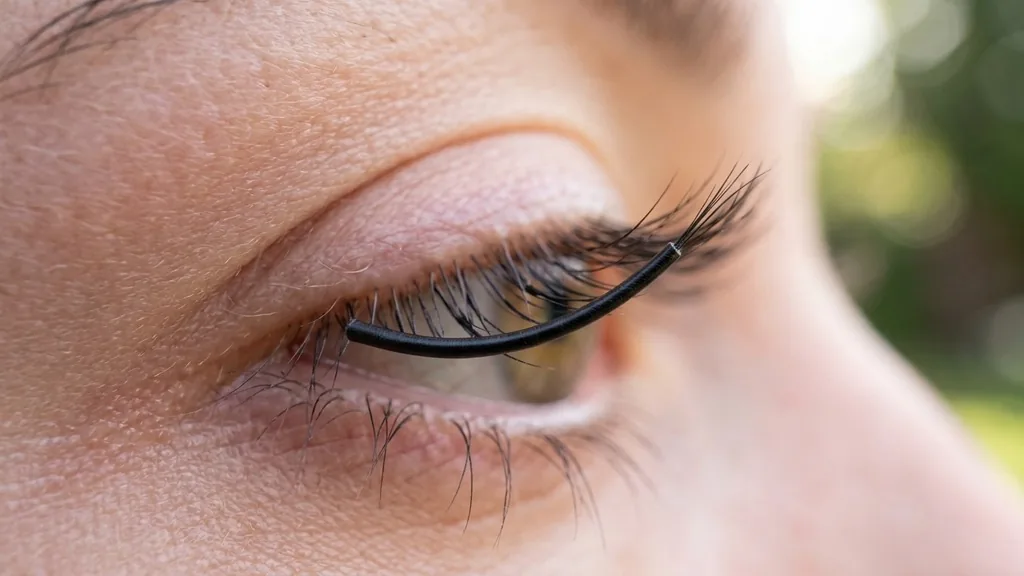
At its core, the function of tubing mascaras is defined by the specific polymers used in the formula. While a regular mascara creates a thick layer of pigment that can easily smear when it comes into contact with natural oils on your skin or moisture in the air, tubing mascara works through a process of encapsulation. When you apply the product, the polymers are suspended in a liquid state.
As the solvent evaporates, these polymers bind together to form a flexible, water-resistant sheath that physically surrounds each individual hair. This is why the product is often referred to as “lash extensions in a bottle”—it is literally building a microscopic sleeve around your hair rather than just staining it.
This structural difference is significant because it changes how the product interacts with your environment. Because these tubes are not oil-soluble, they do not break down when you sweat, blink, or rub your eyes. This makes them a premier choice for those with oily eyelids or those who live in humid climates where standard makeup often migrates south within a few hours.
The polymers are designed to be elastic, meaning they move with your lashes rather than becoming brittle or flaky. This elasticity is crucial for comfort; it prevents the heavy, stiff feeling that often accompanies waterproof, oil-based formulas, which can sometimes lead to lash breakage or premature shedding.
The Removal Process: Why Water is the Key
One of the most distinct aspects of tubing mascara is how it is removed. Because these tubes are designed to be water-resistant but not necessarily waterproof in the traditional sense, they require a specific technique for removal. You do not need harsh makeup removers, oil-based cleansers, or aggressive scrubbing that can damage your delicate eye area.
Instead, these mascaras are activated by warm water. When you saturate your lashes with warm water, the polymers soften and lose their grip on the hair follicle, allowing them to slide off in one piece.
Many users report that when they remove tubing mascaras, it looks like they are pulling off tiny, dark threads. This can be startling for first-time users who might mistake these shed tubes for their own eyelashes. It is important to note that this is a completely normal part of the removal process.
Because the formula is effectively “peeled” off the lash, you are left with zero residue. This is a massive advantage for skin health, as it eliminates the need for cotton pads and friction-heavy cleansing routines, which are leading causes of premature wrinkles and irritation around the eyes. According to resources provided by the American Academy of Dermatology, maintaining gentle hygiene around the eye area is essential for preventing contact dermatitis and other common ocular irritations.
Comparison: Tubing vs. Traditional Formulas
Choosing between tubing mascara and a regular mascara often comes down to your personal lifestyle and the specific results you want to achieve. While traditional formulas are excellent at building extreme volume through thick, waxy layers, they are inherently prone to flaking and smudging. Tubing formulas prioritize longevity and clean removal, but they may offer a slightly more “natural” or “separated” look compared to the dramatic, clumpy volume of a high-pigment wax mascara.
| Feature | Tubing Mascara | Traditional Mascara |
|---|---|---|
| Primary Binding Agent | Flexible Polymers | Waxes and Oils |
| Removal Method | Warm Water | Cleanser/Oil Remover |
| Smudge Resistance | High | Low to Moderate |
| Texture | Elastic/Lightweight | Thick/Heavy |
| Residue | None | Can leave pigment traces |
As shown in the table above, the fundamental difference lies in the chemistry of the ingredients. Traditional formulas are designed to build layers upon layers, which can eventually lead to spider-leg lashes if not applied with precision.
Because tubing mascaras rely on the formation of individual sheaths, they are naturally better at separating lashes and creating a fanned-out, wide-eyed effect. However, because the formula dries into a film, it is generally not possible to re-apply multiple coats once the first layer has fully set, as the brush may pull off the existing tubes.
Addressing Common Misconceptions and Topical Gaps
A frequent question regarding this category of makeup is whether it is “bad” for your lashes. There is a persistent myth that the removal process—where you slide the tubes off with water—pulls out natural hair. In reality, the opposite is often true.
Because you are not using heavy-duty makeup removers or rubbing your eyes for minutes on end, you are actually subjecting your lashes to less mechanical stress. The only time this would be problematic is if a user attempts to force the tubes off before they have been sufficiently softened by warm water.
Another topical gap in the current discourse involves the environmental impact of these products. Many users wonder if the polymer-based tubes are biodegradable.
While most cosmetic polymers are stable, the quantity of product used is microscopic compared to other beauty waste. Furthermore, because these tubes do not require disposable cotton rounds or heavy chemical makeup removers to take off, the total environmental footprint of a tubing routine is often lower than that of traditional waterproof mascara routines, which require significant amounts of single-use cleansing wipes and chemical solvents to properly remove.
Practical Tips for Flawless Application
Achieving the best results with tubing mascara requires a slightly different approach than what you might be used to with conventional wands. Because the formula is designed to “set” into its tube shape relatively quickly, you should aim to work in one smooth, continuous motion. If you stop halfway through and try to go back over a spot that has already begun to dry, you risk breaking the polymer seal, which can cause the product to clump or look uneven.
- Start at the very base of your lashes, wiggling the wand slightly to ensure the polymers coat the root.
- Pull the wand straight through to the tip in a single, fluid motion to ensure a smooth tube formation.
- Avoid pumping the wand inside the tube, as this introduces air and can cause the polymer-based formula to dry out prematurely.
- If you want to add a second coat, do so immediately while the first layer is still slightly damp to avoid disturbing the initial structure.
- Ensure your lashes are completely dry of any skincare or primer before application, as the polymers need a clean surface to adhere properly.
By following these steps, you can maximize the lengthening effect that these products are famous for. Many users find that they can achieve a “false lash” look simply by layering the product effectively, focusing on the outer corners of the eye to create a cat-eye shape. Since the formula is lightweight, it holds a curl significantly better than heavy wax-based mascaras, which can sometimes weigh down your lashes throughout the day, causing them to lose their lift.
Is Tubing Mascara Right for Your Lifestyle?
Deciding if you should switch to tubing mascara depends largely on your daily habits. If you are someone who works out regularly, lives in a humid environment, or has hooded eyelids that cause standard mascara to transfer to the brow bone, this product is likely a game-changer for you.
It offers the performance of a waterproof product without the associated damage or difficult removal. For those who prioritize lash health, the ability to remove your eye makeup with simple tap water is a major benefit that cannot be overstated.
However, if you are someone who prefers to layer your mascara heavily throughout the day for dramatic, thick volume, you might find the tubing experience lacking. The polymers are designed for extension and separation, not necessarily for extreme thickness.
Additionally, if you have very sensitive eyes that react to synthetic polymers, you should always check the ingredient list, though these formulas are generally considered hypoallergenic and non-irritating compared to traditional formulas that rely on various oils and preservatives to maintain their texture. Ultimately, the rise of tubing mascara represents a shift toward more functional, efficient, and health-conscious beauty routines.
Frequently Asked Questions
Is tubing mascara considered waterproof?
Tubing mascara is water-resistant, not waterproof. It is designed to withstand sweat, tears, and humidity without smudging or flaking. However, it is not “waterproof” in the traditional sense because it is specifically engineered to dissolve and release from the lashes when saturated with warm water.
Can I use tubing mascara with lash extensions?
It is generally not recommended to use any mascara, including tubing formulas, on lash extensions. The act of applying and removing the product can weaken the bond of the extensions or cause them to shed prematurely. Always consult your lash technician before adding any product to your extensions.
How do I know if my mascara is a tubing formula?
Check the ingredient list for polymers like acrylates copolymer or ammonium acrylates copolymer. Additionally, if the packaging mentions “tube technology,” “water-soluble,” or “removes with warm water,” it is almost certainly a tubing mascara. Traditional mascaras will typically instruct you to use a makeup remover.
Does tubing mascara hold a curl well?
Yes, tubing mascara is excellent for holding a curl. Because the formula is lightweight and dries into a firm, structural sheath, it does not weigh down the lashes like thick, waxy traditional formulas, allowing your lashes to maintain their lifted shape for the duration of the day.


