

Removing waterproof mascara can often feel like a battle of attrition. Because these formulas are specifically engineered to resist moisture, sweat, and tears, they rely on volatile silicones, waxes, and polymers that bond tightly to your lashes.
If you have ever scrubbed your eyes until they were red and irritated, only to wake up with “raccoon eyes” the next morning, you know the frustration of an incomplete removal process. The secret to success lies not in the intensity of your rubbing, but in the chemical process of breaking down those stubborn bonds.
To properly remove long-wear eye makeup, you must prioritize the health of your delicate eyelid skin. The area around the eye is the thinnest on the entire face, making it highly susceptible to premature aging, fine lines, and irritation when handled too aggressively. By employing the right solvents—whether they are oil-based cleansers, professional-grade makeup removers, or gentle household staples—you can dissolve the product effortlessly, preserving the integrity of your natural lashes and keeping your complexion clear and comfortable.
The Chemistry Behind Waterproof Makeup Removal
Understanding why waterproof makeup is so difficult to wash away is the first step toward mastering the removal process. Most standard mascaras are water-based, meaning they can be rinsed off with a simple cleanser or even just warm water.
In contrast, waterproof formulas contain hydrophobic ingredients like isododecane, beeswax, and carnauba wax. These substances create a waterproof seal that repels liquid, which is excellent for a rainy day but creates a significant challenge for your evening skincare routine.
To break these bonds, you need to follow the principle of “like dissolves like.” Since these mascaras are oil-based or wax-based, water alone will simply bead up on the surface of the product. You must introduce an oil-based medium to soften the wax and dissolve the polymers.
When you apply an oil-based makeup remover to your lashes, the oils penetrate the stubborn film, lifting the pigment away from the hair shaft. This process allows you to wipe the product away in a single, fluid motion rather than relying on mechanical friction.
If you struggle with residue, it is likely because the solvent you are using is not heavy enough to penetrate the specific wax blend in your mascara. Switching to a bi-phase remover—which contains both a water phase to refresh the skin and an oil phase to cut through the pigment—is often the most efficient solution. These products are specifically formulated to balance efficacy and comfort, ensuring that you don’t have to compromise the health of your lashes to get them clean.
Choosing the Right Tools for Gentle Cleansing
The tools you choose play a significant role in how effectively you can clean your lashes. While many people reach for standard facial tissues or even paper towels, these materials are often too abrasive for the sensitive skin surrounding the eye. Instead, you should look for tools that minimize friction and maximize the absorption of your cleansing product.
Cotton pads are the industry standard for a reason, but not all of them are created equal. Opt for high-quality, lint-free cotton rounds that do not shred or leave fibers behind in your eyes. If you prefer a more sustainable approach, soft, reusable bamboo or microfiber cloths are excellent alternatives.
These materials are incredibly gentle on the skin and can be laundered after each use. When you apply your chosen remover to these tools, ensure the pad is sufficiently saturated; a dry pad will force you to press harder, which is exactly what you want to avoid.
Another essential tool is the humble cotton swab. Once you have wiped away the bulk of the mascara using a pad, you will often find small remnants hidden between the roots of your lashes or along the waterline. A cotton swab dipped in a small amount of oil-based remover acts like a precision instrument, allowing you to clean these hard-to-reach areas without pulling on your lashes or causing unnecessary irritation.
Step-by-Step Method for Effective Removal
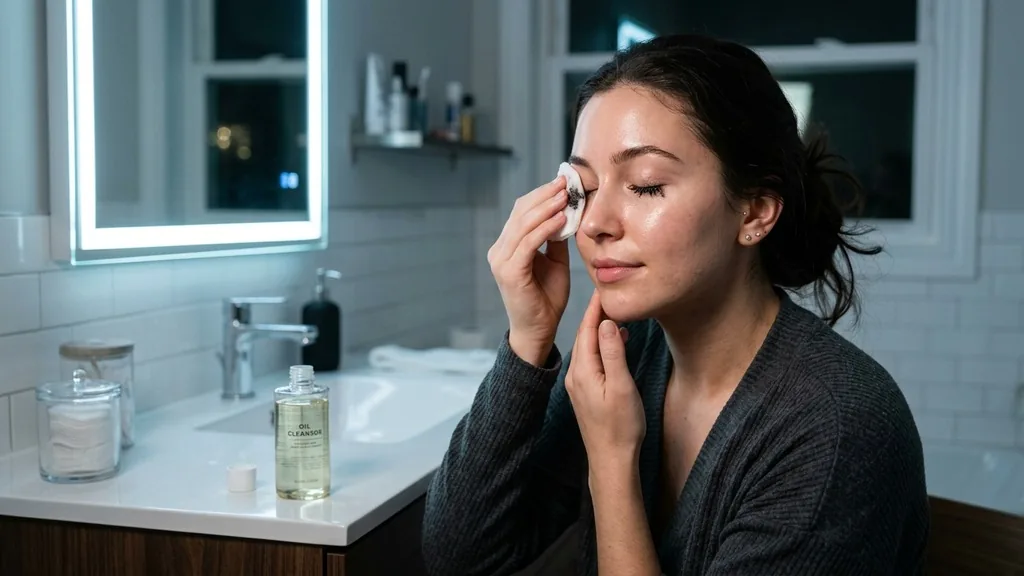
If you want to know how to take off waterproof mascara without damaging your lashes, you must follow a methodical approach. Start by saturating your chosen cotton pad with a quality cleansing water or bi-phase remover. Place the pad directly onto your closed eyelid, pressing gently but firmly so that the lashes are sandwiched between the pad and your skin.
Hold it there for at least 20 to 30 seconds. This “soaking” period is critical; it allows the oils in the remover to soften the mascara, turning the hard, waxy film into a pliable substance.
After the soak, gently slide the pad downward in the direction of your lash growth. Avoid rubbing side-to-side, as this can cause your lashes to tangle and break.
If there is still mascara remaining, repeat the process with a fresh pad. Never force the removal if the mascara does not come off immediately; instead, re-apply the soaked pad and give it another few seconds to work its magic.
Once the bulk of the product is gone, use a cotton swab dipped in micellar water to clean the tight spaces between the lash line. This ensures that no pigment is left behind to clog your hair follicles or cause eye irritation overnight. Finally, rinse your face with lukewarm water to remove any lingering oily residue, then follow up with your standard facial cleanser to ensure your skin is completely clean and prepared for your nighttime serum or moisturizer.
| Removal Method | Best For | Pros | Cons |
|---|---|---|---|
| Bi-Phase Removers | Heavy waterproof formulas | Fast, effective, non-drying | Can leave an oily film |
| Micellar Water | Light to medium makeup | Gentle, no rinsing required | May require more swipes |
| Cleansing Oils/Balms | Full-face makeup removal | Nourishing, melts everything | Requires thorough rinsing |
Addressing Topical Gaps: Why Your Mascara Won’t Budge
Many people find themselves frustrated because they follow the instructions on their product bottle, yet their mascara remains stubborn. There are several reasons why this might happen. First, you may be using an insufficient amount of product.
Many users are stingy with their makeup remover, fearing the greasy feeling it leaves behind, but a lack of product means you are relying on physical scrubbing rather than chemical dissolution. You need enough oil to fully coat every single lash.
Another common issue is the type of mascara you are using. Some “tubing” mascaras are marketed as waterproof, but they actually behave differently. While they resist water, they are designed to slide off in “tubes” when exposed to warm water and gentle pressure.
If you are using a traditional oil-based remover on a tubing mascara, you might be creating a gummy mess rather than cleaning it. Always check the label of your mascara to understand its specific removal requirements.
Environmental factors also play a role. If you are in a humid climate, your mascara might be reacting to the ambient moisture, making it harder to break down with certain types of cleansers. Additionally, if you are applying multiple coats of waterproof mascara, the thickness of the product can make it difficult for the remover to reach the base of the lashes.
In such cases, a double-cleansing method—using a balm first to break down the heavy layers, followed by a lighter micellar water—is often the only way to achieve a truly clean slate. For more detailed information on maintaining skin health, you can consult the American Academy of Dermatology guidelines on proper face washing techniques.
Natural Alternatives and Household Staples
If you find yourself out of specialized makeup remover, you may be tempted to reach for household items. Oils like coconut, jojoba, or almond oil are effective at breaking down the waxes in waterproof makeup.
Because these oils are lipophilic, they naturally bond with the ingredients in your mascara, lifting them from the lash. To use this method, apply a small amount of oil to your fingertips, massage it gently into your closed lashes, and then wipe away with a warm, damp cloth.
However, proceed with caution. While natural oils are excellent for the skin, they can be comedogenic, meaning they may clog pores if not thoroughly washed away.
If you have oily or acne-prone skin, avoid using coconut oil around the eye area. Furthermore, ensure that the oil you are using is pure and free from additives or fragrances that could cause stinging or allergic reactions in the sensitive eye area.
Another popular choice is petroleum jelly. It is exceptionally effective at dissolving waterproof wax and is generally well-tolerated.
However, it can be quite thick and difficult to remove from your skin, often requiring an extra step of cleansing to ensure no residue remains. If you choose to use petroleum jelly, apply a very thin layer, let it sit for a moment, and remove it immediately with a soft cloth to avoid potential eye irritation or the “foggy vision” effect that occurs when oil gets into the eye.
Maintaining Lash Health During the Process
The long-term health of your lashes should be just as important as the removal process itself. Waterproof mascara is inherently drying; the same polymers that keep it in place also draw moisture away from the lash hair. Over time, this can lead to brittle, thin, or sparse lashes.
To mitigate this, consider incorporating a lash conditioner or serum into your nighttime routine. These products help replenish lost moisture and strengthen the hair follicle, counteracting the potentially damaging effects of daily waterproof mascara use.
Avoid the temptation to pick or pull at your lashes if you notice stubborn clumps of mascara. This is the fastest way to cause mechanical lash loss.
If you feel like your lashes are becoming weaker, take a “mascara holiday” for a few days to allow them to recover. During this time, focus on hydration and gentle cleansing.
Finally, always be mindful of the expiration date of your eye makeup. Mascara is a breeding ground for bacteria, and once opened, it should typically be replaced every three months.
Using old, dried-out mascara makes the removal process significantly harder, as the product becomes crusty and difficult to dissolve. By keeping your products fresh and your removal techniques gentle, you can enjoy the benefits of waterproof mascara without sacrificing the health of your eyes or the longevity of your natural lashes.
Common Questions About Removing Waterproof Mascara
Does Vaseline take off waterproof mascara?
Yes, petroleum jelly is an effective solvent for waterproof mascara because its oily base breaks down the wax and polymer bonds. Apply a small amount to your lashes, let it sit for a minute, and gently wipe away with a damp cloth, ensuring you wash your face afterward to remove residue.
How can I remove waterproof mascara without makeup remover?
If you are out of remover, you can use natural oils like jojoba, sweet almond, or olive oil. Apply a small drop to your fingertips, massage the lashes gently to loosen the product, and wipe away with a soft, warm, damp cloth. Always rinse your face thoroughly to avoid clogged pores.
Why isn’t my waterproof mascara coming off?
If your mascara isn’t budging, you are likely not using enough product or not letting it sit long enough. Waterproof formulas require time for the oils to break down the wax. Apply a generous amount of an oil-based remover, let it soak for at least 30 seconds, and avoid scrubbing, which can damage your lashes.
Does micellar water remove waterproof mascara?
Standard micellar water is designed for water-soluble makeup and may struggle with heavy waterproof formulas. However, many brands now offer “oil-infused” or “bi-phase” micellar waters specifically formulated to dissolve waterproof mascara. Always check the bottle to ensure it is intended for long-wear or waterproof eye makeup.


