

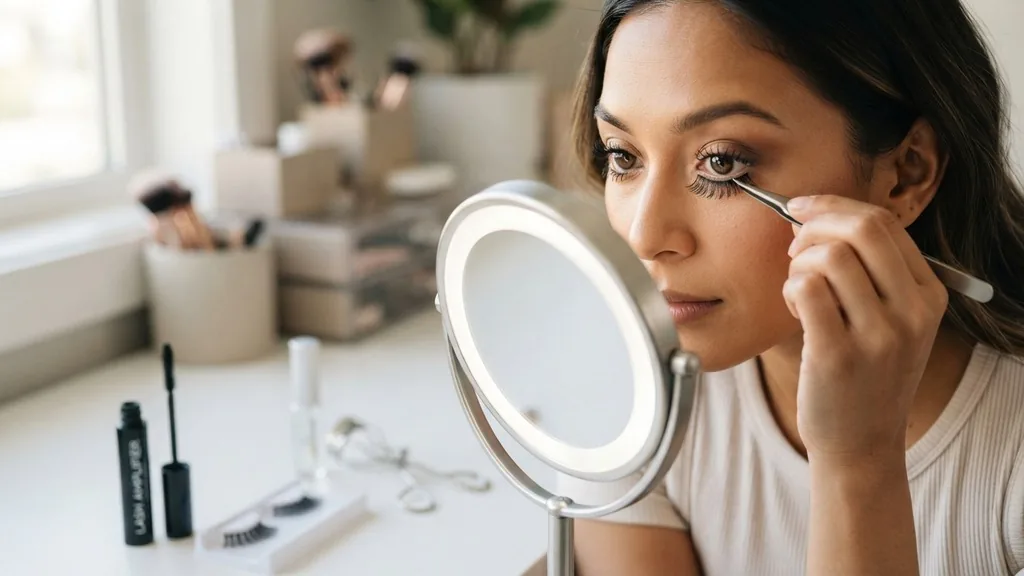
Achieving the perfect eye makeup look often leads to a common dilemma: do you put mascara on before fake lashes or leave your natural ones bare? The order of your makeup application can significantly impact both the longevity of your falsies and the overall aesthetic of your eyes.
While many makeup enthusiasts debate the “correct” sequence, the answer often depends on the type of false lashes you are using and the specific look you want to achieve. Generally, applying a light coat of mascara to your natural lashes before attaching falsies helps provide a sturdy shelf for the strip to sit on and blends your real hair with the synthetic fibers.
Why the Sequence of Application Matters
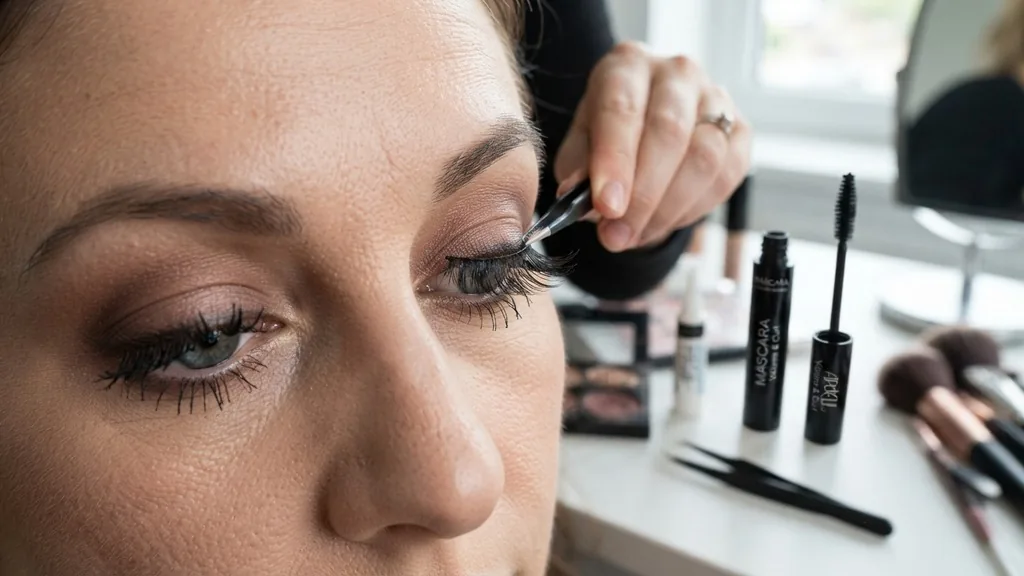
The order in which you apply your eye makeup is crucial because it dictates how well the adhesive bonds to your eyelid and how natural the final result appears. If you apply too much product to your natural hairs, the band of the false eyelash might struggle to find a clean surface to grip, leading to premature lifting at the inner or outer corners. Conversely, skipping mascara entirely can result in a visible gap between your real lashes and the false ones, which breaks the illusion of a seamless fan.
When you apply mascara first, you are essentially creating a foundation. This foundation serves two purposes: it darkens your natural hair to match the black band of the falsies, and it provides structural support.
If your natural lashes are very straight or light in color, they can peek through the falsies if they aren’t coated in dark pigment. By using a small amount of product beforehand, you ensure that your natural eye look remains consistent and professional throughout the day.
The Role of Mascara in Blending Falsies
For most people, the primary goal of wearing false eyelashes is to enhance the volume and length of their eyes. However, if the false lashes sit on top of bare, light-colored natural lashes, the contrast can be jarring.
This is where the importance of mascara as a blending agent comes into play. By coating your lashes first, you darken them, which allows them to effectively “disappear” into the darker, denser fibers of the false set.
Think of your natural lashes as the base layer of a painting. You wouldn’t paint a detailed scene over a messy, uneven canvas. Similarly, you want your natural lashes to be uniform so that when the falsies are placed on top, the transition is undetectable.
This technique is especially vital for those with blonde or red hair, where the contrast between the natural lash and a dark lash band is most apparent. Using a high-quality lash product is essential for the best results; you can learn more about safe eye makeup practices to ensure your routine doesn’t irritate your delicate eye area.
How to Apply Mascara Before Falsies Effectively
If you decide to use mascara as a base, you must be strategic about the amount. A thick, clumpy layer of mascara will create a slick, uneven surface that prevents the lash glue from sticking properly. Instead, aim for a single, thin coat.
Focus the product on the roots of your lashes rather than the tips. This provides the necessary color and lift without adding excessive weight or texture that could interfere with the adhesive bond.
Wait for the mascara to dry completely before you attempt to apply your false eyelashes. If the product is still wet, the glue will mix with the mascara, creating a messy smudge that is difficult to clean without ruining your eyeshadow.
You can use a small handheld fan or simply wait about sixty seconds for the formula to set. Once it is tacky or dry, your natural lashes will be stiff enough to hold the weight of the falsies, making the entire application process much smoother and faster.
Comparing Application Techniques
When deciding on your routine, it helps to look at the differences between various methods. Not every lash style or occasion requires the same approach. The following table provides a breakdown of how different factors influence whether you should apply mascara first or last.
| Lash Type | Mascara First? | Why? |
|---|---|---|
| Strip Lashes | Yes (Light Coat) | Provides a shelf and blends colors. |
| Magnetic Lashes | No | Can interfere with the magnetic bond. |
| Lash Clusters | Optional | Depends on your preferred level of density. |
| Individual Flares | No | Usually applied directly to the skin/lash line. |
Addressing the Potential for Lash Damage
One of the most frequent concerns regarding the use of false lashes is the potential for damage to your natural hair. Many people worry that the act of applying glue and then pulling it off will lead to thinning or breakage.
While false lashes themselves are generally safe, the process of removing them can be harsh if you aren’t careful. If you have applied mascara beforehand, you must ensure that you remove all layers of makeup, including the glue, with an oil-based cleanser before going to bed.
If you find that your natural lashes feel brittle, consider taking a break from falsies or using a lash serum to nourish the hair follicles. It is also important to avoid tugging at your lids when removing the strip.
Instead, use a cotton swab soaked in makeup remover to gently dissolve the glue. This simple change in your removal routine can prevent the loss of natural hairs, regardless of whether you used mascara as a base or not.
Common Mistakes to Avoid
Even with the best intentions, many people fall into traps that ruin their eye look. One common error is applying the mascara too heavily, which causes the lashes to clump together.
When your natural lashes are clumped, it is nearly impossible to place the false lash band flush against the lash line. This results in a visible gap that makes the falsies look like they are “floating” on your eyelid.
Another mistake is failing to curl your natural lashes before applying the mascara. Curling is a vital step that opens up the eye and provides a natural upward angle. If you skip the curler, your natural lashes will point straight out or downward, which might cause them to poke through the bottom of the false lash band.
Always curl, then apply a thin coat of mascara, then apply your falsies. This three-step process is the secret to a professional-looking finish that lasts all day.
Tips for Different Lash Styles
The type of falsies you choose to wear will dictate how much “prep” your natural lashes need. For dramatic, voluminous strip lashes, you have more leeway because the band is usually thicker and can hide more of your natural lashes.
However, for natural-looking, wispy lashes, the precision of your mascara application is much more important. If you are using a clear band, you must be extremely careful with your mascara, as any smudges will be visible through the transparent strip.
If you are using lash clusters, you might prefer to apply them first and then use a mascara wand to gently sweep through both your real and fake lashes to fuse them together. This “fusing” technique is a favorite among makeup artists because it creates a cohesive look where it becomes impossible to distinguish where your real hair ends and the cluster begins. Just be sure to use a clean spoolie brush to avoid any clumping during this blending step.
Frequently Asked Questions
- Is it better to apply mascara after the lashes are on? Many professionals prefer applying a light coat of mascara after the falsies are secured to blend them with your natural hair. This helps unify the texture and color, especially if your natural lashes are particularly straight or light-colored.
- Does mascara damage fake lashes? Yes, applying mascara directly to the fibers of high-quality synthetic or mink lashes can ruin their shape and longevity. If you want to use mascara, apply it only to your natural lashes before attaching the falsies, or very lightly to the roots of the falsies only.
- Should I use waterproof mascara as a base? It is generally recommended to use a standard, non-waterproof formula as a base. Waterproof mascara is notoriously difficult to remove and can leave a residue that makes it hard for your lash glue to adhere properly during your next application.
- How do I fix a gap between my real and fake lashes? If you notice a gap, use a small angled brush with a bit of black eyeshadow or liquid liner to fill in the space along the lash line. This tricks the eye into seeing a seamless transition without the need for more mascara or glue.
Refining Your Eye Makeup Routine
Ultimately, the best way to determine your preferred method is to experiment. Try applying mascara before your falsies on one day, and after on another.
Pay attention to how the lashes feel, how long they stay in place, and how natural they look in different lighting conditions. You might find that your specific eye shape or the brand of glue you use works better with one sequence over the other.
As you become more experienced with applying falsies, you will likely develop a personalized rhythm that works for your unique beauty routine. Whether you choose to use mascara as a base or as a final blending step, the most important thing is to prioritize the health of your natural lashes and the cleanliness of your eyelid.
By avoiding harsh tugging, choosing quality adhesives, and being mindful of your application technique, you can enjoy the dramatic, eye-opening effect of false lashes without sacrificing the integrity of your natural hair. With a bit of practice, you’ll be able to achieve a flawless, professional look that enhances your natural beauty every single time you apply your makeup.


