

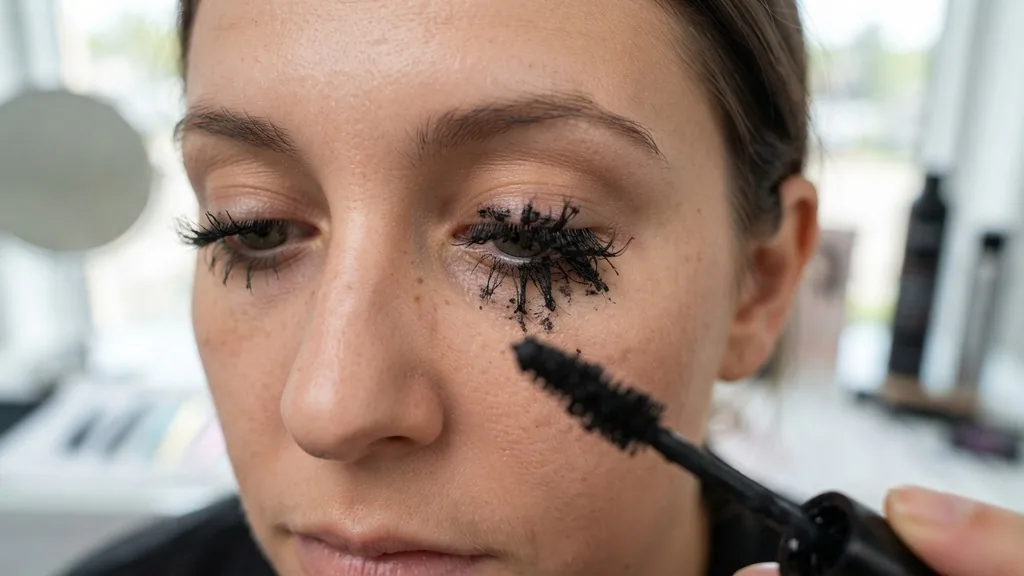
Many people who invest in high-quality eyelash extensions find themselves wondering if they can still reach for their favorite makeup bag. The allure of waking up with perfectly curled, dark, and voluminous lashes is undeniable, yet the temptation to add extra drama with a coat of product remains strong.
The short answer to whether you can wear mascara with lash extensions is generally no, but the reality involves more nuance than a simple prohibition. Understanding why this restriction exists is essential for maintaining the longevity of your investment and the health of your natural hairs.
Why Mascara Compromises Lash Extensions
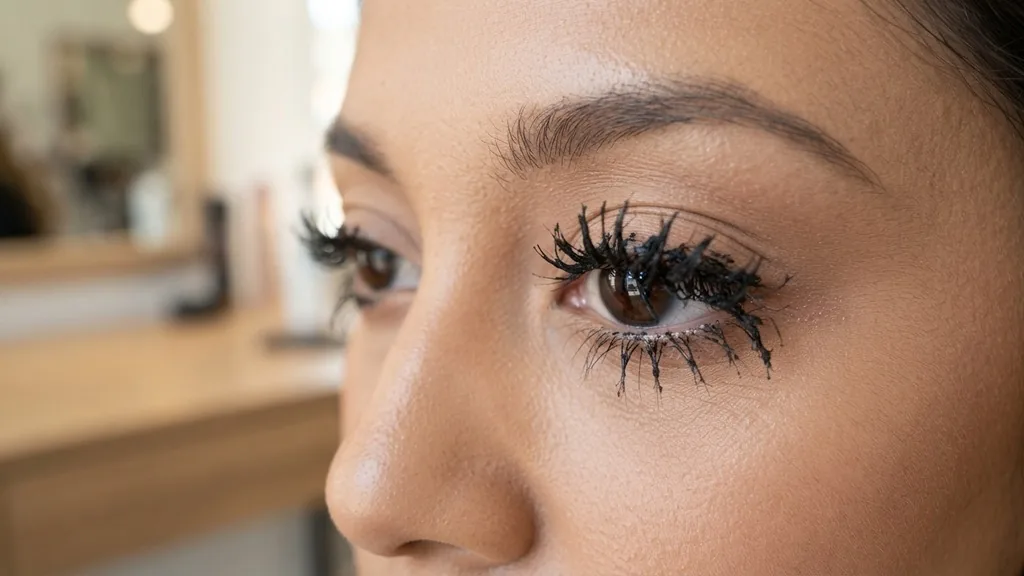
Mascara is formulated to coat, thicken, and often lengthen natural hairs, but these same properties cause significant damage when applied to synthetic or silk extensions. Most standard mascaras contain waxes, oils, and pigments that bond to the fibers of the extension.
Because extensions are applied to individual natural lashes using a specialized adhesive, any product that creates a rigid or heavy coating disrupts the bond. When you attempt to remove that product at the end of the day, you are inevitably tugging at the extensions, which leads to premature shedding and gaps in your lash line.
Beyond the physical tugging, the chemical composition of traditional makeup can be detrimental to the glue. Most conventional formulas are designed to be water-resistant or smudge-proof, which usually means they rely on oil-based ingredients. Oil is the primary enemy of lash glue.
When oils come into contact with the adhesive, they begin to break down the polymer structure, causing the extensions to slide off or loosen long before their natural growth cycle would dictate. If you choose to ignore these warnings, you will likely find yourself needing a “fill” much sooner than the standard two-to-three-week window.
The Dangers of Mechanical Stress
The application and removal process of eye makeup subjects your delicate extensions to repetitive mechanical stress. Even if you are extremely gentle, the act of dragging a wand through your lashes creates tension. This tension is magnified by the weight of the product itself.
Extensions are designed to be lightweight, mimicking the feel of natural hairs. Adding a heavy layer of pigment creates a dragging effect, pulling down on the natural lash base. Over time, this weight can lead to traction alopecia, where the constant pull causes the natural lash to fall out prematurely, potentially damaging the follicle.
Removal is arguably the most hazardous part of the process. To get mascara off, you typically need to use a cleanser, often involving rubbing or wiping the eye area. Even with oil-free removers, the friction required to strip hardened pigment from the lashes is enough to pull extensions out by the root.
You might notice your extensions coming off on your cotton pad or washcloth, which is a clear sign that the mechanical stress is exceeding the strength of the bond. Protecting your look requires minimizing any interaction that involves pulling, rubbing, or scrubbing the eye area.
Identifying Safe Mascara Alternatives
If you feel that your volume is lacking and you absolutely must reach for a product, you need to be extremely selective. You cannot use standard formulas; instead, you must hunt for specific water-based products.
These are designed to be easily dissolved with water, meaning they do not require aggressive scrubbing or oil-based cleansers to remove. However, even these should be used sparingly and only on the very tips of the extensions, never at the base where the glue is located.
When searching for a compatible product, look for labels that explicitly state “oil-free” and “extension safe.” These formulas are rare in standard drugstores and are usually found in specialized beauty boutiques or directly from lash studios. Even with these, you should exercise caution.
A safe way to enhance your appearance without risking your set is to focus on the lower lash line. Applying a light coat to your bottom lashes provides a balanced aesthetic without putting your top extensions in harm’s way. This strategy allows you to enjoy the benefits of makeup while keeping the extensions pristine.
Understanding the Role of the Adhesive
The adhesive used by your lash technician is a sophisticated chemical compound, usually a cyanoacrylate-based glue. This substance is designed to cure quickly and hold the synthetic fiber firmly against your natural lash. It is sensitive to environmental factors, including humidity, heat, and chemical exposure.
Oils and glycols are the most common culprits that dissolve these bonds. When you introduce foreign substances like mascara, you are essentially introducing a solvent that can weaken the structural integrity of the bond.
Furthermore, the curing process of lash glue can take up to 24 to 48 hours to reach full strength. During this initial period, it is vital to keep the area completely dry and free of any makeup. Even after the glue is fully cured, it remains susceptible to breakdown.
If you are experiencing poor retention, it is worth consulting the official FDA guidance on cosmetic safety to understand how different ingredients interact with the delicate skin around your eyes and the materials used in beauty treatments. Always prioritize the longevity of the bond over the desire for extra length or thickness.
How to Maintain Your Look Without Mascara
Many clients feel the need for mascara because they are not getting the best results from their initial application. If you find your lashes aren’t dark or voluminous enough, talk to your technician about using a different curl type or a thicker diameter. You can achieve a “mascara effect” by opting for hybrid or volume sets.
These techniques involve applying multiple lighter fibers to a single natural lash, which creates a denser, darker appearance naturally. This eliminates the need for any additional product, saving you time and protecting your investment.
Proper maintenance is the best way to keep your lashes looking fresh. This includes daily cleaning with a foaming lash cleanser. A clean lash line prevents the buildup of natural oils, dust, and dead skin cells, which can also break down the glue.
By keeping your lashes clean and brushed with a spoolie, you ensure they stay separated and fluffy. When they are properly cared for, they naturally look their best, and the urge to add mascara often disappears entirely as you get used to the effortless, polished look of your extensions.
Recommended Care Routine
- Cleanse your lashes daily using a foam cleanser specifically designed for extensions.
- Brush your lashes every morning and after showering to prevent tangling.
- Avoid sleeping on your face, which can crush the fibers and ruin the curl.
- Schedule regular fill appointments to replace shed extensions and maintain density.
- Use a protective lash sealer if recommended by your technician to shield the adhesive.
Comparing Product Types for Lash Wearers
Not all eye products are created equal. When managing a set of extensions, it is helpful to categorize your beauty routine based on the risk level associated with each type of product. The following table provides a breakdown of how various makeup items interact with your lash extensions and the level of care required when using them.
| Product Type | Risk Level | Recommendation |
|---|---|---|
| Standard Mascara | High | Avoid completely |
| Water-Based Mascara | Moderate | Use only on tips |
| Oil-Free Eyeliner | Low | Safe if removed gently |
| Gel/Pencil Liner | High | Avoid near the lash line |
As shown in the table, the risk profile changes significantly depending on the chemical makeup of the product. Oil-based formulas are consistently the most dangerous for the longevity of your extensions.
If you are determined to use eyeliner, opt for a liquid formula that is specifically labeled as oil-free and water-based, and apply it far enough away from the lash base that you don’t need to rub the roots during removal. Always test products on a small area or consult your lash artist before introducing new makeup to your routine.
Common Misconceptions About Lash Care
There is a widespread myth that if you use a waterproof mascara, it won’t affect the lashes because it doesn’t “run.” This is a dangerous misconception. While waterproof mascara might not smudge, it is significantly harder to remove than regular mascara.
The removal process for waterproof products almost always requires heavy-duty oil-based cleansers or aggressive rubbing, both of which are disastrous for extensions. You are essentially trading a smudge-free look for a rapid loss of your expensive lash set.
Another common mistake is believing that applying mascara only to the tips is completely harmless. While it is certainly safer than coating the base, it still adds weight and can cause the tips of the extensions to clump together. This clumping makes it difficult to brush them out, leading to tangles and potential breakage.
If you insist on using a product, you must be extremely disciplined about cleaning it off thoroughly at the end of the day. If you cannot commit to a rigorous, gentle cleaning routine, it is better to avoid mascara entirely to protect the health of your natural lashes.
When to Replace Your Lash Set
Even with the most careful maintenance, there comes a time when your lash set needs to be professionally removed or replaced. If you have been using mascara and notice that your lashes are clumpy, gapped, or feeling heavy, it may be time for a professional removal.
Trying to peel off extensions that have been compromised by mascara buildup is a recipe for disaster; you will likely pull out your natural lashes along with the synthetic ones. A lash technician uses a specialized cream or gel remover that breaks down the adhesive safely without damaging your natural hair.
If you find that your retention has plummeted, be honest with your technician. Tell them if you have been using mascara or if you have recently switched to a new cleanser. They can often tell by looking at the residue on the base of the extensions.
Transparency allows them to help you get back on track. Remember, the goal of lash extensions is to simplify your life. If you find yourself spending more time trying to “fix” or hide your lashes with mascara, you might need to re-evaluate whether your current lash style is meeting your aesthetic needs or if you need a different mapping technique to achieve the look you want.
Addressing Common Questions About Extensions
Many people still harbor confusion regarding the do’s and don’ts of lash care. Below are the most frequently asked questions to help you maintain your extensions properly.
Can I wear eyeliner with eyelash extensions?
Yes, you can wear eyeliner, but it must be oil-free and water-based. Avoid pencil or gel liners that require tugging to apply.
Use a liquid liner and apply it slightly above the lash line. Always use an oil-free makeup remover and a soft cloth to remove it gently.
Are lash extensions worth the investment?
For many, they are highly worth it because they save significant time during daily makeup routines. However, they require a commitment to maintenance, including regular fills and gentle cleansing. If you are prepared for the upkeep, they provide a consistent, high-quality look that standard makeup cannot replicate.
What should I avoid with eyelash extensions?
You should avoid oil-based cleansers, waterproof mascara, and mechanical eyelash curlers. Furthermore, avoid rubbing your eyes, sleeping face-down on your pillow, and using high-heat hair dryers near your face. These habits can lead to premature shedding, broken fibers, and damage to your natural lash health.
How do I find a safe mascara for my lashes?
Look for products specifically formulated for extensions, typically found in high-end beauty stores or at your lash salon. Ensure the ingredients list does not contain oils, glycols, or waxes. If in doubt, ask your lash technician to recommend a brand that they have vetted for use with their adhesives.


