

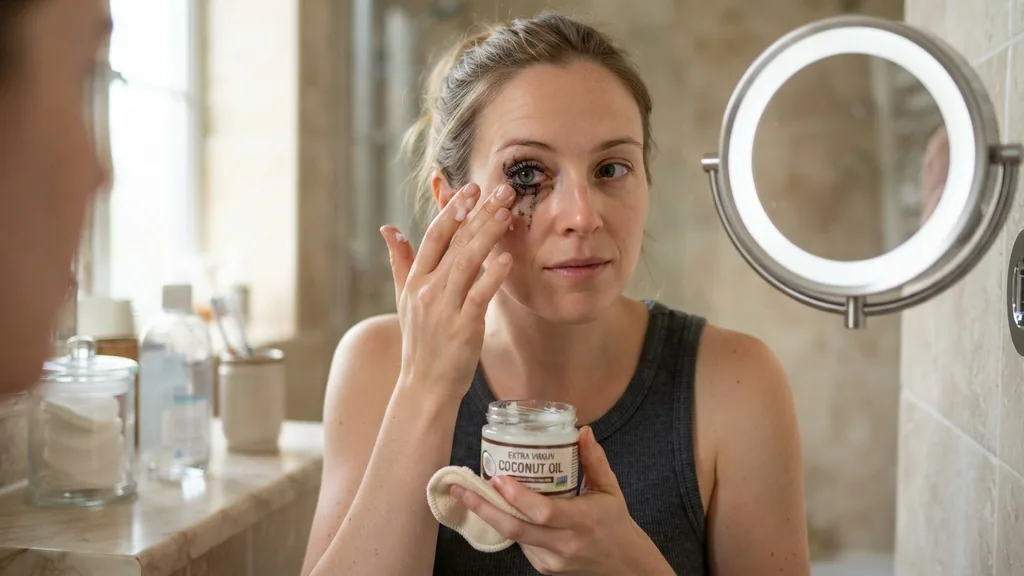
Learning how to get waterproof mascara off without makeup remover is a essential skill for anyone who has ever run out of their favorite beauty supplies at the worst possible moment. Waterproof formulas are specifically engineered to resist moisture, sweat, and tears, which makes them incredibly durable but notoriously difficult to dissolve.
Most people reach for a specialized liquid cleanser, but when you are stuck without one, you don’t have to resort to aggressive scrubbing that damages your delicate lashes. Instead, you can leverage common household items that break down the polymers and waxes in these resilient formulas effectively.
Understanding the Chemistry of Waterproof Mascara
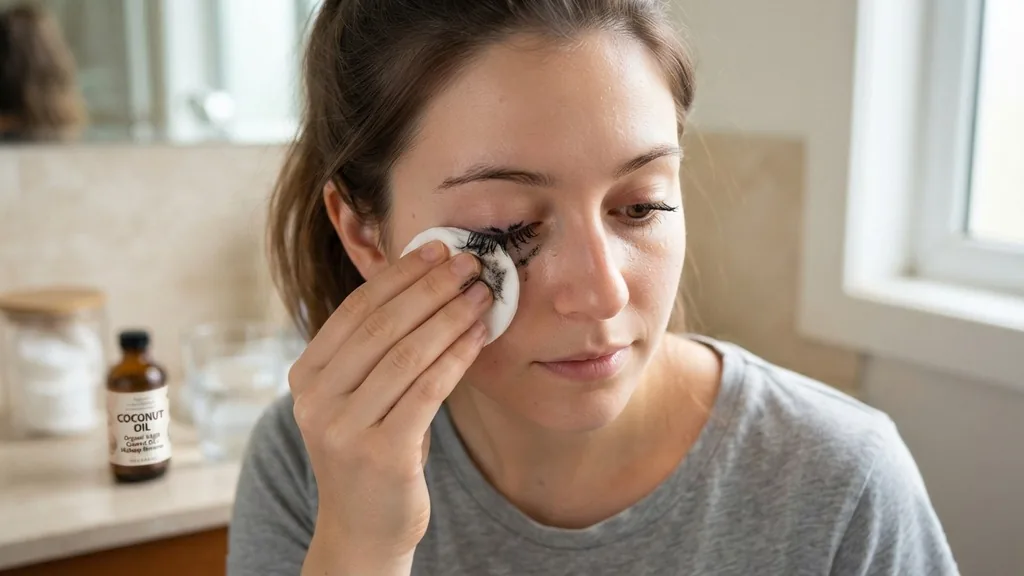
Waterproof mascara typically relies on a combination of waxes, oils, and film-forming polymers to create a barrier that repels water. When you apply this product, it coats your lashes in a protective sheath that remains stable even when exposed to humidity or rain. Standard water-based cleansers fail to remove these products because they cannot penetrate the hydrophobic layer.
To remove these products, you need a solvent that can dissolve the wax and oil base. This is why oil-based substances are the most effective alternatives when you lack a dedicated remover. By applying an oil, you soften the hardened polymers, allowing the mascara to slide off the hair shaft without requiring excessive friction.
Understanding this chemical interaction is key to protecting your eyes. If you attempt to wipe away the product while it is still hard, you risk pulling out your natural lashes, which can lead to thinning over time. Always prioritize gentleness over speed to maintain lash health.
The Efficacy of Natural Oils for Lash Cleansing
Natural oils are perhaps the most reliable solution for breaking down stubborn eye makeup because they mirror the lipid-rich composition of the mascara itself. Coconut oil, olive oil, and sweet almond oil are common household staples that work exceptionally well. The oil molecules bond with the mascara, effectively lifting the pigment and the wax away from the lash line.
To use this method, you should start by washing your hands thoroughly. Take a small amount of your chosen oil—about the size of a pea—and warm it between your fingertips. Gently massage the oil onto your closed eyelids, focusing specifically on the roots of your lashes.
You will notice the mascara beginning to clump and loosen as the oil penetrates the formula. Once the product has been sufficiently softened, use a soft, damp cloth or a cotton pad to wipe the residue away in a downward motion.
Avoid rubbing back and forth, as this can irritate the sensitive skin around your eyes. After the mascara is gone, cleanse your face with your regular facial wash to ensure no oily film remains, which could otherwise clog your pores or blur your vision.
Using Petroleum Jelly as a Makeup Solvent
Petroleum jelly is a highly effective, occlusive agent that acts as a heavy-duty solvent for waterproof cosmetics. Because it is thick and oil-based, it adheres well to individual lashes, giving the product time to sit and break down the stubborn waterproof coating. Many beauty experts recommend this method because it is inexpensive and usually already available in most medicine cabinets.
When applying petroleum jelly to your eyes, use a clean cotton swab or a sanitized finger to apply a thin layer along the lash line. Be extremely careful not to get the product directly inside the eye, as it can cause temporary cloudiness. Let the jelly sit for about 60 seconds.
During this time, the heat from your skin helps the jelly melt into the mascara. Once the minute is up, gently swipe downward with a cotton pad. You will likely see the mascara come off in thick, dark streaks.
If any stubborn bits remain, repeat the process with a fresh swab. Always follow up with a thorough face wash to remove the occlusive residue, as petroleum jelly can be heavy on the skin if left overnight.
The Role of Micellar Water in Routine Maintenance
While some people consider micellar water a type of makeup remover, many formulas are designed for general cleansing rather than targeting heavy-duty waterproof products. However, if you have a gentle micellar water on hand, you can make it work for waterproof formulas by adding a small amount of oil to the cotton pad. This creates a DIY bi-phase cleanser, which is the industry standard for removing long-wear eye makeup.
The micelles in the water attract dirt and impurities, while the added oil dissolves the wax. To create this, soak a cotton pad with your micellar water and add two or three drops of a high-quality carrier oil like jojoba or almond oil. Press the pad firmly against your closed eye and hold it there for at least 30 seconds.
This “soaking” period is crucial; it gives the solution time to interact with the waterproof polymers. After the wait, gently wipe away the makeup.
This method is often preferred by those with sensitive skin, as it minimizes the need for physical scrubbing and keeps the delicate eye area hydrated throughout the process. For more information on maintaining skin barrier health during cleansing, you can refer to the American Academy of Dermatology guidelines on proper face washing techniques.
Comparing Common Household Alternatives
If you find yourself in a pinch, several household items can serve as temporary replacements for commercial makeup removers. Each has different properties, so it is important to choose one that suits your skin type.
| Substance | Best For | Key Benefit |
|---|---|---|
| Coconut Oil | Dry/Normal Skin | Naturally moisturizing and dissolves wax quickly. |
| Petroleum Jelly | Stubborn Formulas | Creates a thick barrier that lifts heavy pigment. |
| Jojoba Oil | Sensitive Skin | Mimics natural sebum; lightweight and non-comedogenic. |
| Baby Oil | Quick Removal | Very effective at breaking down polymers rapidly. |
When choosing among these, consider your skin’s reaction to heavy oils. If you are prone to acne, you might want to avoid coconut oil around the eyes, as it can be comedogenic for some individuals.
Instead, opt for jojoba oil, which is structurally closer to the oils your skin produces naturally. Regardless of the substance used, the goal is always to reduce the mechanical stress on your lashes and the surrounding skin.
Addressing Topical Gaps: Safety and Eye Health
One frequently overlooked aspect of removing makeup without professional products is the risk of introducing bacteria or causing physical irritation. When you use household items, you must ensure they are clean and free of contaminants.
Never double-dip a finger into a communal jar of petroleum jelly or coconut oil if you have been touching your face. Use a clean applicator or a fresh cotton swab every time.
Furthermore, consider the pH balance of your skin. Many oils are neutral, which is generally safe, but if you have pre-existing eye conditions like blepharitis or dry eye, you should be extremely cautious about what you put near your lash line. Avoid using household items that are scented or contain essential oils, as these can cause significant stinging and redness.
If you feel any burning or notice blurred vision that does not clear up after washing your face, stop using that method immediately. Always prioritize rinsing your eyes thoroughly with lukewarm water after the mascara is removed to prevent the buildup of oily residue in the tear ducts.
Best Practices for Lash Preservation
Preserving your lashes is just as important as removing the mascara effectively. Waterproof mascara, while beautiful, can cause lashes to become brittle if they are not cleaned properly.
The constant application and removal of these heavy formulas can lead to breakage. To keep your lashes healthy, you should incorporate a conditioning step into your routine.
After removing the mascara, consider applying a tiny amount of castor oil or a lash serum to your lashes. These products can help nourish the hair follicles and restore the moisture lost during the cleansing process. Additionally, try to avoid wearing waterproof mascara every single day.
If your lifestyle allows, alternate with a water-resistant or standard formula that is easier to remove with a simple face cleanser. This gives your lashes a “break” and reduces the need for the more intensive removal techniques required by waterproof products. Remember that your lashes are delicate; treat them with the same care you would apply to the hair on your head.
Common Mistakes to Avoid During Removal
Even with the right products, it is easy to make mistakes that compromise the health of your eyes. The most common error is rushing the process.
Waterproof mascara requires time to soften. If you attempt to pull the mascara off before it has fully dissolved, you will likely take a few eyelashes with you.
Another mistake is using the wrong tools. Avoid using rough paper towels or abrasive scrubbers. Always opt for soft cotton rounds, microfiber cloths, or even a clean, soft washcloth.
These materials are gentle on the skin and effective at picking up the dissolved pigment. Furthermore, avoid using hot water to remove the mascara. While heat helps soften the wax, water that is too hot can strip the skin of its natural moisture and cause redness.
Stick to lukewarm water, which is effective yet gentle. Lastly, do not skip the final rinse. Even if you think you have removed all the product, a final wash with a gentle cleanser removes any lingering oil or residue that could irritate your eyes overnight.
Frequently Asked Questions
- Is it safe to use coconut oil around the eyes? Yes, for most people, coconut oil is safe and very effective. However, if you have oily or acne-prone skin, use it sparingly as it may cause breakouts if left on the skin. Always rinse thoroughly after use.
- How long should I leave oil on my lashes? You should leave the oil or petroleum jelly on your closed eyes for at least 30 to 60 seconds. This allows the product to penetrate the waterproof polymers, making the mascara slide off easily without pulling or tugging.
- Can I use baby oil to remove waterproof mascara? Baby oil is an excellent, mineral-oil-based solvent that works quickly to break down waterproof makeup. Ensure you use a small amount, keep your eyes closed tightly during application, and wash your face well afterward to prevent any residue from clogging pores.
- What if my eyes feel blurry after using oil? A slight, temporary blurriness is common if a small amount of oil enters the eye. This is generally harmless and will resolve as your natural tears flush it out. If the sensation persists or you feel pain, rinse your eyes with water.
By following these techniques, you can effectively manage your beauty routine even when you are away from your standard supplies. The key lies in understanding that waterproof mascara is designed to resist water, not oil. By using the right lipid-based household items and adopting a gentle, patient approach, you can keep your lashes healthy, your skin clear, and your eyes comfortable, regardless of the products you have on hand.
Always remember that the health of your skin and lashes should come before the convenience of a quick cleanup. Take the time to do it right, and your eyes will thank you for the extra care.


