

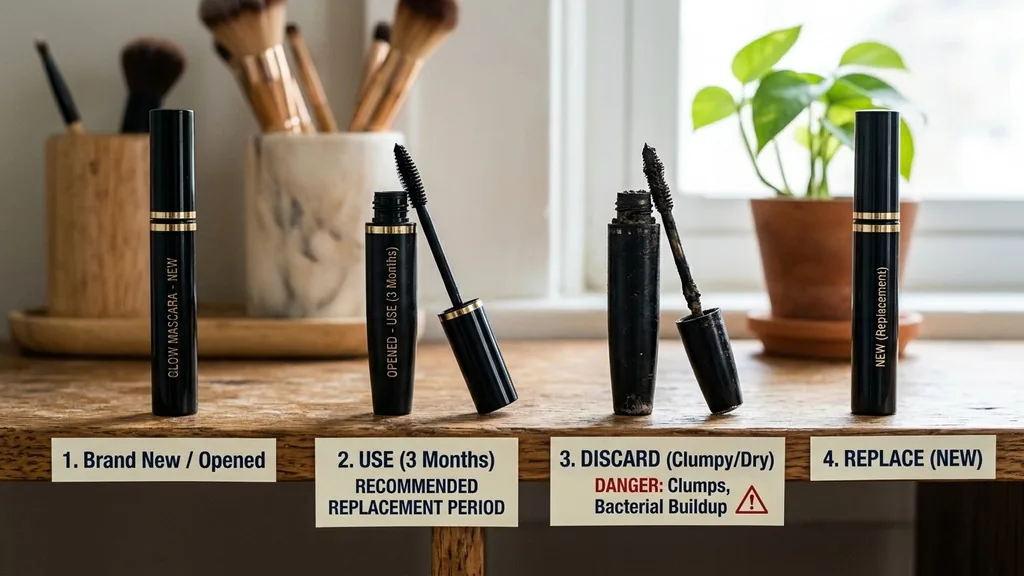
Knowing how often should you replace mascara is a critical aspect of maintaining eye health that many beauty enthusiasts overlook. While it is easy to assume that a tube of lash-lengthening product remains safe until it runs dry or begins to clump, the reality is far more clinical.
Your eyes are among the most sensitive organs in your body, and the dark, damp environment inside a mascara tube serves as an ideal breeding ground for microscopic organisms. By adhering to a strict replacement schedule, you minimize the risk of irritation, inflammation, and more severe ocular conditions.
The Standard Timeline for Mascara Replacement
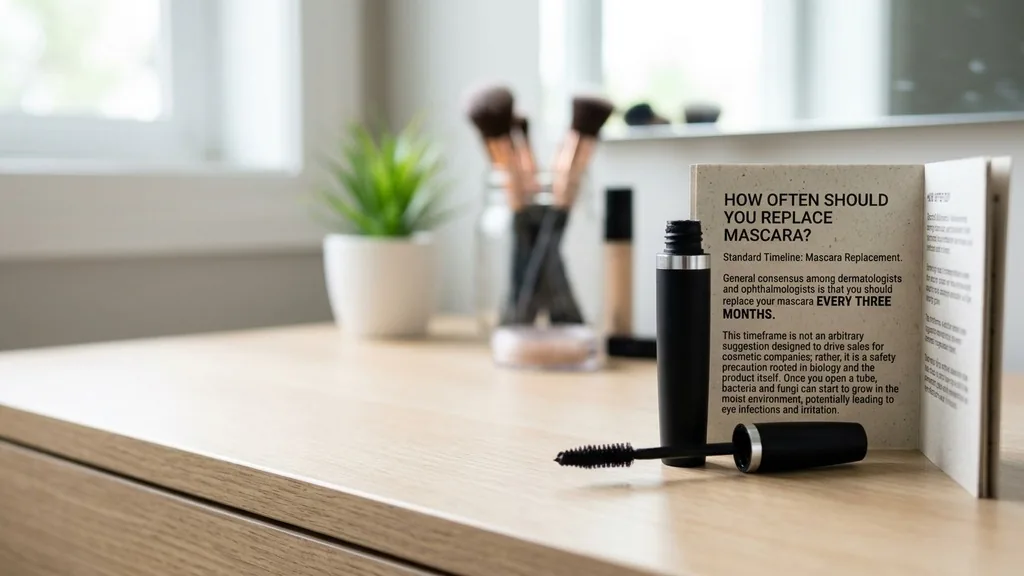
The general consensus among dermatologists and ophthalmologists is that you should replace your mascara every three months. This timeframe is not an arbitrary suggestion designed to drive sales for cosmetic companies; rather, it is a safety precaution rooted in the biology of the product itself.
Once you open a tube, the seal is broken, allowing oxygen and airborne contaminants to enter the container. Over the course of ninety days, the preservative system within the formula begins to degrade, leaving the product susceptible to microbial growth.
When you use a wand to apply makeup, you are essentially picking up skin cells, oils, and potential debris from your lash line and depositing them back into the tube. Each time you pump the wand—a common habit many people have—you push more air and bacteria into the tube.
This repeated cycle of contamination quickly compromises the integrity of the formula. If you notice a change in the scent, texture, or consistency of your product before the three-month mark, you should discard it immediately, regardless of how much remains inside.
Why Bacteria Growth Is a Serious Concern
The primary reason for frequent replacement is the proliferation of bacteria. Eyes are highly susceptible to pathogens like Staphylococcus aureus and Pseudomonas aeruginosa.
Because the eye lacks the thick, protective skin barrier found elsewhere on the body, it is much easier for these microorganisms to cause an infection. When a contaminated wand touches your conjunctiva or the delicate skin of your eyelid, you create a direct pathway for these pathogens to enter your system.
Many people mistakenly believe that their makeup contains enough preservatives to keep it sterile indefinitely. While formulas do include antimicrobial agents, these chemicals have a finite lifespan. As you use the product, these agents are neutralized by the constant introduction of organic material from your face.
Once the preservative capacity is exhausted, the product becomes a host for colonies of germs. Using expired makeup is a common, yet avoidable, cause of eye infections like conjunctivitis, commonly known as pink eye, which can cause significant discomfort and require medical intervention.
Signs Your Mascara Has Expired
While the three-month rule is the gold standard, you should always pay attention to physical cues that suggest a product has turned. Your senses are your best tool for identifying when a formula has reached the end of its useful life. Even if you haven’t hit the three-month milestone yet, these changes serve as a warning sign that the chemical balance of your makeup has shifted.
- Unusual Odor: If your mascara develops a sharp, chemical, or sour smell, it is a clear indicator that the preservatives have broken down and bacterial growth has begun.
- Texture Changes: A formula that becomes thick, clumpy, or “stringy” is often a sign that the volatile ingredients have evaporated, leaving behind a compromised base.
- Flaking and Smudging: When a product starts to flake off onto your cheeks or smudge excessively, it often means the binders in the formula have degraded.
- Irritation: If you experience stinging, redness, or itching immediately after application, stop using the product at once and discard it.
The Impact of Application Habits on Longevity
Your daily routine plays a significant role in how quickly your makeup becomes contaminated. Many people have developed habits that inadvertently shorten the lifespan of their beauty products.
One of the most damaging actions is “pumping” the wand—repeatedly moving it in and out of the tube to get more product on the brush. This action forces air into the container, which speeds up the oxidation process and dries out the formula prematurely.
Instead of pumping, try a gentle swirling motion inside the tube to collect the product. Additionally, never share your eye makeup with others. Sharing introduces an entirely new set of foreign bacteria to your specific tube, drastically increasing the risk of cross-contamination.
If you have recently suffered from an eye infection, you must throw away all eye makeup you were using at the time of the infection, even if it is relatively new. Continuing to use those items will almost certainly lead to re-infection, as the bacteria will have colonized the wand and the contents of the tube.
Comparing Lifespans Across Makeup Categories
Understanding that mascara has a shorter shelf life than other types of cosmetics is vital for overall hygiene. Different products have different chemical compositions and exposure risks, which dictate how long they remain safe for use. While powders, such as eyeshadow or blush, are relatively dry and resistant to microbial growth, liquid-based products like mascara and liquid eyeliner are highly vulnerable due to their moisture content.
| Makeup Category | Recommended Replacement Time |
|---|---|
| Mascara | 3 Months |
| Liquid Eyeliner | 3 Months |
| Foundation (Liquid) | 6 to 12 Months |
| Powder Products | 18 to 24 Months |
| Lipstick | 12 to 18 Months |
As shown in the table above, the high-moisture environment of liquid eye products necessitates a much stricter replacement cycle. When you compare these items to powders, which can last for up to two years if kept clean, the importance of treating your mascara with extra caution becomes clear. Always check the “period after opening” symbol—a small jar icon with a number—on the packaging, though the three-month rule remains the safest guideline for eye-specific products.
Topical Gaps: Addressing Common Misconceptions
A frequent question often arises regarding whether “natural” or “organic” mascaras last longer. In fact, these products often have a much shorter shelf life because they lack the robust synthetic preservatives found in conventional formulas.
If you choose to use a cleaner, preservative-free brand, you must be even more vigilant. These formulas can grow mold and bacteria much faster than standard commercial options, sometimes within just a few weeks of opening.
Another common misconception is that the time frame doesn’t matter if you rarely use the product. Whether you wear makeup daily or only once a week, the clock starts the moment you pull the wand out for the first time. The exposure to the air and the initial introduction of bacteria are what matter, not the frequency of use.
Storing your makeup in a bathroom, where humidity and temperature fluctuate, can further shorten the stability of the product. For the best results, store your cosmetics in a cool, dry place away from direct sunlight.
Professional Advice on Eye Health
Eye care professionals emphasize that makeup hygiene is an extension of general health. The American Academy of Ophthalmology provides comprehensive guidelines on how to use eye makeup safely, noting that improper use can lead to corneal abrasions or severe infections. If you notice any persistent redness, swelling, or crusting around the eyes, it is essential to stop using all eye products immediately and consult a healthcare provider.
Furthermore, never apply makeup while in a moving vehicle. A sudden bump can cause the wand to scratch the surface of your eye, which is a common cause of injury and can lead to a serious infection.
By keeping your application environment stable and your products fresh, you protect your vision. Remember that your eyes are not just a canvas for beauty; they are vital sensory organs that require protection from the chemical and biological threats posed by improperly maintained cosmetics.
Best Practices for Maintaining Product Freshness
To get the most out of your purchase while staying safe, implement a system for tracking your usage. Many people find it helpful to write the date of opening on the bottom of the tube with a permanent marker. This small habit takes seconds but prevents the guesswork of trying to remember when you last bought a new tube.
If you find yourself frequently throwing away mascara that is still half-full, consider purchasing travel-sized or “mini” versions. These are often more cost-effective if you know you won’t finish a full-sized tube within the three-month safety window.
Finally, always ensure you remove your makeup thoroughly before going to sleep. Sleeping in mascara can cause the product to flake into the eyes, leading to irritation and mechanical damage to the cornea.
Use a gentle, oil-based or micellar cleanser designed for the eye area to ensure every trace of the formula is removed. By combining proper removal techniques with a strict replacement schedule, you maintain the health of your lashes and the clarity of your vision for years to come.
Frequently Asked Questions
Can I extend the life of my mascara by adding water or oil?
No, you should never add water, oil, or any other substance to your mascara. Doing so disrupts the preservative system, which can actually cause bacteria to grow faster. It also changes the formula’s texture and can lead to irritation or eye infections.
Is it safe to use mascara if it has passed the three-month mark?
It is not recommended. Even if the product looks and smells fine, it may contain high levels of bacteria that are invisible to the naked eye. To protect your vision and avoid potential eye infections, you should discard the product after three months of use.
Does the type of mascara (waterproof vs. regular) change how long it lasts?
No, the shelf life remains the same regardless of the formula type. Both waterproof and regular mascaras are susceptible to bacterial contamination once opened. Always prioritize the three-month replacement rule to ensure your eye health is not compromised, regardless of the specific product features.


