

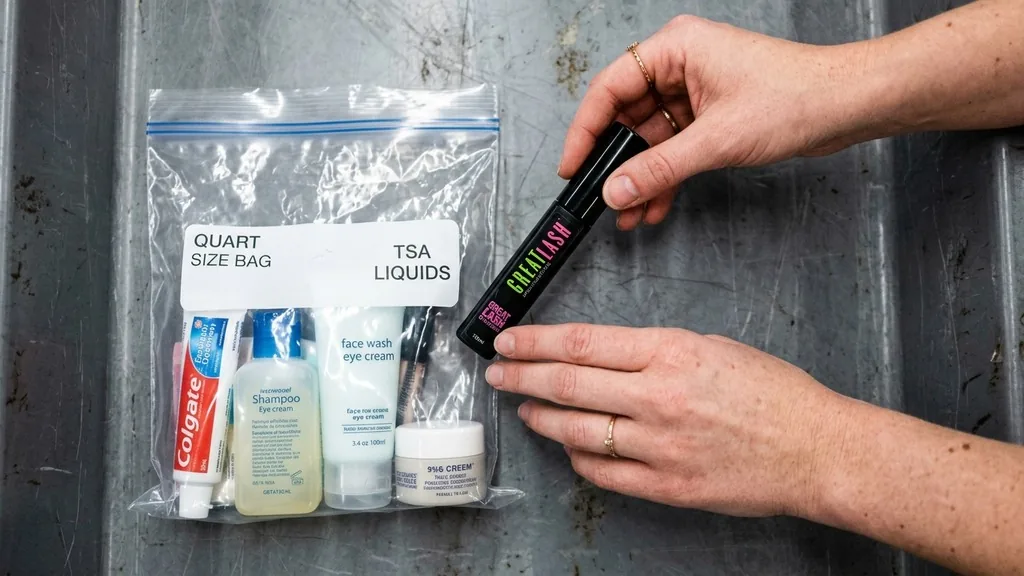
Navigating the intricacies of airport security can often feel like a guessing game, especially when it comes to the specific classification of your beauty products. If you have ever wondered, “is mascara considered a liquid for TSA?” you are certainly not alone. The short answer is yes, the Transportation Security Administration (TSA) classifies mascara as a liquid, gel, or aerosol.
Because of this, it is subject to the standard 3-1-1 liquids rule that governs what you can bring through a security checkpoint in your carry-on luggage. Understanding how these regulations apply to your daily makeup routine is essential for ensuring a stress-free experience at the airport, preventing the frustration of having to discard your favorite beauty items at the gate.
Why TSA Classifies Mascara as a Liquid
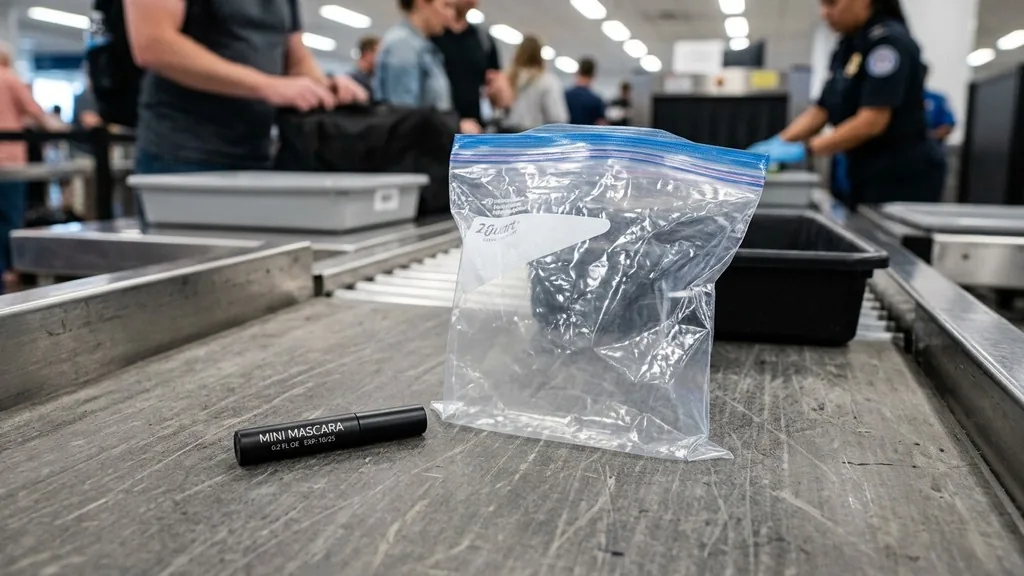
The TSA’s definition of a liquid is surprisingly broad and often catches travelers off guard. According to their official guidelines, any substance that can be poured, spread, pumped, or squeezed is categorized as a liquid, gel, or aerosol.
While mascara may seem like a semi-solid or a creamy cosmetic product, its physical consistency meets the criteria of a liquid under the 3-1-1 rule. This rule is designed to ensure that all substances carried through security checkpoints can be easily screened and do not pose a potential threat to the safety of the aircraft.
When you look at the chemical composition of mascara, it is essentially a suspension of pigments in a liquid base, often containing waxes, oils, and polymers. Because it is viscous and flowable under pressure—especially if the tube is squeezed or subjected to changes in cabin pressure—it is legally treated exactly the same as shampoo, contact lens solution, or liquid foundation. By treating these items consistently, the TSA simplifies the screening process, allowing agents to focus on identifying prohibited materials without having to debate the specific viscosity of every single cosmetic item in a passenger’s bag.
The 3-1-1 Rule Explained for Makeup Users
To travel with your beauty essentials efficiently, you must adhere to the 3-1-1 rule. This policy dictates that each passenger is allowed to carry liquids, gels, and aerosols in containers that are 3.4 ounces (100 milliliters) or less, and all of these containers must fit into a single, quart-sized, clear, plastic, resealable bag. This bag must then be removed from your carry-on luggage and placed in a separate bin during the security screening process.
For many, the challenge lies in the sheer volume of items that fall under this category. It is not just about your mascara; it includes your lip gloss, liquid eyeliner, concealer, cream blush, and even your toothpaste.
Because all these items must share that single quart-sized bag, it is vital to be strategic about what you choose to pack in your carry-on versus what you pack in your checked luggage. If you have a large collection of liquid-based makeup, you might find that your quart-sized bag fills up much faster than you anticipated.
| Makeup Category | TSA Liquid Classification | Packing Recommendation |
|---|---|---|
| Mascara | Yes | Include in 3-1-1 bag |
| Lip Gloss | Yes | Include in 3-1-1 bag |
| Pressed Powder | No | Can pack anywhere |
| Liquid Foundation | Yes | Include in 3-1-1 bag |
| Eyeliner Pencil | No | Can pack anywhere |
Managing Makeup in Your Carry-On Luggage
Successfully navigating airport security requires a bit of pre-flight organization. When you are preparing to pack makeup for a flight, the most effective strategy is to consolidate all your liquid-based items into one transparent container.
Using a clear, quart-sized bag is not just a suggestion; it is a requirement that makes the screening process faster for both you and the TSA agents. If your makeup is scattered throughout your carry-on, you are much more likely to be pulled aside for additional screening, which can lead to delays.
Beyond the 3-1-1 rule, consider the utility of your products. Many travelers find it helpful to opt for multi-use products when traveling. For instance, a cream-to-powder blush or a solid lipstick can often serve as both a lip color and a cheek tint, effectively reducing the number of liquid items you need to fit into your designated bag.
Furthermore, if you are traveling for a long duration, check the official TSA What Can I Bring page to ensure your specific items are permitted. Being proactive in your packing habits means you spend less time worrying about security and more time focused on your journey.
Common Cosmetic Items and Their Liquid Status
One of the most frequent points of confusion for travelers is determining which specific beauty items count as liquids. Because the industry produces a vast array of textures—from mousses to balms to gels—the line between “liquid” and “solid” can become quite blurred. It is important to remember that if the product is not a powder, a solid stick, or a dry wipe, you should assume it will be treated as a liquid by security personnel.
- Liquid Eyeliner: Always treated as a liquid.
- Lip Gloss and Liquid Lipstick: Both are considered liquids.
- Concealer (Liquid or Cream): Must go in the 3-1-1 bag.
- Cream Blush or Eyeshadow: These are classified as gels or liquids.
- Mascara: As discussed, it is a liquid and must be in the bag.
- Setting Spray: Aerosols and liquids both count; ensure the container is under 3.4 oz.
If you are ever in doubt, the safest bet is to place the item in your quart-sized bag. If an item is solid, such as a traditional powder foundation or a classic lipstick, it does not count toward your liquid allowance. However, if you are carrying a high-end, cream-based product that has a soft, spreadable consistency, security agents will almost certainly require it to be stored within the liquids bag.
Optimizing Your Travel Beauty Routine
To minimize the space your liquids take up, consider investing in travel-sized versions of your favorite products. Many beauty brands offer “mini” versions of their best-selling mascaras, which are perfectly sized for travel and fit easily into your quart-sized bag. This is a much better alternative than trying to fit full-sized tubes, which can be bulky and take up precious space that could be used for other essential liquids like moisturizer or hair serum.
Another tip for the frequent flyer is to maintain a dedicated “travel kit” that is already pre-packed according to TSA standards. By keeping your travel-sized mascara, lip balm, and foundation in a designated clear bag at all times, you eliminate the need to scramble before every trip.
This habit not only saves time but also ensures that you never accidentally leave a prohibited liquid in your carry-on, which could lead to it being confiscated at the security checkpoint. Remember, the goal is to be as organized as possible so that your transit through the airport is seamless.
Addressing Common Misconceptions and Topical Gaps
There is a pervasive myth that if a liquid item is expensive or brand new, it might be exempt from the 3-1-1 rule. This is entirely false.
TSA regulations are based on security protocols, not the value or condition of your personal property. Regardless of whether your mascara is a luxury item or a budget-friendly drugstore brand, the size of the container and its classification as a liquid are the only factors that matter.
Another gap in common knowledge involves the issue of cabin pressure. Travelers often worry that their mascara or other liquid makeup will leak or explode during a flight.
While this is rare with modern, high-quality packaging, it is a good practice to ensure all your liquid containers are tightly sealed. Placing your quart-sized bag in a secondary, slightly larger Ziploc bag can provide an extra layer of protection for your other belongings in the event of a leak.
Finally, do not forget about items that seem solid but might be classified as gels, such as lip balms or solid perfumes. If a product turns into a liquid or gel when it gets warm or when you apply pressure, the TSA will treat it accordingly.
By staying informed and erring on the side of caution, you can avoid the disappointment of losing your favorite beauty products to the security bin. Keeping these factors in mind will ensure you are always prepared, whether you are flying for a quick weekend getaway or a long-term international adventure.
Frequently Asked Questions
Does my mascara count toward the 3-1-1 liquid limit?
Yes, mascara is considered a liquid by the TSA. It must be placed in your clear, quart-sized, resealable plastic bag along with your other liquids, gels, and aerosols. Each individual container must be 3.4 ounces (100 milliliters) or less to pass through the security checkpoint.
Can I bring full-sized mascara through TSA security?
You can bring a full-sized mascara, provided the container itself holds 3.4 ounces (100 milliliters) or less. Since almost all standard mascara tubes are significantly smaller than 3.4 ounces, they are perfectly legal to carry on, as long as they fit within your quart-sized liquids bag.
Are there any makeup items that do not count as liquids?
Yes, solid makeup items are exempt from the 3-1-1 rule. This includes powder foundations, powder blushes, eyeshadow palettes, and traditional lipstick bullets. These items do not need to be placed in your clear liquids bag and can be kept inside your carry-on bag or personal item.
What happens if I forget to put my mascara in the liquids bag?
If you forget to place your mascara in your liquids bag, a TSA agent may pull your bag for additional screening. They will likely ask you to move the mascara into your liquids bag or, in rare cases where the bag is over-capacity, you may be asked to dispose of the item.


