

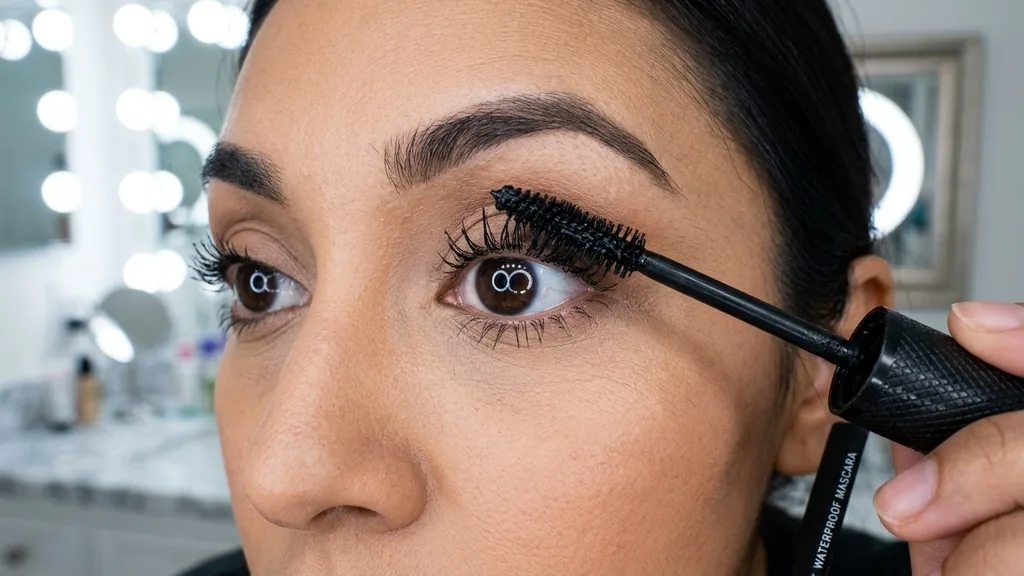
Removing stubborn, long-wear eye cosmetics can feel like a nightly chore, especially when you are wondering how do you take waterproof mascara off without tugging at your delicate eye area. Waterproof mascara is formulated with volatile silicones, polymers, and waxes designed to resist water, sweat, and humidity.
Because these ingredients are specifically engineered to repel aqueous substances, splashing water on your face—or even using a standard foaming cleanser—is rarely sufficient to break down the formula. If you find yourself scrubbing your eyes until they are red and irritated, you are likely using the wrong technique or the wrong product for the job.
The key to successful removal lies in the principle of “like dissolves like.” Since waterproof formulas are oil-based or wax-based, they respond best to solvents that can melt those substances. By choosing the right lipid-based cleanser or bi-phase solution, you can dissolve the pigment and wax without damaging your natural lashes or stretching the thin, sensitive skin around your eyes.
The Science Behind Waterproof Mascara Formulation
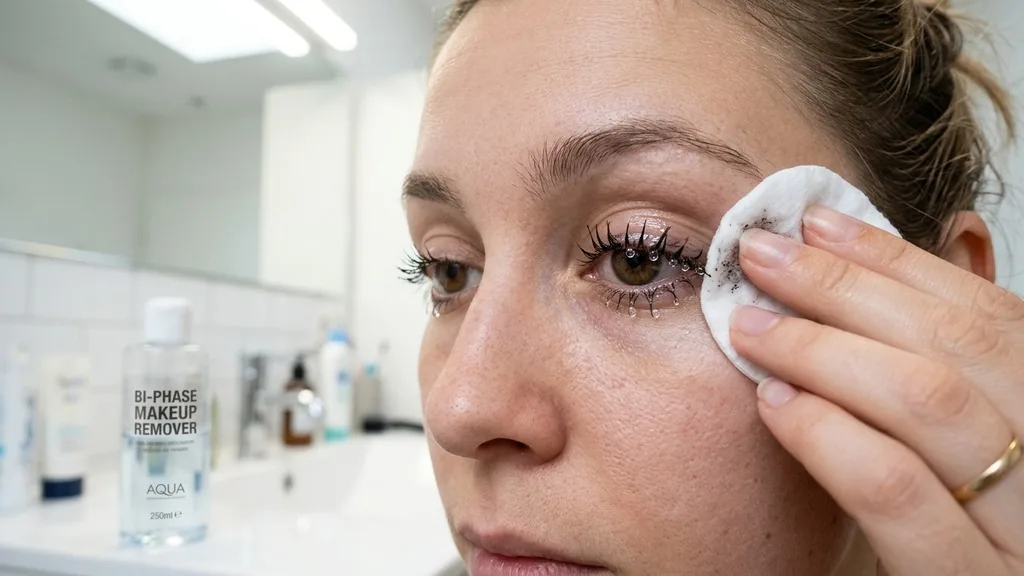
To understand how to remove these products, it is helpful to understand what they are made of. Waterproof mascara is a specialized type of waterproof makeup that relies on a hydrophobic film to keep the lashes coated regardless of external moisture.
Manufacturers incorporate synthetic waxes, such as beeswax or paraffin, and volatile silicones that evaporate once applied, leaving behind a flexible, water-resistant coating. This coating is essentially a chemical shield.
When you attempt to clean this off with soap and water, the water molecules simply bead up and roll off the mascara coating. This is why many people experience “raccoon eyes” even after washing their faces. The pigment remains trapped within the wax matrix.
To break this matrix, you need a substance that can penetrate the wax and lift the pigment away from the hair shaft. This is where oil-based solvents become essential. Oils, whether they are mineral-based or plant-derived, work by softening the wax, turning the hard, set film back into a pliable state that can be easily wiped away.
Understanding this mechanism helps explain why friction is your enemy. If the mascara is still hardened, rubbing it causes the lashes to pull away from the follicle, leading to breakage and premature lash loss. By allowing a solvent to sit on the lashes for a few seconds, you allow the chemistry to do the heavy lifting, which preserves the health of your lashes.
Choosing the Right Cleansing Agent
Not all makeup removers are created equal. When shopping for a product to address your concerns about how do you take waterproof mascara off, you will encounter several different types of formulations. The most effective ones are usually those that contain a significant oil component.
- Bi-phase makeup removers: These consist of an oil layer and a water layer that must be shaken before use. The oil dissolves the mascara, while the water layer helps rinse away residue.
- Cleansing balms: These are solid oils that melt into an oil upon contact with skin heat. They are excellent for a deep, gentle cleanse.
- Oil-based cleansers: Liquid oils or specialized cleansing oils that emulsify when they come into contact with water, making them easy to rinse off.
- Micellar water: Specifically, look for versions labeled as “waterproof” or “oil-infused.” Standard micellar water often lacks the solvent power to break down heavy-duty wax coatings.
If you have sensitive eyes or wear contact lenses, look for products that are ophthalmologist-tested. Many traditional oil-based removers can leave a filmy residue on the eyes, which is harmless but temporarily blurs vision. If this bothers you, a cleansing balm is often a better choice because it is designed to be washed away completely with warm water, leaving the eye area feeling clean rather than greasy.
Step-by-Step Removal Technique for Minimal Damage
The technique you use is just as important as the product. The goal is to maximize contact time between the remover and the mascara while minimizing physical friction. Follow this systematic approach to protect your skin and lashes.
First, saturate a cotton pad or a soft microfiber cloth with your chosen oil-based makeup remover. If you are using a bi-phase formula, ensure you have shaken the bottle vigorously to mix the two layers. Place the soaked pad directly onto your closed eyelid.
Press it gently against your lashes and hold it there for at least 20 to 30 seconds. This “soaking” period is critical; it gives the oil time to penetrate the waterproof polymers and dissolve the wax.
Once the time is up, gently swipe the pad downwards, following the natural direction of your lashes. Avoid rubbing back and forth, as this is the primary cause of lash breakage and skin irritation. If there is still mascara residue on the waterline, use a cotton swab dipped in a small amount of the same remover to carefully clean the area.
Finally, follow up with a gentle cleansing water or a mild face wash to remove any residual oil, as leaving oil on the skin can sometimes lead to clogged pores or milia in susceptible individuals. For more information on maintaining skin health, you can visit the American Academy of Dermatology to learn about proper facial cleansing routines.
Comparing Common Waterproof Mascara Removal Methods
Selecting the right method depends on your skin type, budget, and personal preference. The following table highlights the most popular options for removing waterproof eye makeup.
| Method | Effectiveness | Skin Feel | Best For |
|---|---|---|---|
| Bi-Phase Remover | High | Slightly Oily | Heavy-duty waterproof mascara |
| Cleansing Balm | Very High | Clean/Hydrated | Full-face makeup removal |
| Oil-Infused Micellar | Moderate | Light/Fresh | Sensitive eyes |
| Natural Oils (Jojoba/Olive) | High | Very Oily | Minimalist/Natural routine |
As shown in the table, while natural oils like jojoba or olive oil are highly effective at dissolving wax, they can leave a very heavy residue that requires a thorough secondary cleanse. Cleansing balms tend to offer the best balance of efficacy and comfort, making them a favorite for those who wear makeup daily.
Addressing Topical Gaps: Why Isn’t Your Mascara Coming Off?
Many people struggle with removal even when using a dedicated product. If you are still seeing black streaks under your eyes after your routine, you might be falling into one of these common traps.
One common issue is “product layering.” If you apply multiple coats of waterproof mascara, the thickness of the wax barrier becomes much harder to penetrate.
In this case, you may need to double-cleanse. Apply your oil-based remover, let it sit, wipe it away, and then repeat the process once more to catch any remaining product trapped at the base of the lashes.
Another frequent mistake is using dry cotton pads. If the pad is barely damp, you are relying on the mechanical friction of the cotton to scrub off the makeup, rather than the chemical power of the remover. The pad must be thoroughly saturated so that the oil can coat every single lash.
Additionally, check the expiration date of your makeup remover. While oils have a long shelf life, the emulsifiers that help them rinse away can break down over time, making the product less effective at lifting the mascara away from your skin.
Finally, consider the temperature of the water you use to rinse. If you are using a cleansing balm or an emulsifying oil, lukewarm water is essential. Water that is too cold will cause the wax to re-harden, while water that is too hot can strip the delicate skin around the eye of its natural moisture, leading to dryness and irritation.
Safety Precautions and Long-Term Lash Care
Protecting your eyes during the removal process is paramount. The skin around the eye is the thinnest on the entire body, and it lacks the structural support of thicker facial skin.
Constant tugging can lead to premature sagging and fine lines. When you remove waterproof formulas, always prioritize a “press and lift” motion rather than a “scrub and drag” motion.
Furthermore, ensure that the products you are using are fragrance-free and hypoallergenic. Many people who believe they are having a reaction to their mascara are actually reacting to the harsh ingredients in their makeup remover, such as heavy alcohols or synthetic fragrances. If you notice your eyes becoming puffy, itchy, or red after your nightly routine, switch to a simpler, oil-based cleanser that contains fewer additives.
Long-term, you should also focus on lash health. Waterproof mascara, by nature, can be drying. If you wear it every single day, consider applying a lash conditioner or a light coating of castor oil before bed after your cleansing routine.
This helps to rehydrate the lashes and keeps them flexible, reducing the likelihood of them becoming brittle and breaking off. By treating your lashes with the same care you give your hair or your skin, you can enjoy the benefits of long-wear makeup without sacrificing the health of your natural lashes.
Common Questions About Removing Waterproof Mascara
Is it safe to use Vaseline to take off waterproof mascara?
Yes, petroleum jelly is an effective solvent for waterproof mascara because it is occlusive and oil-based. You can apply a small amount to your lashes, let it sit for a minute, and wipe it away. However, it can be difficult to rinse off and may cause temporary blurriness or clogged pores.
Why does my mascara still leave residue after I wash my face?
Waterproof mascara is designed to resist water. If you are only using a standard foaming cleanser, the formula remains intact because the surfactants in the soap cannot penetrate the wax base. You must use an oil-based product first to break the chemical bond of the mascara.
Can I remove waterproof mascara with just water?
No, water alone will not remove waterproof mascara. Because the product is hydrophobic, water will simply bead up on the surface of the mascara coating. You require a lipid-based solvent, such as an oil, a cleansing balm, or a bi-phase makeup remover, to dissolve the wax and pigment.
What happens if I don’t remove my mascara before sleeping?
Sleeping in waterproof mascara can lead to several issues. The hardened wax can cause lashes to stick together and break during the night. Furthermore, residue can flake into the eye, causing irritation, or clog the hair follicles, which may lead to styes or infections near the eyelid margin.


