

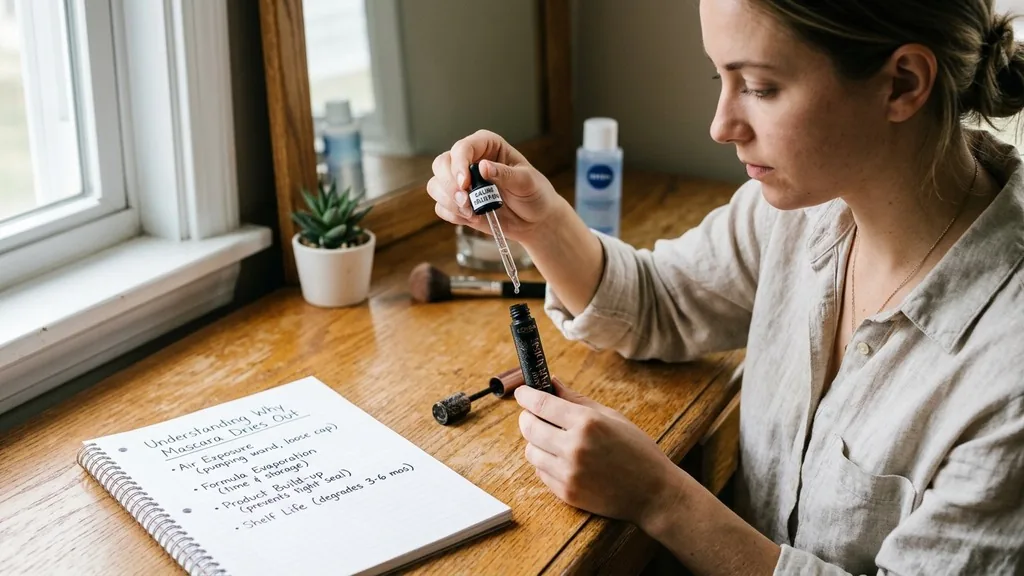
Learning how to fix dried out mascara is an essential skill for anyone who enjoys wearing makeup. We have all been there: you are rushing to get ready for work or a night out, you unscrew your favorite tube, and the wand comes out dry, clumpy, or nearly empty. It is a frustrating experience that often leads to throwing away a product that still has plenty of life left in it.
Before you toss your mascara in the trash, consider that it might just need a little hydration to return to its original, smooth consistency. By understanding why formulas thicken over time and using the right revival techniques, you can extend the longevity of your beauty products and save money in the process.
Understanding Why Mascara Dries Out
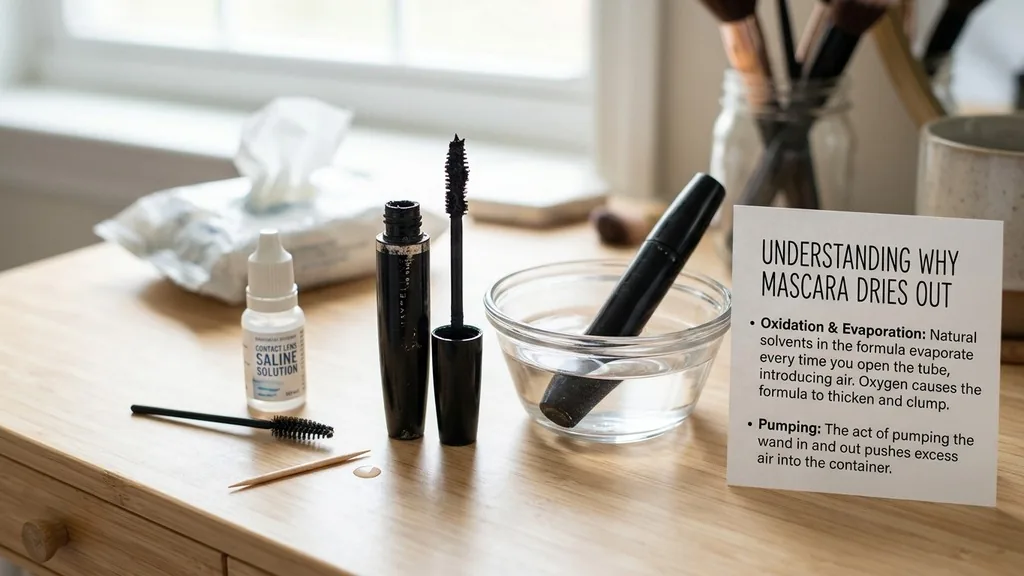
Mascara dries out primarily due to oxidation and the natural evaporation of solvents within the formula. Every time you pull the wand out of the tube, you introduce air into the container. Oxygen interacts with the ingredients, causing the formula to thicken and eventually clump.
Furthermore, the act of “pumping” the wand—repeatedly pushing it in and out to get more product—is the fastest way to ruin a tube. This motion forces excess air into the chamber, accelerating the drying process significantly. While some formulas are designed to be long-wearing and waterproof, even the highest-quality makeup has a limited shelf life once it is opened.
Environmental factors also play a role in how quickly your product expires. If you store your makeup in a bathroom where the temperature and humidity fluctuate, the formula can become unstable. Heat, in particular, can degrade the waxes and oils that keep the mascara fluid.
Once the protective ingredients break down, the product becomes difficult to apply, resulting in a spidery or flaky finish on your eyelashes. Recognizing these triggers is the first step toward better maintenance. By keeping your tubes tightly sealed and avoiding unnecessary air exposure, you can delay the need for a fix.
The Hot Water Method for Quick Revival
The hot water method is perhaps the most reliable way to fix dried out mascara because it relies on heat to soften the waxes inside the tube. This technique is gentle and does not require adding any foreign substances to the formula, which maintains the integrity of the product. To perform this, simply fill a cup with hot—but not boiling—water.
Place the sealed tube of mascara into the cup and let it sit for about three to five minutes. The heat will radiate through the container, warming the thick formula and making it pliable once again.
After the time has passed, remove the tube carefully, dry it off, and give it a good shake. You should notice the wand glides out much more smoothly than before. This process works exceptionally well for formulas that have become slightly tacky due to cold storage or light air exposure.
It is a non-invasive trick that doesn’t alter the chemistry of your makeup, making it a safe choice for those with sensitive eyes. If the product is still a bit dry, you can repeat the process, but be sure the water isn’t so hot that it warps the plastic packaging or compromises the chemical stabilizers.
Using Saline or Contact Solution
If heat alone isn’t enough, adding a few drops of contact lens solution is a popular and effective way to rehydrate a stubborn tube. Contact solution is formulated to be sterile and safe for use near the eyes, which makes it a preferred choice over tap water. Because it contains saline and preservatives, it integrates well with the existing formula without encouraging bacterial growth.
To use this method, add just one or two drops directly into the tube. It is crucial not to overdo it; starting with a small amount prevents the mascara from becoming too thin or runny.
Once you have added the drops, use the wand to stir the product in a circular motion. Avoid pumping the wand, as this will only introduce more air and defeat the purpose of the fix. After stirring for about thirty seconds, pull the wand out and test the consistency on the back of your hand.
If it feels smooth and coats the skin evenly, you are ready to apply. Keep in mind that this method is best reserved for older tubes that are nearing the end of their lifespan. While it works wonders, it is effectively thinning the product, which may slightly reduce its longevity or impact its waterproof qualities.
Comparing Different Revival Techniques
When deciding which method to use, it helps to look at the pros and cons of each approach. Some methods are better for minor clumping, while others are better for severely dried-out products. The following table provides a quick reference for common revival strategies.
| Method | Best For | Pros | Cons |
|---|---|---|---|
| Hot Water | Mild thickening | Safe, no additives | Temporary effect |
| Contact Solution | Dry, clumpy formula | Restores texture well | Can dilute formula |
| Oil Additives | Very dry, stiff mascara | Adds moisture | Can cause smudging |
Each of these approaches serves a specific purpose depending on the state of your makeup. For those who prioritize safety, starting with the hot water method is always the best move.
If you find that the product is still too dry after trying heat, you can move on to the liquid additives. Always test the product on your hand before bringing it near your eyes to ensure the consistency is comfortable and safe for application.
Avoiding Common Mistakes During Application
Many people accidentally contribute to the demise of their mascara by using improper application techniques. One of the biggest culprits is the “pumping” habit mentioned earlier. By pushing the wand in and out, you are essentially churning air into the tube, which oxidizes the ingredients rapidly.
Instead of pumping, try to swirl the wand against the inner walls of the tube to pick up the product. This ensures you get an even coating on the bristles without forcing unnecessary air into the mixture.
Another common mistake is leaving the cap loose or off the tube for extended periods during your makeup routine. Even a few minutes of exposure can cause the edges of the formula to harden. Make it a habit to tighten the cap as soon as you are finished with each eye.
Furthermore, avoid sharing your mascara with others. Sharing introduces outside bacteria into the tube, which can lead to eye infections and force you to discard the product prematurely. Proper hygiene is not just about keeping the product fresh; it is about protecting your health.
You can find more information on product safety and expiration from the U.S. Food and Drug Administration guidance on cosmetic safety.
When to Replace Your Mascara
Regardless of how well you maintain your makeup, there comes a time when you must say goodbye to a tube. Mascara is the most high-risk product in your makeup bag because it is used in such close proximity to your eyes. Generally, you should replace your mascara every three months.
Even if you have successfully revived it, if the product smells off, has changed color, or is causing irritation, it is time to stop using it. Bacteria thrive in the warm, dark, and moist environment of a mascara tube, and the preservatives in the formula eventually break down.
If you find yourself needing to fix your mascara every single day, it is a clear sign that the product is simply too old. Constantly adding drops to a tube that has reached its expiration date is not a sustainable or safe practice.
Watch for signs of spoilage such as a sour odor or a gritty, uneven texture that doesn’t smooth out even after heating. Investing in a new product is a small price to pay for eye health, and you will likely find that a fresh formula provides a much better application than a revived, aged one.
Natural Alternatives and Oils
For those who prefer to avoid synthetic additives, using a tiny drop of natural oil can sometimes revive a dry tube. Oils like jojoba, almond, or even a high-quality castor oil can help loosen a stiff formula. These oils are generally safe for the skin and can even provide a conditioning effect for your eyelashes.
However, proceed with caution: oil-based additives can make your mascara much more prone to smudging throughout the day. If you have oily eyelids or live in a humid climate, this might not be the best solution for you.
To use this method, add only one drop of oil. The oil helps to re-emulsify the waxes that have hardened over time. It is particularly useful for “clean” or organic mascara formulas that contain natural waxes which tend to dry out faster than synthetic ones.
If you notice that your mascara begins to run or migrate under your eyes after using this method, switch back to a non-oil approach or replace the tube entirely. The goal is to make the product usable again, not to compromise its performance or wearability.
Topical Gaps: Addressing Specific User Concerns
There are several nuances to fixing dried out mascara that many guides overlook. For instance, people often ask if they can add water directly to the tube. The answer is a firm no.
Tap water contains minerals and, more importantly, it is not sterile. Adding water creates a breeding ground for bacteria, which can lead to serious eye infections. Always use a sterile saline solution or contact lens solution if you must add liquid.
Another common gap is the concern over waterproof mascara. Waterproof formulas are notoriously difficult to revive because they are designed to repel moisture.
If your waterproof mascara is dry, the hot water method is your only safe bet. Adding drops of liquid to a waterproof formula will often destroy its properties, causing it to flake off or lose its water-resistance entirely. Additionally, some users wonder if they can fix a dry mascara brush by simply cleaning it.
While cleaning the brush with a gentle makeup remover can help remove dried, crusty buildup, it won’t fix the product inside the tube. If the brush is stiff, clean it, but if the formula in the tube is also dry, you must address the contents separately.
Frequently Asked Questions
- Is it safe to put eye drops in dried out mascara? It is generally safe if you use sterile, preservative-free contact lens solution or saline. Avoid using medicated eye drops, such as redness-relief drops, as they contain ingredients that are not intended for use inside a mascara tube and could cause irritation.
- How do I know if my mascara is expired? If your mascara is over three months old, has developed an unusual or sour smell, or causes any redness, itching, or swelling around your eyes, it has likely expired. Even if it seems okay, the risk of bacterial contamination increases significantly after three months.
- Does pumping the wand really ruin the formula? Yes, pumping the wand introduces excess air into the tube. This air causes the formula to oxidize and dry out significantly faster than it would if the tube were kept sealed. Always swirl the wand instead to pick up the product.
- Can I use olive oil to fix dry mascara? While it might soften the formula, olive oil is heavy and can cause significant smudging or “raccoon eyes” throughout the day. It is better to use a lighter, more absorbent oil or stick to contact lens solution, which is designed to be eye-safe.
Maintaining your makeup routine effectively involves a balance of proper storage, smart habits, and knowing when to let go. By avoiding the temptation to pump your wand and utilizing safe revival methods like the hot water technique, you can ensure your lashes look their best for as long as possible. Always prioritize the health of your eyes above the cost of the product.
When a tube reaches its natural end, replacing it is the most responsible choice for both your appearance and your wellbeing. With these tips in mind, you can confidently manage your beauty collection and keep your favorite mascara performing perfectly.


