

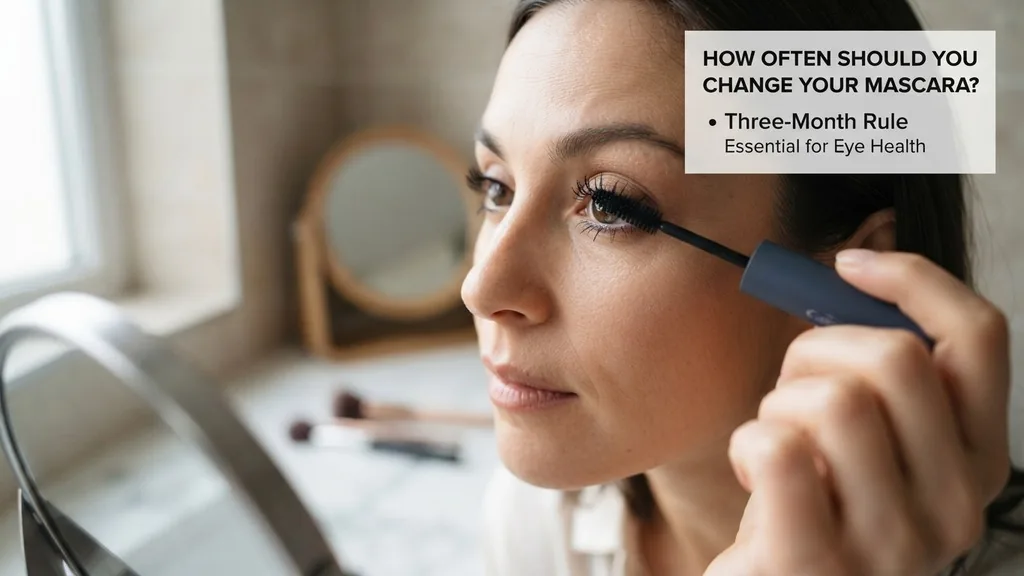
Maintaining a pristine beauty routine involves more than just selecting the right shades or formulas; it requires a strict adherence to hygiene standards that protect your delicate ocular area. Many beauty enthusiasts find themselves wondering exactly how often should you change your mascara, often ignoring the expiration dates printed on the packaging in favor of using a tube until every last drop is gone. However, the anatomy of your eye is highly susceptible to irritation and infection.
Because mascara is a liquid-based product applied directly to the lash line, it creates a hospitable environment for microorganisms. Understanding the timeline for replacement is not just about product performance—it is a fundamental aspect of eye health.
The Three-Month Rule for Eye Health
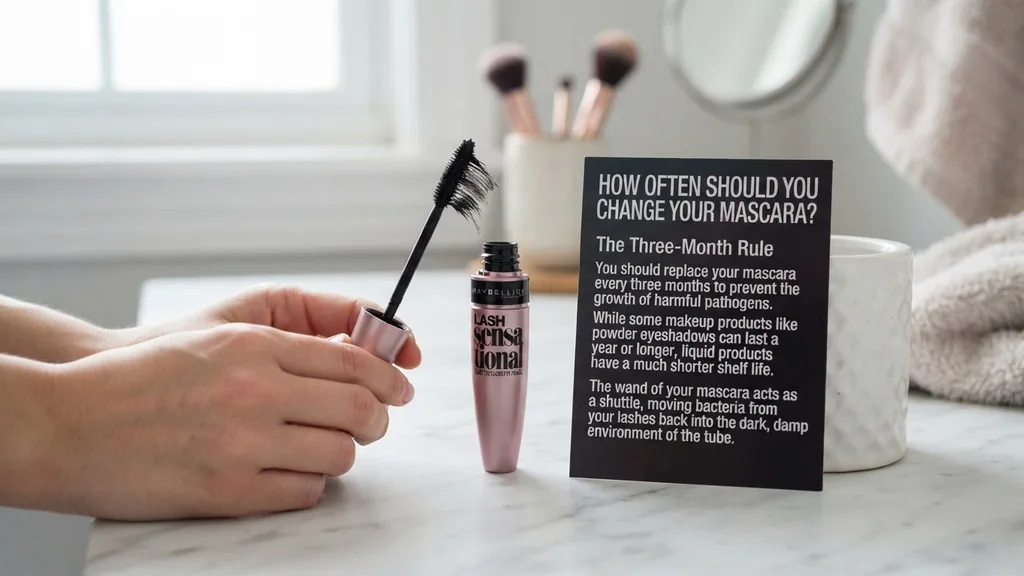
You should replace your mascara every three months to prevent the growth of harmful pathogens. While some makeup products like powder eyeshadows can last for a year or longer, liquid products have a much shorter shelf life.
The wand of your mascara acts as a shuttle, moving from your lashes back into the dark, damp, and nutrient-rich environment of the tube. Each time you pump the wand, you introduce oxygen and potential contaminants, which accelerates the breakdown of the formula and encourages microbial proliferation.
Most dermatologists and ophthalmologists agree that three months is the absolute maximum duration for a single tube. Even if the product still appears to apply smoothly or smells fine, it may already be compromised.
Microbes like Staphylococcus epidermidis or E. coli can thrive in these environments, and you often cannot see or smell them until an infection has already taken hold. Adhering to this timeline minimizes your risk of developing conditions such as conjunctivitis, styes, or blepharitis, which can be both painful and disruptive to your daily life.
Why Mascara Tubes Are Breeding Grounds for Bacteria
Mascara tubes provide the perfect incubator for bacteria because they are essentially sealed, dark, and humid containers. When you use your makeup, you are inevitably picking up dead skin cells, oils, and existing bacteria from your lashes and the surrounding skin.
When the wand returns to the tube, it deposits these microscopic stowaways into the bulk of the product. Over time, the preservatives in the mascara—which are designed to keep the formula stable—begin to lose their efficacy.
As the preservatives break down, the population of bacteria grows exponentially. This is why a tube that seemed perfectly safe during the first month can become a health hazard by the third.
Furthermore, the physical act of pumping the wand inside the tube pushes air into the product, which dries out the formula and causes it to clump. This clumping often leads users to add water or saliva to “revive” the product, a practice that introduces even more foreign bacteria and effectively neutralizes any remaining preservative action.
Signs It Is Time to Discard Your Makeup
Beyond the calendar, you should watch for specific physical indicators that your mascara has reached the end of its life. If your product starts to emit an unusual, acrid, or sour odor, it has likely been contaminated or the chemical structure has degraded.
Consistency changes are another major red flag. If the mascara becomes thick, sticky, or develops a stringy texture, it is no longer safe or effective to use.
You might also notice that the product flakes off throughout the day more than it did when it was new. This flaking is often a sign that the binders in the formula have expired. If you experience any persistent redness, itching, or swelling along the lash line after application, stop using the product immediately.
These symptoms are classic indicators of a reaction to either the aging formula or a bacterial buildup. When in doubt, it is always safer to throw it away than to risk an ocular infection.
You can find more information on how to identify these risks through the U.S. Food and Drug Administration eye cosmetic safety guidelines.
The Hidden Dangers of Pumping the Wand
Many people have a subconscious habit of pumping the mascara wand in and out of the tube to coat the brush more thoroughly. This action is one of the most common mistakes in makeup application, as it forces air into the tube.
This air exposure causes the mascara to oxidize and dry out significantly faster than it otherwise would. By pumping, you are essentially shortening the lifespan of your product by weeks.
Instead of pumping, try gently swirling the wand around the inside walls of the tube to pick up the product. If you feel like you aren’t getting enough mascara on the brush, rotate the wand in a circular motion.
This technique keeps the integrity of the formula intact for longer and prevents the rapid buildup of dry, crusty residue around the neck of the tube. Keeping the neck clean is also essential, as dried mascara flakes can fall back into the tube and introduce further contamination.
Comparing Lifespans of Common Eye Products
It is helpful to understand how mascara compares to other eye makeup products. While mascara has one of the shortest lifespans due to its liquid nature and direct contact with the eye, other products have varying requirements for replacement. Understanding these differences helps you manage your entire cosmetic collection more effectively.
| Product Type | Recommended Replacement Time |
|---|---|
| Mascara | 3 Months |
| Liquid Eyeliner | 3 Months |
| Cream Eyeshadow | 6 Months |
| Powder Eyeshadow | 1 to 2 Years |
| Pencil Eyeliner | 1 Year (if sharpened regularly) |
As shown in the table, liquid products consistently require more frequent replacement than solid or powder-based items. Because liquid eyeliners also involve a brush returning to a tube, they share the same risks as mascara. If you use both regularly, it is a good idea to mark the opening date on the bottom of the tube with a permanent marker or a small sticker to keep track of your timeline.
Hygiene Practices to Extend Product Safety
While you should never exceed the three-month limit, there are ways to ensure your mascara remains as safe as possible during those ninety days. First, never share your mascara with anyone else.
Eye makeup is a deeply personal product, and sharing it is the fastest way to transmit infections like pink eye. Even if you trust the person, their eye microbiome is different from yours, and their bacteria could cause a reaction in your eyes.
Another essential practice is to always remove your eye makeup completely before going to sleep. Leaving mascara on overnight not only dries out your natural lashes, leading to breakage, but it also increases the likelihood of particles entering the eye or causing irritation to the sensitive follicles.
Use a gentle, oil-based cleanser or micellar water to break down the formula without scrubbing, which can damage the delicate skin around the eyes. If you use reusable eyelash curlers, make sure to wipe the rubber pads clean with alcohol regularly, as these can also harbor bacteria that get transferred to your lashes and then back into your mascara tube.
Addressing Topical Gaps: Natural vs. Conventional Formulas
A common question is whether “natural” or “organic” mascaras have a different expiration timeline. In reality, these products often have a much shorter shelf life than conventional options.
Many natural brands avoid synthetic preservatives like parabens or phenoxyethanol, relying instead on plant-based alternatives or essential oils. While these ingredients may be gentler, they are often less effective at inhibiting microbial growth over time.
If you choose a natural mascara, you must be even more diligent about the three-month rule. Some of these products may even begin to show signs of separation or spoilage in as little as two months. Always check the packaging for a “Period After Opening” (PAO) symbol, which looks like a small open jar with a number followed by an “M,” indicating how many months the product is good for after it is first unsealed.
If you notice a change in the scent or texture of a natural mascara, do not try to salvage it. The lack of heavy-duty preservatives means that once the bacteria take hold, they can multiply much more rapidly than they would in a traditional formula.
The Importance of Storing Makeup Properly
Where you store your makeup significantly impacts how long it remains safe. Many people keep their cosmetics in the bathroom, but the high humidity and fluctuating temperatures caused by showers and hot water are detrimental to the longevity of your products. Moisture can seep into the tube, and the warmth can accelerate the degradation of the formula’s preservatives.
Ideally, you should store your mascara in a cool, dry place away from direct sunlight. A bedroom vanity or a dedicated makeup organizer in a closet is far better than a bathroom drawer or countertop. By keeping your mascara in a stable environment, you ensure that the formula remains as close to its original state as possible for the duration of its lifespan.
If you travel frequently, try to avoid leaving your makeup bag in a hot car or a damp hotel bathroom, as these environments can quickly compromise the quality of your products. Treat your makeup like a perishable item, and your eyes will thank you for the extra care.
FAQ: Common Questions on Mascara Hygiene
- Can I use mascara for longer than 3 months if I haven’t used it every day? No, the expiration clock starts from the moment you first open the tube and expose the formula to air. Regardless of how often you apply it, the preservative system begins to degrade once the seal is broken, making the product a potential breeding ground for bacteria after the three-month mark.
- What is the best way to sanitize a mascara wand? Unfortunately, you cannot effectively sanitize a mascara wand. Because it is porous and designed to hold liquid, bacteria become embedded deep within the bristles. It is safer to simply replace the entire product when it reaches its expiration date rather than attempting to clean the wand.
- Does waterproof mascara last longer than regular mascara? Waterproof mascara does not have a longer shelf life. While it is more resistant to smudging during wear, the chemical composition of the preservative system is generally similar to standard formulas. You should still adhere to the three-month replacement rule to ensure the health of your eyes.
- Is it safe to use a new mascara if I have just recovered from an eye infection? No, you should immediately discard any eye makeup you were using when the infection started. Continuing to use the same products can lead to reinfection, as the bacteria that caused the issue are likely present inside the tube, even if they are not visible to the naked eye.
Maintaining eye health is a continuous process that requires vigilance and consistency. By following these guidelines, you can ensure that your beauty routine supports your health rather than undermining it. Remember that your eyes are among the most sensitive organs in your body, and they deserve the highest level of care.
When it is time to say goodbye to an old tube of mascara, do not hesitate—your vision is worth far more than the cost of a new product. Stay informed, keep your supplies fresh, and enjoy your makeup with the confidence that you are protecting your long-term eye health.


