

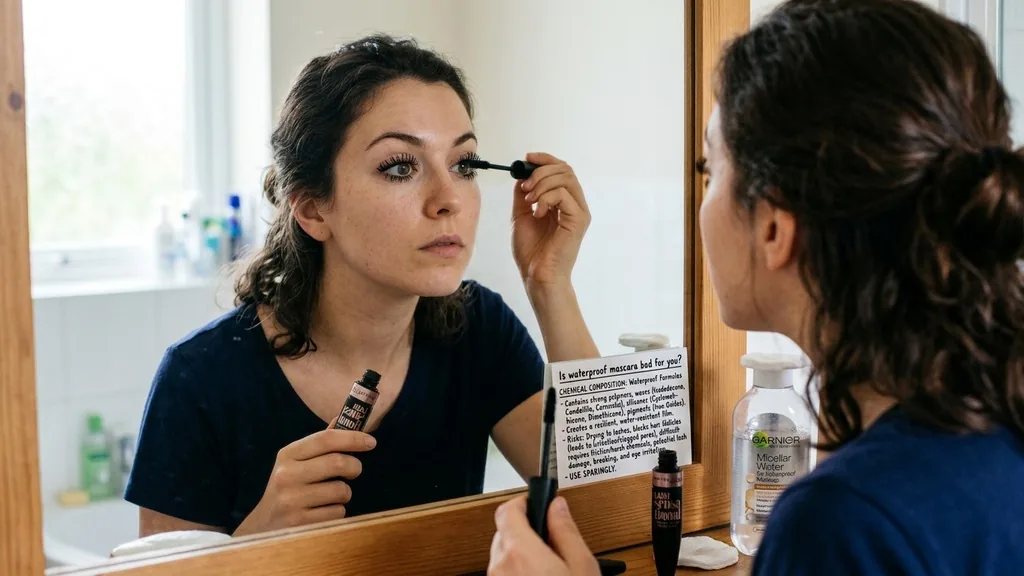
The question of whether waterproof mascara is bad for you often surfaces when people notice their eyelashes feeling brittle or shedding more than usual. While these formulas offer incredible longevity—standing up to humidity, sweat, and tears—they come with a unique set of challenges that can impact the health of your eyes and the integrity of your natural lashes. Understanding the trade-off between aesthetic endurance and ocular hygiene is essential for anyone who incorporates this product into their daily makeup routine.
The Chemical Composition of Waterproof Formulas
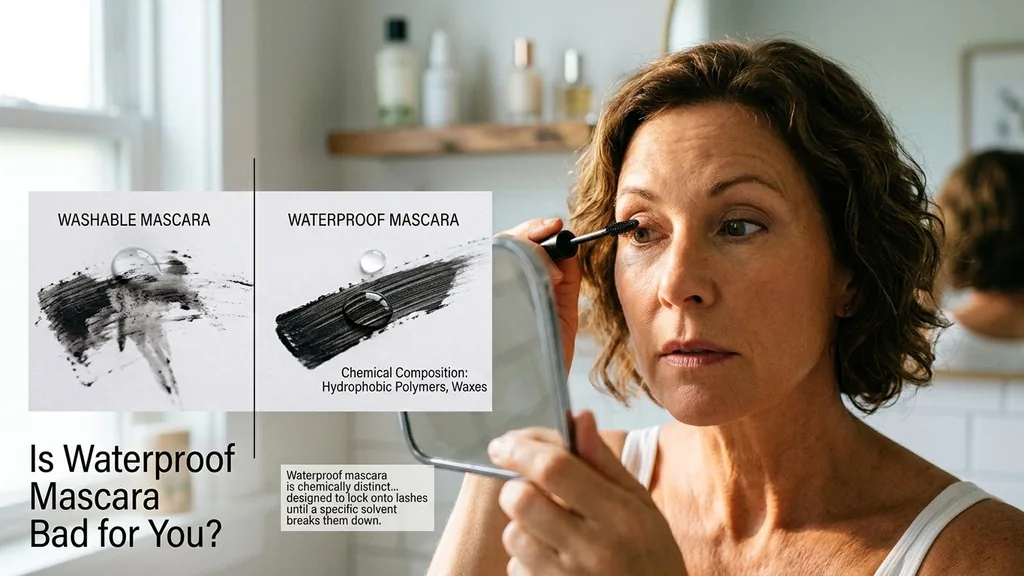
Waterproof mascara is chemically distinct from its washable counterparts because it relies on hydrophobic polymers and waxes to create a barrier that repels moisture. These ingredients are designed to lock onto the lashes and stay there until a specific solvent breaks them down.
Unlike regular formulas that use water as a primary solvent, waterproof versions often utilize volatile silicones, isododecane, or mineral waxes. These substances create a rigid film that does not dissolve when it comes into contact with water, sweat, or sebum.
While these components are highly effective at preventing smudging, they are notoriously difficult to remove. The structural integrity of the formula means that mere soap and water will not suffice. When you try to wash it off with standard cleansers, you often end up rubbing the delicate skin around the eye area aggressively.
This mechanical stress is one of the primary reasons people experience lash loss. The formula clings so tightly that the hair follicle itself can be stressed or pulled during the cleansing process, leading to premature breakage. If you find yourself scrubbing your eyelids nightly, you are likely causing cumulative damage to the sensitive hair follicles.
Mechanical Stress and Eyelash Breakage
Mechanical stress is the physical trauma caused by the removal process, which is arguably more damaging than the product itself. Because waterproof mascara binds so securely to the hair shaft, it creates a stiff, inflexible coating. Over the course of a day, your lashes move every time you blink.
If the mascara is too dry or brittle, this constant motion can cause the hairs to snap. It is a common misconception that the mascara itself eats away at the lash; rather, it is the combination of the stiff coating and the harsh removal that creates the problem.
To mitigate this, many experts recommend using a dedicated bi-phase makeup remover or a cleansing oil. These substances work by dissolving the waxes and polymers chemically, allowing the product to slide off the lashes without the need for intense friction.
If you are currently pulling at your eyes to get the last bits of pigment off, you are likely thinning your lash line over time. The skin around the eyes is the thinnest on the human body, and chronic tugging can lead to premature fine lines and sagging, in addition to the loss of lash density.
The Link Between Waterproof Mascara and Eye Irritation
Eye irritation often occurs because of the specific solvents required to keep the mascara from smudging. Many waterproof products contain chemicals that can be drying or irritating if they migrate into the tear film.
Since the eye is a highly sensitive organ, even trace amounts of residue can cause discomfort, redness, or a gritty sensation. This is particularly problematic for individuals who wear contact lenses, as the residue can adhere to the lens surface, causing cloudiness or significant irritation.
If you have sensitive eyes or suffer from conditions like blepharitis—which is an inflammation of the eyelids—using waterproof formulas can exacerbate the symptoms. The buildup of waxy residue at the base of the lashes can block the Meibomian glands, which are responsible for secreting the oils that keep your eyes lubricated.
When these glands become clogged, you may experience dry eye syndrome. Maintaining clear, open glands is vital for long-term ocular health, and heavy, waterproof products make this daily cleaning process much more difficult to achieve.
Is Daily Use Recommended?
Most dermatologists and ophthalmologists suggest that while using waterproof mascara occasionally is unlikely to cause long-term harm, daily use is generally discouraged. The cumulative effect of the harsh removal process and the potential for glandular blockage makes it a less-than-ideal choice for every single day. If you are looking for a way to maintain your look without the risks associated with permanent-style waterproof formulas, consider reserving them for special occasions like weddings, swimming, or humid summer days.
For everyday wear, a high-quality water-resistant formula or a “tubing” mascara might be a better alternative. Tubing mascaras use polymers that form tiny, water-soluble tubes around each lash. They stay put through sweat and humidity but slide off easily with warm water and gentle pressure, eliminating the need for harsh rubbing or oil-based removers.
This approach provides the longevity you want without the mechanical trauma that compromises your natural lash health. You can find more information on eye safety and hygiene through the American Academy of Ophthalmology guidelines on makeup safety.
Comparing Different Types of Mascara
Choosing the right mascara depends on your lifestyle, your eye sensitivity, and how much time you are willing to spend on your nighttime skincare routine. The following table breaks down the differences between the most common types of lash products available on the market today.
| Mascara Type | Longevity | Removal Difficulty | Impact on Lashes |
|---|---|---|---|
| Regular (Washable) | Low to Medium | Easy | Minimal |
| Water-Resistant | Medium to High | Moderate | Low |
| Waterproof | Very High | Difficult | High (due to removal) |
| Tubing | High | Easy | Minimal |
Tips for Safely Removing Waterproof Makeup
If you decide to use waterproof products, your technique for removal is just as important as the product you choose. You should never attempt to peel or pick off dried mascara, as this will almost certainly take your natural lashes with it. Instead, follow a structured process to ensure that the product is fully dissolved before you attempt to wipe it away.
- Saturate a cotton pad or a reusable bamboo cloth with a high-quality oil-based cleanser or a dedicated bi-phase remover.
- Press the soaked pad gently against your closed eyelid for 20 to 30 seconds to allow the solvent to break down the waxes.
- Gently wipe downward in the direction of the lash growth, rather than side-to-side, to avoid breaking the hairs.
- Use a clean cotton swab dipped in micellar water to clean any remaining residue from the lash line.
- Follow up with a gentle foaming cleanser to remove any oily film that could clog your pores or glands.
Taking these extra steps ensures that you are not leaving behind debris that could lead to infections or irritation. Many people skip the final cleaning step, but removing the oily residue is crucial for preventing the buildup of bacteria along the eyelid margin.
Topical Gaps: Addressing Common Concerns
A frequent concern is whether waterproof mascara causes permanent lash loss. While it doesn’t usually kill the follicle, the repeated trauma of pulling and tugging can cause something known as traction alopecia of the lashes. If you are consistently losing lashes, they may grow back thinner or take longer to reach their full length.
Another common gap in knowledge is the role of expiration dates. Mascara is the product most prone to bacterial contamination because the wand enters and exits the tube multiple times, introducing microbes.
Waterproof formulas contain preservatives, but they should still be replaced every three months. Using an old, dried-out tube of waterproof mascara is significantly more dangerous than using a fresh one, as the dry, clumping formula is more likely to cause physical irritation to the cornea.
Furthermore, many users wonder if there are “healthier” alternatives. While no mascara is truly “healthy” in the sense that it provides nutrients to the hair, there are formulas infused with conditioning agents like vitamin E, castor oil, or panthenol. These ingredients can help keep the lashes flexible, making them less likely to snap when you blink.
However, these additives do not negate the need for proper removal. A formula that is both waterproof and conditioning is still a waterproof formula, and it still requires careful, non-abrasive removal to protect the integrity of your lash line.
The Psychological and Aesthetic Trade-off
The decision to use waterproof mascara is rarely just about health; it is about the confidence that comes with knowing your makeup will stay in place. For many, the ability to cry at a movie, exercise, or walk through a humid climate without worrying about “raccoon eyes” is a significant benefit. The key is to find a balance where you can enjoy these advantages without sacrificing your long-term eye health.
It is about moderation and mindfulness. If you wear waterproof mascara, do not make it a 24/7 habit. Give your lashes a break on days when you are staying indoors or working from home.
When you do use it, invest in high-quality removal tools. A cheap, harsh cleanser that forces you to scrub will do more damage in a month than a premium, oil-based remover will do in a year. Consider your eye shape and sensitivity as well.
If you have deep-set eyes, you might be more prone to transfer, which makes waterproof products appealing. If you have hooded eyes, the constant contact between your lashes and your skin can cause even regular mascara to smudge, making a water-resistant option a practical necessity. By understanding how your anatomy interacts with your products, you can make informed choices that keep your eyes healthy and your lashes looking their best.
Frequently Asked Questions
- Is it bad to wear waterproof mascara every day? Wearing it daily is not recommended because the difficult removal process often leads to mechanical lash loss and eye irritation. Constant use can also clog the oil glands in your eyelids, potentially leading to dry eye syndrome and other ocular discomforts.
- Does waterproof mascara cause eyelashes to fall out? The mascara itself doesn’t cause shedding, but the friction required to remove it does. Because the formula is designed to be stubborn, the physical act of scrubbing or pulling on your lashes to get it off often causes them to break or fall out prematurely.
- What is the best way to remove waterproof mascara without damage? Use an oil-based makeup remover or a cleansing balm. Apply it to your lashes, let it sit for at least 30 seconds to dissolve the waxes, and then gently wipe downward. This method breaks the bond of the formula without requiring abrasive rubbing or tugging.
- How often should I replace my mascara? You should replace your mascara every three months, regardless of whether it is waterproof or regular. Mascara tubes are breeding grounds for bacteria once opened, and using an expired product increases your risk of developing eye infections, styes, and persistent irritation.


