

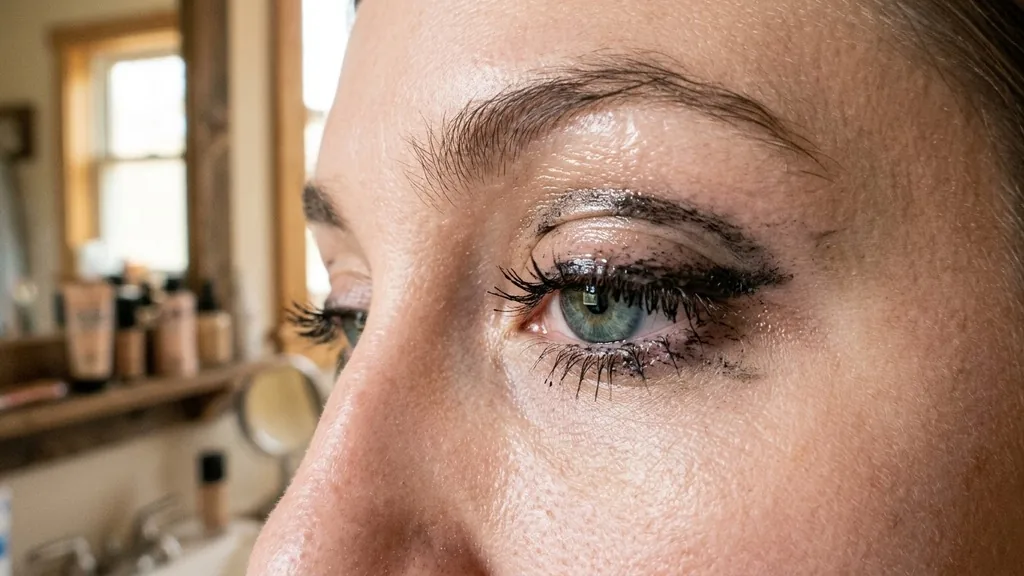
Waking up with perfectly applied makeup only to find dark, unsightly circles underneath your eyes by noon is a frustration many face daily. Learning how to keep mascara from smudging is less about finding a miracle product and more about understanding the chemistry of your eyelids and the way different formulas interact with your skin. Whether you have oily lids, deep-set eyes, or simply live in a humid climate, the appearance of raccoon eyes is usually a sign that your current routine needs a technical adjustment rather than a complete overhaul.
The Role of Eyelid Oil and Skin Chemistry
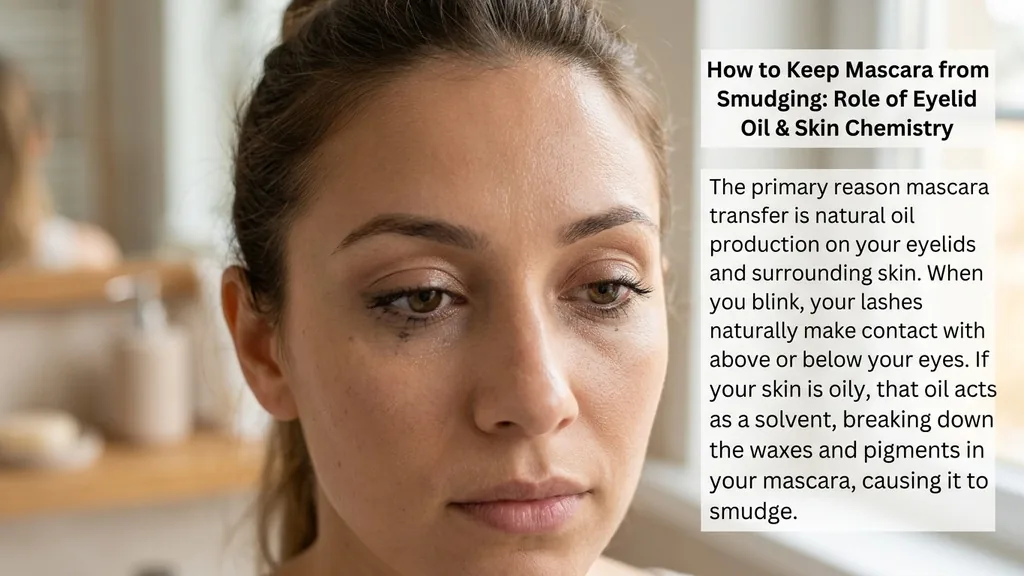
The primary reason for mascara transfer is the natural oil production on your eyelids and the surrounding skin. When you blink, your lashes naturally make contact with the skin above or below your eyes.
If your skin is oily, that oil acts as a solvent, breaking down the waxes and pigments in your mascara and causing them to migrate. This is particularly common for individuals with hooded eyes, where the fold of the eyelid rests directly against the lash line.
To combat this, you must create a barrier between your skin and your lashes. Start by cleansing the area thoroughly before applying any products. Even if you haven’t worn makeup, residual sebum can remain on the lashes themselves.
A quick swipe of micellar water or a gentle oil-free cleanser over the eyelid and lash area ensures that you are starting with a clean, dry surface. If you skip this step, no amount of high-end product will prevent the eventual breakdown of your makeup.
Setting the Foundation with Primer and Powder
Once your skin is clean, the secret to keeping your look fresh is setting the area. Think of your eyelid skin like a canvas that needs a primer.
An eyeshadow primer isn’t just for color vibrancy; it is specifically designed to grip pigment and prevent oils from rising to the surface. Apply a thin layer of eye primer across your lids and, crucially, along the lower lash line where mascara often transfers.
After applying your primer, follow up with a translucent setting powder. This step is non-negotiable for those prone to smudging. By applying a light dusting of powder with a small, fluffy brush, you neutralize the tackiness of your concealer or primer.
This creates a dry, matte environment that prevents the mascara from picking up moisture or oils throughout the day. If you find your under-eye area gets particularly oily, you can even use a baking technique with a loose powder, allowing it to sit for a few minutes before dusting away the excess.
Choosing the Right Formula for Your Lashes
Not all mascaras are created equal, and the formula you choose should be based on your specific environmental needs and lash type. While many people automatically reach for waterproof mascara, it is not always the best solution.
Waterproof formulas are designed to resist water, but they are often highly susceptible to oils. If your smudging is caused by oily skin, a traditional waterproof formula might actually dissolve faster than a water-resistant one.
Tubing mascaras have become the gold standard for those who struggle with persistent smudging. Unlike traditional waxes, these formulas contain polymers that wrap around each individual lash like a tiny tube.
Because they are not oil-based, they are virtually immune to the natural oils produced by your skin. They stay firmly in place until you remove them with warm water and gentle pressure, which causes the tubes to slide off the lashes entirely, leaving no residue behind.
| Mascara Type | Best For | Smudge Resistance |
|---|---|---|
| Tubing | Oily lids, long-lasting wear | Excellent |
| Waterproof | Humidity, sweat, swimming | High (against water) |
| Volumizing | Sparse lashes | Low |
| Lengthening | Short lashes | Moderate |
Technique Matters: Applying Mascara Correctly
How you apply your product is just as important as the product itself. Many people make the mistake of coating the very tips of their lashes or applying too many layers near the root. When you load up the base of your lashes with heavy, wet product, the weight and moisture are more likely to transfer onto your brow bone or under-eye area during the blink cycle.
Focus your application on the roots of your lashes to create volume, then wiggle the wand upward to the tips. Avoid over-applying, as “clumpy” lashes are heavier and more prone to drooping or smudging.
If you find you have naturally long lashes that hit your brow bone, consider using a lash curler. A good curl keeps your lashes lifted and away from your skin, significantly reducing the chance of transfer.
Addressing the Lower Lash Line Dilemma
The lower lash line is the most common place for smudging to occur. If you are determined to wear mascara on your bottom lashes, you must be extremely selective with the formula.
Because this area is closer to your under-eye concealer and the oil-producing glands of the eye, it is a high-risk zone. Many makeup artists recommend skipping bottom lash mascara entirely if you have a history of smudging.
If you prefer the look of defined lower lashes, consider using a waterproof liquid liner to create tiny, hair-like strokes instead. Alternatively, use a smudge-proof, long-wear pencil to define the lash line without the risk of flaking that comes with mascara. If you must use mascara here, ensure you have set your under-eye area with a generous amount of powder to create a physical barrier between the lashes and the skin.
The Impact of Skincare and Concealer
Your skincare routine can inadvertently cause your mascara to fail. If you use heavy eye creams or thick, moisturizing concealers, these products can migrate throughout the day, creating a slippery surface that dissolves your mascara.
To minimize this, allow your eye cream to absorb for at least ten minutes before applying any makeup. If you feel your cream is too heavy, switch to a lightweight, gel-based formula that sinks into the skin quickly.
When applying concealer, avoid bringing it too close to the waterline. If you place a thick, emollient-rich concealer directly under your lashes, the heat from your face will warm up the product, causing it to mix with your mascara. Stick to a long-wear, matte-finish concealer for the under-eye area, and always set it with a translucent powder immediately after application to lock it in place.
Managing Hooded Eyes and Deep-Set Features
For those with hooded eyes, the physical structure of the eye is the biggest contributor to smudging. When you open your eyes, your eyelid skin folds over, often pushing against the lashes.
To prevent this, you need to ensure that your eye makeup is completely locked down. Using a high-quality eyeshadow base is essential, as it prevents the oils from the lid from migrating onto the lashes.
You can also use a “sealing” product. There are clear, waterproof topcoats available that you can brush over your dried mascara. These act as a shield, preventing the mascara underneath from budging.
For more insights on eye health and makeup safety, you can visit the American Academy of Ophthalmology to ensure your beauty practices are not compromising your ocular health. Always prioritize gentle removal to avoid pulling on the delicate skin around the eyes.
Common Topical Gaps and Troubleshooting
Often, people struggle with smudging because they are using expired products. Mascara has a very short shelf life—usually three months—because the wand introduces bacteria into the tube every time you use it.
As the formula dries out or changes consistency over time, it becomes more prone to flaking. Flakes fall under the eye, and when they mix with your skin’s natural oils, they create the dreaded smudge.
- Replace your mascara every 3 months to prevent bacterial growth and formula degradation.
- Use a clean spoolie brush to comb through your lashes after application to remove excess product.
- If you have very long lashes, try a lash primer to “seal” the hair before color application.
- Avoid rubbing your eyes; even long-wear formulas can succumb to physical friction.
- Check the ingredients of your concealer; avoid those with high oil content if you have oily skin.
If you find that your mascara still smudges despite these efforts, try the “sandwich” method. Apply a coat of your favorite lengthening mascara, let it dry, apply a very thin layer of a waterproof topcoat, and finish with a light dusting of powder on the surrounding skin. This layering technique provides multiple layers of protection, ensuring that even if one layer breaks down, the integrity of the look remains intact.
Frequently Asked Questions
Why does my mascara smudge even when it is labeled waterproof?
Waterproof mascara is designed to repel water, not oil. If your eyelids produce significant natural oils, they can break down the wax-based binders in waterproof formulas. Switching to a tubing mascara, which relies on polymers rather than oils, is often the most effective solution for oily skin types.
Is it okay to use eye cream before applying mascara?
It is perfectly fine, but timing is key. Apply your eye cream at least 10 to 15 minutes before your makeup to allow it to fully absorb. If the skin is still tacky or greasy when you apply your concealer and mascara, the products will inevitably mix and lead to smudging.
How can I remove mascara without pulling at my lashes?
Avoid harsh rubbing. Use a dedicated dual-phase eye makeup remover or a cleansing balm.
Apply the product to a cotton pad, press it gently against your closed eyes for 30 seconds to dissolve the pigment, and then wipe downward. This ensures the mascara is removed without damaging your natural lashes.
Does a lash curler help prevent smudging?
Yes, a lash curler can be a major help. By lifting the lashes upward and away from your skin, you reduce the likelihood of them touching your brow bone or your under-eye area. This physical separation is one of the simplest ways to prevent transfer throughout the day.


